
Sus had 3 weeks off before beginning new role. I’m inbetween jobs. And rather enjoying it. If I didn’t have to work, I wouldn’t work. Something I recognized in my thirties.
And so, a perfect opportunity for a last impertinent city break before Christmas. Marvellous.
Rotterdam, the lucky winner. Neither’s visited, plus attraction of direct city centre (OK, St Pancras) to Rotterdam Centraal. By Eurostar.
St Pancras Eurostar terminal a tad tight – when multiple trains departing around the same time – otherwise perfectly serviceable. Journey delayed but pleasantly painless.
We decided to stroll from Rotterdam Centraal to our hotel (Leuvehaven), perhaps 25 minutes.
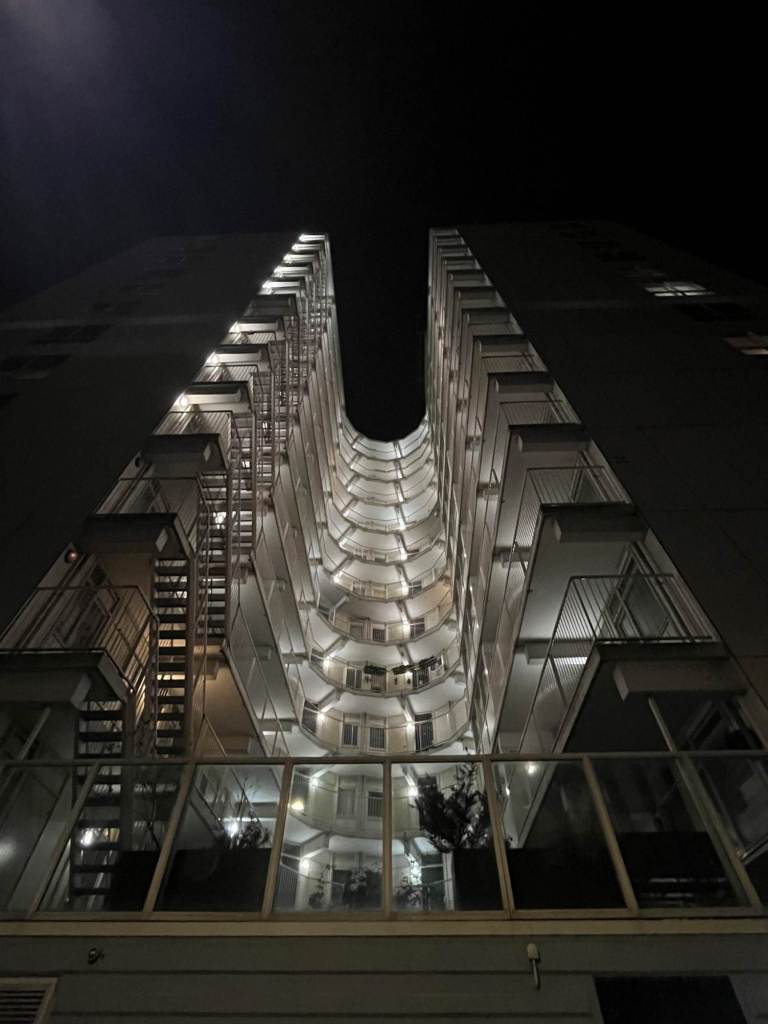
A modern shopping precinct, pleasantly pedestrianised, offers consumerism for the conspicuous consumers. The precincts appeared dated, but shoppers are offered local and international chains plus a surprisingly number of high end outlets.
Arrived at hotel around 2pm, too early to check in. Dumped bags, went a wandering. For 4 hours.
Ambled, alongside one of several canals inhabiting Rotterdam, to Markthal. Apartments outside, food hall inside. It’s massive, modern, resembling a mutant Swiss roll. Food stalls galore, world cuisines, cheese purveyors, chocolate aficionados. Didn’t partake, this time.
Verdins Bierwinkel – apart from an amusing name – tempts beer tipplers with 500 plus beers. Mostly on shelves with one fridge. No drinking in, purely takeout. Purchased local brews for the hotel.
Lovely chap dispensing advice and wisdom.
Delfshaven, Fenix Food Factory
Delfshaven, on the right bank of river Nieuwe Maas, actually grew up around Delft port, before being swallowed whole by Rotterdam. Yummy.
Lucky Delfshaven largely escaped the attention of the German Luftwaffe during WW2 and survives largely intact. It’s a charming mix of canals, traditional architecture (dating back to the 17th century) and converted barges. Oh yes, and a windmill.
The burb was also where pilgrims sailed to both the UK and the US. Which local establishments have made the most of.
We meandered, parts not on the tourist tick box list, parts that undoubtedly were. Aim for Voorhaven and your sightseeing dreams will come true. Delfshaven is not Venice. Attractive rather than out and out pretty. Very much feels like a neighbourhood on the up, gentrification flowing through its watery arteries.
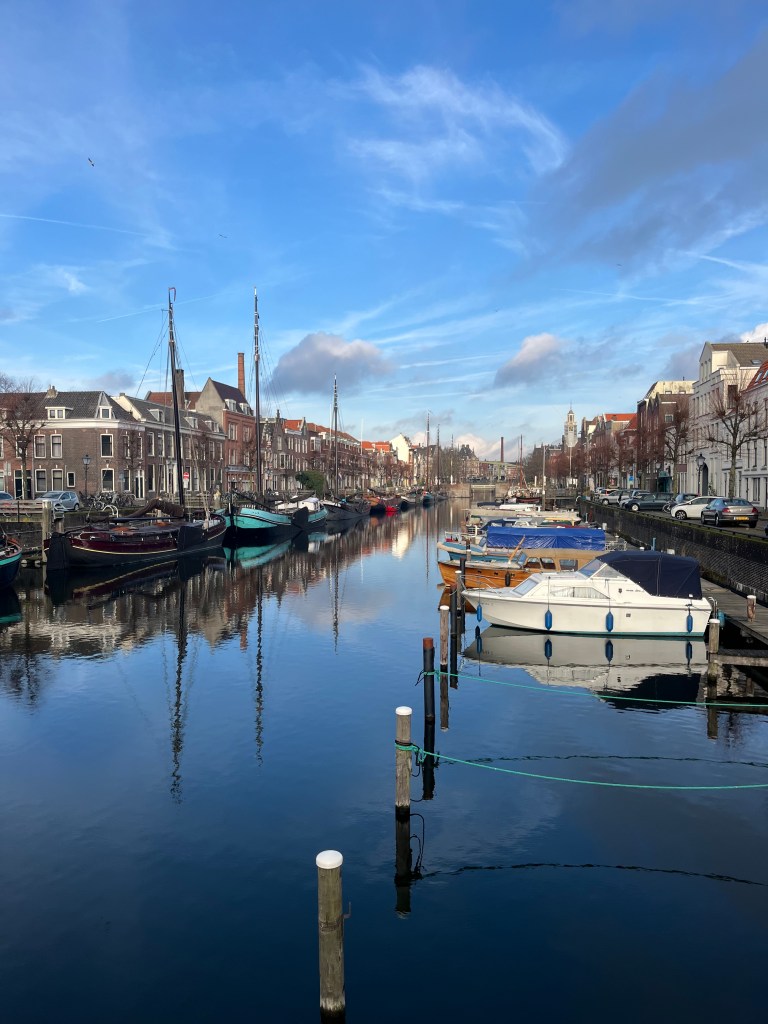
Nevertheless, it makes for a delightful Rotterdam excursion.
Rotterdam has an efficient, clean and comfortable metro system. Trams complement the metro. Both transport modes are contactless touch in, touch out.
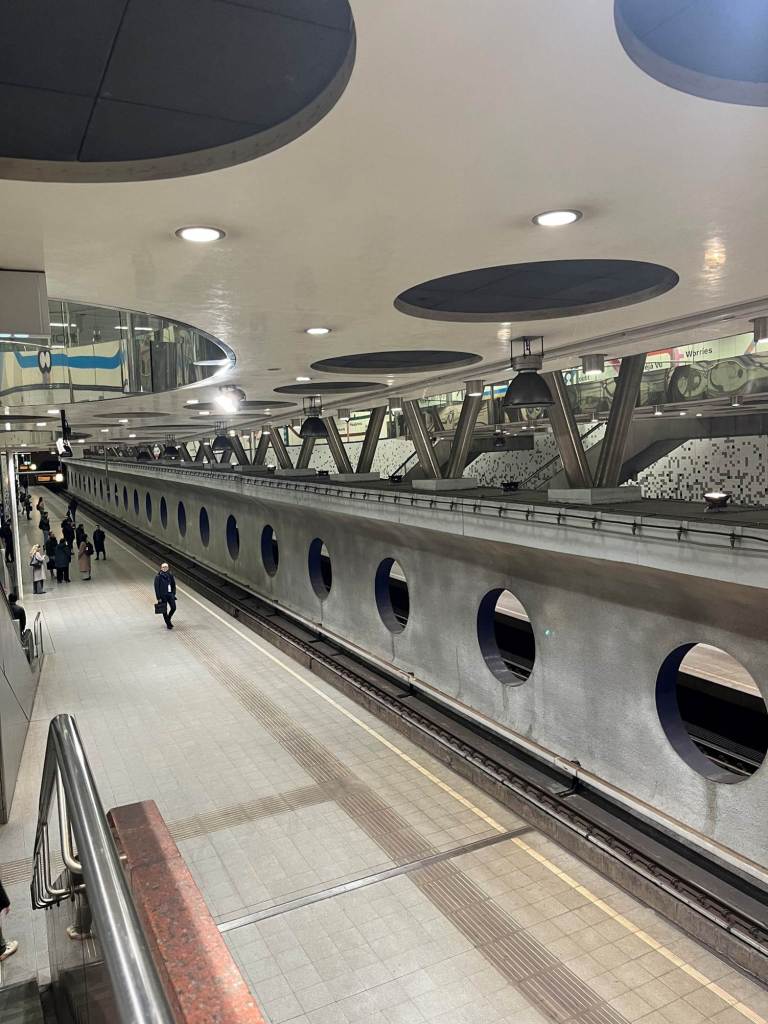
Not all systems are created equal. We’re spoilt with London’s travel infrastructure, mostly efficient, occasionally frustrating,
However, one additional stand out feature was an ability to touch in, touch out when using trains. Certainly between Rotterdam and Delft and Rotterdam and Utrecht. Not sure that’s, as yet, widespread in the UK.
Said system smoothly conveyed both to Katendrecht, a Rotterdam district on the south bank of the Nieuwe Maas. The city’s dockland area.
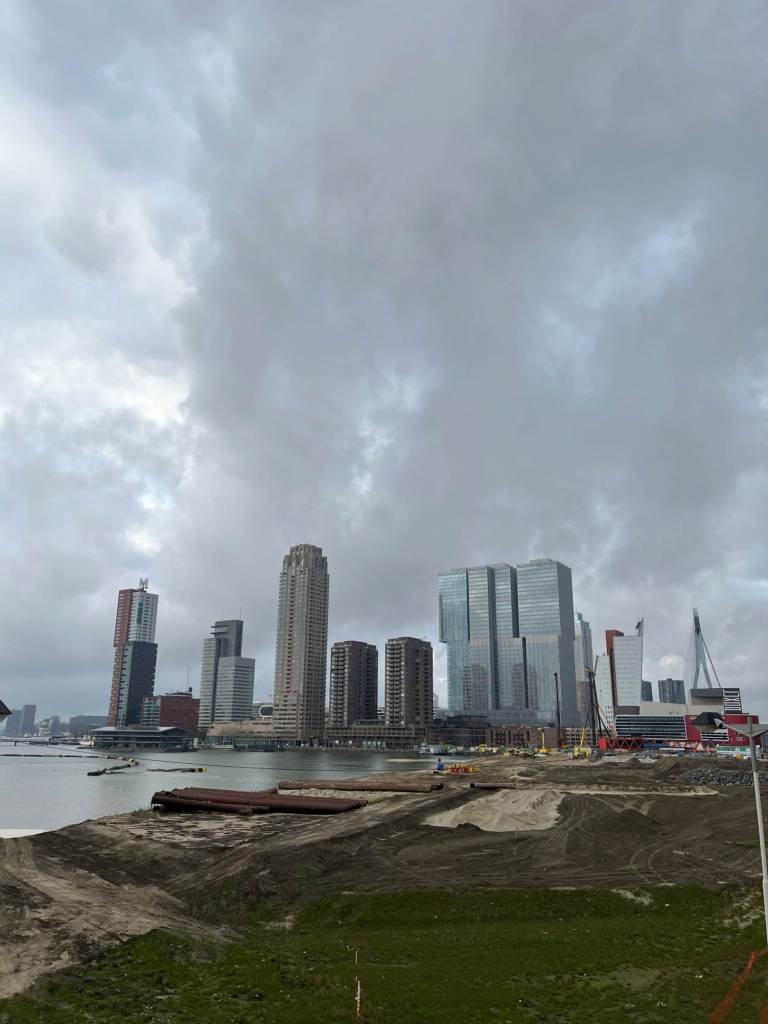
And home to the Fenix Food Factory.
It’s a fascinating neighbourhood. Modern residential and office blocks, construction and empty lots, warehouses. Interspersed with waterways. Scruffy around the edges.
Museums, eateries and bars hope to entice and create a thriving community. And appear to be succeeding. Some of the modern architecture is striking, however the warehouses are the highlight. One in particular was gorgeous. It’s reminiscent of London’s Canary Wharf with a sprinkling of Stratford and a pinch of St Pancras thrown in. It works.
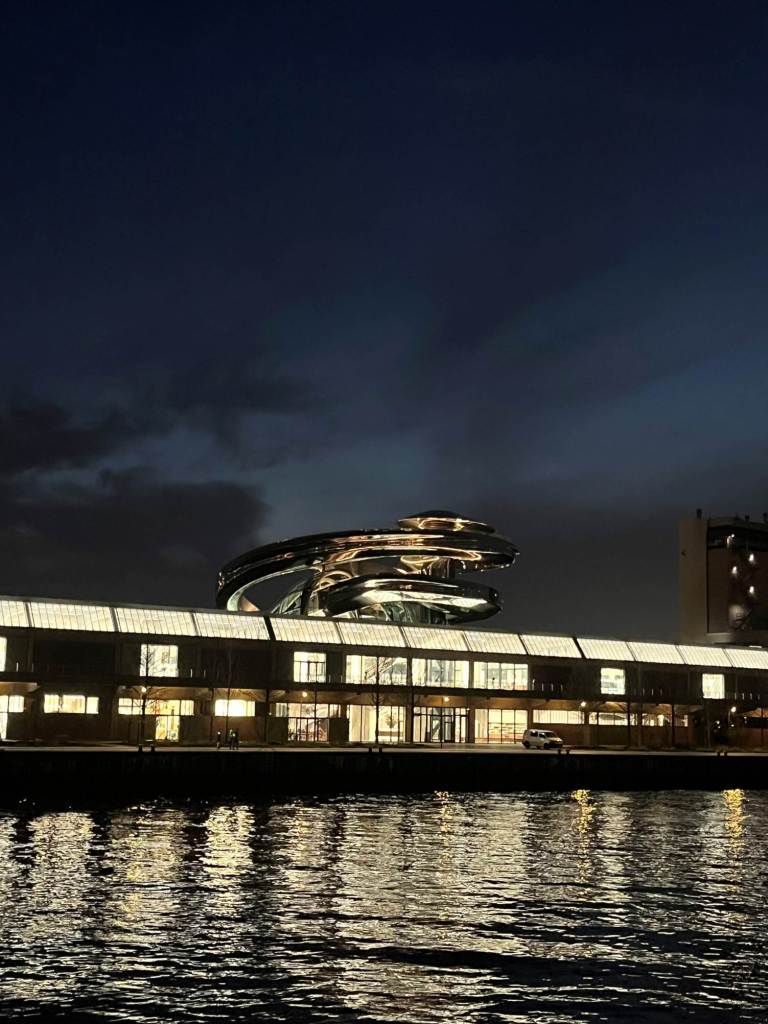
Fenix Food Factory lives in one of those warehouses. Brand Fenix perhaps feels a tad contrived encompassing warehouses, museums, public spaces and food halls. Utilising the old to appeal to the new.
Nevertheless, again it works.
We comprehensively failed to discover any mythical food hall. Nevertheless, we did discover Kaapse Brouwers. Think Dutch Brewdog. Decent fodder, ok brews, striking venue.
A large outdoor space, overlooking the water, provides tipplers with a choice of street vendor. The mythical food hall. In the warmer months. Not December.
Leaving the warmth of Kaapse Brouwers we traversed one of the many waterways into Wilhelminaplein, a bustling Rotterdam neighbourhood. Situated at the southern end of the handsome and iconic Erasmus Bridge – witnessed from our hotel – Wilhelminaplein predictably consists of warehouses and contemporary buildings.
And Rotterdam’s Cruise Ship Terminal. Which perhaps explains the more upscale and upmarket feel vibe.
We enjoyed both these developing districts. Much preferring reconstituted docklands to not so reconstituted Delfshaven. We were able to visit both, if you have time for only one make it Katendrecht.
Zwaanshalskwartier, Centraal, Other Bits
Tram 7, alighting at Noorderbrug, deposits sightseers to Zwaanshalskwartier. Swan neck in English. It’s not often something sounds better in English.
Noordplein, with the ominously named River Rotte gurgling along one flank, is the main square of the area. Once famed for vegetables, wood and beer, today boasting a farmer’s market the odd Saturday. Gentrification for you.
The area is renown for boutique this, boutique that. And indeed fine examples of the genre are dotted around. Sus purchased sunglasses and a warm hat from one such vintage store.
The area is culturally diverse which the high street – Noordmolenstraat – aptly demonstrates. It’s a welcome alternative to chain store massacre.
Coffee at Wolly, on one river corner of Noordplein. Busy with locals, would have eaten there ourselves if not too early.
Opted to meander our way back to Centraal. A 40 minute stroll. Handsome streets, shimmering canals, shiny people all make up these attractive north and north west Rotterdam neighbourhoods. Only an aversion to litter bins disappoint.
The middle section of our meander was somewhat less attractive. A nondescript neighbourhood apparently and predominately populated with schools and schoolchildren. A Montessori Lyceum and international school dominate.
A park and zoo abuts school central. Oddly apt. We hoped for an nature bathing amble through the park. Unfortunately, for us not necessarily the animals, the zoo was the park. €30 each. Politely declined.
Relief was the handsomely grand thoroughfare of Westersingel/Mauritsweg. Westersingel essentially is a 19th century canal built to improve sanitation. The stately canal side town houses and villas were constructed around the same time. And remains largely intact due to those WW2 bombers never popping by.
Mauritsweg is the neighbourhood. On leaving the street with 2 names (film in there somewhere) we continued to explore M‘hood. In striking contrast to Westersingel wacky, modern architecture transforms the skyline. Liked it.
Nearby, and our intended destination, was Witte de Withstraat. The street that has it all – art, food, clubbing,
It’s agreeable enough but appeared a tad tourist trappy. Eateries not to our liking, we searched (googled) the intrawebby and discovered the nearby Madam Saigon.
Yes it does remind one of a happy ending sauna but this Madam Saigon proved a delightful Thai restaurant. Not cheap – nothing in Rotterdam is – but deliciously large dishes. Recommended.
Utrecht
Arrived in Utrecht by 10.30 am. Surprised us too. We, by chance, picked a fast train. A smidgen beneath 40 minutes. Pick the slow train (nailed that on return) and looking at 3 days. An hour and a quarter.
The window vistas were neither urban nor countryside. In a state of somewhere in-between. Doing neither any favours.
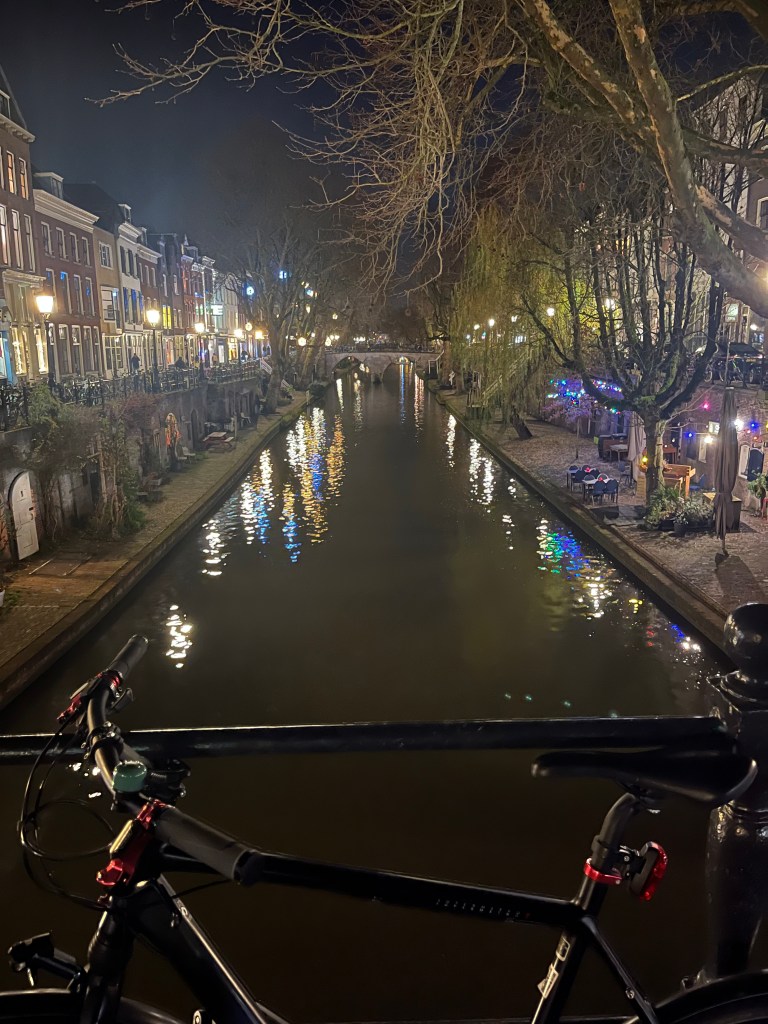
Happily, Utrecht is an improvement. A beautiful medieval centre (other centuries are available), the highlight the 14th century Domtoren Tower. And one of the lucky survivors from an stupendously destructive storm of August 1674.
St Martin’s gothic Cathedral, founded by an English monk, part of which survived the 1674 storm, is a close Domplein neighbour. A 500 year friendship. I’ve 40 plus year friendships. Puts human existence into context.
DOMunder experience guides tourists underneath the square. Roman and later ruins offer insights into past times. It’s approximately 75 minutes which includes a 25 minute introductory chat. And priced at €15pp perhaps only for Roman ruin fanatics. Reasonably interesting though suspect better ways to forgo €15.
Foddered, strolled pleasantly through the town bringing us to De Drie Dorstige Herten. For an ale or two. Obviously. Bijou, 17th century, table service only. No standing allowed.
Ten taps, numerous cans tempt tipplers. Felt local and perhaps throwback to previous times. Each beer was delivered with brief tasting notes from the barman. And possible owner. Give them some love and pop by.
Slow train back. Sus nodded off. Quick trip to a our new, bestest supermarket, Albert Heijn.
Returned to our hotel 11 hours after departing.
Utrecht is a beautiful and easily recommendable day trip. We spent perhaps 4 hours exploring ticking off the majority of major sites. To be honest, Utrecht is deserving of an overnight stay, perhaps a second if plans include beyond the old town.
Delft
Wasn’t originally in our thoughts. Both have previously visited. However, it’s only 10-12 minutes by train from Rotterdam so rude not too.
Delft train station warrants a mention. In complete contrast to the old town, a homage to modernity.
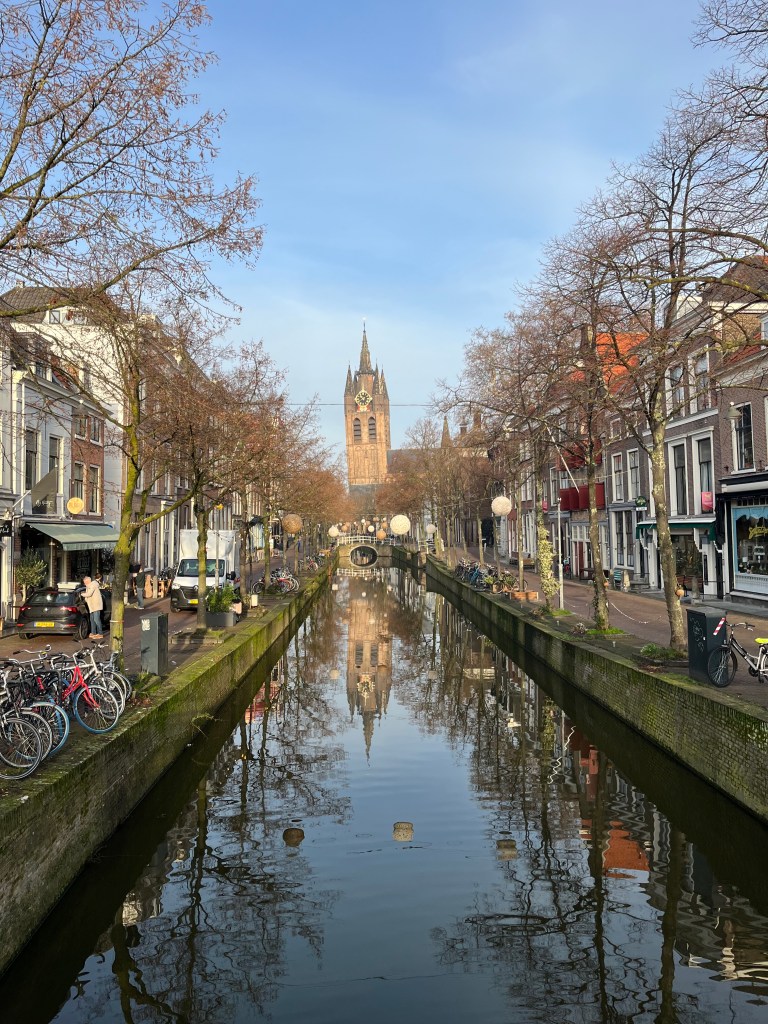
Delft, renowned for blue and white pottery (Delftware), is canal ringed and the both birthplace and once home of Vermeer. Oddly, his daubs are predominately to be found in the Rijksmuseum. In Amsterdam.
I know, I’ve been. Big Vermeer fan.
Canals again reign supreme, the Oude Delft Canal the most famous. Architecture encompasses the 12th century (Oude Kerk), 13th century (the then Nieuwe Kerk) and the Renaissance. It’s an easy town to love. And happily meander.
We’d discovered Het Klooster, serendipitously obviously, shortly after our arrival. And returned several exploring hours later.
Thirty taps, predominantly local with Brewdog, Guinness (London Black is much better) and other guests making an appearance.
Charming indoors, with tippling pews upstairs and downstairs. Worth an ale or two.
Return to Rotterdam, return to Markthal. Suspected, on our first run through, this might be street food by numbers. We were right. Neither meals was especially inspiring and none of the other stalls appeared especially appealing.
Windmills and a town called Kinderdijk
Our final day. A morning sauna (we turned it on) and a quick steam. Packed, left luggage with hotel and departed on our final excursion – Kinderdijk.
Another UNESCO World Heritage Site.
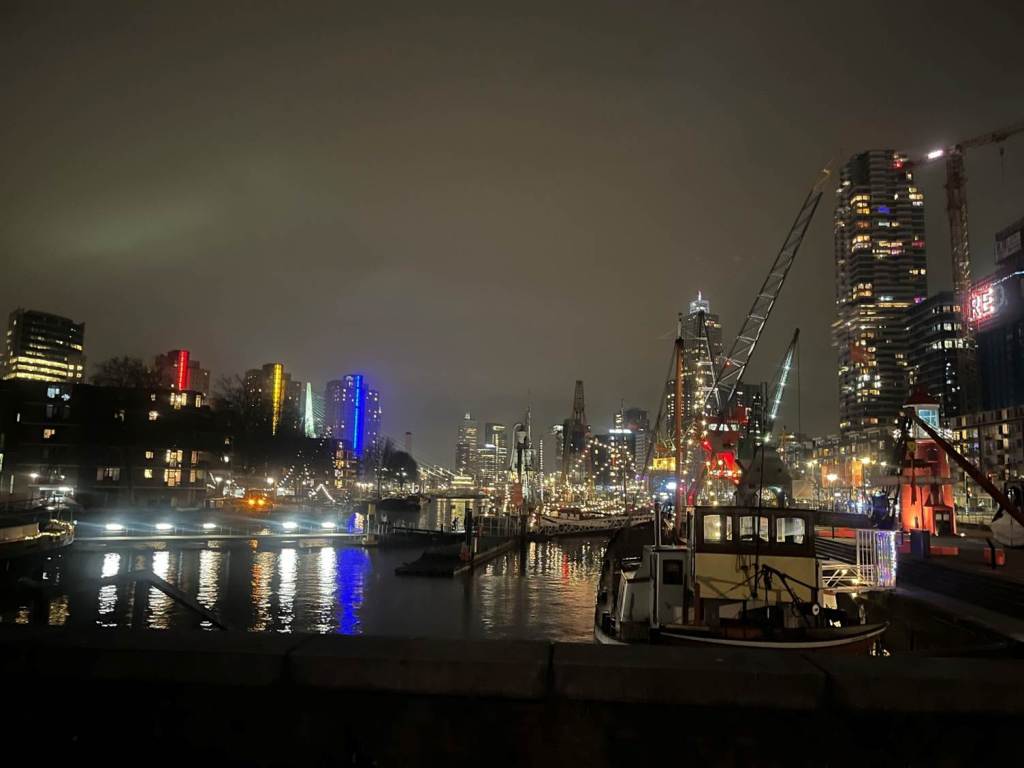
Train and tram will land one in the town of Kinderdijk. It’s tad convoluted. And, depending on where you’re departing, slow. Our hotel was based in convenient Leuvehaven, the historic harbour of Rotterdam. Canals, much sought after and beautifully restored Dutch barges, old cranes all contribute to a fascinating district. The area also houses the Maritime Museum.
Obviously, being a harbour, it was a prime target for the German Luftwaffe. And destroyed. Today it’s not so destroyed.
However, even from Leuvehaven, we’d need over an hour to visit Kinderdijk. Not great for last day anxiety.
Alternatively purchase, for a most reasonable €20 outlay, an all-inclusive Kinderdijk ticket. Included is a high speed return water bus (30 minutes), entrance into 2 windmills and old steam pumping station plus others treats I can’t be arsed to mention. Bargain.
Water management of the Alblasserwaard, in the form of dykes and canals, instigated by the foresighted Graaf Floris V, actually began in the 12 century.
The Het Grote drainage canal was the first to be extended to Kinderdijk. A second drainage canal, Het Nieuwe Waterschap, was also extended to Kinderdijk. Predictably, both canals had their own water authorities. Predictably, they argued.
The windmills we see today were constructed in the first half of the 18th century to pump water from the Alblasserwaard and into storage reservoirs. No longer in use, a modern electrical, and infinitely more efficient pump, has made them long since redundant.
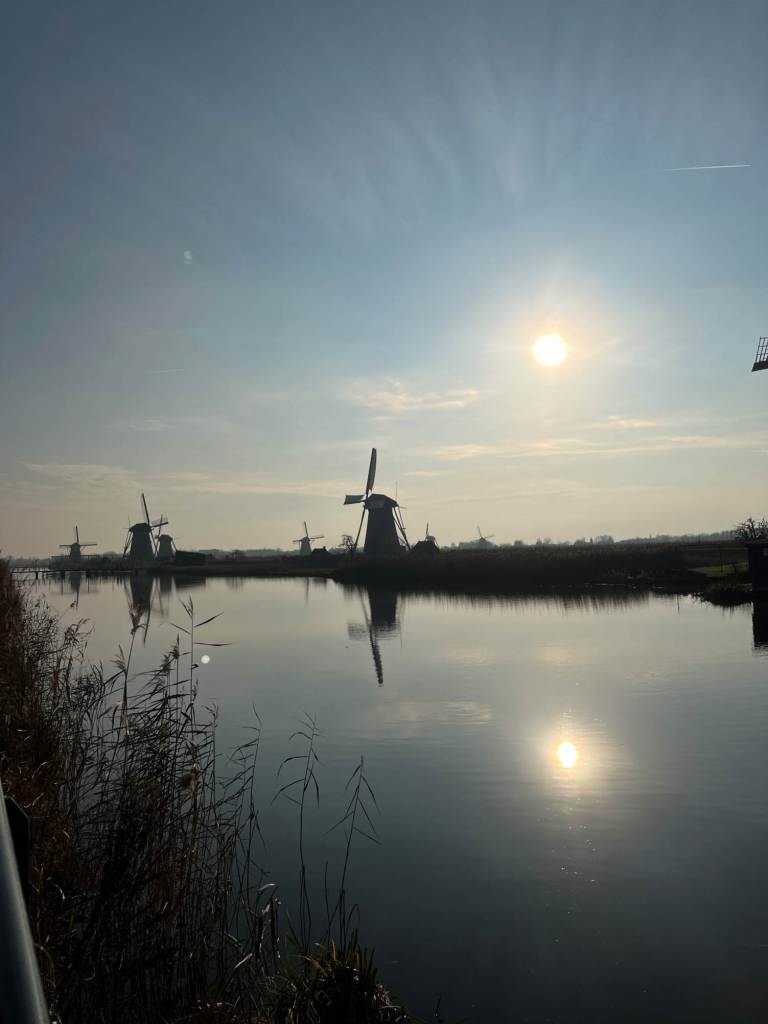
We spent maybe 2.5 hours strolling through reeds, windmills and popping in and out of attractions. The flat landscape bestows a fitting backdrop.
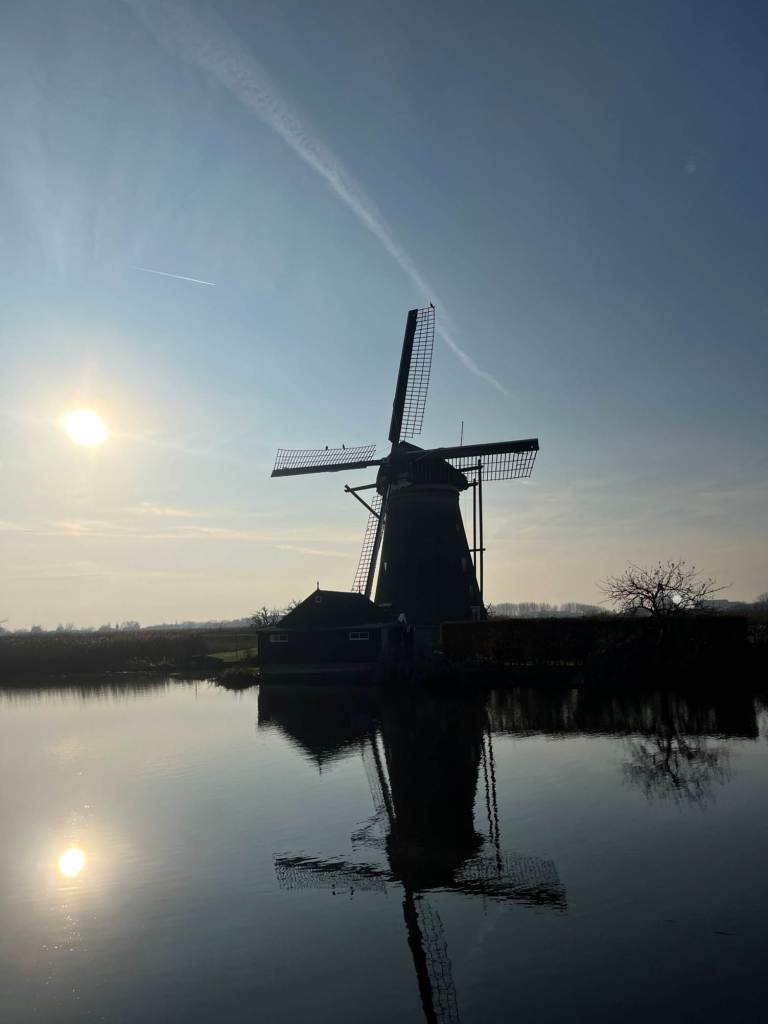
A small passenger boat (included, obviously), shadows the pathway, transporting those preferring water to walking. We walked. Partly, though not entirely, because we missed the passenger boat.
Beware, the return water bus sails to the city on the three quarter hour, every hour. And, the last one was early evening.
Kinderdijk was a genuine surprise. Enjoyable, instructive and striking. A fascinating time capsule into another time. Undoubtably merits a half day.
Back to our hotel ‘hood and a top notch curry (Atithi). Collected bags and headed home. Eurostar and Picadilly Line both on best behaviour and arrived chez us a little before midnight.
Final Thoughts
Rotterdam is not an especially pretty city. Blame the German WW2 Luftwaffe. Modern architecture dominates, and in the main, succeeds. Canals, and the wildlife they accommodate, are particularly welcome.
Being a port it’s thankfully culturally diverse, unlike Seville. Seville’s lack of diversity was actually a bit of a shock, particularly living in London.
And as with any large city, food, drink, shopping and entertainment options are endless. Green spaces are plentiful and the transport system efficient.
Both Delft and Utrecht merit day trips. Neither are arduous or especially expensive to reach. Sus preferred Delft, Utrecht edged it for me. Hope that helps.
Rotterdam, Delft and Utrecht are cycling towns. Cycle lanes are alongside major roads and become quickly populated during peak times. These ubiquitous cycle lanes, and the cities being relatively flat, undoubtably aid the cycle. And most appeared to be non-electric.
Forget and you may find a bike parked where the sun don’t shine.
London is a long, long way behind.
Would we choose to live in Rotterdam? Probably not. We both preferred the not too dissimilar Hamburg. Nevertheless, if you were to get deposited there, it certainly wouldn’t be a burden.
Many thanks for reading and wishing all a wonderful 2026 (Tony, December 2025)
 Tony's Travel Blog