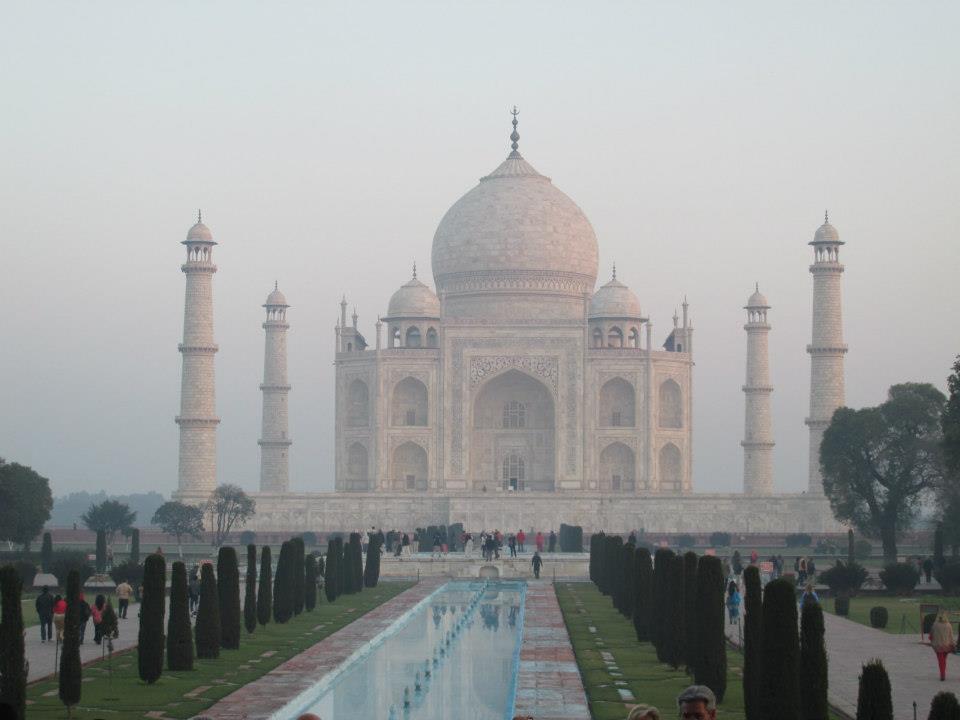
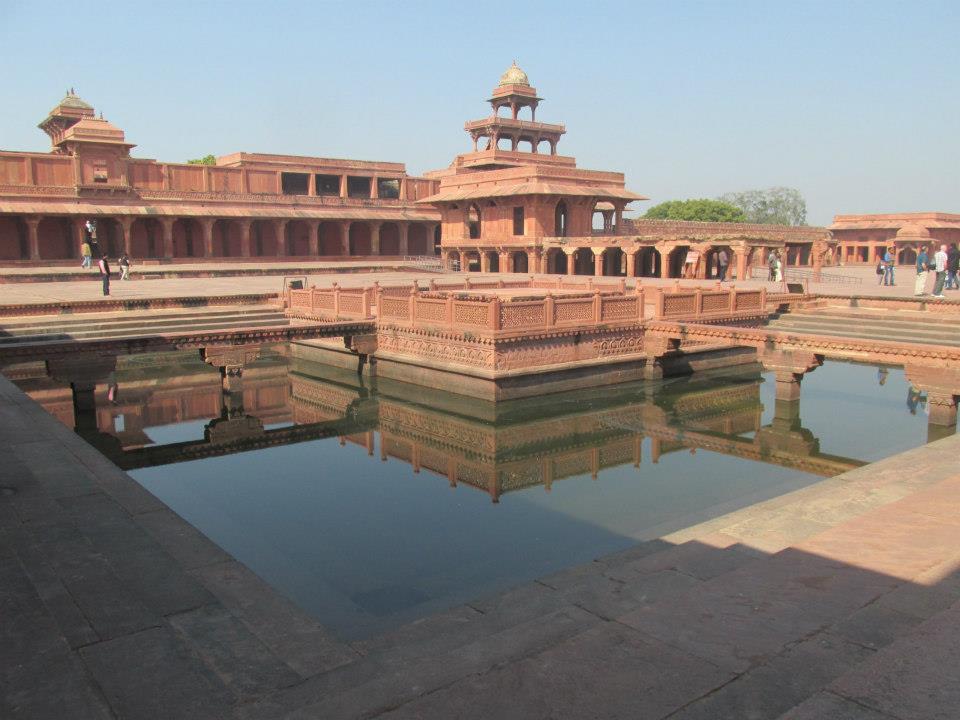
ITALY (again)

Rome

Initially we’d planned to fly directly from Amman to Rome. Instead we flew back to London, had a day washing clothes and drinking decent beer, before heading to Rome the following morning. It proved both simpler and cheaper.

Our flight was stupid o’clock in the morning and before public transport was alive – happily the taxi to Heathrow and the flight to Rome were uneventful. We danced through customs and, with Sus armed with a coffee, caught the train into Rome. There was a change which we handled magnificently. Until, as we emerged from a tunnel, I pointed out there appeared to be a lot of green bits and not a lot of concrete bits. Rome, it seemed, had moved. We were going the wrong way.

For a stomach falling/cold sweat inducing few minutes we feared the train might be headed to the coast before stopping. A coast is always welcome though a tad inconvenient with our hotel to be found in Rome. Mercifully stop it did and we were able to arrive in Rome with pride just about intact. That little detour had taken us 2 hours.

It was raining in Rome. We trudged through our latest ‘hood finding it attractive if a tad damp. Our self catering apartment was on the third floor of a charming 19th century building. The street door was open, the door to the apartments of which one was ours, was not. We rang the doorbell until an Irish lad staying in one of the other apartments kindly let us in. And told us where the keys were. We were missing a text explaining the process. The apartment was lovely, as was our apologetic custodian.

It was still raining, we were hungry. Be.Re. sold craft beer and Trapizzino – a fusion of pizza, pie and tapas. Sounds awful, tastes delicious. We sat outside (undercover), drinking craft beer, scoffing Trapizzinos and watching Rome wander past. Perfect.

The rain had stopped and, somewhat reluctantly, we got of our mildly sozzled backsides to explore. We wandered into St Peter’s Square with the looming Vatican and amusingly dressed Swiss Guards. By the river was the imposing Castel Sant’Angelo. Built originally to house Hadrian’s Tomb Castel Sant’Angelo was later converted into a fortress, a papal residence, a prison and an execution ground. We didn’t go in, we will next time.

I love motors and motorbikes. To my absolute delight a procession of perhaps 50-60 mostly vintage Ferraris chuntered past. I slobbered embarrassingly, sus admired serenely.

Then the rain started up. And then became heavier. And then became torrential. We bravely waited it out under a shop awning. Walking back, we discovered a high street a few minutes walk from our digs. Excitingly there was also a small supermarket – we popped in and bought some goodies.

We’d enjoyed that first half day in Rome. It got better.

We ate breakfast at a local bakery and, getting down with the locals, stood up. Departing our neighbourhood we zig zagged, partly by Sus’s internal satnav and partly by the less organic Google Maps, towards the river Tiber. We meandered past the striking though not old Supreme Court, strolled across the Tiber and wandered into the rather grand Piazza Navona. Built on a Roman Stadium the piazza now boasts Baroque and Renaissance architecture still maintaining the original Stadium’s contours. Fountains, churches and tourist multitudes feature. It’s quite beautiful. Even some of the tourists.

Another stroll found us in front of the gorgeous and stunningly preserved Roman Pantheon. It’s free to enter, we did and it’s fab.

Next a giant obelisk (easy tiger) – the Column of Marcus Aurelius. The Romans, it transpires, had a bit of a thing for obelisks – there are several scattered randomly across the city presumably leaving many an empty hole in Egypt.

We kept walking arriving at the tourist teeming Trevi Fountain. Sus threw in a coin and made a wish, I didn’t preferring the relative solitude of a few feet away. Onto and up the Spanish Steps, taking a few moments to admire the view.

The Vittoriano is a colossal mountain of white marble that towers over Piazza Venezia. Constructed in the early 20th century it now houses the Tomb of the Unknown Soldier. It’s a tad ostentatious with as many locals hating it as loving it. Detractors will point out this marble monstrosity overshadows the Forum. We both quite liked it.

The following hour or so was spent wandering, at street level, around the utterly magnificent afore mentioned Forum. We walked under the Arch of Constantinople, around the Coliseum and through the ancient theatre. Spellbinding. Genuinely spellbinding.

A random zig and a random zag, through several attractive neighbourhoods, conveyed both back to our hotel. Freshened up, and after a couple of cheeky halves at Beer Time, we went in search of sustenance, specifically an Osteria we’d previously spotted within easy reach of the hotel. Unfortunately we’d misplaced it.

Happily, we soon discovered another Osteria – Ragno D’Oro (http://www.ragnodoro.org/). Ragno D’Oro was very busy primarily, or so it appeared at first (and second) glance, with Americans. This is a sure sign that 5 people had rated it 5 stars on Trip Advisor – not always a reliable indication of quality. Thankfully the food, house wine and service were all splendid.

It had been a long, long day. I don’t remember many, whilst travelling, we’ve enjoyed more.

Naples

Following a breakfast of bananas and cake (a generous doggy bag from Ragno D’Oro) we headed to the train station and Naples. The journey was a tad over 2 hours. And yes we did go the right way. It’s considerably more expensive taking the quicker train (1 hour 20 minutes). Your credit card will squeal in pain.

Naples does not have the greatest reputation and initial impressions certainly did nothing to dispel this. From the ultra-modern, nearly finished, train station we walked through an edgy, graffiti covered and trash filled neighbourhood. Our hotel, on the border, was friendly and clean. The maintenance chap warned us to be vigilant. Marvellous.

The old city (Spaccanapoli being the main drag) comes with steep, narrow and crowded streets, shops seemingly intent on selling tourist trap crap and restaurants specialising in fast food. However, the old city happens to be a UNESCO World heritage site boasting wonderful 16th, 17th and 18th century architecture. It might be tourist teeming, graffiti garnished and trash trashed but it does exude a certain exuberance and charm.

We probably spent a couple of hours exploring the old town finding a cathedral, a steep street crammed with shops selling exactly the same awfulness and, in the name of balance, a lovely little place selling organic gelato. We briefly wandered into, via one of the original town gates, the new town. Which was still old.

The clumsily titled Oak Wine and Craft Beer, Oak to its chums (https://oaknapoli.com/), was located on a side road just inside the old town. And presumably still is. It was a friendly spot; we popped in a couple of times and sat outside watching a tiny slice of Naples slither past. Italy has a burgeoning craft beer scene (as so many countries do) so it’s not difficult to drink the local brews. However, there were a surprising number of well known British craft brewers represented in the beer havens we visited.

Back at the hotel our en-suite poo palace wasn’t working properly and never was to. The owner, showing no great desire to fix our rogue loo, offered the somewhat public toilet in the breakfast room. Both our digestive systems immediately seized up. Though not ideal, there was a bathroom just outside our room, which became our haven for all matters digestive.

Surprisingly the shower was excellent. As was the breakfast. And on leaving the owner, to compensate, paid our city tax. Fair enough.

Pompeii

The following morning we caught a packed train to Pompeii, our chief reason for visiting Naples. Excited travelers can pay at the actual site entrance or use the ticket kiosk in Pompeii station. We chose the latter, and for 2 extra Euros each, we were able to avoid the queue at the entrance. A very, very splendid thing as the queue was massive. In peak season the queue doubtless starts in Rome.

Cobbled streets are beautiful, incredibly hard waring and a right pain to walk down. Evidently our Roman chums had yet to buy into the concept of accessibility. We lurched down the main cobbled drag peering into dwellings akin to peering into peoples’ houses when lights have been left on and curtains left open. And hoping no-one peers back. That would have been particularly disturbing in Pompeii. At the time of its lava bath Pompeii was a thriving, bustling and economically wealthy town. In the quieter streets, you’re still left with an impression of Pompeii and its people 2,000 years ago.

As one nears the coliseum tourists are able to intrude into, and not just gape into, one particular dwelling. Do so. The luxury would not look out of place today.

The coliseum, for such a relatively small town, is designed to impress. And so it does. There is a small museum/large display close by that houses some beautiful painted plasters rescued from the main sight. Our usual zig zagging guided us (kind of) through the town proper. And into the imposingly large main square with its 2 substantial temples to Apollo, columns and preserved bodies. The latter a haunting spectacle even with the crowds.

Initially, we were a tad underwhelmed by Pompeii. The blame lies firmly with Rome and Jordan. It’s only now, a month since our return, I’ve realised and understood what an incredible place Pompeii is – was.

Once safely back ensconced in Naples we headed to Chiaia. Toledo names both the nearest metro station and the principal, pedestrianised shopping thoroughfare. This affluent seaside neighbourhood is made up of rather grand 16th and 17th century architecture – highlights include the gorgeous Galleria Umberto and imposing government edifices. Chiaia is home to upmarket stores and boutiques, a large park where one can watch the cruise ships struggle to avoid each other and posh restaurants and bars. It was a genuine surprise and in utter contrast to the old town. Never fret, the real Naples was never far away.

A little behind this conspicuous consumption is the Quartieri Spagnoli neighbourhood often called the real Naples. Created in the 16th century to house the Spanish Garrison, Quartieri Spagnoli is a blend of narrow, sometimes steep streets and, though visited by many a tourist, very much residential with numerous local restaurants, bars and stores – not dissimilar to the old town but cleaner with a greater local, almost community, feel. Some reviews tell wide eyed tourists not to go. It’s nasty, unsafe and not worth the effort. Bollocks. Give Quartieri Spagnoli a whirl, be vigilant as you would be in any other city, and you’ll be pleasantly surprised.

Despite its name, and located on the water, is the striking Castel Nuovo. Originally constructed in the 13th century, enhanced in the 15th century and tinkered with throughout its long life, the Castel Nuovo truly is a magnificent beast. The castle is still in gainful employment to this day hosting cultural events and housing the Municipal Museum. Unfortunately time and hunger had both overtaken us and we were not able to fully explore.

The Osteria Carmena (http://www.osteriadacarmela.it/) was our chosen foddering hole that evening. The proprietor kindly squeezed us in, those arriving minutes later weren’t so lucky. We felt special. The food and wine were both excellent.

A 45 minute walk returned both to our hotel and non-functioning toilet. Bed seemed to be the best option. Naples is not Rome. Or Venice. Or Florence. Naples is very much Naples standing a little apart from these uber tourist cities. It is dirty, perhaps a little menacing and undoubtedly edgy. Please ignore the doomsayers, get off your cruise ship and give this fascinating place a twirl. You won’t be disappointed. We certainly weren’t.  

After another lovely breakfast and equally lovely shower we headed back to Rome arriving early afternoon. We’d wanted to stay in those same self catering apartments but, a tad unsporting, all were booked. We checked into (just) our latest home in the upmarket Flaminio neighbourhood close to the Piazza Del Popolo before, once again, meandering meanderings.

We spent a happy hour discovering Villa Borghese Gardens – the Villa Borghese Gardens are now an expansive park – before continuing our Rome explorations including our lovely latest ‘hood. Literally around the corner from our hotel was, yep, yet another beer place. Sus was only mildly suspicious. Art Beer was a bottle shop (no taps), cosy with a fantastic range of splendid beery loveliness. Relaxing in foreign climes, imbibing beer, watching the world go by knowing it was less 5 minutes back to our hotel, made me very happy. Cue smug selfie. Our only gripe – the bartender appeared more interested in the, albeit attractive, young lady in the crèche opposite.

Once freshened up we strolled perhaps 3 doors down from the apartment to our restaurant of choice. The food was again excellent, Sus’s favourite though my choice was still Ragnor D’Oro. The wine was perhaps the best we sipped. The restaurant was again full of Americans – being European (just, at time of writing) one might accuse Americans, unfairly (Jazz, Blues anyone?), of a lack of culture. Whatever you might believe the buggers certainly know where the best grub is.

We slept into 9am the next morning. We’d forgotten check out was 10am. It all ended happily and, because our flight home wasn’t until late, we spent several hours wandering wanderlessly. Highlights included discovering the remains of 4 stunning temples (Largo di Torre Argentina) handily placed for all to see in the middle of a large road junction; the stupidly ornate 17th century Palazzo Muti Papazzurri; the beautiful Basilica di Santa Maria in Trastevere; the non-working Fontana dell’Acqua Paola compensated by fabulous views back over Rome.

Sus, who had by now become a little obsessed with obelisks, ushered us to the dramatic Circo Massimo to admire the oldest one of its kind in town. Alas, Sus had only read half the article she’d unearthed on Google. The second half of said article helpfully pointed out this particular obelisk had been relocated.

Regretfully the airport and flight beckoned. We popped back to the apartment, stretched, weed and picked up our bags. We were back in our West London flat before 11pm.

Italy happens to be blessed with an annoying number of beautiful cities. Rome is without doubt, our favourite. It’s both a working city and beautiful city something none of the others combine as well or at all.

We loved the place. Paris or Rome? Rome without hesitation.

WALES

Cardiff

Sus, though generally London based, is offered work throughout the country. Bridgend was the lucky recipient this time. A short hop from Bridgend is Cardiff and this seemed an opportune time to explore the Welsh capital city. I tagged along for a long weekend. And rather glad I did.

Cardiff is a sensible hour and 45 minutes from London by train. Though, because of a carelessly flooded tunnel, a detour was necessary adding another 20 minutes or so onto our journey.  

Cardiff has a population of around 335,000 with, or so it initially seemed, nearly as many pubs. Weatherspoon’s is perhaps the second sight a tourist sees on leaving the train station. As you walk onto the thoughtfully pedestrianised Queen Street (Cardiff’s main thoroughfare) several other large establishments are lined up for your consideration – O’Neill’s, All Bar One and others of similar awfulness. All were packed, a couple remarkably had queues. This was a little before 3pm on a Friday afternoon.

At this juncture you may be thinking of abandoning both myself and Cardiff. Please don’t. My scribblings might not, but Cardiff certainly deserves a little more of the reader’s good will.

Once a bewildered tourist escapes the parade of pubs Cardiff city centre thankfully improves. Attractive Victorian and Edwardian architecture vie with the ultra-modern Principality Stadium, the River Taff and of course that imposing castle. There were food stalls, Christmas stalls and large indoor shopping centres.  We strolled past and through many of these delights on a 20 minute yomp from the train station to our self-catering apartment.

It was late afternoon, getting dark and desperately trying to rain. We bravely decided on a stroll to the regenerated Cardiff Bay. The strolling took 25 minutes, with a beautiful old wall on our immediate left and a mildly sketchy low rise estate to our right, making it a tad more exciting than it needed to be.

Nevertheless, Cardiff Bay was a very pleasant place to be. There’s a beautiful Victorian church, the magnificent Welsh Assembly building and numerous generic restaurants and bars. With added view. May I also recommend the Makers Guild Wales which, housed in an attractive modern building, is a retail outlet for quality Welsh made, unique craft products.

It started to rain. We headed back. Feeling adventurous we chose another route taking us through an area of regeneration. Considerably more agreeable. And quicker. Which was weird as the distances were the same.

One of the highlights of Cardiff city centre are several beautiful Victorian arcades housing mainly independent shops, bars and restaurants. These Victorian delights should be explored at your leisure perhaps stopping for a drinkie, a bite to eat or a little light consumerism.

We had a takeout curry. In our defence we both were feeling a tad delicate from the previous night’s tippling. Sus drank conspicuous amounts of wine with colleagues, I caught up with a mate who seemed intent on trying at least half the beers available. Mother Kelly’s has 30 taps.

We had an early night.

My youngest brother lives in Herefordshire with 2 kids, 2 dogs but just the one wife. Probably wise. Al, obsessed by mountain biking, spends a surprising amount of time falling from various 2 wheeled contraptions in Wales – the border is a short drive from his house. We met up with Al and Carol (the one wife) spending a very pleasant couple of hours ambling in Abergavenny.

Abergavenny is an attractive market town surrounded by lush countryside. A visitor will discover cosy cafes, interesting pubs and a large partly covered market. The market had some genuinely quality products and produce – we bought wrought iron candle holders, which if purchased in London, would necessitate flogging the car; and ridiculously cheap homemade chocolates that would embarrass any chocolate(s) found in your local supermarket. Like Monmouth Abergavenny is one of the prettier Welsh towns. And like Monmouth I would encourage you to visit.

After saying our goodbyes we headed back to Cardiff and our hotel. I scoffed reheated curry, Sus destroyed (with my help) a splendid ciabatta – from Abergavenny market. Obvs. Then out on the lash. When in Cardiff….

A quick snifter in the splendid Tiny Rebel tap room, an excellent Welsh craft brewer, was followed by a couple more snifters in the seriously sedate Hopbunker. After a total of 3 pints (between us) we headed back. Told you, out on the lash.

Sunday morning was cold and wet. We drank an excellent coffee in one of the numerous arcade cafes before spending an hour vainly searching for a place to leave our bags for a couple of hours. Our self catering apartment catered not for left luggage. Finally the lovely people at the tourist information were able to oblige.

If one examines the castle walls from outside a red brick line should be apparent roughly one third of the way up from the base. Anything below this line was constructed by those much travelled Romans; anything above that same line is courtesy of those helpful Victorians.

The Victorians were well known for renovating ancient monuments in their own image. Well built they might be, sympathetic they were not. Some, perhaps even many, historians now believe these renovations more destructive than constructive. This is not new. In the 17th century Capability brown landscaped Cardiff Castle grounds destroying a number of ancient buildings. Many at the time thought this vandalism.

Sunday morning was still cold and wet. Heroically we decided to explore castle and its grounds. Visitors will discover remains from the site’s Roman past, a well preserved Norman keep, a World War Two air raid shelter and a small museum dedicated to the Welsh Guards. The manor house is a Gothic Revival edifice much favoured by Victorian architects. Some might consider it a tad gaudy, others an 18th century masterpiece. Pay the entrance fee and decide for yourself. Then let me know. I’m yet to decide.

We returned to the Tiny Rebel tap room for a cheeky half and bite to eat. The latter was a deceptively large plate of chips with cheese and gravy. I opted for the Christmas special which included, for the health conscious, pigs in blankets and stuffing. It’s still journeying through my digestive system 3 weeks later.

The trains were having a bit of an off day, this being a Sunday and all. At least half decided not to bother. Wrong kind of drizzle presumably. However, and rather fortuitously, I was able to catch an earlier train back to London. Sus was to spend the following week on an industrial estate in Bridgend. Lucky girl.

Cardiff is difficult to define – a little of the northern English town, a sprinkling of a wealthy southern city and a dash of the modern capital city. It’s friendly, surprisingly cosmopolitan and agreeable. If you do happen to materialise in South Wales Cardiff merits a visit. With a side trip to Abergavenny.  

JORDAN

JORDAN. BACK TO ITALY

Back in the distant 2013 we took a year off to travel (When we were in….). Whilst in India we met a couple strangely similar to ourselves. Spooky. We became firm friends and arranged to meet up again in SE Asia. A happy happening over a beer or several. Rich and El were also travelling for that same year (told you, spooky) but unlike us were doing it in three sections – popping back to Blighty every 3 months.

Six years later we were to do the same over a less ambitious 2 week period in September.

JORDAN

Amman

Our flight arrived at the less than convenient time of midnight. Public transport was somewhat absent. On the plus side Sus, in her infinite wisdom, had sorted an airport transport to our hotel. Not cheap but we’re totally worth it. Considerably more research than my meagre efforts meant Sus had pre-purchased the Jordan Pass which includes the £40 visa. Because of this foresight we sailed through passport control. More of that infinite wisdom thing.

We’d brought along an old iPhone and, with the help of our taxi driver, sorted out a sim card with data. This was our first purchase (£20) in Jordan and arguably the best value. As you will see.

The taxi ride to the hotel took about 30 minutes and, though we couldn’t see much, was straightforward. As you may remember I drink copious amounts of water and asked the taxi driver to suggest where might buy some of this magical liquid. Within a few minutes of leaving the airport he pulled in to a roadside shop (very India) buying several bottles and handing them to us. He wouldn’t accept any payment. He did accept a tip.

The hotel was basic but decent, the staff lovely. Our balcony overlooked the blue domed and imposing King Abdullah I Mosque built as recently as the eighties.

One peculiarity, which we’d come across in SE Asia, allowed no toilet paper in the toilet. There was a bin (thankfully lidded) once one’s nether regions had been cleansed. Jordanian sewage systems are not as robust as peoples’ digestive systems. Lovely.

An excellent (mainly) Jordanian breakfast was included along with views across Amman. Worst ways to start what became a very, very long day.

A 40 minute downhill walk (we paid later), mostly via a busy shopping street and the odd Amman neighbourhood, took us to the Citadel. And our first proper use of the Jordan Pass. The Citadel proved to be considerably larger than we first thought. And hotter. There’s Muslim, Byzantine and Roman ruins some dating back a mad 4,500 years. We meandered purposely (I know) for a good couple of hours finishing at those iconic Roman columns. Sus used her beloved selfie stick to take the money shot (her words). It was the last we saw of that selfie stick lost shortly afterwards. Sus was inconsolable.  A small Archaeology Museum is worth a peek as are the surprisingly grand views across Amman. 

Our second Jordan Pass treat was the magnificent 2nd century, 6,000 seat Roman Theatre. And this beast, though partly restored, is still in use today. Take heed town planners.

That modern affliction, fear of missing out, encouraged us to climb to the top. The gradient, added to the uneven steps (you’d be a little worn after 1,800 years), meant coming down was genuinely scary. There are also 2 small museums at the base of the stairs. We only went into the one which had a beautiful collection of traditional clothing, jewellery and equally beautiful mosaics (a particular fave of mine). Take the time to have a look.  

It was late afternoon and we were starving. And hot. So we decided to walk another half hour (uphill obviously), through a thriving market, to Rainbow Street. We’d actually followed a couple for much of the way trying to pretend we weren’t following them. We decided to choose a different restaurant. Happily Rainbow Street boasts numerous restaurants and bars. The whole neighbourhood is most agreeable with tourists and locals alike choosing to eat here. We like to be on-trend.

Sus spotted a restaurant that was advertising grandmother’s cooking. Normally we might ignore such an obvious ploy but hunger made a snap decision. We sat outside, ordered 4 vegetarian sharing dishes, pita bread (which comes with everything in Jordan) and 2 fresh fruit juices – a measly £15 worth. The food was some of the best we were to eat in Jordan. And grandma really was there.

Now fully foddered another walk was needed. Half an hour largely uphill (what is wrong with building towns on a flood plain?) we arrived back at our hotel for a little air conditioned loveliness.

Shopping and shopping malls are not normally our glass of fruit juice. However, when they happen to be in a foreign country, they can be a curiosity. This particular specimen was 15 minutes from the hotel past some government buildings guarded by army types carrying large guns. The mall was part of a regeneration area with new apartment blocks and office space.

There was a sprinkling of local stores but most were western chains and fast food outlets recognisable across the world. It could easily be that shopping Mall near to you. There was also a large cinema. Many of the locals were dressed up – it was definitely a place to see and be seen. As I said, we like to be on-trend. However my highlight was a large supermarket. I love supermarkets. Not as much as I love the wife. Obvs. We rather enjoyed our hour there.

We learnt 4 things on our first full day in Amman – the Jordan Pass is a must; a local sim card is a splendid thing to have; Jordanians are a rather friendly bunch; and have a penchant for hybrid cars.

Finally back to…….zzzzzzzzzzzzz.

The breakfast and view were just as enjoyable as the previous morning. The traffic was not. We were catching a taxi (hybrid) back to the airport, leaving Amman not by plane but by car. Rental car.

There are some who believe Amman is not worth a look. I would disagree. It’s more Croydon than Rome though grants travellers an insight into a large, modern Middle East city. There are ancient sites to see and some likable neighbourhoods. A one night stay should do it.

Jerash and Dead Sea (briefly)

The chap at Sixt was delightful, so delightful in fact that he gave us an upgrade. To a larger (not necessarily a good thing) Chevrolet than presumably the very little one we’d booked. The Chevy (to his friends) Aveo was not a car you would ever buy but it proved to be well-mannered companion over the next few days. The air-con was particularly good.

Two hours in our new chum, including an unexpected and unwanted detour into Amman, took us to Jerash. A flash of the Jordan Pass and we were in. The site encompasses the ruins of the Greco-Roman city of Gerasa though evidence of occupation dates back as far as the Neolithic period or an unconceivable 7500-5500 BC.  The evidence includes skulls of 2 unfortunate (and very old) individuals.

We meandered purposely (again) for a couple of hours taking in temples, a paved street, columns galore, 2 theatres and even the ruins of a hippodrome where blinged up, boy racer chariots competed. Guidebooks and similar can better describe the sites and history of Jerash. Suffice to say it is utterly beguiling. Go.

After another hour and 45 minutes in the motor we arrived at our Dead Sea resort – basically a luxury hotel complex built in the late nineties for a boom in all inclusive beach holidays. We did wonder if much of its custom arrives in coaches disgorging tour groups with both vanishing in a cloud of exhaust fumes a couple of nights later. We were staying only the one. Though would be back.

We jumped in front of an afore mentioned coach party, checked in and headed to the beach. There was a sign, as one strolled to the beach, telling eager guests they had arrived at the perimeter of hotel property. That same eager guest still had 100 metres walk, over undistinguished ground, to the sea. Fifteen years ago this undistinguished ground had been under water. The Dead Sea is receding by about a metre a year. It’s literally drying out. It was quite eerie following the contours of what once had been seabed. And rather sad. 

I did have a dip (more on our return) though Sus was content to stay on the beach. Then happy hour, or at least amused hour, beers and a surprisingly decent light supper before bed.

We love a leisurely breakfast when travelling. And after a second stroll to the beach, that was exactly what we had.

Petra

Buffeted up, we waddled to the car and headed to Petra. The unimaginably named Dead Sea Highway had picturesque views of the sea on one side and arid mountains on the other. Until we hung a left and started to climb up and over those arid hills (mountains?). The road, unlike the easy-going Dead Sea Highway, was a rather cantankerous winding and steep thoroughfare. The views however were wonderful. Back home we drive a wonderful Mini Cooper – not one of those ridiculous SUV versions – but a 10 year old two door. Lydford (as we call the little guy) adores twisty bits. The Aveo didn’t. I briefly lost the back end when braking late into a corner. I slowed down.

The Jordanian Works Department has built a number of well maintained highways though neglected to include anything that connects them. On several occasions this necessitated negotiating sometimes pleasant, often non-descript and occasionally ugly small towns to do so. You might argue it makes the drive more interesting seeing the real Jordan and all that. You might be right.

We stopped in one of these small towns to pick up a six pack of 1.5 litre bottles of water. The lad behind the counter was friendly, the price of the water friendlier still. An absolute bargain at 2JD.

About 60km from Petra Sus was becoming bladder challenged. Usually it’s me. Just as the situation was going critical we found a Rest House. The toilets were clean, the coffee proper and juices excellent. Additionally the shop sold surprisingly good quality local arts and crafts – expensive though.

Shortly afterwards we arrived at our Petra Hotel – the advertised free parking a little exaggerated. We abandoned the Aveo in front of the hotel, checked in and, with the help of one of the staff, made the car appear a little less abandoned. Petra awaited. As it has for some considerable time.

Our hotel, deliberately chosen for its proximity to Petra, was a mere 5 minute walk to the entrance. Our Jordan Pass included a two day pass which bizarrely is only a few quid cheaper than the 1 day pass. This encourages visitors to rest their weary bone in Petra for the night helping the local economy. Makes sense.

Once passes and passports had been scrutinised (one chap failed to make it beyond the entrance) we were let loose in one of the world’s most celebrated ancient sites. It wasn’t to disappoint.

We arrived mid to late afternoon so the crowds had lessened as had the infamous heat. The entry ticket actually includes a short horse ride. We, as most people seem to do, declined. There’s also an opportunity to have yourself (and a friend) pulled along in a carriage by one of these unfortunate creatures. I know a little about many things and a lot about a very few. Horses I know only the obvious – they’re bigger than a cat and don’t speak a word of English. To my untrained eye most appeared OK but there were definitely a couple that were not. It’s unnecessarily cruel to subject these magnificent beasts to the heat, an oft unsuitable surface and fat people. With the growing awareness of animal welfare a majority of our fellow Petra explorers would seem to concur.

There are a number of trails in Petra, this being our first day, we stuck to the Main Trail. Your journey starts down a gravel path with tombs on both sides leading into a limestone canyon (Siq). After about 30 minutes the canyon shows tantalising views of the Treasury (the photo always on a friend’s Facebook page) and ending in a large open area fully revealing the Treasury. A stroll through another short stretch of canyon opens up to the Street of Facades and the third Roman Theatre of our trip. A touch greedy. Croydon is crying out for a Roman Theatre.

The desert gorge, where you can still see the water channels, is a wonderful introduction to Petra and the Treasury is everything you’d expected. However, my favourite was the Street of Facades culminating in the Roman Theatre.

The trail continues, we didn’t. We were conscious of the time and had the whole of the following day to explore. We walked back up the trail – and up indeed it is, as down it had been. A little beyond the entrance is a small, modern museum. Give it a whirl.

We made the mistake of asking the hotel reception for an eatery recommendation. Which they did and we wished they hadn’t. Not awful, just a tad mediocre.

The following morning, fortified with a buffet breakfast, we headed out to Petra. It was around 10am, as I said, we do enjoy our leisurely breakfast. Particularly when it’s included. Tastes that much better.

We followed the same route as far as the Roman Theatre before climbing up to the Royal Tombs along the Al-Khubtha Trail. The climbing isn’t especially difficult, finding the route up is. Whilst being bemused, a couple, plus a guide, strolled confidently past us. We discreetly, as discreetly as one can 10 feet behind, followed bringing back memories of stalking the couple in Amman. Their guide was understandably a little miffed though relented somewhat as, reminding me of a particularly bad seventies sitcom, we did our best to avoid them once at the top. 

The Royal Tombs are large and atmospheric – even the ones smelling of donkey wee – their elevated position keeping tourists hoards to a minimum. Staying away from the edges (mountain goats we are not) we explored the numerous tombs and gazed down upon stupendous views back along the Street of Facades and Roman Theatre. These were worth the entrance fee alone. The sheer number of tombs is genuinely astonishing and it’s when one realises just how massive the Petra site actually is.  We bravely (obviously) clambered down by a different route returning to the main path which, at this point becomes the Colonnaded Street.

The Petra Colonnaded Street is similar to the Jerash Colonnaded Street. Just not as good. The roadway isn’t as defined and the columns only half columns. I might sound disparaging, and probably unfairly, as anywhere else this colonnaded street would be extraordinary. Unfortunately we had visited Jerash. However one does pass the intriguing sounding Nymphaeum, a couple of smaller ruins (Market area, Garden and Pool Complex) before arriving at the fabulous Great Temple (Qasr al-Bint). Jerash who?.

We climbed into the temple and on finding shade at the back demolished our pilfered breakfast – bread, cheese and the ever versatile egg. Hard boiled on this occasion. Fried would have been a little messy.  

After our second breakfast, exploration continued of this huge temple complex some of which is fenced off for renovation. And made a new chum. I’m not fond of children, babies even less so. I do, however, love dogs. Our new friend thankfully was furry with 4 legs. He was one of the many mongrels scraping a living amongst ancient ruins and modern tourists. After I’d given the little guy (he wasn’t actually that little) water he followed us for a while. A reversal for us. I was sad to say goodbye.

As were saying goodbye to one chum, we discovered another. This time without fur and just the 2 legs. George was Irish, tall and a little like chum number one, very good natured. Bizarrely we’d heard about an Irishman travelling around Jordan by taxi (not unusual) from a Dutch/German couple we’d encountered at the bladder rescuing Rest House on the way to Petra. George was indeed that mystical Irishman. More bizarrely still the 3 of us re-encountered that same couple later in the day. Travel serendipity at its finest.

George was to join us. And I’m very glad he did. He changed, for the better, our plans for that day by persuading, especially me, to take the Ad-Deir trail to the Monastery – 800 plus steps dispersed randomly along a winding path. In the midday sun.

In preparation we applied suntan lotion, drank water and offering manly encouragement to each other set off. I’ll not lie, this is a proper workout and not for those less able or unused to exercise. It took the three of us about 35-40 minutes passing stalls flogging overpriced water and the usual tourist trap crap. Probably made in China.

Once tired, sweaty and dehydrated tourists clamber to the top they are presented with a large flat area partly covered by a steroid version of a stall. Plus the Monastery. It’s larger and less ornate than the Treasury though for Sus and I more impressive. It almost has a sense of calm. We took a 20 minute break before resuming our seemingly endless need to climb. This was a relatively short stretch to the highest accessible point offering remarkable views back across the arid and rather beautiful landscape. A stall cum sitting area dispensing tea and trinkets for a price somehow manage to perch itself at this very spot. I might dislike their wares but you can’t but help admire their tenacity.

The hike up to the Monastery is an absolute must. Plan it in or you will be disappointed.

Two things sprang to mind clambering back down. It was a lot easier than climbing up and donkeys. These poor creatures are made to climb up and then back down those 800 plus steps ferrying an unworthy and often overweight human. Sections of the trail aren’t easy for hooved animals and the sun can make it stupidly hot. It’s cruel. It’s wrong. One donkey, with an overweight passenger, refused to climb down a particular steep section of the trail. I cheered.

Many of the donkeys looked desperately unhappy and a few looked malnourished. One abject creature was tied to a post by its halter with only a foot of rope for movement. I wish now I’d videoed this sad creature – it was only when we left did I realise there was an official process to complain. Again, it’s heartening to see that the vast majority of our fellow visitors walked up. Those who made a donkey do their work should be ashamed. 

We retraced our step to the Great Temple before heading up to the 6th century Byzantine Church. Though the ruins are impressive what really impresses are the stunningly beautiful mosaics preserved after being buried by successive earthquakes. This is just a short detour from the main trail and very silly to miss.

What we hadn’t initially realised was that the Al-Khubtha (Royal Tombs) Trail was a trail of 2 halves. As the great Jimmy Greaves once said. And so, against my somewhat (and ignored) grumpy protests, we climbed once more. Not by stalking a guide but by some conveniently obvious steps. The tombs, like all the others we’d ventured into, were carved out of the rock. These particular tombs had a bonus feature – a wonderful display of mineral coloured rock running through the walls and ceiling. It was quite stunning. It reminded me of pictures, having never been, taken of the Northern Lights.

Outside the tombs 2 oriental girls asked a young Saudi chap for a selfie. That young Saudi chap was Argentinian and called Gaston. Book and cover etc. Gaston was to become our third new chum of the day. He had hoped to make it to the Monastery, we dashed those hopes. And so, after agreeing he should pop back the following day, the fab four went to the pub. Sus and I had spent fully 7 hours in Petra, George had spent even longer.

The pub, the oldest in the world, imaginatively re-purposed a number of tombs for seating areas.  Unnerving perhaps but the original patrons no longer had need of a seat or cold beer. We, however, very much did. For a companionable hour we sat outside sipping Petra Beer – not a beer I would ever buy but perfect for that moment in time.

Start early, finish late and much of what Petra has to offer can be seen in one day – our second day route for instance. Nevertheless, I would suggest a day and a half to 2 days for those taking things a little easier. Three days should be enough to walk every trail though ancient monument fatigue and heat exhaustion will have set in long before. For those wishing to live through the Petra experience pack copious glops of suntan lotion, drink enough water to satisfy a camel and wear comfortable shoes – flip flops or high heels make the coolest person look very silly. I probably drank 2 litres of water without ever feeling the need to urinate. A personal best demonstrating, even out of the hot season, how dehydrated one becomes.

My favourite part undoubtedly was the Street of Facades with a 3000 seat Roman Theatre thrown in. Sus’s was probably the Monastery.  I’ve written 1,400 plus words describing just this one day which might give the reader a hint of our thoughts on Petra. Petra is a legacy of the Nabataeans, Romans and Christians dating back at least 2000 years. Petra is genuinely incredible – it’s worth all the hype and more. Please go.

Beers finished we headed our separate ways, a little sad though inevitable. A much improved meal in a rooftop restaurant rounded of our day splendidly.

Crusader Castles (2) and the Dead Sea (again briefly)

We’d risen, bathed, breakfasted and were on our way by 9.30am. Yes, we were proud of ourselves too. A 40 minute drive, via that barren but striking landscape, and less striking small towns, brought us to Shobak Castle. Shoback was built in 1115 by Crusaders and sits on a barren hill within a barren landscape. One does wonder why any invading hoard would hanker after it. We were mildly underwhelmed, Shoback being imposing as one approaches though less so from the carpark. We were short of time, only making it as far as the toilets just within the castle walls, before moving on.

A quirk of Jordanian main roads is what seems to be, and would be in the UK, a generous cycle lane. It’s not. On faster single lane roads one quickly learns to straddle this lane in order to let faster traffic pass. It soon becomes second nature though not a habit to continue once home. Mayhem and fines would inevitably ensue.

Roadside police patrols are also a common occurrence on most Jordanian Roads. Speeding is taken very, very seriously. I had radar several guns pointed my way and we were pulled in on 2-3 occasions. Only to be immediately sent on our way, sometimes without stopping, once the local plod realised tourists we be. However, if you do choose to channel your inner Hamilton, then expect to be nicked. And heavily fined.

We arrived into the grubby outskirts of Karak and headed towards our second Crusader castle of the day. Karak, it turned out, was a busy and bustling place a little at odds with the huge, mediaeval Crusader fort plonked in its midst. We were within 2 minutes’ walk of the castle when a car backed out of a parking spot right in front of us. Hesitate we did not.

Karak Castle was constructed a decade or two after Shoback Castle and has survived the abuses of man and weather better. It’s a bit of a monster (literally coming over the hill) and has been occupied by a diverse range of owners – though never seemingly for long – ending in the Ottomans. We spent an enjoyable hour or so exploring tunnels, vast rooms and pathways. Strategically dominating (what self respecting castle doesn’t) the landscape Karak has elevated views over the town, farmland and surrounding desert. Though the visitor centre was closed a small museum wasn’t. And was worthwhile of a short side trip.

If these 2 castles had been the first Jordanian attractions seen they would undoubtedly have beguiled. Unfortunately, and entirely unfairly, Petra, and Jerash, had spoilt us. However both, Karak in particular, are magnificent examples of Crusader Castles and deserving of your time.

We climbed into our gently roasted Chevy, wound the aircon to artic and headed back to the same Dead Sea resort hotel. We had spotted, on our previous stay, a shopping mall that looked vaguely intriguing. It started badly when charged 1JD for some bloke pointing out where we should park. It wasn’t to get better. There was a small, overpriced supermarket, a couple of upmarket (expensive) souvenir shops and several fast food joints. There were 2 pubs, The Rover’s Return (I jest not) and The Dubliner (still not jesting) literally next to each other. It really was that awful.

We beat a hasty retreat and drove the 2 minutes to our pre-Petra hotel. We checked in, splashed about in the outside pool area before tackling the Dead Sea. This was late afternoon but the temperatures were still in the 30s with added humidity from the salt water.

The sea, in reality an inland lake, is the lowest place on earth with a pucker inducing 34% salinity. Only bacteria and fungi call it home though the somewhat larger Homo sapiens are able to float on the surface. Bollocks I opinioned. Wrong. Not only could I float but stand upright without needing the sea floor. Once you emerge feels as if your skin is covered with a graphite film. A genuinely bizarre sensation. Swimming, however, would be a grievous error. That salt concentration and delicate eyes can never be friends. Eyes, nose and mouth will burn like fuck if water sneaks in. For most, including us, this fate is easily avoided.

The benefits of Dead Sea mud is often spoken about by numerous companies trying to flog the stuff. Conveniently an ample supply of this oft talked about black goo was happily bubbling from a well metres from the sea. We smeared the stuff liberally all over (no £5 jar for us) before sunning ourselves for around 5 minutes. I felt like a battered fillet. Which obviously led to a ‘I’m so travelled/humiliating’ selfie. Though you will have to have someone take it as you, hands included, are covered in mud. 

Once dry we romped back into the sea and cleaned off again. The Dead Sea was an amazing experience. Unless you have a huge capacity for lying in the sun or floating in the sea 2 nights should do it. An undoubted highlight.

Madaba

And the next morning we did the same thing before a totally righteous and deserved breakfast. Mount Nebo was next. Actually it wasn’t. Another short detour took us to Mount Nebo, coachloads of devotees and an entrance fee – the Jordan Pass not being welcome. We’re not religious, the views were already impressive and we had a date with Madaba. We buggered off. No regrets.

Once parked up and checked in we bravely braved 35 degree heat to explore Madaba. Even the locals thought it unseasonably hot. We started at St George’s Church, finished with the hard to find Archaeological Museum with several slices of the Archaeological Park inbetween. St George’s Church was our only visited site that the Jordan Pass didn’t wield its magic. The cost was an extortionate 1JD each.

Madaba is mad about mosaics which are, as you may remember, a particular favourite of mine. They are stunning, even St George’s Church has an incredible mosaic map on the floor. Madaba itself is much smaller than Amman but very likable. Though the mosaics, quite rightly take centre stage, the town is attractive, friendly and walkable. Some travellers use it as a base to explore Jordan – it’s a short drive to the Dead Sea.

Back at the hotel we wallowed in air conditioned fabulousness before, this being our last evening in Jordan, heading back out for a beer. Sus had conjured up a craft beer place that looked promising. The hotel bar only had one beer on tap (Carakale proved better than Petra beer), was smoked filled with only 4 other patrons playing pool and becoming steadily drunker. We watched the deterioration. It might sound horrendous but was actually rather fun.  

As we were leaving the leader of this motley bunch insisted on buying us a beer – he was absolutely captivated with Sus. On meeting Sus you might understand though I did wonder if a camel or 2 might be offered in exchange. Three could have swung the deal. We politely refused, several times, but eventually succumbed. I asked the lovely Thai barmaid to split a bottle and, after a number of toasts, we made our escape.

They’d been a friendly and surprisingly mixed gathering – our leader was Middle Eastern though not Jordanian, there was a Russian, another East European and a reasonably sober local. A memorable and enjoyable last evening.

Black Iris, the name of our hotel, conjures up spies and political intrigue. Away from my vivid imagination it’s an incredibly friendly place, has excellent rooms and an utterly delicious evening meal – as good as anything we’d eaten in Jordan along, strangely, with that very first meal in Amman.

That last morning we checked out, fuelled and dropped off our faithful friend and flew home.

Jordan is one of the friendliest countries either has visited, perfectly safe and a little bit exotic. Jerash, perhaps partly because I didn’t know what to expect, was my favourite. Sus would probably choose Petra. Both are absolute musts.

Very close behind are the Dead Sea – a great spot to relax – and Madaba and her mosaics. Karak is also worth a peek if you have time. Not being huge fans of organised groups (hence the car hire), or tents and having spent time in the Peruvian desert, Wadi Rum was never in our plans.

There are issues – plastic pollution, trash and unsafe tap water all spring too easily to mind. However, perhaps the biggest compliment I can pay Jordan is a desire to explore this fascinating region further.  Jordan doesn’t have the natural resources of other Middle East countries and therefore heavily reliant on tourism. I suggest you help them out.

Italy with famiglia Americana

ITALY

Milan

Sus buggered off to Italy with my two sisters in law (Sally and Karen) and my father in law (Rand) – the latter was paying. They spent a week in and around Lake Como before yours truly joined all in Milan. My niece (Sienna) and husband of niece (John) arrived in Milan the day after me. They live 20 minutes’ walk from us in West London.

This latest ditty only covers my 8 days in Italy. I landed in Milan a day before the whole posse got together and spent time doing the obvious – the magnificent Duomo and the beautiful arcades close by.  I spent the next couple of hours wandering around the entre of Milan and thanks to Google Maps (what will we do when those idiots take us out of Europe) arrived back at the hotel on the same day. I have to confess being rather proud of myself – Sus, as you may recall, is quite possible part homing pigeon with an uncanny sense of direction.

Pride? Fall? I spent the rest of the evening in my room nursing a headache. Consolation came from the weather – magnificent thunder, lightning and ark building inducing rain. I love the rain finding it weirdly calming.

The following morning I was starving – my headache of the previous evening hadn’t encouraged foddering. The Italians aren’t big on fry ups and so had to settle for a sandwich. And a delicious jam tart seemingly sold widely in Italy.

Apart from loving rain I also love wandering around towns and cities – though not necessarily together. Both Sus and I are hugely interested in the environment and anything that stop Homo sapiens fucking it up. However, neither are big on the whole rambling thing. Ironic. This was how we met.

The hotel was located near the train station which, certainly in the daytime, is not as dangerous as some may have you believe. The area I chose to explore was very close to our hotel and where Italians lived, worked and played. And very agreeable it was too.

Then back to the hotel to meet assorted Tuttle (family name) inlaws. Including my favourite, my wife.  Myself, Sus and Karen (middle sister) returned to the centre of Milan and spent a very pleasurable hour or so wandering aimlessly coming across some of the streets I’d visited the day before. 

That evening Rand treated us all to a farewell dinner though not before I’d popped into a conveniently local craft beer bar – Pavé-Birra. Both Rand and Karen were heading back to the US the following morning. The five others, myself, Sus, Sally (older sister and mother of Sienna) and John were training it to Florence.

Milan surprised me. It’s not a Rome or Florence or, as we were to discover, a Siena but really is worth a long weekend in its own right. I was sorry to leave.

Florence

We bought all our train tickets either on the day or the day before travel. The only time this proved to be the wrong choice was the train from Milan to Florence. We bought it on the day, it was stupidly expensive. 

The train journey was painless (as they all were) and we arrived in Florence early afternoon.  We were late. Our pre-booked tickets for the Uffizi meant rushing to the hotel, dumping bags and then rushing to the gallery. More rushing, somewhat confusedly, materialised our tickets and finally we were in. Happy endings all round.

We spent the rest of the afternoon there, including a break for an excellent gelato. The problem is, I’m not sure why. Perhaps because we knew we wouldn’t be returning. There are three floors of predominately religious art dating back to medieval times. Neither Sus nor I are religious or fans of religious art, cherubs (Chuckie) in particular scare us. To be fair some of the earlier medieval paintings were genuinely spectacular and must have put the fear of God into your lowly peasant. Which was kind of the point. 

Our small, unfussy hotel (mercifully with aircon) was located on Piazza Madonna Aldobrandini, a small square minutes away from all the good stuff. There were a couple of local, cheap and tasty restaurants in the piazza – we ate at one that evening and even a Brewdog two minutes away. Happy days. If you fancy a few days in Florence than this unpretentious square could make a splendid base.  

All emerged reasonably early the following morning for a cycling tour of Florence. There was a running commentary from our guide (surprisingly, an English lady), bikes of course and the company of about 15 others. I’m not a huge fan of bike tours preferring to explore on foot but this proved to be an entertaining and informative couple of hours.

We freshened up at the hotel and returned to the fray – me one way, the other four another. I found the wonderfully named King Grizzly, another cheeky little craft beer bar. The fab four climbed the Bell Tower. And, apart from the excitement of laundry followed with beer and fussball at Brewdog, that was it for the day.

Michelangelo’s David was our first stop earlyish the following morning. The queue was already impressive as we smugly walked past to collect our pre-booked tickets. I strongly suggest you do the same, particularly if you visit in high season. Michelangelo’s David is genuinely magnificent and utterly worthy of all the hype. My only tiddly criticism is that Dave (to his friends) is a little lacking in the gentleman parts. I’m not saying this should have been down to his knee (that would be crass) but, considering he is 17 feet tall, another inch would be most welcome. I’m sure Dave would agree.

This Galleria dell’Accademia also houses yet more medieval Christian art, a stunningly beautiful tapestry and a small but fascinating music museum. There are some part finished (or just started) statues by Michelangelo giving visitors an insight into the great man’s methods. They reminded me of a Doctor Who episode.

I nearly didn’t go to the Museo dell’Opera del Duomo (or OPA). An inclusive ticket conundrum. However, buy the ticket I did and in I went. The OPA contains much of the original art from Florence Duomo and is a visually stunning place to spend a couple of hours. When visiting Florence you really must go and see Michelangelo’s David – it is Florence. The OPA should probably be your number two. For us at least, far more enjoyable than the Uffizi.

Tellingly the OPA had been recommended by our English bike tour guide. Ironically she also suggested the Duomo wasn’t worth the entrance fee.  Presumably because the OPA had nicked all the good stuff.

We wandered back to the main square – the fab four ate gelato, I worked off their calories and climbed the Bell Tower. I’m not a fan of heights or spiral staircases that lead me to the same but the views were stupendous. 

By the time I had reached safety (the pavement) the others had moseyed to the Pitti Palace and Boboli Gardens. The palace was built back in the 15th century, the gardens started around the same time and further developed over the coming centuries.  It’s a charming spot to take a break.

We rushed back to a bar near the hotel we knew was showing the women’s world cup final – US versus The Netherlands. The English ladies had been knocked out by those pesky Americans in the semis. The US deservedly lifted the world cup. I hid my resentment well.

We ate in the square at the same place we had the previous evening. When there are five hungry and mildly discordant voices it really wasn’t a difficult decision.

Our final Florence art fest was the following morning – Medici Chapels and Church of San Lorenzo built in the 14th century with one chapel/mausoleum added in the 15th century and another in the 16th century. The former was part designed by Michelangelo (remember Dave?), the latter is huge, incredibly grand and houses a number of very dead Medicis.

After buying and only part eating a huge and ridiculously cheap sandwich (from our little square obviously) we headed to the train station. Siena waited. As it had for several hundred years.

Florence is very much geared for tourists stealing a little bit of soul from the city. I heard more American accents (I was travelling with three) than I have outside the US. Or West London.  However, Florence happens to be gorgeous modelling fabulous architecture and gorgeous art. It is amongst the most beautiful of the many beautiful European cities.

Siena

A train, bus from Siena station and a walk (which may have taken longer than the other two combined) brought us to our self-catering apartment.  Then, en masse we explored Siena, before Sus and I disengaged ourselves. We shared a superb takeout pizza (Te Ke Voi) in the main square – and watched the world go by.

An hour’s bus ride the following morning took us to the beautiful Tuscan hill town of San Gimignano. The town dates back to the 13th and 14th centuries and original came adorned with 72 towers – 15 of which survive. San Gimignano has been called the Manhattan of the Middle Ages. Presumably not in the Middle ages.

On returning, and after a rather lovely stroll, Sus and I discovered (or Google maps did) Vineria Tirabusciò Siena. It’s cosy with a small but decent wine selection and simple food.  A splendid place to drink, eat and unwind.

We met up back up with John, Sienna and Sally the following morning. Our last full day in Italy started with a food tour. Which I thought might be a bit naff. I was wrong. It was a fascinating couple of hours. Our final and best stop was La Vecchia Latteria. Now, I’ll happily admit to being a beer and wine snob but, not being a huge ice cream kind of chap, gelato is not an indulgence I often indulge. However, in my rather limited experience, this was the best gelato I’ve licked, sucked or slurped. Try it.

Sus and I wandered over to the Duomo – the other three had already been.  You may well be suffering church burn out by the time you reach Siena but I strongly suggest you pay your dosh and have a gander.  The Duomo di Siena was constructed in the 13th and 14th centuries and is utterly magnificent. The outside isn’t exactly shabby, the inside is spectacular. There are beautiful floors, scultures and paintings including by Michelangelo (geezer gets everywhere) and Donatello.  The ticket price includes a museum, crypt, baptistery and a wonderful rooftop view over Siena and the beautiful Tuscany countryside.  The latter came free with a long wait. The wait was worth the wait. If cultural meltdown has yet to occur the museum, crypt and baptistery are worth a few minutes of your time.

We nipped back to our apartment before a well earned glass (may have been two) of vino at our new bestest wine place. We ended up eating at the Osteria we’d visited on our food tour earlier that day. The food was simple, cheap and, undoubtedly for me, some of the best I’d eaten in Italy.

We met up with the other three the following morning, bussed it to the train station before training it to Pisa – we were flying home from Pisa that evening.

After walking to the famous leaning tower Sus and I again went our own way. In my late teens I Interrailed with Pisa one of many, many destinations (doing Europe in a month is tricky). Back then the site was infested with numerous stalls selling cheap crap and nasty souvenirs. Unfortunately these are still there but have been banished to beyond the main site. Within the site there’s also an impressive church and the remains of the city wall. I remember neither from my first visit though would be somewhat surprised to hear both had been built in the last 35 years.

For a 3 Euros ticket you can amble along the city wall which kind of goes nowhere exciting. We turned back after the halfway mark and spent a couple of hours exploring Pisa. A little to our surprise Pisa proved rather likable.

We met with the others, picked up our luggage from storage lockers (where we’d left it on arriving in Pisa) and headed to the airport. Home time.

Conclusions

If you’ve yet to visit any of the three cities than Florence should probably be your first choice. It might be rammed full of visitors and tourist traps but it’s a beautiful place. For me, David and the OPA will live long in the memory.

However, Siena runs it very close. It’s beautiful, more real and a little less busy. And that Duomo is mad. The five of us would probably say Siena was our favourite. And saying Sienna in Siena never gets old.

But please do not forget about Milan. It surprised me the most and makes a fantastic short city break.

Italy currently has numerous economic and political woes. Do not be deterred. We loved our time there.

Christmas in the Balkans

Introduction

My name is Tony Leigh, my wonderful wife is Susan Tuttle. We enjoy numerous interests and live in London, a city we love. We are a fit couple of fifty somethings who love to travel.

This is blog is a travelogue of those travels.

Other Stuff

When looking for a place to stay, eat or drink we, like many of you, peep at Trip Advisor. Human beings have an annoying tendency of differing opinions to other human beings. This makes Trip Advisor a tad hit and miss.  Trip Advisor’s top rated eatery in one particular town we visited was McDonalds. Enough said. We now only use it as a reference point utilising local guides local, recommendations and everything inbetween.

A place to stay, eat or drink will only get a shout out if they’re particularly good or particularly bad. The vast majority of places stayed at, eaten in or drank from are instantly forgettable. It’s often the people we meet that make a place memorable.

The Trip

We landed in Venice on the 23 December and left Dubrovnik, arriving inconveniently late into Heathrow, on the 13 January. Which also happens to be my birthday. Only the flights, a hotel in Venice and car hire had been booked in advance. We’d researched where we wanted to go, how to get there and how long to stay but little else.

Italy – Venice and Trieste

Courtesy of Ryan Air (reasonably efficient if not favourite airline) we landed in the middle of nowhere. Also known as Treviso Airport. For €12 each a coach (easily booked in the airport) takes the weary traveller to the outskirts of Venice. A half hour walk (assuming no directional mishaps) would have taken us to our hotel. We decided on a water taxi. This is an expensive way to enter Venice but somehow feels the right way to enter Venice.

We spent the afternoon wandering around the tourist haunts – St Mark’s Square, the waterfront and the remarkably tourist populated Rialto Bridge. You need to do this if your first visit to the city. All truly are magnificent.

As both have been to Venice a couple of times before (though never together) the following day, our only full day in the city, we explored outside the usual excursion tourist habitat.

We started at the wonderful Peggy Guggenheim gallery which has a world class collection of modern art. Highly recommended. We then took a circular route back to our hotel which, in reality was only a short stroll from St Mark’s Square. Though the distances are actually quite small we explored for around three hours. To be honest, this was our favourite part of a very short stay in Venice. Though, to be clear, no part of Venice is tourist free.

Venice is one huge tourist trap. With reason. It has the double whammy of beautiful buildings artfully interwoven with water in the form of canals. Many of the shops sell tourist trap crap in the various forms – food, drink and souvenirs. However there are a few outposts of quality particularly around glass and clothing. And there’s D’Angelos, a small take out place selling great value, delectable pizza.

Our hotel was also on a canal. When hotels boast of being on a canal it’s like saying ‘the hotel is on a road’. Everything in Venice is located on a canal, it’s just a matter of which one. Saying that, our hotel was most agreeable reminding us both of hotels we had stayed in when on European family holidays. Even the soap smelled the same.

The following morning, after half an hour walk (we beat Google’s estimate by four minutes) from St Marks Square is the Mussolini era train station. And a handsome beast it is too. We wandered into the ticket office, bought a ticket to Trieste and an hour and 45 minutes later we were coming into Trieste station. Total cost was €28. Marvellous.

Venice is not a green city in any sense. Green spaces are rare with canals doubling up as the main sewage system. This does lead to a slight whiff, sometimes more than a slight whiff of residents’ toilet habits.  However, if you haven’t been do Venice than you should. Before it sinks.  It’s a magnificent city.

Trieste. First impressions were it’s OK. Then we had a walk about. They’re the remains of a small Roman Theatre, an elegant city centre and a small but well proportioned older quarter. The main square, boarded on three sides by grand 19th and early 20th century buildings and the other by the Adriatic Sea, is particularly splendid. Trieste main square, glammed up for the Christmas season, was one of the prettiest either had seen at this time of year.

The sea front offers an interesting (and cold in December) stroll past old and new. Though much is open to the Adriatic, one of the newer delights was Eately consisting of a collection of gourmet food, drink and crafts in a handsome modern building. Annoyingly, to us and locals alike, this temple to all things tasty was closed even though a notice on the main door proclaimed otherwise.

A steep climb via steps or a marginally less strenuous climb via a small park area takes you to a thoroughly impressive medieval castle and slightly later church. The castle, which has later additions, wasn’t open on a chilly December afternoon. However it’s an impressive sight and offers majestic views back across the city. It was also a great way to warm up on a chilly December afternoon. Or sweat profusely on a hot August afternoon.

We chose the steeper step route (obviously) and heavily breathed our way past an area that may have been used by methadone users. There were also a couple of needles for those presumably still on the hard stuff. A reminder that Trieste is a port town that like many others has suffered its fair share of hard times.

I’m a huge craft beer fan and, with the help of friends, have even tried my hand at home brewing – with mixed and interesting results. My IPA is an acquired taste and has a tendency to explode from the bottle. If like me, you prefer craft beers to dreadfully awful generic lager may I strongly suggest a visit to Hops Beerstro. The second ‘o’ has one of those continental marks above it. Though that may be just a mark on the beer mat I borrowed. Your inner beer snob will have a wonderful time. Mine did.

Food choices in Trieste consisted mainly of pizza, pasta and tiramisu. Most of the restaurants didn’t open to 7pm. We were starving. It was only about 5.30. We found Navigator (pun just realised), a restaurant desperately vying for a USP in a city of generic Italian restaurants. Thankfully the seafood pizza (me) and seafood pasta (Sus) were considerably better than their rather sad branding.

Slovenia – Ljubljana and Lake Bled

The next morning was another train leading to another city. Ljubljana is the capital and largest city in Slovenia. Not that you would necessarily know. The old town architecture swings from Art Nouveau to Baroque and anything inbetween.  It works rather well. There’s also a huge castle above the town (where else) which, from a distance looks spectacular. It dates back to the 11th century though much of what you see today dates from the almost modern 15th century. We walked up (15 to 20 minutes) though there is a funicular for wimps. And old people. And people in wheelchairs. And old people in wheelchairs.

Close up the castle still looks fairytale though on the inside (there is a reasonable entrance fee) it looked and felt a little sanitised. There’s an excellent restaurant (allegedly), an interesting museum tracing Croatia’s history and the obligatory cafe. We popped up the tower for the views and then popped back down, to what we felt, was the far more interesting town.

Two days in Ljubljana meant a visit to a brewery and another to a wine bar. Back in Blighty a visit to a brewery might mean cold premises, interesting toilet choices and sparse seating. However, the beer nearly always makes up for those minor inconveniences. Union Pivnica (which has another outpost in Makarska where we’re currently staying) had beautifully climate controlled premises, great loos and ample seating. And they serve proper food. Unfortunately their beer, certainly the three we tried, was rather bland. The owners had presumably visited a Brewdog but had left without tasting the beer.

Ljubljana’s reputation was saved by Slovenska Hisa, a splendid restaurant that served hearty, local food and superb beer – try the bizarrely and mildly worryingly named Human Fish and Reservoir Dogs breweries. Both sound a little like death metal bands but please be assured – both breweries produce cracking beer.

And a very special mention must go to Wine Bar Suklje (more continental wackiness above the ‘s’). We walked in about 4pm when it was very quiet. We had a flight of 4 wines, the first a little underwhelming, the following three excellent. A bargain at €8 per flight.

A local, who was already a little tipsy (pissed) asked if he could vape as it was markedly chilly outside. We had no problem (though neither smoke) and thought nothing of it. As we were finishing the barman came over and said the now considerably more tipsy (really pissed) local would like to treat us to a sample on one of the best wines Slovenia produced.

No thinking time necessary.

And he was right. The wine was superb. Our tipsy chum next offered to buy us a sample of the wine made by the owner of the bar. The owner and winemaker came over himself, partly to stop our tipsy chum further verbally molesting his customers (us). He was a youngish and affable chap whose family owned a vineyard on the coast. His wine was agreeable, an easy drinker and French in style.

A 40 minute bus ride from Ljubljana , the following morning, took us to the Hammer House of Horror Lake Bled. Discovering the whereabouts of bus stop taking one to Lake Bled was not as simple as one might think.  After an aborted attempt the previous day only Sus’s uncanny sense of direction got us there. I would still be looking. Take advice.

In itself the bus ride is worth the very reasonable fare. You pass through attractive scenery and villages before reaching the disappointedly blood free lake.  Lake Bled has a Bled Island (surely a statue of Dracula?) which has a 17th century church plonked on it. Might explain the utter lack of anything Draculaish. There’s a mediaeval castle clinging to a rocky cliff and a backdrop of the Julian Mountains. It truly is spectacular. An hour and a half leisurely wander takes you around the 6 kilometres of the lake. Worth every step.

Sadly, this was our last evening in Ljubljana a city we both very much liked. It’s very much a proper city which just happens to have a pretty old centre. It’s friendly, walkable and rather fun. Go.

Croatia – Zagreb, Funtana, Porec and Rovinj

A two hour, 15 minutes train journey from Ljubljana trundles one nicely to Zagreb, the capital of Croatia. A new country awaited.

Zagreb reminded us of Linz in Austria. A city yet to be fully discovered and perhaps appreciated by the masses. The capital is distinguished by 18th and 19th century Austro-Hungarian architecture. There’s the picture postcard favourite 13th century St Mark’s church (with the 18th century tiled roof) and the rebuilt twin towered Cathedral of Zagreb. A pleasing amble can be had exploring the area around St Mark’s.

There’s a Museum of Broken Relationships (probably not a first date destination) and Tkalciceva, a street aimed squarely at the tourist masses with its almost indistinguishable bars and restaurants.  We did have a rather good coffee there though.

However, the main square is impressive and, when we were there, they had the best ice ring either have seen. There was a food and drink market and an excellent live band playing in a park a short stroll away.

Reasonably close to the large daily market there’s Craft Room – yep, you guessed it, a craft beer pub. The beer and chips were excellent.

To be honest, a day is enough in Zagreb. Compared to Ljubljana it felt strangely parochial and perhaps a little scruffy.

The following day we headed to Istria and, three hours later, we arrived in the wonderfully named Funtana. There’s a Funtana Dinopark which sounds like an episode from the wonderful Phoenix Nights. It was closed.

So was Funtana. This was New Year’s Day. However, Funtana is a pretty village with wonderful views across the Adriatic. There’s a decent size harbour, restaurants and bars all surrounded by green hills. We stayed at a friend’s holiday home which was lovely. A little like Funtana.

Our second afternoon in Funtana was spent in the beautiful Porec, a 45 minute drive away. Porec is lucky enough to have a UNESCO listed, 6th century basilica, the odd Roman bit, medieval towers and a lovely old town dating back to at least the 18th century. If that’s not enough Porec happens to be located on the Istrian peninsula adding watery loveliness.

The following morning our baby VW (the ironically named UP! even though hills weren’t the little guy’s forte) took us to Rovinj another of those pretty Istrian towns. It’s similar to Porec and worth a couple of hours if you happen to have them spare. If you only have time for one choose Porec.

Croatia – Opatija, Zadar and Nin

From Rovinj we blasted down to Opatija – or a sedate meander in our mildly underpowered UP! The exclamation mark is VW’s, not mine. I dislike exclamation marks. To be fair, we were to spend 1500 kilometres in the UP! and all were stress free. The little guy was somewhat underpowered on motorways but more than capable everywhere else. Third gear very much became our friend.

Opatija surprised us. Architecturally Opatija was utterly different from Venice, Ljubljana and most of the other coastal towns. It has a long bay much of which is fronted by grand late 19th century and 20th century buildings. It feels very upmarket with elderly, well dressed (sometimes overly dressed) ladies with small dogs frequenting upmarket shops and boutiques. We were only there overnight but had a morning walk along the main street. Though one night is enough we both thoroughly enjoyed Opatija. Our hotel was also excellent with a breakfast my digestive system is still processing.

A couple of hours down the almost empty A8 we arrived in Zadar. Because we were travelling out of season and Croatia has a total population of a little more than 4 million people the roads (particularly the motorways) were refreshingly clear of cars. We also contributed about £50 to the road toll holiday fund. Probably a contributory factor. My understanding is, in peak holiday season, the non-toll roads become a car locked. 

I will mention our accommodation (Zederia Accomodation). It was an apartment – basically a large bedroom and bathroom. This was better than most and we were shown around and given Zadar tips from the lovely Inga. Apartments are common in Croatia and Montenegro (and often come with as small kitchen) often dominating accommodation in historic areas of towns and cities such as Kotor and Dubrovnik. I can’t help feeling this rips the soul from these historic centres and we – tourists – are the reason.

Unfortunately for Zadar, Croatia picked the losing side in World War Two, caught the wandering eye of the RAF who then made a bit of a mess. Thankfully enough of Zadar’s old bits survived and the town boasts Roman ruins, medieval churches, cosmopolitan cafes and quality museums all set on a small peninsula. The Roman ruins were discovered, somewhat ironically, because of the bombings. Silver lining and all that.

There’s a promenade along the Adriatic with marvellous views across the water to the settlements on the other side of the peninsula. You may hear eerie reverberations – this, thankfully is not the locals, but a sea organ, the first of its kind anywhere in the world.

Nin is about 15 kilometres from Zadar and recommended by one and all. It’s the oldest royal town in Croatia with a ruined Roman temple, the 9th Century St Church of the Holy Cross (the smallest cathedral in the world – allegedly) and restored cobbled streets. Queen’s beach, situated in Nin Lagoon, is one of the few sandy ones in Croatia. The water is shallow and the medicinal mud plentiful. Every mud bath comes with stunning views of the surrounding mountains.

Unfortunately we chose the coldest day of the three weeks. Perhaps ever. The place was deserted, everything was closed and it was fucking freezing. Nevertheless, we did a quick walk around. Sus, who feels the cold much more than her hardy husband (California versus Yorkshire), buggered off back to the car after an indecently short time. I, bravely, battled on and walked around the town by the water. It was indeed beautiful though neither would rush back.

Croatia – Makarska, Pogdora

Two and a half hours or a little less than 210 kilometres, largely down the E65, brought us to Makarska. With the exception of the impressively barren Biokovo Mountains that surround Makarska and the obligatory Adriatic panorama the town is a little underwhelming. It’s very much a beach town with a small limestone oldie bit, a similarly small harbour and an agreeable waterfront promenade which meanders around the modest bay.

Unless using Makarska as a base to explore the Dalmatian Coast a couple of nights will suffice. Makarska is not horrible, and makes an excellent stopover on the way down to Montenegro, it’s just not especially pretty or architecturally interesting. The views, however, are. 

Montenegro – Kotor, Budva

It’s about a month since the trip and I contrived to omit both Montenegro and Lake Bled from these scribblings. A lake is perhaps forgivable but a whole country?

Makarska to Kotor (surprisingly located on the Bay of Kotor) is a four hour plus drive down the E65 – you will learn to love the E65 if you drive down the Croatian coast. More quality time with our UP! Bizarrely, because of the brutal Balkans War in the 1990s, you leave Croatia, pop into Bosnia and Herzegovina, pop back into Croatia before meandering into Montenegro. I can tell you little about Bosnia and Herzegovina apart from its unsurprising similarity to Croatia. It used to be the same country after all. And we were there for less than half an hour. Twice. 

Kotor’s old town, encased by staunch, defensive walls, is a collection of mediaeval streets, squares and Romanesque churches. If this isn’t enough, Kotor is surrounded by water and mountains. It is genuinely gorgeous. Cruise ships arrive with the regularity of the Victoria line. Thankfully not when we were there.

We spent a number of hours during the next few days wandering around this mediaeval gem. Like everywhere else, little was open allowing us to enjoy the splendour of the place without the distraction of tourist hoards searching for the next Lonely Planet must do.

One numbingly cold evening the main square hosted a local band. The annoyingly good looking, English speaking and undoubtedly charming lead singer also played lead guitar. Brilliantly. Their covers of 1970 rock classics made for a mildly surreal experience. I remember a number of food and drink stalls. Everything was free.

Another day, another old town. This time Budva, less than 25 kilometres from Kotor. The road between Kotor and Budva is, I sincerely hope, an anomaly. It travels through what looks to have been a failed business enterprise zone.  Some businesses have set up including a very disappointing hypermarket. However, there are far too many gaps, an occasional half built, abandoned building with litter strewn everywhere. The whole area is a little grim. 

Budva new town is non-descript and, for many over developed. It houses abundant, shops, bars and clubs. Add into this hedonistic mix numerous beaches, a stunning bay and glorious weather and you have party central. Though not when we were there. Mercifully.

The old town, parts of which date back to mediaeval times, is parked on a small peninsula and surrounded by 15th century walls. Five gates are the only way in. Being pedestrianised Budva old town is enjoyable to stroll round. As you would expect, there’s no shortage of bars, restaurants and souvenir shops waiting for the unwary. The Citadel provides, for those who paid the small entrance fee, unparalleled views back across the Adriatic and the town.

I was unaware, until researching for this blog, that much of the old town had been rebuilt after a devastating earthquake in 1979. Unlike Dubrovnik, it doesn’t show and still worth a gander. Nevertheless, unless you’re a super cool party person it may be best avoiding the peak summer season.

Montenegro – Perast, Risan, Tivat

The following day was wet, blustery and cold. The weather was never to improve. A little unenthusiastically, we climbed into our faithful UP! and headed  up the coast. We were to have one of the best days of those three weeks.

Perast a few kilometres, and a short drive, from Kotor is a UNESCO world heritage site. It’s a 17th and 18th century town masquerading as a village with numerous churches and Baroque palazzi. The only road (paved track) in or out separates it from the Bay of Kotor which, in turn, is surrounded by mountain scenery. There are two picturesque islands, one man made (with obligatory legend) housing a 15th century church, the other natural boasting a 12th century monastery. Both can be visited in the summer, neither could be visited in January.  On the plus side both islands are clearly visible from shore.  And we had the freedom of the parking bays.

Perast is often called little Venice and it’s easy to see why. The town, bay and mountains make it one of the most beautiful places either has been to.

Onwards to Risan. Risan is not a Perast. Not even close. Risan was once a bustling Roman town, the oldest settlement on the bay. Today a huge abandoned hotel on the sea front stands testament to its current state. However, one thing Risan does have that Perast does not is Roman mosaics. And, for a small entrance fee tourists, can view this stunning reminder of those glory days. We were the only visitors, a shame, the mosaics are beautiful.

Our final stop that rainy day was Tivat, a mere 12 kilometres from Kotor. Tivat is a modern and non-descript place with one redeeming feature – the naval base has been sexed up and is now a stylish, uber posh Marina. There are upmarket flats, upmarket shops and an upmarket delicatessen which was surprisingly good. We nipped into the upmarket Crush Wine Station to warm up, dry out and enjoy a couple of the local vinos. However, the undoubted stars of the show were the mind boggling super yachts moored in the marina. A few years ago we were captivated by the motor yachts at the London Boat Show. These Tivat residents were on a completely different scale. Smart car versus Range Rover.

A proper travel day.

Croatia – Dubrovnik

If you only do one thing in Dubrovnik have a stroll around the city walls. It’s expensive (everything in Dubrovnik is) but gives fantastic views of the old town, the Adriatic and the surrounding hills. And then lose yourself (and you will) in the beautiful streets of the old town. Once you find yourself passing the same souvenir shop for the fifth time head up to the fort – those of you who are Game of Thrones devotees will be particularly excited. There’s the Rector’s Palace, another expensive option, though worth a peek if you’ve run out of ideas.

We didn’t but it’s worth considering the Dubrovnik Card if you intend to visit the many attractions the old town has to offer. We, by accident, walked to a second harbour about 40 minutes from the old town. Though quite pretty, with large banks and shopping malls, the area felt more a commercial centre. Again, if you’re running out of tourist delights, it might be worth a stroll.

Kawa sits just outside the city walls and sells only Croatian goods – handbags, scarves, oil etc. They also have a cracking selection of local craft ales and a small selection of similarly local wine. This may not be the cheap option but it’s certainly the quality option. And a huge improvement on the omnipresent souvenir shops selling tourist trap crap. Most of which is probably manufactured in China.

Old town Dubrovnik is undeniably beautiful (even the newer bits aren’t exactly horrible) plonked in an equally beautiful setting. We found it a little soulless. Too many tourist apartments, too many bars, restaurants and shops peddling the same tourist rubbish. Much of the old town was rebuilt after the tragic Balkan wars of the early 1990s giving an almost Disney feel – especially with Games of Thrones and, to a lesser extent, Star Wars advertised everywhere.

That’s a shame. I suggest you avoid the summer (and therefore most of the cruise ships) and overcrowding. But go. Dubrovnik is worth it.

Final Thoughts

Favourites. Probably Ljubljana and Lake Bled closely followed by Kotor. Porec and Opatija also made a favourable impression. Zadar and Trieste were agreeable places to spend time. There was nowhere we hated, Zagreb and Makarska only underwhelmed.

On that very first morning, during the boat ride into Venice, we’d chatted to a lovely young, English couple. He was a line backer sized black guy; she was a diminutive (and much prettier) Muslim girl. Partly because of their obvious size discrepancy (and it was considerable), perhaps a little unusual. What was more unusual, striking even, was the utter lack of ethnic minorities in any of the local populations of the countries we visited. With an odd exception in Italy. Living in London specifically, and the UK generally, this was a genuine culture shock.  

However, this was a fabulous three weeks. And travelling out of season certainly has its advantages – lower prices, a lack of other tourists and little need to book months in advance. There are obvious disadvantages – unpredictable and interesting weather, shorter daylight hours and closed tourist attractions. It was cold though only occasionally bitter (Nin) and there was only one truly miserable day. The closure of some tourist attractions, bars and restaurants was of no concern. Many of the bars and restaurants were tourist traps and I don’t remember one closed tourist site we’d have visited even if open.  

For us the pros outweigh the cons and we’d not hesitate to travel at this time of year again. And remember we chose the Adriatic, not Northern Europe. For a reason.

Golden Triangle Tour

Delhi – A city of 2 visits and 2 halves

That evening, in the hotel, we met up with the tour guide and the group we were going to spend the next eight days with. The group, about fifteen strong, was an amenable mix of Aussies, Americans, Canadians and assorted Europeans. Some were doing a couple of weeks, others months. None were travelling for a year.

A special mention must go to our tour guide, Chatrishal, a name both I and spellcheck struggled with. It was to be a familiar theme for me. Chatrishal was a man of few words, extremely competent and unnaturally calm in the madness that is India.

The following morning the group was up early strolling through another poor, dirty though fascinatingly chaotic section of North Delhi. And treated, in stark contrast, to a ride on Delhi’s rapid transit system – air conditioned, wonderfully clean, cheap and quite brilliant. It has been expanded since our visit and a desperately welcome addition to a tragically polluted city. 

Another poor and dirty North Delhi district, implausibly more chaotic than the last, brought us to the Jama Masjid. Constructed between 1650 and 1656, this beautiful mosque can accommodate a staggering 25,000 devotees. Whilst being an oasis of calm when inhabited only by admiring tourists.

Define chaotic I hear you ask. An Indian city is GBH on the senses – that really is the best way to describe it. There’s constant movement of tuk-tuks, motorbikes, cars, buses, people and an odd animal or two. Cows are sacred to Hindus and are free to roam anywhere. Which they do. Road junctions seem a favourite.

There’s liberally scattered rubbish, particularly in the poorer areas. This includes any river unfortunate enough to wander through a built up area. Then there are the smells. The rubbish, the delicate aroma of cow dung, spices, cooking food, and the pollution from tuk-tuks and buses all combine to provide a bouquet unique to Indian cities. And let us not forget the noise – constant hooting of anything and everything with an engine, the glorious sound of a diddy 2-stroke engine at full chat and the shouts, cries and moans of Delhi’s multitudes.

Intoxicating and tiring at the same time.

Another short walk through North Delhi took us to a Sikh temple which provided food for the poor. This was the first of perhaps hundreds of times we took our shoes off when visiting a Hindu temple. I tried my hand at making chapati, which could have gone better. For a short time we knelt at the back of a hall where the local community were praying and making offerings to one of the numerous Hindu gods. I took one of my favourite pictures of Sus here (she was wearing a headscarf), which I briefly considered putting on Hindulovematch.com.

Then back to Connaught Place for a spot of lunch and the discovery of the wonderfully tasty dosa.

Leaving Delhi, Agra and a blinged coffin

Our transport taking us to Agra and the Taj Mahal was, according to Chatrishal, waiting around the corner. Unfortunately he and the driver were talking about different corners. The van, basically a big Trannie which proved perfectly adequate over the coming week, duly arrived. We spent many hours in that van watching scenery go by, chatting, sleeping, listening to music and swatting the odd brave mosquito. Sus turned out to be a natural at mosquito bashing.

Mosquitos are the only totally pointless creatures known to man – they spread malaria and the truly nasty (and sometimes fatal) dengue fever. We spent many a happy hour chasing the little fuckers around bedrooms or laying down enough bug napalm to make even the American government blush. Many a hotel room had evidence of previous occupants’ battles with the mosquito. Their only saving grace is an inability to fly quickly, presenting many an opportunity to hone those killer instincts. Happy days.

We’ve all been caught short (chaps only this bit) after a few chemically interesting lagers and have had to urinate in places we might not be especially proud of. Mine was a telephone box. Please do not feel the need to email me yours.

In India, particularly Northern India, this is a popular pastime for the male half of the populace. They, however, neither need to be drunk nor for it to be dark. We were first introduced to this local custom in Agra, which was the most notable feature of this town with the exception of the world famous Taj Mahal.

The Taj Mahal is a large coffin with go-faster stripes. Made entirely of white marble this mausoleum dates back to the 17th century, sits on the Yamuna River and surrounded by a vast and attractive Mughal garden. It was built by Mughal Emperor in memory of his wife – devoted he was, skinflint he was not.

Long queues and tight security lead to a frustrating wait at the entrance. Millions (or so it seemed) of gawping, sunburnt tourists try to replicate the famous photograph of Diana without getting another of their kind leering back at them.

It’s also, without a doubt, one of the most stunningly beautiful buildings we have ever seen. It actually appears to be floating. Go and have a peek.

That Big Coffin

Not far from the Taj Mahal is the Tomb of Itmad-ud-Daula – aka Baby Taj – built by a devoted daughter for her father. Perhaps he’d bought her a pony. Completed in 1628, and considered a template for the Taj Mahal, this marble masterpiece predates its showy cousin and presumably plotting the demise of the same.  

Out and about

That evening we ventured out to buy bottled water. Indian tap water is lethal leaving bottled water as our only option – including cleaning one’s teeth. I’ve always drunk large quantities of water. When dehydrated I have an unfortunate tendency to migraines followed by copious vomiting. Finding bottled water was a constant irritant throughout India and can only have added to the already impressive levels of pollution. Biscuits were also on the shopping list. Along with my H2O fetish I have a very sweet tooth.

A paucity of pavements in India (with the exception of parts of larger cities) often has one strolling down busy streets at the mercy of touting tuk-tuks and voracious street vendors. We discovered a scruffy supermarket. Whilst queuing 2 boys stared at us. They didn’t say anything, just stared. To this day I don’t know why.

We scuttled back to the hotel in time to see a Hindu wedding procession go by, a common event in Indian towns and cities. The bride and groom were in a carriage pulled by two white horses, the beautifully dressed guests walking behind. There were lights (it was dark by now), music and dancing. The speakers for the music and, even the batteries powering the speakers and lights, were part of the colourful and enchanting procession.

The next day, a folly named Fatehpur Sikri,

After breakfast and a short drive to the middle of nowhere, an Indo-Islamic masterpiece shimmered into view. Fatehpur Sikri is a 16th century, red stoned mogul fort/city encompassing royal palaces, stables, water features and what appeared to be a giant chessboard.  Abandoned shortly after construction, allegedly, because of a lack of water and a lack of interest. 

Fatehpur Sikri

Next a visit to a ‘typical’ village of that region. Neither of us are keen on these little jaunts to see the real this or the real that and spent the year trying to avoid them. The real whatever is normally what the holiday company has deemed palatable to the increasingly savvy traveller wanting authentic. It’s like showing a first time visitor to England a beautiful thatched roof village and pretending all the villages in England are the same. The actual village (Burso) was pleasant enough though obviously prosperous. We weren’t the first, and certainly won’t be the last travellers hoping to find the real India only to be sold a mildly sexed-up version.

The hotel we stayed in had probably been truly fabulous in its heyday. The reception area and public spaces still were. The rooms lost a couple of stars. This was a common theme in India where the public spaces were often a star or two above the actual rooms. And 2 to 3 stars short of any pictures the hotel might helpfully provide on their website. The room had a balcony (faded glory?) from which a family working in the fields was visible. They lived in a nearby shack, were obviously poor and, if they saw you, would come running to the back wall of the hotel begging for money. I stopped going out onto the balcony.

That night the group sat around a bonfire in the garden beer bonding.

Trip of a lifetime

Many years ago in a city quite possibly near you…

Sus and I met on an organised London walk – with pubs spaced suspiciously conveniently – back in May 2008. It was FA cup day. In that same September we became a couple.

In 2013 we gave up our jobs, divorced ourselves from London lives and used a flat deposit to fund a year long backpacking adventure.

Sus cleverly kept a journal of these travels, a habit we’ve only recently rediscovered. From these scribbles I wrote and self-published an online book describing these adventures. The following blog posts are a mildly modified serialisation and of that same book.

Many thanks for reading

Tony

INDIA

Arrival, madness, cultural shock

We finally arrived in the sub-continent sometime shortly after midnight Indian time on the 19th January 2013, dazed and confused. I actually remember queuing for Customs, wondering if we would be allowed in. Sometimes I worry too much.

A taxi should have been waiting to take us to a pre-booked hotel as part of the organised trip. They were long gone. We phoned a number we had been given for such an event. And waited.

After a lot of confusion, and I mean a lot of confusion, a taxi took us to our hotel in North Delhi. Or so we thought. On arrival we were informed this wasn’t actually our hotel. So at around two in the morning we had to walk to a second hotel through a very small slice of North Delhi (the distinction between North and South Delhi is important). This ten minute walk took us past piles of rubbish and people sleeping on the street, some presumably out of choice, others not. We arrived at the remarkably similar second hotel and fell asleep.

We surfaced about midday, tired, disorientated and wondering why we had left our comfortable lives in London. The hotel room was basic, the noise from the street outside alien and we were surrounded by a people and country we didn’t understand. We were a bemused, middle aged couple, dressed in travellers’ clothes and with a skin colour akin to A4 copy paper.

We were at the mercy of anyone and everyone, including the voracious local insects.

At least the language was familiar. English is widely spoken.

We decided to head off to Connaught Place because it was relatively close and the guide book told us to. We hailed a tuk-tuk and agreed on a price after the obligatory haggling – an absolute necessity in any dealings with the entrepreneurial tuk-tuk drivers.

My youngest brother had a tricycle when he was a kid. Add a cabin, though not side windows, a small, polluting, two-stroke Vespa engine/gearbox, random personalisations, and you too can have a tuk-tuk. Like all whom we encountered in the course of the next 3 months, the driver was a man, friendly with some spoken English and trying to make as much money from us as humanly possible.

A typical entrepreneurial approach to any tuk-tuk journey takes unsuspecting travellers to a variety of establishments flogging souvenirs probably cheaper in Camden. The driver will extoll the virtues of this particular shop, while getting a kickback (it might be cash or even petrol) from any sale made. Some might even throw in a sob story concerning assorted family members. With photos.

The saving grace of the tuk-tuk is its total lack of pace. The Indians are said to be a fatalistic lot, which seemed to fit with the way they drive. Tuk-tuk drivers embrace the ‘here today, gone tomorrow’ philosophy of driving. However, tuk-tuks are plentiful, cheap and used by all. I’ve probably spent more city miles bouncing along in a tuk-tuk than I have in a car. And without the tuk-tuk, India would grind to a complete halt. I miss them.

Our driver lived up to type. He took us to three esteemed establishments selling ubiquitous souvenirs (we politely declined) and drove as if this were his last day. There appears to be a complete lack of road rules, with horns set to loud, swarming buses and families of four or five exploiting a small motorbike as we would a family hatchback. Chuck in exotic smells, dirt, teeming multitudes and you begin to wonder if this is the same planet you left only a day before. Genuine, genuine culture shock.

Connaught Place, with its rather faded colonial glory and familiar architecture, helped to orientate us. As did the shops that inhabited most of the ground floors. We could have been in Lewisham Shopping Centre.

Sus bought a travel bag from, appropriately enough, American Luggage, which survived the rest of the trip. I already had something similar which had been a freebie from a magazine subscription. We spent a pleasant half hour wandering around a small park opposite Connaught Place and met back up with our tuk-tuk driver as arranged. The driver had yet to take any payment and trusted that we would use him for our return journey. And pay.

This was a very gentle introduction to India. The shops were familiar, the tourists many and the hassle yet to reach the biblical proportions it soon would. We wised up very quickly.