Sus had 3 weeks off before beginning new role. I’m inbetween jobs. And rather enjoying it. If I didn’t have to work, I wouldn’t work. Something I recognized in my thirties.
And so, a perfect opportunity for a last impertinent city break before Christmas. Marvellous.
Rotterdam, the lucky winner. Neither’s visited, plus attraction of direct city centre (OK, St Pancras) to Rotterdam Centraal. By Eurostar.
St Pancras Eurostar terminal a tad tight – when multiple trains departing around the same time – otherwise perfectly serviceable. Journey delayed but pleasantly painless.
We decided to stroll from Rotterdam Centraal to our hotel (Leuvehaven), perhaps 25 minutes.
A modern shopping precinct, pleasantly pedestrianised, offers consumerism for the conspicuous consumers. The precincts appeared dated, but shoppers are offered local and international chains plus a surprisingly number of high end outlets.
Arrived at hotel around 2pm, too early to check in. Dumped bags, went a wandering. For 4 hours.
Ambled, alongside one of several canals inhabiting Rotterdam, to Markthal. Apartments outside, food hall inside. It’s massive, modern, resembling a mutant Swiss roll. Food stalls galore, world cuisines, cheese purveyors, chocolate aficionados. Didn’t partake, this time.
Verdins Bierwinkel – apart from an amusing name – tempts beer tipplers with 500 plus beers. Mostly on shelves with one fridge. No drinking in, purely takeout. Purchased local brews for the hotel.
Lovely chap dispensing advice and wisdom.
Delfshaven, Fenix Food Factory
Delfshaven, on the right bank of river Nieuwe Maas, actually grew up around Delft port, before being swallowed whole by Rotterdam. Yummy.
Lucky Delfshaven largely escaped the attention of the German Luftwaffe during WW2 and survives largely intact. It’s a charming mix of canals, traditional architecture (dating back to the 17th century) and converted barges. Oh yes, and a windmill.
The burb was also where pilgrims sailed to both the UK and the US. Which local establishments have made the most of.
We meandered, parts not on the tourist tick box list, parts that undoubtedly were. Aim for Voorhaven and your sightseeing dreams will come true. Delfshaven is not Venice. Attractive rather than out and out pretty. Very much feels like a neighbourhood on the up, gentrification flowing through its watery arteries.
Nevertheless, it makes for a delightful Rotterdam excursion.
Rotterdam has an efficient, clean and comfortable metro system. Trams complement the metro. Both transport modes are contactless touch in, touch out.
Not all systems are created equal. We’re spoilt with London’s travel infrastructure, mostly efficient, occasionally frustrating,
However, one additional stand out feature was an ability to touch in, touch out when using trains. Certainly between Rotterdam and Delft and Rotterdam and Utrecht. Not sure that’s, as yet, widespread in the UK.
Said system smoothly conveyed both to Katendrecht, a Rotterdam district on the south bank of the Nieuwe Maas. The city’s dockland area.
And home to the Fenix Food Factory.
It’s a fascinating neighbourhood. Modern residential and office blocks, construction and empty lots, warehouses. Interspersed with waterways. Scruffy around the edges.
Museums, eateries and bars hope to entice and create a thriving community. And appear to be succeeding. Some of the modern architecture is striking, however the warehouses are the highlight. One in particular was gorgeous. It’s reminiscent of London’s Canary Wharf with a sprinkling of Stratford and a pinch of St Pancras thrown in. It works.
Fenix Food Factory lives in one of those warehouses. Brand Fenix perhaps feels a tad contrived encompassing warehouses, museums, public spaces and food halls. Utilising the old to appeal to the new.
Nevertheless, again it works.
We comprehensively failed to discover any mythical food hall. Nevertheless, we did discover Kaapse Brouwers. Think Dutch Brewdog. Decent fodder, ok brews, striking venue.
A large outdoor space, overlooking the water, provides tipplers with a choice of street vendor. The mythical food hall. In the warmer months. Not December.
Leaving the warmth of Kaapse Brouwers we traversed one of the many waterways into Wilhelminaplein, a bustling Rotterdam neighbourhood. Situated at the southern end of the handsome and iconic Erasmus Bridge – witnessed from our hotel – Wilhelminaplein predictably consists of warehouses and contemporary buildings.
And Rotterdam’s Cruise Ship Terminal. Which perhaps explains the more upscale and upmarket feel vibe.
We enjoyed both these developing districts. Much preferring reconstituted docklands to not so reconstituted Delfshaven. We were able to visit both, if you have time for only one make it Katendrecht.
Zwaanshalskwartier, Centraal, Other Bits
Tram 7, alighting at Noorderbrug, deposits sightseers to Zwaanshalskwartier. Swan neck in English. It’s not often something sounds better in English.
Noordplein, with the ominously named River Rotte gurgling along one flank, is the main square of the area. Once famed for vegetables, wood and beer, today boasting a farmer’s market the odd Saturday. Gentrification for you.
The area is renown for boutique this, boutique that. And indeed fine examples of the genre are dotted around. Sus purchased sunglasses and a warm hat from one such vintage store.
The area is culturally diverse which the high street – Noordmolenstraat – aptly demonstrates. It’s a welcome alternative to chain store massacre.
Coffee at Wolly, on one river corner of Noordplein. Busy with locals, would have eaten there ourselves if not too early.
Opted to meander our way back to Centraal. A 40 minute stroll. Handsome streets, shimmering canals, shiny people all make up these attractive north and north west Rotterdam neighbourhoods. Only an aversion to litter bins disappoint.
The middle section of our meander was somewhat less attractive. A nondescript neighbourhood apparently and predominately populated with schools and schoolchildren. A Montessori Lyceum and international school dominate.
A park and zoo abuts school central. Oddly apt. We hoped for an nature bathing amble through the park. Unfortunately, for us not necessarily the animals, the zoo was the park. €30 each. Politely declined.
Relief was the handsomely grand thoroughfare of Westersingel/Mauritsweg. Westersingel essentially is a 19th century canal built to improve sanitation. The stately canal side town houses and villas were constructed around the same time. And remains largely intact due to those WW2 bombers never popping by.
Mauritsweg is the neighbourhood. On leaving the street with 2 names (film in there somewhere) we continued to explore M‘hood. In striking contrast to Westersingel wacky, modern architecture transforms the skyline. Liked it.
Nearby, and our intended destination, was Witte de Withstraat. The street that has it all – art, food, clubbing,
It’s agreeable enough but appeared a tad tourist trappy. Eateries not to our liking, we searched (googled) the intrawebby and discovered the nearby Madam Saigon.
Yes it does remind one of a happy ending sauna but this Madam Saigon proved a delightful Thai restaurant. Not cheap – nothing in Rotterdam is – but deliciously large dishes. Recommended.
Utrecht
Arrived in Utrecht by 10.30 am. Surprised us too. We, by chance, picked a fast train. A smidgen beneath 40 minutes. Pick the slow train (nailed that on return) and looking at 3 days. An hour and a quarter.
The window vistas were neither urban nor countryside. In a state of somewhere in-between. Doing neither any favours.
Happily, Utrecht is an improvement. A beautiful medieval centre (other centuries are available), the highlight the 14th century Domtoren Tower. And one of the lucky survivors from an stupendously destructive storm of August 1674.
St Martin’s gothic Cathedral, founded by an English monk, part of which survived the 1674 storm, is a close Domplein neighbour. A 500 year friendship. I’ve 40 plus year friendships. Puts human existence into context.
DOMunder experience guides tourists underneath the square. Roman and later ruins offer insights into past times. It’s approximately 75 minutes which includes a 25 minute introductory chat. And priced at €15pp perhaps only for Roman ruin fanatics. Reasonably interesting though suspect better ways to forgo €15.
Foddered, strolled pleasantly through the town bringing us to De Drie Dorstige Herten. For an ale or two. Obviously. Bijou, 17th century, table service only. No standing allowed.
Ten taps, numerous cans tempt tipplers. Felt local and perhaps throwback to previous times. Each beer was delivered with brief tasting notes from the barman. And possible owner. Give them some love and pop by.
Slow train back. Sus nodded off. Quick trip to a our new, bestest supermarket, Albert Heijn.
Returned to our hotel 11 hours after departing.
Utrecht is a beautiful and easily recommendable day trip. We spent perhaps 4 hours exploring ticking off the majority of major sites. To be honest, Utrecht is deserving of an overnight stay, perhaps a second if plans include beyond the old town.
Delft
Wasn’t originally in our thoughts. Both have previously visited. However, it’s only 10-12 minutes by train from Rotterdam so rude not too.
Delft train station warrants a mention. In complete contrast to the old town, a homage to modernity.
Delft, renowned for blue and white pottery (Delftware), is canal ringed and the both birthplace and once home of Vermeer. Oddly, his daubs are predominately to be found in the Rijksmuseum. In Amsterdam.
I know, I’ve been. Big Vermeer fan.
Canals again reign supreme, the Oude Delft Canal the most famous. Architecture encompasses the 12th century (Oude Kerk), 13th century (the then Nieuwe Kerk) and the Renaissance. It’s an easy town to love. And happily meander.
We’d discovered Het Klooster, serendipitously obviously, shortly after our arrival. And returned several exploring hours later.
Thirty taps, predominantly local with Brewdog, Guinness (London Black is much better) and other guests making an appearance.
Charming indoors, with tippling pews upstairs and downstairs. Worth an ale or two.
Return to Rotterdam, return to Markthal. Suspected, on our first run through, this might be street food by numbers. We were right. Neither meals was especially inspiring and none of the other stalls appeared especially appealing.
Windmills and a town called Kinderdijk
Our final day. A morning sauna (we turned it on) and a quick steam. Packed, left luggage with hotel and departed on our final excursion – Kinderdijk.
Another UNESCO World Heritage Site.
Train and tram will land one in the town of Kinderdijk. It’s tad convoluted. And, depending on where you’re departing, slow. Our hotel was based in convenient Leuvehaven, the historic harbour of Rotterdam. Canals, much sought after and beautifully restored Dutch barges, old cranes all contribute to a fascinating district. The area also houses the Maritime Museum.
Obviously, being a harbour, it was a prime target for the German Luftwaffe. And destroyed. Today it’s not so destroyed.
However, even from Leuvehaven, we’d need over an hour to visit Kinderdijk. Not great for last day anxiety.
Alternatively purchase, for a most reasonable €20 outlay, an all-inclusive Kinderdijk ticket. Included is a high speed return water bus (30 minutes), entrance into 2 windmills and old steam pumping station plus others treats I can’t be arsed to mention. Bargain.
Water management of the Alblasserwaard, in the form of dykes and canals, instigated by the foresighted Graaf Floris V, actually began in the 12 century.
The Het Grote drainage canal was the first to be extended to Kinderdijk. A second drainage canal, Het Nieuwe Waterschap, was also extended to Kinderdijk. Predictably, both canals had their own water authorities. Predictably, they argued.
The windmills we see today were constructed in the first half of the 18th century to pump water from the Alblasserwaard and into storage reservoirs. No longer in use, a modern electrical, and infinitely more efficient pump, has made them long since redundant.
We spent maybe 2.5 hours strolling through reeds, windmills and popping in and out of attractions. The flat landscape bestows a fitting backdrop.
A small passenger boat (included, obviously), shadows the pathway, transporting those preferring water to walking. We walked. Partly, though not entirely, because we missed the passenger boat.
Beware, the return water bus sails to the city on the three quarter hour, every hour. And, the last one was early evening.
Kinderdijk was a genuine surprise. Enjoyable, instructive and striking. A fascinating time capsule into another time. Undoubtably merits a half day.
Back to our hotel ‘hood and a top notch curry (Atithi). Collected bags and headed home. Eurostar and Picadilly Line both on best behaviour and arrived chez us a little before midnight.
Final Thoughts
Rotterdam is not an especially pretty city. Blame the German WW2 Luftwaffe. Modern architecture dominates, and in the main, succeeds. Canals, and the wildlife they accommodate, are particularly welcome.
Being a port it’s thankfully culturally diverse, unlike Seville. Seville’s lack of diversity was actually a bit of a shock, particularly living in London.
And as with any large city, food, drink, shopping and entertainment options are endless. Green spaces are plentiful and the transport system efficient.
Both Delft and Utrecht merit day trips. Neither are arduous or especially expensive to reach. Sus preferred Delft, Utrecht edged it for me. Hope that helps.
Rotterdam, Delft and Utrecht are cycling towns. Cycle lanes are alongside major roads and become quickly populated during peak times. These ubiquitous cycle lanes, and the cities being relatively flat, undoubtably aid the cycle. And most appeared to be non-electric.
Forget and you may find a bike parked where the sun don’t shine.
London is a long, long way behind.
Would we choose to live in Rotterdam? Probably not. We both preferred the not too dissimilar Hamburg. Nevertheless, if you were to get deposited there, it certainly wouldn’t be a burden.
Many thanks for reading and wishing all a wonderful 2026 (Tony, December 2025)
A return to Seville. Visiting chums whose fabulous wedding we’d attended, in Seville, whilst Covid was still dominating world headlines. A Gatwick departure, flight and taxi to perhaps 15 minutes amble from Seville FC (where chums live) all trouble free. Ironically, neither of our hosts has any interest in the beautiful game.
Landing quite late meant, once gossip caught up, we retired to the guest boudoir.
Carmona
Breakfast and natter completed, an Uber to Carmona, a Renaissance town overlooking the central plain of Andalusia. Cost, around €30. Journey time, 25 minutes or so.
It was chilly and damp. Those weather people had been telling fibs. Wandering around Carmona’s Renaissance historic heart it’s impossible not to notice the abundance of churches, monasteries and other religious paraphernalia. Beautiful all, but surely an over indulgence? Bygone inhabitants must have been especially keen or especially naughty.
Prominent churches include Iglesia de Santa María de la Asunción (15th century, predictably constructed on former mosque); Iglesia de San Pedro (of tower fame, dating back to 15th century); Iglesia de San Felipe (another former mosque morphed into a Renaissance church); Iglesia de San Bartolomé (more 15th century churchyness).
All received later embellishments, Baroque much favoured. There’s a few Euro entrance fee to some.
The Alcazar fortress took us a little by surprise. We hadn’t expected it to be there. Brought into existence by the Carthaginians (possibly a planet conquering alien race in Star Trek), inevitably added to by the Romans, tweaked by the Moors and finally the Christians, this fortress palace is a mighty monster.
Sadly neglect, earthquakes and vandalism have left the fortress in an unhappy state. Nevertheless, it still projects power and control, dominating the landscape in which it resides.
More positively, the striking fortress gate is integrated into the luxurious Parador de Carmona Hotel. And, on our visit, thankfully undergoing restoration.
Do have a snoop into the hotel. It’s quite beautiful and acts as a viewing platform across the Andalucía landscape. Which is surprisingly flat.
Undoubtably beautiful the historic centre feels a little run down and scruffy around the edges. In its defence the chilly and damp weather and almost deserted streets did Carmona no favours.
A wait for return Uber afforded time for quick explore of the modern town. It’s an interesting contrast. OK, the weather was still rubbish but a bustling high street and attractive neighbourhoods left a positive impression.
Back to our hosts, who knowing of my craft beer fetish, kindly booked a table at a brewery a 10 minute walk from their home.
Unbeknown to them, Cruzcampo could never be my cup of saison. Nevertheless, the large bar is striking, live music always welcome and one IPA unexpectedly quaffable.
More importantly, and worth applauding, many of the staff are taken from less privileged backgrounds and given the opportunity to thrive. Our young lady was delightful. Worth a beer or two.
Friday morning, post brekkie, we strolled into the old town, perhaps 25 minutes from our hosts. The stroll, with exception of Estadio Ramon (Seville FC), offered little of note.
Not so the old bits. Old town Seville (Barrio Santa Cruz, a former Jewish quarter) is a heady mix of Islamic, Gothic and Renaissance architecture dotted with narrow passageways, pretty squares and grand churches. Having previously tick boxed, explored and quite possibly bought a fridge magnet, aimlessly meandering was our chosen option.
Wandered into the main university complex (mid 18th century), spotting anxious prospective parents being given the tour presumably before allowing their offspring to escape. Next, a riverside amble, the River Guadalquivir our soggy companion. Supposedly, the only navigable river in Spain and a significant factor in Seville’s trade success and subsequent development.
The new town, a mix of 18 and 19th century architecture, shouts elegance. With more modern influences, some unfortunately less successful than others.
Post welcome and excellent coffee and fresh orange juice pause, something a mite different. Standing in the Plaza de la Encarnación is Metropol Parasol, also known as the ‘mushrooms of Seville’. Supposedly the largest wooden construction in the world, opened in 2011, and an opportunity to revitalise the square. A meat and fish market lives below, stalls above. Roman ruins are cleverly incorporated into the structure. So cleverly I don’t recall spotting them.
A car park was the original fate of the square. I prefer the mushroom.
Plus, a bonus a bonus craft beer gaff lives in the meat market. Whoopee. La Joyeria. Open during day though appears to close late afternoon – presumably keeping market hours.
A noteworthy venue, though the smell might not be to all tastes. A tad meaty. And chilly. Nevertheless, six taps and couple of fridges tempt punters. The chap (owner?) serving those tempting libations is helpful and friendly. Pop in, say hello.
That evening. bus and stroll to a wine bar – Pina Lola. Another chum of host. Conversation and wine flowed, food appeared.
A final alcoholic beverage, in cocktail form, was sipped atop a hotel rooftop terrace peering over the Cathedral.
Charming way to finish off the evening.
Cordoba, Courtyards and Long Lunches
The following morning a taxi delivered us plus host to train station, a train efficiently to Cordoba in less than an hour.
Cordoba, renown for its courtyards (there’s a festival every year to prove it), is a city both have previously stayed and enjoyed. Guided by our host, and one his favourites, located in plaza de Don Gome, resides the charming 14th century Palace of Viana.
We paid only to view the 12 courtyards (believe €8.5) though other rooms can be added for an extra cost. Each courtyard is extravagantly decorated with plants and orange trees. Even, as it was, in winter. Other attractions are dotted amongst the courtyards.
The area surrounding Palace of Viana is a delightful collection of white painted terrace streets perhaps the equal of the palace itself. Leave time for a quick gander.
Familiarly nondescript neighbourhoods brought us to a Michelin recommended restaurant. Terra Olea and another host favourite.
Exquisite food, delightful company, decent wine. A suitably long lunch. One of the great pleasures of existence.
Museums and Planes
A smooth return journey followed by further tipples and conversation back at our hosts.
The next day was sadly our last. However, a late flight meant an opportunity for some art – Museo de Bella’s Artes de Sevilla. The 16th century building (though extensively remodelled in the 17th), was once a convent morphing into a gallery in the 19th century.
Spanish masters include Francisco da Herrera, Murillo, El Greco, Velásquez, Francisco Zurbarán plus a few non-Spanish interlopers. The ground floor hosts the Spanish chaps, the first floor the interloper chaps.
Babies and children are not my thing. At all. Neither am I religious. The ground floor is a love fest of religious scenes, religious characters and, most disturbingly, cherubs. I’ve a particular dislike of these creepy figures. Especially those with only a head and wings sprouting from better not ask. Really not my cup of canvas. Or Sus’s.
Nevertheless, there’s no denying the artistry, and in some cases, power of these daubs. To many, in the 17th century, they quite possibly were terrifying.
The first floor offers respite. Helped by a little Dutch realism and moderated religious scenes. Whatever your worldview the Museo de Bella’s Artes is worth a gander. Entrance fee is a measly €3 and a hour and a half should amply suffice.
Lunch was a underwhelming affair. And so back to our hosts to collect bags and say goodbye.
Conclusions
Seville, Carmona and Cordoba are blessed with beautiful historic centres and architecture. Yes, the neighbourhoods we encountered lacked any visual appeal. Nevertheless, none were grim, all felt safe. And, of course, true of any city anywhere.
Insider knowledge, from our 2 hosts, proved invaluable. Carmona was on their recommendation and we experienced places not managed in past stays.
Perhaps 3 nights would suffice in Seville, 1-2 in Cordoba with Carmona being day trip material.
Would we live in any? Nope, not for us. Valencia or San Sabastian would be our preference. Nevertheless, all 3 are worthy of your time and consideration.
Yet again, we left holiday plans to a month before departure. Japan, again not an option, we opted for Africa or the Middle East.
Kenya triumphed.
Trailfinders took the strain, and a considerable amount of our money. We were to fly into Nairobi, safari for about a week before a couple of days on the beach. A little under 2 weeks in total.
NAIROBI
Arrival
Gatwick. Not ideal though late morning flight, compensated. Nine hour flight passed pleasantly film goggling. A mild upgrade assisted. Tad more leg room, no unwanted guest sat between.
With Kenya 2 hours ahead of London, we escaped the airport a smidgen before 11pm. Martin, our TF driver, promptly picked us up, dropping us at the hotel and smoothed our Nairobi hotel check in. And mentioned, Nairobi, in the Masai language, meant ‘cool waters’. Apparently, dependent of who you spoke with, Nairobi has a number of interpretations. Though most appeared to agree ‘water’ was an important element.
Elephants and Beads
After an excellent breakfast Martin, our aforementioned driver, trundled us to KOBA, a non profit organisation, staffed mainly by women. Ceramic beads, crafted mud to bead in-house, and decorative leather accessories.
The charming Sarah showed us the process, then the shop. An entertaining interlude offered the opportunity to demonstrate our dancing skills. Alongside our the ladies working there. Perhaps the ladies were going through the motions, if enthusiastically. Perhaps we were still in London less than 24 hours away. Mortifying.
The shop showcased their wares. And beautiful those wares are if surprisingly expensive.
Elephants followed gems, the Sheldrake Wildlife Trust (https://www.sheldrickwildlifetrust.org/). The sanctuary takes in orphaned elephants before releasing back into the wild – a process spanning an unexpected 5 years. And take a wild guess what is responsible for, in the main part, orphaning elephant. Yep, us. Poaching and territory encroachment being the main culprits.
Encouragingly, we were to later learn poaching is declining. Consumer pressure, and consumer choice, have led to a collapsing market for ivory. Yeh, a win for the humans.
Open only between 11am and noon it was unsurprisingly teeming with visitors. And tour group vehicles. Toyota particularly prominent. Martin slipped through the thronging masses. We sheepishly followed. And secured a prime vantage point.
A small muddy pool, two piles of red dirt, no elephants. Promptly at 11am 13 elephants exited the forest, ambled across a clearing, closed on the pool. Some almost skipping, anticipating treats.
Varying from a few months to 5 years old these magnificent creatures entertained the captivated crowd. And I suspect they knew.
Rangers fed them fortified formulated milk – milking a lady elephant is never going to end well – with greenery strewn for choice munching. A couple of younger elephants would squeal indignantly and chase rangers if believed short changed on the milk. Unbearably cute. Others rolled in the red dirt which helps to protect from sun and insects. They also happen to love it. Another relaxed, blissfully unaware, in the pool using its trunk as a shower head.
To the merriment of onlookers one opportunist male elephant mounted an embarrassingly relaxed lady elephant. Lady elephant, after enduring his enthusiastic if misguided attempts, clambered up and ambled off. Oh dear.
A few even wandered close enough to pet. Which they apparently enjoy. Their skin is rough and hairy. Wrinkles everywhere. A dermatologist’s worst nightmare.
Whilst utterly engrossed with these characterful characters we spotted numerous gazelle, a sole giraffe and a single snuffling warthog (warthogs were to become a favourite) traverse the clearing.
Do go, it’s a fabulous cause and is, as humans, the least we can do.
Martin delivered us to our hotel. Rested, still drained from previous day’s 15 hour travel exertions. A shopping mall stood opposite. We ambled across. Ambled back. Little of interest with the exception of a food court. Where we were politely hassled.
We ate at the hotel, and discovered 3 channels dedicated to football. Oh, what joy. OK, that’s me. Champion’s League footy followed. Before 8 hours of sleep.
Walking Tour Day
Early breakfast – a common occurrence – before an Uber dropped us in Nairobi’s Central Business District (CBD).
The traffic was nasty, pollution was worse. Half the vehicles, justifiably, would be scrapped in the UK. Unfortunately, this would comprise much of any public transport and cargo hauling capacity. Fully electric vehicles were non-existent.
Police controlled roundabouts, lane discipline wasn’t, battle scarred buses menaced. Small capacity Uber motorcycles groped their way through traffic. Drivers wore helmets, passengers didn’t. Spotted one struggling with 3 passengers, another loaded up with veg.
People strolled between the lanes of motionless and not so motionless traffic selling everything from sweets, footballs and clothes. I’m not sure I didn’t see one lady selling insurance. We later learnt some had a cheeky side hustle – selling marijuana to supplement their land fill wares. For medical reasons. Obviously.
A golf course, complete with resident storks, lived alongside this madness. Those ungainly, but magnificent, birds also hogged the trees. They don’t appear capable of flight. Must use ladders. Remarkably, these ungainly giants, are graceful flyers. More remarkably, their touchdowns are tidy, utterly devoid of comical incident.
Nevertheless, chaos it may have appeared, organised chaos it actually was. Remarkably, horns rarely parped, blared or beeped. Road rage, surprisingly scarce.
Welcome to Africa.
Anyway, the walking tour. Our small group were a mixed bunch – Mexican, Japanese, Nigerian, Polish. And us. They proved to be wonderful, informative and fun companions. As was John, our guide, plus his 2 colleagues.
John, was late. We figured an hour, hour and a half tops for the tour. John mentioned 2 hours, though he was a tad vague. It took 3. The CBD hosts government buildings, businesses and the central Catholic Church and Mosque. The church probably does better business than the Mosque. Eighty percent of Nairobians are Christian.
Perhaps ironically, perhaps not, a majority of the older, attractive structures date from British rule. The British gained control toward the latter end of the 19th century with Kenya officially becoming a colony in 1920. Kenya achieved independence from Britain in 1963.
One such colonial building is the elegant library. And a mite odd it is. In need of renovation and housing books, in English, dating from no later than the 1990s. Most hadn’t been checked out since the 80s, others not at all. Wonder why. Nevertheless, WiFi appeared in working order. Students were using the library to study. If not the books. Bizarre.
We nipped into the indoor city market, an elegant early 20th century structure. It’s an odd place. Part tourist trap, with remarkably few punters. Plus a meat and fish market, a few eateries, both aimed squarely at locals. The market, with its high ceiling, might be mistaken for a church long since repurposed. It isn’t and never was.
Beautiful, intimidating hawks assembled on the roof, selecting lunch.
The Kenyatta International Conference Centre (KICC) is one of Nairobi’s most iconic buildings. Plonked up in the 70s and located in one of Nairobi’s city squares. Friends and neighbour include government buildings and the Supreme Court.
Designated smoking areas exist across the city for the addicted. I don’t recall anyone vaping with smoking rare. Interestingly smoking is not only banned in restaurants, bars and other traditional venues but additionally on Nairobi streets.
A brilliant, informative 3 hours. The group learned from John, John learned from the group. Interestingly, this diverse group shared similarly commonsense politics and liberal leaning beliefs. It was that kind of group. There is hope.
Uber back to the hotel, in half the time it took us to get there. Rush hour is still rush hour the world over.
And before departing Nairobi for a spot of animal worrying, Nairobi National Park – all 225 acres – is worthy of a mention. Dating back to the 1920s, and only a few kilometres from the CBD, it hosts numerous wildlife. Many we would later encounter of safari. We weren’t to visit though glimpsed antelopes and giraffes as driven past. I questioned – briefly and quietly – the need for an expensive safari.
SAFARI
Masai Mara Drive Day
A 7.00am briefing, a 7.30am start meant a 5.30 alarm clock. I was beginning to appreciate the lure of a beach holiday.
Parked outside was a decade old – at least – Toyota Landcruiser. Suspiciously, resembling a Land Rover of similar vintage. Six of us, plus luggage and our driver Edmund, clambered aboard. Old school. The diesel engine had decided against a turbocharger. It showed on the hills. However, off-road, the green beast gobbled everything in its path. These Toyotas were standard tourist company fare. Ubiquitous. Tough and reliable mechanical beasts of burden.
Driving initially on a raised toll road we tootled through Nairobi’s upmarket and expensive business and residential district.
For contrast we next drove by the shantytown. Or slum if being unkind. We only briefly glimpsed the shantytown proper and we’ve experienced worse. The road sprinting past, the road we were on, wasn’t so lucky. Ramshackle dwellings and businesses, many with improbable names, with titanic levels of trash. Piles abandoned, piles burnt, other piles still burning.
Next onto the Rift Valley Highway. Upwards, a short vantage point halt, downwards. Into the rift valley proper. Over 6,000 kilometres long, welcoming 14 counties and formed by clever tectonic plates. Once a wilderness now colonised, if not completely, by humankind. It’s not an improvement. Animals used to roam freely across the landscape. Very few do so now.
Small, scruffy, plastic dominated settlements – shantytowns really – adorn the landscape. Wildlife replaced by plastic. Narok, the largest town and county capital, proved, in the main, a welcome exception. Once freed from shantytowns the landscape recovers.
Humans, trash. Less humans, less trash. No Humans, no trash. It’s not a Kenya thing, it’s an everywhere thing. And, compared with various developing countries visited, Kenya was a definite improvement.
We arrived, after about 6 hours, at the Masai Mara National Reserve. Gate traversed, wildlife miraculously appeared. It’s as if they knew.
Checked into our Masai Mara lodge, lunched and wandered to the hippo enclosure. Nothing. Then a rock yawned. What we believed rocks were beached sunbathing hippos. Too many to count. Smelly creatures. Noisy creatures. Marvellous creatures.
Relaxed before our first game drive. Masai Mara comprises of rolling grasslands, copses of scrubby acacia trees and undulating hills. Could have been Surrey.
The lone tree, an instathingy classic.
Told you.
The reserve is teeming. Over the following 2 hours we saw Zebra (numerous), warthogs (comically cute), elephants (dignified), water buffalo and various flavours of deer and antelope. Thousands of wildebeest (migration season) and 2 lady ostriches competing for one smug male. Lazily loping hyenas were distinctly familiar. Think self-assured dog.
Highlight was a gorgeous lioness with 3 stupidly cute cubs.
The Sand River divides Kenya from Tanzania. And Masai Mara from the considerably larger Serengeti. Some CV. We spotted both wildebeest and zebra traversing the river. So had our lady lioness.
Wildebeest and zebra, when migrating, often hang together. Wildebeest possess keen hearing, zebras keen eyesight. Teaming up make predators easier to discern. Destination reached, each ghosts the other, until return migration.
Our lady lioness, leaving her cubs, went walkabout. Then a lie down. Our driver, plus one other Toyota parked perhaps 10 feet away. Ten humans gawking. She briefly glanced up, twitched an ear and ignored us. As if to say ‘bugger off’ I’m preparing dinner. Once I catch it. No supermarkets in Masai Mara.
Balloons, More Masai Mara, Crocodiles
A 4am alarm call is never welcome. Sus had persuaded me a balloon trip is what was needed. Though both had ballooned before. One of which was together in Egypt.
Unlike Egypt the trip was well organised and regulated. An hour soaring, often at no more than 20 -30 feet, above the Masai Mara. Fabulous experience. Nothing new showed but afforded a different perspective of the landscape. Worth considering. Though not cheap.
Champagne breakfast next. Setting, Masai Mara. London is many things, breakfast views of loping hyenas and migrating zebra isn’t one. An omelette added normal.
Edmund picked us up around 9am from where breakfast was camped. Until 4pm, including a couple of short pee and fodder breaks, we gamed drove.
We got lucky. Elephants, zebras, numerous deer types, migrating wildebeests herds plus the ever comical warthogs. And they’re equally comical young. Love Warthogs.
Nevertheless, highlights were a cheetah, leopard and 3 lions, one a lazy male, one younger wannabe lazy male.
The drivers communicate with each other, by mobile or stopping to exchange safari gossip. Suddenly you’ll spot a pride of Toyotas congregated around one small area. Our cheetah was discovered by this very safari grapevine. Along with 19 other Toyotas. Our cheetah chum, sat at the base of a tree, seemed utterly unconcerned. Probably mildly vexed. I would be.
He or she went walkabout, possibly hoping for an easy 2 legged lunch, before ambling into the scrub.
Authenticity, Toyota Time, Lake Naivasha
A 5.45am alarm call. And an early visit to a Maasai village. Welcomed, and reluctant participants, of a dance, demonstrated prior to village tour – a scruffy circular mud brick village. More mortification. I’m just not made to dance.
We learnt a little about Masai culture and able to enter one mud brick hut. Nevertheless, the experience, as we’d feared, never felt authentic. Even our initial guide, charming as he was, never truly believed in what was actually articulated.
Ended with a pushy tour and sales pitch of the village souvenir market. Promised the opposite. Fucked me off. I stalked out. Righteous in my anger. And dragged Sus with me. Our guide/salesman ran after us, offering a fair price on our chosen handmade ornament. We accepted. We’d grown fond of our little, stone rhino and the money goes – supposedly – to good causes such as schoolbooks.
Part authenticity, part 21st century, part sales pitch. My time again, wouldn’t bother.
Toyota time. A 5 hour journey to Lake Naivasha. Lake Naivasha is a fresh water lake situated in the ever encompassing Rift Valley. Covering 139km square, with a surrounding swamp of 64km square, this mischievous little lake has been encroaching year on year. Evidenced by the dead or dying fever trees. It’s a tad eerie. Our hotel had lost garden, a jetty and what was probably once a bar to lake creep.
The good natured fever tree still encircles the lake beyond the swamp. Even as their brethren were drowning.
Wildlife is abundant. Hippos, flamingos and 400 bird varieties. Crescent Island host African staples such as giraffes, zebras and waterbucks. Part of our package included an hour’s boat trip. The lake is huge, until the boat trip we hadn’t realised how huge. Crescent Island – with that small sanctuary, blocks the view of one half of the lake.
The hotel gardens, with lakeside views, made a pleasant haven. The Vaulet monkeys made it less so. Cuddly cute, terribly temperamental. Monkeys retrieved/stole anything discarded/unguarded. Their ingenuity, opening bottles of water and sugar packets, is undeniably admirable. Unfortunately, one enterprising individual leaped onto a table of 4 and enthusiastically engaged in a tug of war with a lady holding fruit juice. It lost. And promptly bit the lady.
Sod valour and views. Retired to the veranda where Brighton verses Spurs match was being shown. Cracking game.
As nightfall descends, wildlife ascends. Hippos, zebras and deer all magically appear on the lawn. Ealing Common will never be the same again.
Toyota Time, Amboseli National Park
Left the hotel at 7.30am. A 7 hour drive northeast awaited.
In actuality, it wasn’t especially arduous. Initially, the scenery similar to Masai Mara but gradually usurped by a drier, flatter landscape. Nicely finished with abundant small trees.
Trundling up and out of the rift valley was tedious. Trucks and lorries are Kenya’s life blood, bringing goods in and, via the port at Mombasa, exporting others out. Many struggled up the steep incline, overtake one and another 3 magically appeared. Truck Whacamole.
One particular truck had a chap jogging alongside trying to flog the driver corn. He wasn’t even running. Roadside stalls flogging cooked corn were common.
Same ramshackle, trash filled towns and, as we skirted Nairobi, Africa’s second largest slum. Soweto in Cape Town holds that particular accolade. Edmund mentioned many people choose to live there. It’s outside the control of local government so cheap. No electricity, water or service charges.
Our destination was Amboseli Reserve. The latter part of our drive to the reserve was a most welcome trash free. Lack of human habitation the undoubted reason. It felt part of the reserve without actually being so. Drier conditions delivered dust. Lots of it.
On entering the Amboseli desert confronted us. Miraculously, after all fooled by a water mirage, water did appear. The flat landscape transformed into a watery, green paradise. Palm trees replaced acacia trees with mountains encircling this relatively petite park. Mount Kilimanjaro, selfishly in Tanzania, dominates.
Checked in, quickly ate before our game drive at 4pm. Most game drives happened early morning or late afternoon. Wildlife is at its most obliging. And the lake and marshlands provide for abundant life
The usual peeps. Plus special guests. Flamingos and elegant wading birds. An abandoned hotel complex, testament to a higher water table, adds an eerie element. An enchanting place. That contrast between desert and marshland will live long in the memory.
Tsavo West, Two Pool Day
Left early, safaris not designed for those who enjoy a lie in and leisurely breakfast. We headed east towards Tsavo West National Park. Kilaguna Serena Safari Lodge our host for the evening. Overlooked by the captivating Chyulu Hills. About a 4 hour drive.
Same old, same old. Plastic strewn ramshackle towns, either side of an enchanting African backdrop.
We’d observed, on roads outside of the parks, a number of oddities. Many hotels – at least advertised as such – had a sideline as butchers. A splatterfest twist on Psycho perhaps.
Two telecom organisations (Airtel and Safaricom) dominate any advertising. Many a ramshackle town boasts single story brick constructs painted entirely in the logo of one or the other. Smartphone obsession, online persona, is a worldwide phenomenon.
Many other businesses and dwellings are constructed from corrugated iron and whatever else comes to hand. The small, diverse businesses, are improbably named. Occasionally with religious connotations, more inventively, and amusingly, with an overblown but optimistic monickers.
Churches, of varying dominations, are omnipresent. Some are makeshift, others appear more established.
And the terrain become noticeably drier, paradoxically with a greater concentration of small trees. Flat vistas surrendered to hills and mountains.
Undertaking the final 60 kilometres on an unpaved road wasn’t uncommon. The parks and reserves were predominantly unpaved. However, this 60km stretch, was a proper suspension workout. Pitted, crated with, in some places, innocuous ripple like furrows running across roads. These furrows were nasty, capable of shaking an unwary motor to little pieces. Astonishingly, a small Toyota Corolla passed in the opposite direction. And our front bumper fell off. Or would have if Edmund hadn’t bodged a temporary repair.
Otherwise, our Toyota made light work of it. The humans less so. Shaken and decidedly stirred. The so called ‘African massage’. And, as with Amboseli, this 60km of human blending shared a strong semblance of the park proper. Without actually being so.
After lunch, and much needed downtime, another game drive. A dry landscape of open grassland and unexpected tree frequency. Again usual wildlife chums, a highlight 3 lions chilling after their own late lunch.
Strangely, our lodge, was the main event. The restaurant/bar was a huge, vaulted space open to African vistas. Stunning in its own way. Two large ponds, presumably deliberately located, sat below the wine and beer drinking gawkers. Us included.
Rush hour ensued. Lone male elephants, elephant family groups, elephants en masse splashed, sploshed, played. Arguments were quickly settled, with a gentle push here, a gentle shove there. Why are humans incapable of such compromise.
Groups of elephants would stroll into the night only to return.
It was a mesmerising scene.
Elephants were not alone. Water buffalo, wildebeest, deer and antelopes captivated diners and drinkers alike. And let’s not forget that crowd pleaser, the always comical warthog
One newlywed lost her husband to elephants. Better than the bridesmaid.
Last Day of Safari, Day
An 8am departure. Rejoice. Didn’t know what to do with ourselves. And our final safari drive.
Tsavo West National Park is vast. Really vast. And there’s a Tsavo East National Park. Once one, now siblings divided by a long ago abandoned railway line. Still visible in places.
We drove an hour to escape the clutches of Tsavo West. Spent perhaps 10 minutes escaping only to be drawn back in via another entrance. Posh name, the Taita Hills Wildlife Sanctury.
Our residence for the night was Taita Hills Lodge. On stilts.
The lowest level, roughly 20 feet above terra firma. Or, the height of one adult elephant. Not that this, in the slightest, hindered gibbons in their quest for food. These implausibly agile apes make cats appear awfully clumsy. Clever, strong and unafraid.
Taita Hills Lodge resembles a medieval German castle. Without all that bashing each other over the head with an unwieldly weapon of choice. Similar scenery as across the road. The Taita Hills, part of the Eastern Arc Mountains, were ever present in the distance and near distance.
Wonderful vistas and, as with Kilaguna, manmade pools strategically located. A small crescent pool dwelt directly in front of our pseudo castle. Elephants loved it. Slurping a few feet from smitten tourists. One casualty were small fish. Poor buggers slurped up, slurped out. Often onto dry land. Not ideal. Casualties were high.
Our 4pm game drive, always captivating, was unfavourably quiet. Drier conditions were, supposedly, the culprit. We, plus many others, splashed out on a night game drive, this being an optional extra.
A lioness crunching and tearing through a wildebeest she’d killed is a sound unlikely to be forgotten. A near adult male lion lounged lazily on the roadside. Loving its heat retention qualities.
The night game drive proved an interesting diversion. Not an essential diversion. That is, unless like us, you live in a large city, and the stars and solar system are, seemingly, permanently elsewhere. Probably a first for me, the night sky set out in all its mystifying glory. Totally spellbinding. And recognising our utter insignificance.
And that was that. Our last game drive.
MOMBASA RESORT HOTEL
A five hour drive, unexpectedly swapping vehicles twice, brought us to White Sands Resort Hotel. A 1980s mildly faded dream. Nevertheless, an amicable companion for our last couple of nights. And a peaceful one.
Once installed on main road into Mombasa, one peculiarity was particularly noticeable. A distinct disparity between trash levels on the lefthand roadside and righthand roadside. The left was plastic peppered, the right, for the most part, wasn’t. Weird.
Kenya doesn’t have clean drinking water. A substantial amount of discarded plastic witnessed over the 2 weeks were plastic water bottles. One hopes clean drinking water is a priority.
Two days of swimming, sea and resort pools, relaxing and eating. Particularly eating. Enjoyable, perhaps even endured another day.
Saying that, vaguely flummoxed why anyone would extend their stay beyond 2-3 nights. We chatted to one group who’d booked a week. They also appeared vaguely flummoxed to why. Limited activities (the hotel complex was relatively small) and Mombasa is no Venice.
Meals become the main event. Or create your own murder mystery knocking off guests. Only the annoying ones.
We were picked up, as arranged, and delivered to Mombasa airport. Some confusion, but we survived security.
Twin prop (car engined) plane, seemingly half full of school children awaited. It was not a quiet flight. Mercifully, less than an hour.
Nairobi is a big city. Nairobi airport is not a big city airport. On landing on the domestic side, we looked in vain for obliging signs steering tired tourists to connecting flights. Nothing. Resorted to asking a security guard. Then across a busy road to international airport. More security checks and a guess to where passport control was. Inside things don’t especially improve. All in all, a bit of a mess.
One exception was Art Café. Good value food, a warm welcome.
And that is pretty much that. Apart from a 23 hour journey to chez us. Three hour delay and 4 screaming babies on an eight and a half hour flight. And we’d paid a small premium for the pleasure. London could not arrive quick enough.
SUMMARY
Cities
Both grateful we chose Nairobi to be a destination, not only a staging post. Both our Toyota chum couples flew in the night before the safari began.
It’s not perfect. You’d struggle to call Nairobi pretty, pollution is rife, the discrepancy between those that have and those that have not is blatant and growing. Where isn’t it.
Nevertheless, Nairobi is a fascinating city, gradually transforming into a modern city. It’s East Africa’s central hub and will only continue to modernise. Highly recommend catching a CBD walking tour. Offers a perspective of one of Africa’s fastest growing metropolises you wouldn’t otherwise get.
Not for everyone though would encourage all to give Nairobi a chance.
Mombasa is another city determined to modernise. Expressed in massive infrastructure projects, popping up apartment blocks and the appearance of new shopping malls. Our journey to our hotel, and 3 days later to the airport, had afforded us a glimpse.
We also passed through pleasant, reasonably affluent neighbourhoods close to our resort hotel and, perhaps more traditionally, a huge open market. Engulfed by tuk tuks.
Safari
Was more a Sus thing than a Tony thing. Sus has wished to safari for years. And, though we’ve visited Egypt, neither as adults has visited Africa proper. Sus actually lived in South Africa from about 6 months to 7 years old and still retains memories of that time.
A safari certainly isn’t everyone’s cup of wildebeest. Early starts, inordinate amounts of time spent in a wannabe Landrover, rarely resting for more than a single night in the same place. We never fully unpacked.
Nonetheless, it’s an incredible and heart warming way to fritter a few days. To enjoy these gorgeous, gorgeous creatures in their natural habitat is both a joy and privilege.
Favourite animal? Akin to choosing between a scotch egg, sausage roll or pork pie (pork pie for the record). Elephants, marginally. Such gentle, dignified, all knowing beasts. Though that comically cute, and surprisingly adept, warthog wasn’t far behind. The weirdest, ostriches. By some distance.
None of the wildlife disappoints, even after repeatedly observing. There was always something else to marvel at.
A safari, as I’ve mentioned, is not for everyone. It’s expensive and not an especially relaxing approach to any vacation. Nevertheless, if undecided, I urge you to at least investigate further. A week is not a prerequisite. Borrow a day, or perhaps a couple of days, from another holiday. Include a short safari into a longer break.
You won’t be disappointed. Unless, of course, you dislike animals. Then you might be.
Final Thoughts
Kenya, as did many countries, struggled for an identity post-independence. One party rule, ethnic tensions, social and economic woes all played their part in a difficult transition. And still applicable, perhaps, to much of our world today. Including my own country.
However, today Kenya is a democracy and, certainly to our eyes, felt very much the modern state it is hoping to become.
Jambo, in Swahili, translates as hello. This wonderfully welcoming and optimistic word perhaps best describes our experience of this magnificent country.
Many thanks for reading, Tony Leigh (October 2025).
Sus was working in Edinburgh for a couple of days so I, gallantly, offered to accompany her. I’m just that kind of guy.
Flight delayed, arrived into Edinburgh airport well after 10pm. Thankfully an efficient tram service into the city soothed annoyance.
Unfortunately, concert of someone I’d never heard of turning out at the time of my landing. Probably deliberate.
Tram jammed with predominantly teenage girls. With cowboy hats and tassels. Perfectly pleasant, if a thousand per square foot.
Hotel, Caught up with Susan, went to bed.
Roaming Free
Sus bringing home vegan bacon following day so roaming free for me. Princes Street beckoned. One side, gorgeous vistas of Edinburgh Castle and the Royal Mile’s derrière. The other, Edinburgh’s Oxford Street. Or London’s Princes Street.
Took a mild left onto Leith Walk. It’s quite a walk. Agreeable enough with, in the main, independent shops bars and restaurants. Came to South Leith, didn’t hang around. This was Leith before the gift of regeneration. Not horrendous, not great either.
Moved quickly through South Leith entering Old Leith, Edinburgh’s harbour district. The Shore, a street fronting Leith docks, houses architecture dating back to the 15th century. The 19th century harbour master buildings were especially gorgeous. Restaurants and bars entice locals and tourists alike. New flat developments entice estate agents.
Leith docks boasts a deep water harbour and still in use today. Redevelopment abounds with new flats, office and retail space.
The de-commissioned Royal Yacht Britannia is berthed here. And now open to the hoi polloi. For a cost.
Our hotel was nearby Haymarket and, to The Shore, took perhaps an hour and fifteen. One of Edinburgh’s efficient, clean and comfortable trams deposited me back there.
A brief hotel inspired respite before exploring the elegant, Georgian St Andrew’s Square and environs. The so called New Town’s origin story. Green in the middle hosting events such as the Fringe. Shops and restaurants are never too far away.
On discovering St Andrew’s Square I also discovered Rose Street. Designed as service road to the posh gaffs of the New Town’s in the latter half of the 18th century. Cheeky.
Traditional Scottish Pubs, independent eateries and boutiques dominate. Particularly the former. Additionally a UNESCO World Heritage Site. So getting pissed is culturally approved. Definitely merits a stroll even if afore mentioned culturally approved tippling lacks appeal.
Spent late afternoon and early evening, the latter with Sus, in the Wee Vault. A Vault City taproom. Twenty four taps, predominantly their own, predominantly modern sours. It’s their thing. One large fridge, and some shelving, showcase their own and guest beers.
Wee Vault is tiny. It’s not being ironic. No outdoor space either. Don’t arrive late expecting a seat. Enjoyed our time there and worth a visit if modern sours are your cup of sourness. Or to discover what all the fuss is about.
Royal Mile, Another Parliament, Arthur’s Seat
Was crowded, crammed, frustrating. Murder mile. The upper segment is mercifully pedestrianised, the lower segment is not. Edinburgh Castle, perched menacingly at the summit of the Royal Mile, is a truly magnificent beasty. Dating back to the 11th century with medieval embellishments (amongst others) the castle has jobbed as a royal residence, military garrison, prison and fortress. Retirement has seen it become a treasured tourist destination.
We spurned the opportunity to enter (visited before, long queue) though certainly not a reflection on the castle. If the occasion arises, do pop in.
Another historical treat lounges at the base of the royal Mile, the 16th century gothic Palace of Holyrood. Constructed in the grounds of the now ruined 11th century Holy Rood Abbey and renovated, by George V, in the 20th century. The Palace is both older and prettier than Buckingham Palace.
And spare a couple of glances for Abbey Strand, a small section around the Palace of Holyrood and leading up to the Palace gate. Renovated 16th century buildings dot the area.
Plus, the much maligned Scottish Parliament stands nearby. We both felt it was trying too hard, neither especially ugly or especially attractive.
And what about that bit inbetween the castle and Palace of Holyrood, the Royal Mile itself? It’s tourist nirvana predominately packed with tacky tourist shops, overpriced restaurants and underwhelming bars. The usual suspects. Exceptions exist including St Gile’s Cathedral about half way down. Nevertheless, resist temptation and peek above the shop fronts. You’ll be rewarded with a mischievous mixture or architecture classics from the gothic to Victorian. Renovations from all eras thrown in for free.
The Royal Mile is a beautifully elegant and handsome thoroughfare. Take a moment to enjoy.
The weather, somewhat to our surprise, went against form and remained clement. Warm but breezy. A short hike seemed to be in order. Arthur’s Seat (eh) sits within 640 acre Holyrood Park, a short stroll from Edinburgh’s Royal Mile.
Arthur’s Seat, is actually an ancient volcano sitting 251m above sea level. Not that we noticed. It’s also the site of a large hill fort dating back 2,000 thousand years. Nope, not that either. And one clambers over the remains of said fort to reach the absolute summit. And a site of Special Scientific Interest. Nope, passed us by too.
What we did notice was the steep scramble – 50 plus flights of stairs according to our all knowing iPhones. It’s a slog and would be deeply unpleasant in rain. And tricky, treacherous even. Particularly descending.
Panorama views across Edinburgh, the sea and surrounding landscape are spectacular.
Once descended from the ruined hill fort greenery welcomes picnickers. No facilities as such but a delightful site for a pork pie.
On the way up, over the cacophony of ragged breadth, we’d noticed a grass pathway presumably used for emergency vehicle access. We were later to spot a ranger’s Land Rover plodding resolutely upwards. Not wishing to scrabble back down the rock and scree pathway this seem ideal for those of more mature years. Still steep, though less so than the scree pathway. And considerably less people populated. Always a bonus.
The only downside? It meanders gracefully around Arthur’s Seat. If you’re in a rush, take your chances on the scree pathway. Otherwise you’ll fail to rush to whatever it is you’re rushing for.
Five to ten minutes from our hotel was the Hanging Bat. Sus again. Eighteen taps tempt, including a single cask.
Weirdly, on our visit, Northern Monk appeared to be showcasing. Plentiful seating indoors, pavement seating outside. Food available from a small menu. One fridge and behind the bar provide takeouts. At a 15% discount from memory.
An agreeable and chilled evening.
Grassmarket, Victoria Street, Rain
Grassmarket, located in old town, sits directly below Edinburgh Castle.
Once a market place, once a hanging place, once a cattle market place. Now, with architecture ranging from 17th century tenements to 21st century offices, Grassmarket is a delightful square crammed with pubs and restaurants.
We bench perched, sipped coffees, munched coronary cookies whilst watched Edinburgh wander by.
Victoria Street, constructed between 1829 and 1834, is one of the most photographed and iconic of all Edinburgh thoroughfares. Stretching upwards from Grassmarket, colourful shop store fronts are overlooked by darker, larger Victoriana. Picturesque indeed.
A return to Rose Street – Sus had yet to peruse – before a spot of lunch. Then rain. No complaints, the weather, to date, had been tourist friendly. The forecasts, before our visit, had been somewhat less optimistic.
Sus returned to the hotel, I returned to Hanging Bat.
Trip Advisor, Museum, Home
Our last day. Flying back to London late afternoon.
Before foddering we nipped into the National Museum of Scotland. It’s free – apart from certain exhibitions – hosting an eclectic and fascinating collection. The Victorian central atrium is an architectural jewel.
Makars Mash Bar (https://makarsmash.com/) is one of the most highly rated eateries – anywhere in the world – on Trip Advisor. Not necessarily an endorsement. Nevertheless, an Edinburgh establishment. Prepare to queue, prepare for a waiting list.
We’d tried to eat at Makers the previous day but times offered didn’t suit. Today they did. This is not gourmet fodder, this is Scottish comfort food. And surprisingly expensive. Nevertheless, both thoroughly enjoyed our haggis (Sus’s was vegan). Definitely merits a queue.
Hotel, airport, London.
Summary
Tourists herds dominate Edinburgh. With the exception of London I can’t recall a UK city with such a tourist invasion. Americans in particular. Europeans not far behind. A few to unearth their inner highlander. Tartan purveyors were suspiciously common in tourist hot spots.
Edinburgh would be an easy city to live in – large enough to provide all those must have amenities, small enough to not be overwhelming. Not necessarily for us – London still rules our hearts – but if you did end up posted here, it certainly wouldn’t be a hardship.
Edinburgh is a worthy Capital. It’s beautiful, elegant and fascinating. Easily walkable with friendly natives. Try it out.
A 3.30am alarm call. Not a popular choice. A dodgy wheel on suitcase. Unbounded joy. It was raining.
Things quickly improved. Apart from that dodgy wheel. Lizzy line took us to Heathrow Terminal 2. This being well before 5am. Flight to Geneva, a hour’s train to Lausanne. Happy days.
Brief History of Lausanne
Those roaming Romans founded what we now recognise as Lausanne. Roman remnants still exist though don’t recall bumping into, or trading upon, any.
Post Italian dalliance, and by the 6th century, Lausanne had morphed into a religious powerhouse thanks to a bishopric. Profitable and so on trend. The 14th and 15th were significantly less fun, the city succumbing to plague, fires and civil unrest. As did so many other great cities.
Protestant reformation swept the city in the 16th century. As did Bernese rule, noisy neighbours from up north. Napoleon booted the Bernese out with Lausanne gaining independence in 1803.
Lausanne again flourished in 19th century becoming both a cultural hub and the capital of Vaud. And a tick box destination for those on the Grand Tour. Lucky buggers.
Lausanne
The train into Lausanne was not especially cheap (CHF30 each). Mercifully, unlike incomprehensible German ticket machines, their Swiss brethren were straight forward. The exception, an American chap struggling a tad with the public transport concept.
Our hotel was a steep climb away. On cobbles. With a dodgy wheel. Bit of a slog. Deposited offending bag – too early to check in – before heading out. Into the rain.
Lausanne hotels offer tourists ‘Lausanne Transport Card’. Travel within the city, discounts into museums, buildings etc. We asked the price. Free. Concierge probably should have led with that.
Jumped on the Croisettes/Ouchy Metro Line – our hotel a couple of minutes from Bessiéres metro station. Efficient, clean and very deep. Don’t sniff at the lift and take the stairs. I did. Not my best decision.
The metro terminates at Ouchy, sadly not pronounced as some of you may be hoping. We alighted.
Ouchy, skirts the monumental Lake Geneva, featuring parks, waterside promenades, a rose garden and a 12th century chateau. The latter now a hotel. Riff raff in their hotel? The original owners must be turning in their mausoleum, pondering how to charge rent.
Cafes and bars sprinkle the promenade. As did an impressively large number of impressively large crows. Swans were also much in evidence. Scary buggers.
Not many humans. Wet and windy conditions may have been a contributory factor.
Squelched back to Ouchy Metro, alighted at CHUV, a couple of stops after Bessières. Thought a stroll through the Rues of Lausanne might be enjoyable. Thought wrong. Pissing it down. And stop for city hospital. Neither appealed.
Jumped back onto metro, jumped off at Ours, one stop after, eh, ours. Ambled to hotel, checked in, slept.
Emerged, a little dazed, a couple of hours later. Cathédrale de Lausanne was a short (uphill) walk from our hotel. It’s a gothic marvel with added 16th century gorgeousness.
The organ, though modern, imitates an angel and quite spectacular. Some of the beautiful stain glass has survived from gothic time. Later centuries have seen ongoing renovation and conservation.
As a bonus, the cathedral courtyard offers dramatic vistas over Lausanne, Lake Geneva and onto the mountains. Selfie paradise.
The following 45 minutes found us meandering the old town, Lausanne Cathedral being the highlight. The old town is an agreeable mix of period properties ranging from the medieval to 20th century. Won’t necessarily send you into raptures of architectural superlative but very much merits a meander.
Finished our day with an expensive but excellent Poke bowl.
Montreux/Vevey
Out by 10am. And on a Montreux train by 10.30. CHF15 return. Each. This for a 20 minute journey. Switzerland is not for the budget minded. The train travels alongside Lake Geneva organising the occasional glimpse.
On arrival, a less than glamorous route, via stairs and car park, deposited on Montreux High Street.
Popped into tourist information, helpful lady planned our day. First up, old town. And up it was. The old town’s handsome, Belle Époque architecture make for a pleasant meander.
The Church St Vincent, a little above the old town, offers stunning vistas from its grounds. Traces of its Romanesque roots can still be spotted though the current incumbent dates from the 15th century.
We wandered back down to the Montreux Promenade which borders Lake Geneva. The Alps shout for your attention, rising as they do, from the opposite bank of the lake. This is as an agreeable stroll as you’ll likely to agree on.
The medieval Château de Chillon (Chillon Castle) is, remarkably, built on a small island on Lake Geneva. Its origin story dates back to the 11th century, though much of what we now see, sprouted a century later. Later centuries, particularly the 15th century, brought updates and embellishments. Systematic renovations continued into the late 19th century.
Châteaux de Chillon both defended and protected profitable trade routes. Basically a very pretty toll bridge.
The Châteaux is deceptively tardis like. We paid €15) to explore the interior. Took us about an hour and 45 minutes. Time constraints permitting, merits a looksee.
Caught the 201 bus (electric, bendy, air conditioned, loveliness) back to Moureaux. Meandered the promenade, sought out the underwhelming casino and fun Freddie Mercury statue. Six Queen albums were recorded in Montreux with Mercury divided his time between London and Montreux from the early 1990s.
Montreux has a little bit of Monaco about it. Though prettier. With the exception of the Châteaux Montreux, though likable, was not our cup of casino chips.
Vevey
Vevey was. Instead of returning to Lausanne we stopped off in Vevey. And rather pleased we did. So was Charlie Chaplin. He resided in Vevey for 25 years until his demise in 1977.
A short amble from Vevey train station is the huge main square welcoming, on one side, Lake Geneva. Spectacular Alpine vistas included.
The old town, adjacent to the main square showcases medieval architecture (Église Réformée Saint Martin) and later architectural genres. Winding streets, artisan wares and those spectacular views all included.
It is possible to swim from the main square. Plus, for added realism, a small artificial beach has been created. With deck chairs for added authenticity.
Other beaches live nearby evidenced by damp dogs and humans squishing, happily home.
We spent the late afternoon, early evening in Le Carre, a popular local and tourist bistro. People watched, ate delicious local produce and drank even better local wine.
Vevey was a favourite. It’s elegant, beautifully located with a relaxed vibe. Recommend a half day, more if time permits.
Is a UNESECO world heritage site. Culture and wine. Genius.
The tradition of winemaking, in Lavaux, is all thanks to medieval monks. Getting pissed and making money more appealing, apparently, than a small, cold cell and self-flagellation.
From Gare de Lausanne (central train station) board a local train (R train) stopping at Lutry. Alight, use underpass to access opposite platform. Turn left out of Lutry station and again left up the hill at the end of the road. Two minutes up the hill, on the right, you should discover a paved pathway. One entry point – of many – into the terraces.
Don’t, as you leave the station, be fooled by signs pointing to information. Fake news. It’s a so called information board showing info easily eked out of google. Other search engines are available.
Once happily embedded amongst the vines a number of paths – marked with coloured arrows – present themselves.
The route we followed, perhaps halfway up the terraces, was conveniently marked by yellow arrows and, occasionally, a yellow man hiking. We detoured from our yellow friend, both above and below, in our wilder moments. Our chosen destination was Epesse, perhaps two and a half hours from Lutry. Excluding wine time. And detours.
Where pavements are available, our yellow chum, occasionally detoured onto a local road. And the paved pathway itself, for much of its length, is accessible to local traffic and cyclists. So beware, once the vino kicks in and common sense is kicked out. Water fountains (literally) are helpfully sprinkled along the route.
You’re surrounded by vines, Lake Geneva is below, the Alps lurking beyond. Pretty villages (Aran, Epesse) dot the landscape. It’s utterly, utterly captivating.
One minor issue. Nothing was open. And there’s no shortage of wineries. This was a Monday, around midday. Not an inspired choice of time or day.
Nevertheless, one undoubted highlight, was spotting a reddish bird of prey (kite?). To our astonishment this magnificent creature literally hovered before diving almost vertically. An insect, perhaps searching for its own lunch, became lunch. Or, at least, a starter.
Eventually, somewhat bizarrely, we came across a self service vineyard. A small shop showcased, amongst assorted edibles, the vineyard’s wines in a fridge. We picked a half bottle, left dosh in a cash box, sipped our bounty on a terrace overlooking vines and Lake Geneva.
Epesse, probably the fairest of the Lavaux villages, also had a vineyard open. We ambled in, ambled out 2 hours later.
To be honest, it wasn’t a problem. I suspect, if more vineyards had been ouvert, we wouldn’t have completed our intended route. And that would have been a dreadful shame.
Transport costs? Nothing. Covered by the Lausanne Travel Card. The wine? Sadly not free though reasonably priced. Lack of air miles.
Tours, obviously are available. And a tad silly motorised wine train that winds through the terraces. Spotted it only the once. Full of bored Japanese tourists presumably heading for a Lake Geneva boat tour.
Tours may well suit, and understandably so. Our tip would be go DIY. Check wineries are open, especially if it’s one you’ve picked out in advance. Research routes, read a blog and trust Apple Maps to guide you. You’ll have a fabulous time. We did.
Wandered down to Epesse train station – about 15 minutes from the village centre – and returned to Lausanne. Trounces the view from North Ealing station. Encouragingly, for North Ealing, the tube is far more frequent.
Supermarket (obviously), take out, writing this.
Highly recommended. A must do. Plan a day. And perhaps the following to recover and eat fruit. As opposed to drinking it.
Coffee and suitcase
The Coop were having a sale. We needed a new suitcase. Happy ending for all. Celebrated with an excellent coffee.
Returned to Lutry, only 10 minutes from Lausanne by train. Not for wine but for a swim. The healthy option. Do take the time to explore Lutry. It’s a handsome town, with a well to do commuter vibe.
The beach, a stone’s throw from the town centre, is stone. Doubtless all the stone throwing. And the sun was shirking its responsibilities. Nevertheless, the beach had a lovely local vibe with clean toilets, changing facilities and bbqing cafe. It just felt right.
After initial trepidation, we spent half an hour in the lake attempting to get warm. Lake Geneva is fresh water not salt water. One emerges cleaner and fresher than one’s initial foray. Fabulous.
Once out, dried out, warmed up opted to walk back to Lausanne. Paused here, lingered there taking a couple of hours to reach Ouchy.
Micro beaches, handsome waterside pads, cafes and bars unobtrusively wander into one’s eye line. Lake Geneva and the Alps keep you company. A marvellous meander. Weather permitting, recommend you do the same.
Metro from Ouchy to hotel. Grabbed a take out curry. From a supermarket. Where else.
Spent the late afternoon/early evening in La Mise en Bière. Perhaps 30 taps of local and not so local beer treats. Plus, and owned by the same people, a bottle shop next door with a comprehensive selection of beery lovelies. Cloudwater, Track and Verdant all well represented. Great breweries but, when travelling, one should sample the local brews.
Seating inside and out, cheese and meat boards also available. Helpful staff, relaxed atmosphere – this was a Tuesday – made for an enjoyable end of day. Might still be there if Sus wasn’t falling asleep.
Supped quality ale, observing folks wander by. Recommended for any craft beer fans.
A mighty fine day.
Lausanne
Weirdly the only full day we were to spend in Lausanne. Wandered the handsome shopping precinct, encountered the very elegant and presumably very expensive Palace Hotel. Housing a 2 star Michelin restaurant. Presumably very expensive.
A little further along is yet more elegance in the shape of Palais de Justice and Casino. Encased in pleasant parkland greenery.
Serendipity found Quartier du Flon. So should you. Apparently, once an industrial wasteland Flon is now a bustling, innovative and thriving district. Warehouses have been converted into theatres, art venues, bars and restaurants. The main thoroughfare is thoughtfully pedestrianised, seating is plentiful.
Now we understood why so many passengers exited metro at Flon.
Next metro adventure, Vennes for Lausanne Aquarium. It’s expensive (CHF32) though, mercifully, on our visit, mostly empty of screaming children. We actually checked before purchasing ticket.
If you love fish, snakes, an occasional frog (and who doesn’t love frogs) and lizards of various sizes, this is for you. Otherwise, may I suggest La Mise en Bière. Probably cheaper.
We emerged a most enjoyable 2 and a half hours later. Highlights, a Komodo Dragon that may have been at the fermented fruit, mating frogs, impossibly coloured fish and splendid snakes.
Hotel for a short intermission. Post intermission food and beers (latter from Epiq) to enjoy back in our room.
I wanted to catch The Germany/ Spain game. And discover who’d be the lucky recipient of facing England in the final.
Spain as it turned out. Damn.
Return to Geneva
We checked out, caught a train to Geneva. We’d scheduled a couple of days in the city before heading home.
We’d checked in, deposited luggage and headed out to the old town all before midday. We were enveloped with a warm feeling of smugness. Mainly me really.
The Geneva Transport Card offers complementary travel within Geneva. As with Lausanne your hotel should offer this benefit. If they don’t, ask.
First stop, the International Monument to the Reformation, inaugurated in 1909. This being the 16th century Protestant Reformation , not a reality tv show depicting spare toilet makeovers.
Located in the attractive grounds of the University of Geneva it depicts important Protestant figures from around Europe. John Calvin – the chap who’d gave us Calvinism – settled in Geneva and one of those lucky enough to be depicted. A significant historical moment in Geneva’s development, if not our cup of worldview.
And at 100 metres in length, a tad tricky to miss.
Ambled into the old town, cobbles, elegance and peaceful. The 13th century Saint Peters Cathedral dominates Vieille Ville. Revisions and renovations have taken a little away from those long ago days though the organ is indeed a thing of beauty.
Architecturally, Vieille Ville is a smorgasbord of medieval and later genres. And blended harmoniously together affording tourists a glimpse into numerous bygone days. The near absence of tourist tat trap establishment, replaced with artisans and tempting restaurants, only adds to a sense of charm and calm.
Back to hotel to pick up keys, transfer bags to room and briefly recuperate.
Yellow water taxis (Mouettes or seagulls) ply their trade across Lake Geneva. Lines 1 and 2 are free with the Geneva card, and plonk tourists at the English Garden. We get everywhere. The crossing is perhaps 10 minutes offering an alternative perspective of the city.
The English Garden is an attractive small stretch of greenery hosting both a fountain and bandstand. Alongside, and beyond, is a lakeside paved pathway. A promenade. And busy with people promenading.
There’s a boardwalk out to the 140 meter high, and famous, Jet d’Eau. A symbol of Geneva.
Small public beaches and grass expanses to picnic on. There’s toilets, showers and a restaurant incorporated into the largest of the 2 harbours. If we lived here, we’d be down here.
Parc La Grange, across the road from the beach area, is a beautiful and tranquil spot resplendent with an 18th century villa.
After ambling through a small slither we emerged onto Rue de Eaux-Vives. The neighbourhood, of the same name, is adorned with handsome 19th century architecture and a mite upmarket. Eatme supplied us with scrumptious food and delectable wine.
On leaving, headed back to the hotel. Slumber time. We know how to party.
Chocolate Day
After an excellent breakfast at our hotel we went in search of Tourist Information. We knew they lived in Geneva Train Station, and after numerous false starts, found them. Signage isn’t a Swiss strength.
Once found a young lady proved most helpful. She mentioned they were searching for new premises as tourists struggled to locate them. Not a selling point for a tourist information
We purchased a Chocolate Pass from our young lady friend allowing tourists to visit and receive sample chocolates from 10 participating chocolatiers. A map guides choco lovers on a self-guided tour.
Cost? CHF30. Which equates to, conservatively, 50 chocolates. Most of which currently reside in suitcase somewhere in the bowels of Geneva airport. Sus doesn’t eat milk chocolate so little point buying a second pass. One should be enough for most couples. Even, as we believe, good chocolate being one of life’s essentials.
A number of the chocolatiers gave a prepared spiel, others were happy to chat. All but one were helpful and friendly. Martel being the exception. We felt an inconvenience, not spending enough money to warrant their time.
We sampled a few of the chocolates, all were delicious, this being quality stuff. Pride, in their chocolate, was obvious. Bit like McDonalds.
The pass covers any one 24 hour period. Activated at the first chocolatier reached. A number of the chocolatiers are to be found in the old town or nearby. Others require more effort. Many have a second or even third shop not participating. We decided to visit all 10, including the furthest away – La Bombonniere – which had 2 shops partaking. You decide which of the two you wish to visit.
Total time? Perhaps 3 hours. We neither rushed nor dawdled. And a marvellous way to acquaint oneself with the city.
Geneva is not a huge metropolis and, as with most cities, discrete neighbourhoods blur into one another. However, not forgetting the old town, a couple of stood out – Rue-Basse and Eaux-Vives.
For posh shopping nirvana, have a stroll through the beautifully elegant Rue-Basses. Rue du Rhone and Rue de la Croix d’Or forms part of this elegant consumer paradise. Bon chance unearthing a bargain. Rue-Basses is more Gucci than Primark.
The hitherto mentioned Eaux-vives includes Jet d’Eau and one of the heftier neighbourhoods. It’s the neighbourhood for those who have a penchant for late 19th and early 20th century architecture. Stylish, liveable and difficult to avoid.
In our wanderings, we touched on numerous others. And we both preferred Rue-Basse and Eaux-Vives to the old town.
We occupied our late afternoon and early evening at La Tenuta Wine Shop, Bar & Restaurant (https://www.latenuta.ch/). A wonderful and stylish way to complete our time in Switzerland.
Observations/Tips
Take advantage of the free travel offered, in your hotel, in both Lausanne and Geneva. If not offered, ask and thy shall receive. And ensure you understand which areas are included.
Similarly, if you take a train journey outside of the free travel, buy a ticket. Tickets, for local and regional travel, are not always verified. There are no barriers as such. However, if you’re caught without a valid ticket, expect heavy fines. But for Sus’s quick thinking we’d have found ourselves CHF75 worse off.
Clean, free public toilets are seemingly omnipresent. As is drinking water. Most commendable. Signage is not as commonplace. Following said signage to clean, free public toilets, after sampling the ubiquitous drinking water, may not end well.
Litter is noticeable for its near absence. Fly tipping is non-existent. Certainly in our small, Switzerland sample. It does exist, the suburbs are a tad less cleansed than more touristy bits. Nevertheless, it makes many a European city, including parts of London, look rather dirty. I’ve always blamed ignorant morons for depositing litter, not the local authorities striving to clean up. My impression was less ignorant morons exist in Switzerland.
Geneva and Lausanne are not cheap. Eating out, drinking out, supermarkets, train travel were all more expensive than London. I suspect hotels are price comparable.
Lausanne is a most agreeable city, friendly and easily navigated. Additionally, it’s is a wonderful base to explore the Swiss Riviera. Our recommendations, once Lausanne itself appropriately investigated? Lavaux Vignoble en Terraces an absolute must. As is Vevey. A stroll from Lutry to Ouchy another highlight. I would advocate at least 3 full days in Lausanne to allow, if nothing else, an outing to the wine terraces
Two days in Geneva wasn’t enough. I’d visited, 30 plus years ago, during the madness that is interrailing tick boxing. Another sojourn is entirely possibly. It’s a city we actually preferred to Lausanne.
Summary
Switzerland, or our Lake Geneva fragment, delighted us. Attractive towns and cities, affable inhabitants and pristine conditions. It’s safe (to be fair, we yet to visit somewhere that isn’t) and public amenities are second to none.
Yes, day to day expenses will be higher than those in Europe and the UK. Nevertheless, a winning combination of appealing conurbations and truly magnificent scenery is difficult to argue with.
The Lavaux Vignoble en Terraces will live long in the memory. And England ladies bettered Spain in the European Championships.
Our Ealing home to clearing Heathrow Terminal 2 security, one hour. Probably a record. And the reason we favour the Elizabeth Line and Heathrow for our jolly jaunts.
A robotic cleaner – with a sex upped name – was causing some amusement and curiosity. This clever, and surprisingly cute, machine asked travellers to clear its path in order to complete its cleansing duties. Initially politely. Reasonably sure I heard frustration creep in.
Direct flights from Heathrow to London only operate for the Christmas markets period. Outside of these consumer binges 2 flights are needed. Into Frankfurt, out of Frankfurt. The actual flights were both short and painless. The in between bits, less so. One runway taxi reminiscent of an M25 traffic jam.
Once landed, disgorged and happily reunited with one’s bag, we jumped on the U2, a cog on Nuremberg’s small but seemingly efficient metro system. To be fair, I only tested it once more. The return journey to the airport. Probably not a representative sample.
NUREMBERG – ARRIVAL
Our temporary home were the Brunnen Apartments. Central, comfortable complete. Equipped with a small but very serviceable kitchen. Invaluable for a week long stay. Check them out.
Once in, we were out. Our local ‘hood offered numerous tempting food haunts, many Korean or Japanese. Plus, my favourite, supermarkets. Two within a 5 minute walk.
No set agenda, meandered, toying with the old down. And discovered Bierwerk.
Sat outside and sipped a decent lager. Characterful inside, perhaps 10 taps mainly local lagers and beer. Fair enough. Bottles and cans available, showcasing a greater variety. Food also available. Worth a stroll, if not necessarily a hop head destination.
It was early evening, we were knackered. Back to the hotel, slept 10 hours.
Brief History
Nestled in Bavaria, Nuremberg Kaiserburg (castle) first appeared in the 11th century. Constructed, not as an apparition. Both Free Imperial City status was granted and city walls were erected in the 13th century. Probably not a coincidence. Growing economic power, wealth and, presumably, taxes inevitably followed.
The 13 and 14th centuries saw the construction of gothic masterpieces such as St. Lawrence Church (1298), Frauenkirche (1361) and the Luginsland Tower (begun 1377).
In the 15 and 16th trade booms, wealth accumulates, city walls reinforced (wise). Nuremberg, centrally located, has become a European trade hub.
Early in the 19th century Nuremberg loses its Free Imperial City Status as Bavaria goes all ‘Borg’ and assimilates the city.
Ironically, parts of the original city walls are destroyed in the 18th century to allow expansion – sounds vaguely familiar.
Nuremberg, in the 19th century, witnessed a revival of interest in medieval art and architecture, leading to restoration of the castle. Many of the still surviving neoclassical building flourish during this period. Paradoxically, perhaps, Nuremberg also becomes a major industrial centre for mechanical engineering and electrical equipment.
NUREMBERG PROPER
Suffice to say, this wasn’t our earliest start.
Sus Christmas marketed Nuremberg a few years ago. It’s is a tad warmer. As I write, just shy of 30 degrees.
I’ve dallied with visiting both Nuremberg and Bamberg for too long. With chum Mike. For the beer. Bamberg, in particular, is a renown centre for German beer production. Numerous brewpubs dot the city. A tad ironically, a recent and fascinating employment jaunt within the wine industry delayed my beery Nuremberg plans. Beer is in a few days, now is for tourist.
As many will know, Nuremberg was tragically bombed, for the people who live here and the architecture they populated, by the allies during WW2. War, that’s a great idea.
The old town has been restored to its medieval glory – 90% of the old town perished. The merits of which can be argued. It generates tourist pounds, dollars, euros. Perhaps even creating a more favourable environment in which to live. Certainly beats 70s tower blocks. Done that, didn’t work.
After some searching we found Kettensteg (The Old Chain Bridge), constructed in 1824 and the oldest European example of its kind.
Riverside vistas, the Pegnitz river is a constant and welcome companion, birdlife and the odd fish all add extra adorability. A remarkable transformation considering the river was once heavy polluted due to waterside industries.
The Thames has undergone a similar transformation and now considered one of the cleanest metropolitan rivers in the world. Don’t be deceived by its murky appearance. Remarkedly, 100 plus fish species now call the Thames home.
Further directional confusion brought us to Weißgerbergasse (Tanner Lane). With its half timbered houses, cobbled street many consider Weißgerbergasse Nuremberg’s most iconic street. Built on the wealth of Nuremberg’s medieval leather industry Weißgerbergasse now hosts cafes, bars and restaurants.
At the top of Weißgerbergasse is St Sebald’s Church. Constructed in the 13th century in the must have Romanesque style and supplemented in further centuries. Including the always popular 17th century Baroque. It suffered serious damage during WW2 and, like much of what we saw, has since been reconstructed.
Sebald, the man, actually financed St Sebald’s and, literally, helped to build it. Buried there too. Must have loved that church. Popped in. Popped out. Worth a glance.
There are no Cathedrals in Nuremberg. Likely due to the embrace of Protestantism. Over time most Nuremberg Catholic churches have been converted to Nuremberg Protestant churches.
Nuremberg Altes Rathaus (town hall) was again built in the 14th century including a great gothic ceremonial hall. Again it was smashed to smithereens. Again it was painstakingly rebuilt post WW2.
Next up, Platz am Tiergärtnertor, a straight run from Altes Rathaus. An attractive square with classic medieval (reconstructed) architecture. The square is a popular place to enjoy a beverage or two and lively later on.
One oddity is Das Hase, a tribute on an Albrecht Dürer picture of a young hare. Not something you would wish queueing behind you at Tescos. And hidden by the larger tree on left of photo. Some would say a positive.
Abrecht was born, lived and died in Nuremberg and is one of their most famous sons. It’s possible to visit the house he once lived in, one of the few surviving burgher houses from Nuremberg’s golden age. Now a museum.
There’s also tours of the WW2 art bunker where Nuremberg, sensibly, stored many of its art treasures during the allied bombing.
The Kaiserburg (Imperial Castle) looms large directly above Platz am Tiergärtnertor. It’s a castle with baggage. Fascinating baggage. It has links to the Holy Roman Empires, assorted kings and the Nazis.
Kaiserburg dates back 1,000 years. Trashed in the 15th century, rebuilt in the 19th century, trashed (yep, WW2) and rebuilt in the 20th century. Remarkably some Romanesque and gothic elements survived. You’re able to wander the large courtyard for free. Which we did. Payment grants access to inner rooms. Which we didn’t. Another time.
Nuremberg was Hitlers favourite city. Not a ringing endorsement. He felt it was the most German of German cities. Hence the rallies. Hence the bombing. Hence the Nuremberg Trials. The latter to crush any symbolism Nuremberg might hold.
We toddled into Bierothek, a craft beer take out place only. Both traditional and not so traditional ales though no refrigeration. Worth a look.
Completed our Nuremberg exploration in a supermarket. Where else. Returned to hotel, rested before a short wander to Aztoria Wine.
Then another supermarket, a sausage sandwich for me, something healthy for Sus.
Large windows in our hotel opened affording a snoopers view of the pedestrian, shopping street one floor below – Breitegasse. A street for posturing, preening, chatting, sitting, watching. A place for teenagers, those from a decade later, friends and families. A wonderful spectacle. A human safari.
We ate, people watched, watched people, people watch. No one looked up. They rarely do. A regular morning and evening ritual.
BAMBERG
Brief History
Bamberg was largely spared the allied bombers as strategically irrelevant to the war effort. There’s an insult in there somewhere. UNESCO, those cheeky cultural curators, have awarded Bamberg World Heritage Site status. Deservedly. It has over 1,300 listed buildings.
Bamberg, nestled in Bavaria, was first gossiped about in 902. A fort had been built exiting locals. Yesterday’s fort, today’s Cathedral Hill. Domplatz.
A century later (1007) Bamberg rose to prominence when Emperor Henry II established a bishopric. This transformed Bamberg into a spiritual and political hub of the Holy Roman Empire. Nicely played Bamberg.
By the 12th century the town had developed and flourished economically, architecturally and culturally. Its bishops becoming imperial princes in the 13th century, further cementing power and influence.
The 17th and 18th centuries again brought benefits to Bamberg. And though remaining Catholic throughout the Reformation Bamberg embraced the Enlightenment attracting original thinkers of the time. Baroque architecture flourished.
With its loss of ecclesiastical independence in 1802 Bamberg was indecently quickly consumed into Bavaria. Yummy.
Nevertheless, the 19th century witnessed population growth and canal and railway expansion leading to improved trade and connectivity. And greater prosperity.
We were on a train to Bamberg by 10am. As we’re most of Nuremberg. Dressed in traditional lederhosen. Most supping on an ale. Probably not their first. It would shock a hardened footy fan travelling to an away game.
I asked a lovely chap why. Apparently, a beer crawl across various cellar based drinking establishments in Erlangen. The train emptied at Erlangen. Some may not make it back. Possibly not out of the station.
The journey, around 45 minutes, was straightforward. The journey pretty in parts, non-descript in others. No airport exists in Bamberg, Nuremberg is the closest airport and city.
The ‘Bayern’ ticket, on advice the helpful Hapbahnhof staff, cost €25 for both, for 2 days. Unlimited travel within the Bayern environs. Bargain.
Our initial plan was to discover Maximilianplatz. This largely 18th century square, with the 19th century Maximilians Fountain centrepiece, is Bamberg’s largest and most significant. It appeared to be an ideal place to start.
Didn’t happen.
An unintentional detour deposited us in an agreeably local neighbourhood. ???? Provided coffee and cake.
We sat outside, watched local traffic, watching us, watching them. Buses wandered by at surprisingly regular intervals. Local bus services are alive and well and apparently living happily in Bamberg.
Yet again missing the now mythical Maximilianplatz we discovered Domplatz. Where to start.
Domplatz – or Cathedral Square as it’s sometimes known – hosts some of the most significant structures in Germany let alone Bamberg. It’s cultural, historical and really, really quite splendid.
Bamberger Dom – Bamberg Cathedral – is perhaps the darling of the Square. Constructed in the 13th century in the Romanesque style with later Baroque additions. Due in part to fire. We did quickly visit, the sheer size is striking. Trouble is, it’s again just another church.
Neue Residenz, adjacent to Bamberger Dom, completed in the 17th century (hence the ‘new’) was home to the Prince Bishops of Bamberg until 1803. The rose garden is supposedly a highlight.
It contains over 40 ornately magnificent rooms. Religion appears to have been replaced up extravagant living. Im sure the poor would have approved.
Alte Hofhaltung, or old court, constructed in the 16th century replaced older constructs lost to fire or demolished. It also house those lucky Prince Bishops before relocating to Neue Residence.
Completed on 1733 the Diozesanmuzeum, next to the Cathedral, was once a Jesuit College. It now houses a vast collection ecclesiastical art spanning several centuries including relics and manuscripts.
Some buildings are possible to visit. We didn’t as not our cup of ecclesiastical. However, if your cup of ecclesiastical, the museum will be deserving of your time.
From Domplatz, towards Kloster Michaelsberg, one might find oneself visiting the 1,000 year old Jacobskirche. Bit of a survivor this one. Renovated in the 13th century, sighted for demolition during Bamberg’s secularisation, it still welcomes visitors and worshippers to this day.
Kloster Michaelsberg (St Michael’s Abbey) is, inevitably, a bit of a climb. Located on one of the 7 hills of Bamberg. The temperature was hovering at a skin frying 30 degrees Celsius. Those monks were a selfish bunch.
It was undergoing renovation on our visit – a wedding held in the brewery must have wrangled a good deal.
The monastery dates back to 1015 with the 12th century St Michael’s Church a particular highlight. Later Baroque buildings, including afore mentioned brewery, add to the architectural ambience. Though unable to enter, and with scaffolding inconveniently positioned, its magnificence is not diminished.
Ambling down, desperately seeking shade, we spotted a stork nesting on a small tower of a large residence. Its mate was flying gracefully above and soon to join its wife/husband. The nest was the largest I’ve seen. The storks huge, beautiful with a hint of dinosaur. We even spotted beaks of the young being fed. An absolute privilege. Thanks guys.
From storks to early medieval fabulousness. Bamberg Old Town. As smooth a segway as you’ll ever see.
Bamberg Altstadt is an architectural gothic mediaeval, masterpiece. With Baroque embellishments. Fairytale half-timbered houses, secular and ecclesiastical edifices all shouting ‘look at me’. There’s even the odd bit of Roman ruin. Remember to look up. This helps to negate the same old, same old restaurants, tourist tat shops and fast food joints. Classier shopping establishments also available.
One particular must see is the Altes Rathaus (Old Town Hall). Constructed in the 14th century and liberally coated in frescoes (very Baroque). It actually rests on an artificial island in the River Regnitz. That cheeky little sister of the River Pegnitz.
My advice is to just aimlessly wander. No set agenda. Just meander. Until you pass the Altes Rathaus for the third time. It’s that kind of place.
Brewpubs also dot the city. More on these cheeky chappies a couple of days on.
Finally Maximilianplatz. Oh dear, bit of a disappointment. It’s a large and attractive square – likeable even – but sadly lacks the character and personality of the rest of the town. If discovered first, perhaps with a market, we may have formed a more favourable view.
From Maximilianplatz we strolled back to the train station. It’s worth remembering Bamberg Altstadt is a 10-15 walk from said train station.
Bamberg is an absolute must see. A fabulous, fairytale masterpiece. And to any traditional German fan, this is mecca. The must see sights (Altstadt, Domplatz) can be seen in perhaps half a day. However, a couple of days would better do Bamberg justice.
REGENSBURG
Happened accidentally. And expensively. Our intention was to go to Furth, a mere 7 minutes away on our still valid ticket.
I mentioned Regensburg, and before you could say ‘wrong train’ we were moving.
It was an ICE service. A cross continent train. Cost us £40 one way. Each. On the plus side, it was quiet, comfortable and fast. And the toilets were nice. Though I never worked out how to lock them. As one poor chap discovered.
A kind hearted passenger agreed to purchase tickets and we pay him back in cash. The guard had asked for volunteers. It’s bizarre no facility for onboard payment was available. Either for tickets and/or fines. Presumably, tickets need to pre-booked.
The calming vistas of rolling, wooded hills, farmland and pretty villages soothed away the financial pain. Sus was calmness personified.
Once Regensburg came into view, chum guard made sure we knew. And quickly exited his train. We didn’t part friends. Can’t blame him really.
Brief History
Regensburg was founded as a Roman fort called Castra Regina in 179 AD. The later medieval period was generous to the city. It became a significant medieval trading centre and Bavaria’s first capital.
In 1245 Regensburg achieved self-governance as a Free Imperial City. Go Regensburg.
From 1663 to 1806 Regensburg also served as the location of the Perpetual Imperial Diet effectively becoming the Empire’s political heart.
1810 saw Regensburg eaten by Bavaria. Bit of a muncher that Bavaria. Though damaged by a careless Napoleon Regensburg retained much of its medieval character and earned UNESCO World Heritage site status in 2006.
The rest is history.
Regensburg Rumble
As with Bamberg, strolling from the train station to the properly pretty parts takes between 10-15 minutes. The Old Stone Bridge, dating back to the 11th century, is oldest preserved bridge in Germany. A medieval masterpiece. Quite beautiful.
The 12th century, gothic St Peter’s Cathedral is a focal point of medieval Regensburg. We did have a peek. The 13/14th century stained glass windows are especially memorable. Even if the message is less so. The roof is gothic gorgeous. A Gothic ribbed vault was an 15th century addition.
Unfortunately, the dosh ran out in the 16th century and the twin towers were not actually completed until the 19th century. Whoops.
Porta Praetoria is the remnant of Regensburg’s Roman gate. It’s been cleverly incorporated into a later building and simple to stroll nonchalantly past. I did. Sus spotted it. Perhaps a little underwhelming. Thankfully, Regensburg’s good bits are conveniently walkable, so equally simple to discover by chance. All hail serendipity.
The Altes Rathaus has both gothic and medieval elements. We actually explored a couple of the rooms that were open to the public. A more comprehensive tour is available.
The Historisches Museum Regensburg is housed in a 13th century monastery. Those mischievous monasteries get everywhere. We didn’t partake. Nonetheless, with artifacts ranging from the stone age to the more modern, given the time we may well have.
It had started to rumble with thunder. Huge rain drops menacing tourists. We made a dash back to the station. Arrived dry, caught the next train back to Nuremberg.
A couple of confessions. I’m scribbling my Regenburg musings a couple of weeks after returning. Everywhere else, notes were taken at the time or soon after. And, before this streak of honesty moves on, we probably didn’t do Regensburg justice. For example, there’s Schloss St. Emmeram, Thurn und Taxis. A Rococo castle built atop a medieval monastery. Sounds like a cake. Which we neither ate or saw.
Regensburg is deserving of your time. A few hours is all you need. However, to properly acquaint oneself, make a day of it. This medieval town will thank you.
NUREMBERG – PROPER, PROPER
A slightly lazy start, 3 days of heat and wanderings had taken its toll.
We weaved down the more modern Köningstraße and more modern market – fresh produce, artisan nibbles and obligatory sausage stand. The Pegnitz gurgles happily to itself close by.
Narrenschiffbrunnen, or the less enticing ‘Ship of Fools’ Fountain, sits oddly on Köningstraße. It’s a modern sculpture based on a much older (1494) book of satires. Merits a glance.
We continued our weave down to Hauptmarkt of Christmas market fame.
Nuremberg was once 2 towns separated by one river. Naughty Pegnitz. Hauptmarket became the city centre of this particular universe when the 2 towns merged in the 13th century. As mentioned Nuremberg sat – and presumably hasn’t moved since – in the centre of Central Europe. And, during the medieval era, became a major trading hub. Location, location, location. The city even dabbled with the Silk Road. Cheeky.
Back in the 13th century, the idiots that be (men) of the time needed the land for a new town market. The Jewish settlers had turned a swamp into a settlement. They were banished, about 600 were killed in a pogrom in one night. Or 10% of the then population.
Being the self-important men they believed themselves to be, this was easily justified. Isn’t it always. The fact the Jews had become the city’s main money lenders may also had a bearing. All debt was cancelled. And Frauenkirche, nearby, was constructed during the 14th century on the site of a demolished synagogue.
One of the most notable features of Frauenkirche is the Männleinlaufen, a mechanical clock celebrating the Golden Bull of 1356. Think Holy Roman Empire not an award for fibbing. A Imperial Diet was the deliberative body of the Holy Roman Empire. Power and prestige came to any city granted an Imperial Diet. Nurenberg was well chuffed.
Whilst admiring Frauenkirche – and waiting for the mechanical clock to put on a show – we spotted one of those popular free tours. We went over, asked if it was in English, it was, we joined.
We spent an enjoyable couple hours plus with latest chum, Martin. And a small ground of similar minded souls from various bits of the world. One lady had arrived from India only the previous evening.
Though much of the tour covered previous explorations, it added both history and useful context. Some I’ve since incorporated into this blog. It also introduced us to sights we’d missed or missed their significance.
A WW2 survivor is Schöner Brunnen a 14th century fountain living in Hauptmarkt. It translates to Beautiful Fountain. Subtle.
It’s modelled on a gothic spire dotted with statues of religious and town worthies. Tad presumptuous. Doubtless said worthies paid for the privilege. At 19 metres tall and brightly painted it’s easy to tick off. A gorgeous wrought iron fence was erected around the fountain, by a lovelorn local craftsman, in the 17th century. I’m rather fond of a bit of wrought iron. Preferred it to the statue.
The wonderfully named, single arched Fleishebrücke (meat bridge), was constructed in the 16th century. It’s rumoured to be modelled on the Rialto Bridge in Venice. It also miraculously survived the carnage of WW2.
This area sold meat, good, bad and quite possibly lethal. A small river island, visible from the bridge, was where the nasty stuff was sold off cheaply.
St Lorenzkirche (St Lawrence) church was begun in the 13th century, the magnificent west facade in the 14th century, the twin towers in the 15th century. The west façade survived WW2 as purposefully protected with concrete blocks. Much of the rest wasn’t so lucky.
We visited post tour. It possesses a strange juxtaposition of Catholic and Protestant (converted from the former to latter). It works. Genuinely one of the most striking church interiors we’ve seen. And we’ve seen a lot.
The 3 piece organ is one of the largest anywhere. And who wouldn’t want a 3 piece organ. A chap was rocking some tunes (in an ecclesiastical kind of way) for a short time during our visit.
Anyway, did some light supermarket shopping before heading back to hotel. Out again, meandering mainly down by the river, for a couple of hours.
Our evening routine. With wine.
SUS’S BIRTHDAY
Was the following day, 17 June. Actually still is as I write.
Relaxed morning before a climb back up to the castle. There have been many harder castle climbs over the years.
Martin, our guide from the day before, had suggested climbing the Sinwellturm Tower and checking out the castle well. He appeared less enthusiastic concerning the castle interior.
Accordingly, we bought tickets for the well and tower only. And timed it perfectly for a well talk. Never realised a chat and demonstration relating to a 14th century could be so fascinating. Shout out to the lady guide.
Sinwellturm Tower is, miraculously, another 14th century survivor. One does wonder how they missed. It is a bit of a clamber up via wooden stairs though the offered vistas are fabulous. However, the most poignant moments came from period photographs demonstrating before and after the allied bombing. Heartbreaking.
Four Euros gains access to both. Recommend splashing out.
The afternoon was spent in Achtzehn97, a wine bar in a Nuremberg suburb. Decent wine, interesting food, lovely staff.
Walked back to hotel and relaxed.
SUS GOES HOME, TONE GOES TO BEER FESTIVAL
Post Brekkie, we walked to the train station. Sus left for the airport, I returned to Bamberg to meet chum Mike.
His first time so strolled the old town, and returned to the glorious Domplatz. Bamberg is undoubtably suited to a second visitation. Me and Mike strolled streets me and Sus hadn’t. The waterside Fisherman’s Cottages were a particular delight. Time well spent reacquainting myself with this beautiful city.
Brewpubs next. First up, Schelenkerla for their famous smoked beer. Surprisingly good. Very good in fact. Cynically, my first thoughts were a gimmick. Tempt tourists in, sell them an average product so they could take photos (OK, we did) and boast to chums back home (yep, did that too). I was wrong. Yes there was a touristy element but plenty of locals too. And most importantly, the famous smoke beer lived up to the hype.
Same result at second brewpub, Klösterbrau Bamberg. Another cracking ale. Very local, very good.
Only half litre served in both establishments. No tasters, no thirds or no halves. Probably too many tourists asking too many questions.
Rushed back to the station, returned to Nuremberg for the Fränkisches Bierfest. Said beerfest is convivially convened in the Imperial Castle moat. A most splendid, perhaps even baronial, backdrop.
Supposedly, one of the longest beer festivals anywhere. According to chum Mike. Having strolled the length of it I’m inclined to agree. Traditional beer dominates. Supped a couple, agreeable without being distinctive. And, as with Bamberg, half a litre only serving size option.
Oddly, and a little awkwardly, a deposit was paid for a glass. But said glass needed to be returned to the same brewery for said deposit. Same again with each following brewery. Each style has its own unique glass. As did some breweries. Mike was reprimanded for daring to be different and used the wrong glass for the wrong beer. Naughty boy.
We sank a couple of beers before going separate ways. Mike was staying with family a little outside Nuremberg in Erlangen.
CORPUS CHRISTI DAY
This year, falls on the 19th June. Today. My trip for a healthy breakfast was somewhat curtailed as very little – less than even a Sunday – is open. Including supermarkets. Where my healthy breakfast resided.
As the day progressed, a greater number of bars and restaurants opened their doors. Supermarkets and hight street shops remained closed.
Meandered accidentally (really) into the red light district getting a couple of half hearted hellos from the ladies. Not sure who was more surprised, them or me. Sus and I had toyed with the edges of the red light district a few days earlier. Without realising. Nightclubs, bars and pole dancing joints. Not my cup of entertainment.
Beat a hastily and welcome retreat to the less seedy part of town. Explored a little more before heading back to hotel and scrape together breakfast.
More meandering, a bratwurst bap, before a second visit to the bierfest. Connected up with chum Mike around 2 pm. Plus new chum Gregor, a relative Mike was staying with. Top bloke and, helpfully, knew his way around the breweries.
We saw a few punters with considerably smaller steins. Perhaps half a pint. Gregor asked and apparently these were available, and for a discount, could be filled halfway or to the top dependent on the brewery. Perfect.
We grabbed a couple and set about sipping. Guided by Gregor. Our very own German beer sommelier. Beer, conversation and bladders all flowed. A fabulous afternoon and early evening.
The beer festival was free, the toilets €0.50 a squirt. Probably made more money than charging entrance fee. Talking of water – kind of – no free wet stuff is provided. According to Gregor quite common though slowly starting to change.
Mike and Gregor went onto a rock bar for a couple of hours. I politely declined. My limit had been reached and flying home the following day.
Home
Not much to say. Checked out our Hotel, wandered hindered by large suitcase before U2 Metro and airport.
OBSERVATIONS
Most high street shops a supermarkets are closed on Sundays. As are many bars, cafes and restaurants. Nevertheless, plenty of bars, cafes and restaurants are open, particularly in and around the train station.
Some stay closed on Monday.
Metro tickets are purchased from machines. No barriers, no checks, a singular lack of interest, in whether we paid or not. We did by the way. Hamburg was the same. Fines for non-payment occur so best to purchase viable ticket. You know, the one time you don’t……
More people smoke, less vape.
Public toilets are not free. Prices range from a pee inducing €1.50 to a more reasonable ‘let’s go again’ €0.50.
CONCLUSIONS
We’re unapologetic Europhiles. Brexit, an awful name for a worse idea. So it will come as no surprise we rather enjoyed our time in Germany.
Nuremberg has an incredibly laid back and relaxed vibe. More than many other large cities we’ve visited. As already remarked, this may be related to the rebuilding its medieval heart. Whatever, it proves a delightful spot to stroll, sip a coffee or relax with an ales or two. A long weekend should cover most of the basics.
You may decide to linger in Bamberg or, alternatively, visit from Nuremberg. You should do one. Bamberg is a gem, worthy of an overnight stay. And for any beer buff Bamberg is mecca. I’m toying with popping back at some future point. Lingering for a few days to better study and understand the cities’ beer culture.
Regensburg is another worthy destination. Nevertheless, if only one can be visited, it should be Bamberg.
Love the Lizzie Line. A civilised way to be transported to Heathrow. Even, as this was, at 5.30am. A civilised flight followed by an equally civilised early arrival. Marvellous.
If the opportunity arises sit on the left hand side of the plane. Descending, the Pyrenees are a constant companion. As they gracefully faded into the background the pilot kindly flew over the Mediterranean along the Côte d’Azur frontage. Lovely chap.
Uber from airport to hotel mildly irritating. Our original driver, presumably due to a more lucrative offer, deserted. According to Uber, we then became a priority. Unfortunately, the 2-3 other couples nearby had been made similar promises. A 15 minute wait ensued.
Nevertheless, our driver was lovely, the journey short and cost reasonable. And the first time in a Tesla – a model Y. I know Musk is more obnoxious than Trump (an achievement in itself) but his cars are genuinely impressive. And I’m not a lover of SUVs. Range Rover excepted.
After relinquishing our bags to a kindly chap at the hotel we wandered like a cloud. Or a tourist in Nice. Take your pick.
The Promenade des Tony (Anglais) offers sparkly views over the Mediterranean. So named as promenade funded by British benefactors in the early 19th century. They, apparently, had a fondness for Nice. Not a difficult concept to understand.
A pebble beach surprised. We both expected golden sands not Kent. Nevertheless, it’s a beautiful bay curving majestically and, on a sunny Sunday, populated by locals wearing just enough to be legal.
The old town, more extensive than either were led to believe, dates back to the 16th century. Narrow streets, archaeological delights and diverse shopping opportunities (some good, some tacky) make for a wonderful wander.
Rue Droite, embedded in the old town, has bars, restaurants aplenty. Plus the occasional church to wash away, if inclined, those guilty pleasures. Most tourist make for it, we’d walked down it, possibly twice, before realising this was the place to be seen. Oh well.
The sizable Cours Saleya Market lurks a couple of block behind the sea front. It’s known for flowers and local produce and bustling with tourists and locals alike. Long queues had formed in front of the latest Trip Advisor sensation.
Finished our first day at Beer District. Serendipity arranged said craft beer emporium a few minutes stroll from our hotel. Loving that serendipity vibe.
Beer District doesn’t, unfortunately, open until 6pm. Every day. It closes 12,30am. Every day. Consistent. Fifteen taps of beery besties plus a sprinkling of cans in a fridge behind the bar entice. The vast majority were French – as it should be – with the odd European interloper.
Ale quality, for a wine obsessed country, was most palatable.
Loads of indoor and outdoor derriere alighting. That said, music inside a tad loud and a lot rubbish so outside beckoned. Though a smidgin past 6pm warm enough to enjoy the great outdoors. Marvelous.
MONACO/VILLEFRANCHE SUR MER
Monaco
Monaco bound before 10am, I’d actually showered and was ready for breakfast by 7.30am. And thoughtfully woke Sus up. We were to reunite with our hotel room 10 hours later.
I’d interrailed, with school chum Bush, to Monaco 40 years ago and have vague memories of disappointment. Recently caught up with chum Bush, and reminisced about that interrailing month. It’s amazing what each remembers and what each doesn’t.
Sus had never visited but keen to add another country to her list.
We bought an SNCF day pass. Think of it as a hop on, hop off bus along the French Riviera. Though more train oriented. And at €12.50, rather reasonable.
Nice to Monaco is a meagre 20 minutes. The casino (built 1856) was the obvious place to start. Entry to the public spaces is free. Entry to the ‘should I sell the children’ gambling rooms costs €19. Having no children to sell we declined.
The interior is a tad gaudy for my tastes but worth a gander. The exterior, on the other hand, is rather handsome.
A stroll through a road tunnel (classy) brought us to Port Hercule and the Yacht Club de Monaco. And not a Agatha Christie detective to be seen. Huge and obscenely expensive super yachts preened. Monstrous beasts eliciting both feelings of superiority and of jealousy. Neither especially endearing.
The main drag, Rue Grimaldi, is short but pretty. Buildings of a similar vintage to the casino elegantly line both sides.
Construction is alive and well in Monaco. Much, and most of more modern efforts, are mundane, unimaginative and, in a few cases, quite ugly. Few handsome 19th century building survive.
Monaco is a petrolhead’s soggy dream. Expensive, beautiful cars roam the streets and showrooms. Formula 1 is ever present. An ad for latest Rolls Royce was being shot outside the casino. I, being a petrolhead, wasn’t immune.
Monaco is not horrible. It’s clean, occasionally handsome, friendly with free toilets aplenty. Nevertheless, I struggle to understand the appeal. Do the few sights, move onto somewhere more interesting.
Villefranche-Sur-Mer
A short train journey, towards Nice, deposited us somewhere more interesting. Villefranche-Sur-Mer.
Villefranche is a classic French Riviera town. Pretty, historical, filled with tourists eating in overrated restaurants. The harbour is unnaturally deep making for a strategic base during 20th century conflicts. Always a selling point.
From the train station we meandered onto the waterfront before the old town proper. Picturesque indeed.
The Citadel and Chapelle Saint Pierre both date back to the 16th century. The harbour, Eglise Saint Michel and many of the dwellings were constructed in the 17th century. And the Rue Obscure, a passageway burying beneath the harbour, originates from the 13th century. The latter is spookily atmospheric.
The citadel house museums, the town hall, shops and an open air theatre. Probably. We never went in. Or realised it was there. We somehow contrived to walk past the main entrance without actually wondering what might be inside. Oh well.
Non of the tourist eating establishments appealed. After consulting chum google we headed to the compact modern centre, inevitably situated above the old town, and Lu Delici. No views, but delicious home cooked food.
Whilst wandering these higher echelons of the town we’d spotted the 16th century Fort du Mont Alban. Perched, as one would expect, inconveniently on a hilltop.
Curiosity overcame a dislike of steps. Initially steep steps cut through attractive neighbourhoods. Before deteriorating into a broken path. It’s a hard slog. According to our clever iPhones we climbed the equivalent of 40 flights. I’m not one to argue.
The fort is not open to the public. Nevertheless, it’s a fearsome looking beast. Fight your way up the hill only to be put out of your misery by some bloke with a crossbow. No thanks.
The views, however, are spectacular. Down into the bay and along the Riviera. Undoubtedly, the finest vistas encountered.
The descent back down wound pleasantly through wooded areas and further neighbourhoods.
On a brief shortcut into said woods we discovered 3 boules courts. The waft of weed suggested some were not taking it as seriously as others.
A stroll along the Promenade des Anglais, a supermarket (Monoprix) stop all ended at Beer District. A very long and very enjoyable day.
Update. A case of the FOMOs meant a return citadel trip 2 days later. Rather glad we did. The Citadel was being renovated, and though not especially large, is a wonderful glance into times gone by. The open air theatre is particularly charming. We both jumped on stage to release our inner Gielgud.
Nice Nice Day
Post Brekkie, strolling, we noticed a yellow bulldozer frolicking on the beach. Not really sure why. Perhaps a supervisor had asked Pierre to take the bulldozer onto the beach, wade in and out of the water, move a few pebbles around. It’ll amuse the tourists. It worked. We, amongst others, was captivated.
Another must see, another must climb. Really. Castle Hill. Sadly, in 1706 Louis XIV destroyed the fortifications, castle and cathedral. Bit mean. Remnants remain alongside landscaped gardens and walks, an impressive waterfall, cafes and the ever important panoramic views. School children abound.
Back down in the town the bijou but beautiful Baroque Place Rossetti, considered the heart of Vieux Nice, houses the ornate Cathédrale Sainte Reparate. Construction began in 1650, was completed in 1685 with further additions over time. Fenocchio’s, an apparently famous ice cream maker, also call the square home. Location, location, location. Alternative restaurants and cafes proliferate.
We did pop into the Cathédrale though left no lasting impression. Not our cup of Baroque.
Garibaldi Square, in the North East of the old city, is the oldest large square in Nice. Though restored, and again Baroque (1773 to 1784), the square originally smoothed trade and commerce. Now, indicative of our times, it teems with restaurants, bars and cafes. A huge fountain housing a (wet) statue of General Guiseppe Garibaldi.
We liked it. Garibaldi Square is an almost soothing spot for lingering (in a non-creepy way) and people watch. So we did.
Respite back at the hotel before Sus discovered (google helped) Allez Hops, an enjoyable 20 minutes stroll from our hotel. Allez Hops is part tap room, part bottle shop, part brewery. The holy trinity of beer. Nine taps delight with bottles and cans on shelves and in a fridge.
There’s inside seating shared with brewing paraphernalia. As should be. Outside pavement seating is shared with what appears to be an attractive neighbourhood.
The head brewer is American. Julie, also American and his wife, was on bar duties. We discovered both have lived in Nice for many years and have little intention of returning to the US.
A genuinely convivial neighbourhood bar/tap room/brewery. Time constraints doomed us to just the one visit.
Antibes
Was a last minute decision. Èze (not the talented Crystal Palace midfielder) another option. Èze (not the talented Crystal Palace midfielder) was train, plus bus (or walk), Antibes was train. Twenty minutes. Destination decided.
Antibes has ‘welcomed’ the usual occupier suspects. Founded by those seafaring Greeks (5th century BC), taken on by the Romans, then numerous nasty marauders before flourishing under the French (15th century). Sea one side, snowed covered mountain the other. Well played France. Bit of a gem this one.
Antibes, as one might expect, has harbours for all tastes. If not pockets. Strolling from the railway station it’s difficult to miss Port Vauban, adjacent to the old town and overlooked by Fort Carré, a16th-century fortress. Star shaped apparently. On leaving Antibes we tried to get close and personal. Never did. The Fort was closed. For renovation. We admired from afar.
Port Vauban is a monster, as are many of obscenely large, gawp worthy, super yacht berthed there. By most a top trump metric it’s the largest marina on the Mediterranean. The port dates all the way back to those cheeky Greeks. I suspect both ships and amenities have had an upgrade. Though now a marina Port Vauban previously jobbed as both a military and trading hub.
Meander, chose your favourite, sigh wistfully and head to Vieille Ville d’Antibes. The old town. Conveniently walled (constructed in 16th century) against unwanted quests. We’ve all had them.
Built on both Greek and Roman underpinnings (an amphitheatre was still visible in the late 17th century) the present town dates back to 16th century. Meander the mazey, cobbled streets. Admire, perhaps indulge, the independents shops and eateries. We did. Enchanting.
Rue de la République, slicing through the centre of Vieille Ville d’Antibes, is the primary, pedestrianised retail street of the city. An eclectic collection of shops lends an attractive and bustling vibe. Marché Provençal, with its handsome 1920s architecture, entices visitors with fresh Provence produce and local handicrafts. Delightful.
Formerly the Château Grimaldi, originally constructed in the early 16th century, now houses the Picasso Museum. Renamed the Musée Picasso in 1966, two decades after Picasso had occupied a castle guard room there for a mere six months before the cold defeated him. Explains why Hastings doesn’t have a Picasso Museum.
Antibes Cathedral, a near neighbour, was constructed in the 12th century, in a Romanesque and Gothic style, before a Baroque-style facade was added in the 17th century. A handsome devil.
The city Ramparts, protecting Antibes from marauding mariners, again were built in the 16th century. By the Vauban of marina fame. He probably had help. These are now a popular promenade showcasing the Med and Antibes coast one side and the old town the other. The planting en route (that’s my French exhausted) is especially agreeable.
On leaving Antibes, FOMO hit. This was when we revisited Villefranche-Sur-Mer and it’s Citadel.
We both loved Antibes, genuinely exceeded any pre-conceived expectations. Unless you’re country bagging, and only have time for one, make it Antibes and not Monaco.
Observations
Nice locals, for the most part, are a friendly and charming bunch.
Pedestrian crossings can be a little more exciting than perhaps they should. Drivers will studiously ignore those attempting to cross. Take care.
Street names, in Nice old town, are in 2 languages. French and the local dialect, Niçois.
A canon fires in Nice everyday at noon – the boom at noon. Apparently, a wealthy Englishman, who wintered in Nice, and fascinated by the measurement of time, was the culprit. He sought and received permission to fire a canon at noon for the benefit of the residents of his adopted city. This was 1863. Smart phones were a little way off.
The coast is surprisingly, and perhaps not surprisingly, built up. Assorted towns melding into one.
Conclusions
This is a splendid slice of France. Both Nice and Antibes are each worthy of a few days. Additionally, both offer great bases for exploring the French Riviera.
Being urbanite groupies we preferred the above cities though Villefranche-Sur-Mer is cute with spectacular vistas from Fort du Mont Alban. Monaco, less keen. Apparently, not everything changes in 40 years.
I was 60 on Monday 13 January. From 9.30am onward according to a reliable source. My mum. A 60th birthday party was considered. Briefly. Travel seemed the obvious way to celebrate.
Neither has visited Toulouse. A city with a rich history and the opportunity, by train, to venture beyond its city limits. And it would be warmer than London. It wasn’t.
BriefHistory
Toulouse, located in southern France, and the capital of the evocatively named Occitania, dates back to ancient times. Originally settled by the Volcae Tectosages, a Gallic tribe, before becoming an important Roman colony, known as Tolosa.
Over the centuries, Toulouse has ‘welcomed’ a motley crew of rulers including Visigoths, Merovingian and Carolingian Franks. During the Middle Ages it became the capital of the County of Toulouse. Today, it’s the capital of France’s Midi-Pyrénées region.
The production and trade of pastels (woad), greatly contributed to the wealth the city enjoyed during the 14th to the 16th centuries.
Toulouse, often referred to La Ville Rose, due to distinctive pinkish terracotta buildings, boasts architecture from the Romanesque to Renaissance priods. Highlights include the Romanesque Basilica of Saint-Sernin, the neoclassical : A stunning example of Romanesque architecture, built between the 11th and 13th centuries Capitole de Toulouse, the neoclassical City Hall and National Theatre, the gothic Notre Dame de la Dalbade and the Pont Neuf, the oldest stone bridge in France.
Not a bad selection.
Saturday – Arrival
A 7.45am Heathrow flight to Toulouse seemed a splendid idea. Six weeks later, at 4.20am on a freezing Saturday morning, less so.
Nevertheless, once reasonably alive, the Elizabeth Line, a straightforward check in plus a flight landing 15 minutes early, and we looked akin to geniuses.
A 15 minute bus ride, through predominantly bland but tidy neighbourhoods, brought us to the Jeanne d’Arc Metro station.
Our hotel was a pleasant 5 minute stroll. Bags dropped, formalities completed, exploration commenced. It was a little after 11am.
It was cold. And insisted on remaining so. The south of France in January is not, weather wise, what we’d supposed or hoped.
The main square in Toulouse is an attractive affair dominated by the Capitole, a handsome building dating back to the 12th century. And richly embellished, over the following centuries, by successive important people.
Currently dressed in Neoclassical clothes it gazes benignly (one hopes in these troubled times) over the square of the same name.
Further wanderings brought us to the 11th century La Basilique Saint Sernin. Bit of a monster this one. Architecturally magnificent inside and out.
The centre of Toulouse is rather lovely, dating back to the sixteen hundreds. With numerous contributions from later centuries. The Pont Neuf, for example, was started in 1545 and opened in 1632. A money thing. Makes the High Speed 2 (HS2) look well managed.
We ate at the aptly monikered ‘Petit Voyage’ not far from the cathedral. Wonderful little spot discovered completely by chance.
And found a baby supermarket. A Carrefour City. And a regular haunt. Our hotel provided rudimentary and very welcome kitchen facilities including a small fridge. Without an overpriced, underwhelming minibar. Breakfast by Carrefour provided 6 out of 7 breakfasts.
We meandered hither here and hither there before returning to our hotel. Then completed check in and unpacked.
Our day ended at Décapsule, a cheeky bottle shop a few minute’s walk from our hotel. Suspiciously convenient. I’d discovered our hotel.
Carmes is a Toulouse neighbourhood nestled between the Place du Salin and Place d’Esquirol. If that helps.
This city village is popular with tourists and locals alike. The pedestrian Rue de Filatiers and Rue Bouquiéres are a conspicuous consumer’s delight – small local shops, pretty cafes all in appealing surroundings.
Saint Stephen’s Cathedral is actually 2 churches amalgamated info one – a bogof kind of vibe. The architecture alternates between the Gothic and Renaissance. It’s quite magnificent with a striking interior.
We arrived as Sunday Mass was concluding. Neither are religious, neither are church goers. Nevertheless, we’ve explored many a magnificent church and never witnessed one so well attended. Fish and wine anyone?
And an insight into the power and awe such a Cathedral must have projected onto believers of earlier times.
We wandered the streets of Carmes for a couple of hours or so. With a similar mix of architectural genres to Toulouse, and village vibes, it’s a jolly nice place to discover.
We continued south, or so Sus said. She has an inbuilt compass, I have an inbuilt ‘that way’. We strolled by the 19th century Royal Palace – now a barracks – before discovering the attractive Jardin des Plantes and Muséum de Toulouse.
The latter – there’s a large foyer, thankfully with a toilet – modelled a full size tetradactyl. A modern day elephant modelled underneath – one not hunted for sport by an inadequate moron – would probably piss itself. As would the inadequate moron.
The wide, elegant boulevard alongside the gardens was hosting an expansive and busy market.
Briefly back to our hotel before a sojourn to the surprisingly pub like Bear’s House. Craft beer obviously.
Monday – Carcassonne
Toulouse-Matabiau Station was less than a 10 minute saunter from our hotel and a factor influencing our decision to stay there. Trips outside of Toulouse were always part of our grand plan.
Carcassonne is an hour’s train trip from Toulouse. The first 15 an uninspiring journey through Toulouse’s outskirts. The second 45 offers hope with green stuff. And cows.
Carcassonne, a Languedoc hilltop town, is famous for its medieval citadel – La Cité. Very 1984. A lively wind cheerfully greeted us. Fuck, it was cold. The ‘hilltop’ bit should probably have given us a clue.
Again, though not especially prosperous (a successful wool and cloth industry long since departed), Carcassonne new town offers an elegant thoroughfare, attractive main square and a cathedral (Saint Michel) dating back to the 13th century.
Carcassonne is not as extensive, culturally or architecturally appealing as Toulouse. Nevertheless, it possesses a certain charm and shouldn’t be bypassed in a headlong rush to La Cité.
Exiting the new town one encounters the petite, 16th century La Chappell Norte Dame de la Santé languishing prettily at the beginning (or end, depending on your view). The gorgeous 14th century (restored in the 19th century) Pont Vieux spans L’Aude River depositing tourists, drily, into Bastide Saint-Louis. Or Lower Carcassonne.
Merchant mansion houses date back to the 17th and 18th century with churches dating back further including the 14th century Cathedral of Bastide Saint-Louis.
Place Carnot, the central square, with its famous fountain, loved by Balzac a French writer I’d never heard of, hosts weekly markets. Not when we were there. Even the statues looked cold.
Bastide Saint-Louis is often missed, as with Carcassonne itself, in a headlong frenzy to reach La Cité before that annoying noisy and surprisingly numerous family in front of you. That would be a mistake. Though cold and, inevitably, blustery on our visit we enjoyed our brief exploration.
La Cité is considered by many to be the best preserved medieval fortress in the world. So there.
Constructed in the 12th century, restored in the 19th century, listed as a UNESCO World Heritage site in the late 20th century. Some consider the 19th century restorations in tad poor taste. A mediaeval fantasy, not necessarily a mediaeval reality.
Entrance to the fort is free. Payment will be taken if you wish to stroll the ramparts, meander the castle and peruse the museum. We paid. And strolled, meandered and pursued. Fifty two towers, 2 concentric walls totalling about 3 kilometres. On a hill. Not a place to volunteer to attack after a lager top or two.
A audio commentary was available. We declined. However, fascinating fact boards dotted the ramparts and castle. All included an English translation. We read those.
Remarkedly, a small mediaeval town nestles within the protecting wall of La Cité. With a small population residing there year round.
We returned to Carcassonne new town and that attractive main square. Had coffee, cake, warmed up before heading back to Toulouse.
The day was completed by an evening excursion to Décapsule. It was my birthday.
Tuesday – Market and Paintings
Was Marché Victor Hugo day. The man, not the market, wrote, amongst others, those cheerful little ditties ‘Les Misérables’ and ‘Hunchback of Notre Dame’.
A market existed from when the square was originally constructed in 1827. In 1886 the square was renamed Victor Hugo and subsequently sexed up in 1892 and again in 1959.
Today Marché Victor Hugo is a large covered market sheltering around 100 stalls. Meat, poultry, fresh sea food and cheese assault the senses. With an almost apologetic concession to fresh fruit and vegetables.
Though smaller than London’s Borough Market the emphasis is on selling fresh quality produce to locals and tourists alike. Less on Borough Market’s street food vibe.
Several restaurants live on the second floor and take their ingredients directly from the market. Be rather silly not to.
We chose one, scoffed at one. I chose prawns. Big fuckers, unpeeled. It became messy. Quickly. The lovely staff kept arriving with napkins and wet wipes.
Overall, great value, good food, passable wine. A most agreeable experience.
I suspect the other second floor restaurants offer a similar experience. All have a lunch menu, most open around midday and close before 2pm.
Once foddered culture beckoned. Housed in the wonderful 16th century Hotel D’Assézat is the Georges Bemberg Collection. Once a private collection, since donated to Toulouse. Thanks Georges.
Daubs range from the Renaissance to the modern day and well worth a gander.
Popped back to hotel before a delightful evening supping fine wine at Nabuchodonosor. A genuinely lovely spot with welcoming locals. If you’re seeking a slick, modern, climate controlled environment this is not it. And there’s no sign. Nevertheless, please do pop in.
Wednesday – Foix
An hour and fifteen train minutes from Toulouse lies Foix, a charming town located at the crossroads of two rivers, the Ariège and the Arget. And snuggly nestled in the Pyrenees.
The train was a double decker. I love a double decker. Our tickets were never checked.
The journey passed through quickly forgotten small towns intermingled with pretty countryside backdropped by the Pyrenees and farms.
Foix, for a small town, boasts a disproportionately large castle and cathedral. The former medieval, the latter 15th century. We admired the castle from afar, closed for a nip and tuck, and peeked into the striking cathedral.
The town still retains a sprinkling of medieval houses, some half-timbered. Plus architecture from the following centuries.
Though not feeling especially prosperous the town woke up once the shops re-opened around 4pm. However, the Pyrenees setting, plus those 2 rivers, perhaps overshadow the town itself.
Thursday – Albi
Our third and final excursion was Albi, a UNESCO World Heritage Site.
An hour from Toulouse, the scenery again comprised of uninspiring outskirts, quickly forgotten small towns and pretty countryside.
More half-timbered medieval houses vie, for your attention, alongside Renaissance mansions. Woad, between the 14th to 17th centuries, was must have modern equivalent to the latest iPhone. It paid for those Renaissance mansions.
The historical centre comprised of houses and mansions predominantly between the 13th and 17th centuries. With approved guest appearances from later centuries. Many surviving mansions have been upcycled to hotels and civic buildings.
It’s a most agreeable place to meander and window shop. And buy cake. We grabbed a spot of lunch. Before the 2pm curfew.
Saint Cécile Cathedral, another of those Gothic masterpieces the French appear to be rather good at, is difficult to miss. It’s a monster. The daddy monster of cathedrals. Though, close up, vaguely reminiscent of Battersea Power Station.
It’s huge, brick, with round bits. And turrets. Stunning. Inside, every wall, every ceiling is painted. One does hope the ceiling was double time.
Alongside is the equally huge, equally brick, equally round bits old Bishop’s Palace Fortress. Or the Palais de la Berbie. Now part museum, part not really sure.
We crossed one bridge, came back across another. My bladder discovered another beautifully medieval neighbourhood. We’d been following a ‘toilet’ sign. Good things really do come to those who wait.
Then back to the train station, onto a crowded train and into a cold Toulouse. And beer.
Friday – Michelin Birthday Nosh Day
Our last full day in Toulouse. And France. Before departing London we’d researched Michelin Toulouse restaurants. A 60th birthday is not a MacDonalds occasion.
To be fair, for us, nothing is ever a MacDonalds occasion.
Py-r is a 2 starred Michelin restaurant. Sus decided this was an appropriate destination for a milestone birthday. She was right. As she so often is.
Whilst pursuing the menu, with the help of google translate, the door was unlocked.
We entered. The manager looked a tad non plussed. Once reassured we knew this was a posh nosh establishment (my words, not his) and not the local pizza palace, he and his staff couldn’t have been friendlier.
We chose the shorter of the 2 set menus. And grateful we did.
As one would expect the food, presentation and ambience was fabulous.
The first course was ambiguously titled ‘Setting the scene’ or something similar. Some scene. Over 2 servings at least 15 dishes appeared, often elaborately exhibited. Only mouthfuls, but delicious mouthfuls. The French, apparently, very much enjoy understatement.
And there were 3 types of butter.
The wine, chosen by our rugby loving sommelier, was also rather fabulous.
Three hours later – we spent longer at the Fat Duck some years ago – it was time to leave. After paying of course.
The next couple of hours passed in a mild and pleasant food and alcohol trance exploring streets we hadn’t yet explored. Or, in some cases, actually had and just forgotten. That’s a 60 thing.
We ended up in Mosaic. A craft beer establishment. And a hop varietal. Our chosen wine bars were all closed until 6pm. It’s ironic, that in a country famed for wine, we ended up drinking beer.
Saturday – River an Canal Day
Our flight wasn’t until 8.30pm. After checking out we strolled to and the along the river Garonne. Joggers and walkers, like ourselves, were numerous. Saturday was the warmest day our Toulouse week. Not annoying. At at all.
Apparently, the Toulouse Massive likes to brunch and lunch on Saturdays. Cafes and restaurants were packed.
The Canal du Midi, flowing through Toulouse, was constructed in the late 17th century. Beginning inToulouse the canal ambles 240 kilometres finally gurgling out of existence in the Thau lagoon. Further canals were added a century later.
The couple of small sections we encountered were well maintained, respected and harbouring 20 species of fish. The Canal du Midi, and its later siblings, are a wonderful Toulouse bonus. As with the river, walkers were evading joggers, joggers were evading walkers. Cyclist were evading both.
We foraged fodder from a favourite patisserie, consumed back in our hotel’s comfortable foyer.
Then another stroll. More packed cafes and a graveyard showcasing many an impressive family tomb.
We can collected our bags and Ubered to a near empty airport. Our flight back to London was only a third full.
Toulouse Musings Wrought iron is omnipresent. Handsome stuff. I’m a big fan. Perhaps my Steel City (Sheffield) upbringing.
We never actually ventured onto the metro. Our only foray into public transport was the airport bus on arrival. On the advice of hotel staff an Uber proved a more efficient, and cost effective option, for our return airport trip. Though, I believe, the T2 tram does run to the airport.
Pancakes/crepes are a Toulouse favourite. Not such a fan.
Graphic comic stores are well represented. Again, big fan.
When buying train tickets, online of face to face, specific trains must be chosen. And buy train tickets beforehand, even if only by a day or so. Same day travel fares are expensive.
Smoking is far more prevalent than in London. Vaping less so.
Sunday and Monday. That favourite researched restaurant, wine bar or cafe may well be closed.
Similarly, lunch and dinner restaurant opening hours are quite short. Try eating after 2pm may well leave you hungry.
Streets are a remarkable and welcome litter free. Unfortunately, poo de chien, is splattered somewhat more liberally.
Toulouse – Final Thoughts
Three days in Toulouse should prove a delightful break. Unless you live there. Obviously. Meander the city, amble Carmes, stroll the Canal du Midi and River Garonne.
If day trips play a part in your grand plan, Carcassonne should be projected managed in. As should Albi. Foix perhaps the unfortunate casualty to time. Our favourite? Albi. Plan several hours for each.
And a special mention must go to the vast majority of French people we encountered. Almost without fail they were charming, generous of their time and annoyingly quite lovely.
We both prefer Toulouse to the perennially overrated Paris. It’s beautiful in parts, charming in others and walkable in all. And would have no reservations about recommending the city to those wishing an alternative to Paris or, another favourite, Lyon.
Don’t sideline Toulouse in favour of another Paris visit. It would be a mistake. We loved it.
In June we popped down to our local Trailfinders (an Ealing outpost recently opened) to book a 3 week Japanese jaunt. Didn’t happen.
Apparently Japan is rather popular at the moment and, if you wish to tread that well trodden path, booking a year in advance is advisable. Our plan was to go mid September. Some plan.
Colombia, however, was a more amenable destination to new found Trailfinder chums.
We’re trialing Trailfinders. Three weeks in Colombia, across a number of destinations, seemed an ideal opportunity. We’d identified where and how long and asked Trailfinder to fill in the gaps – travel, hotels and must do (yes, tick box) excursions. Our one extravagance was pick up/ drop off at hotels and for excursions. A 3 week guided group tour never appealed.
Hybrid cars, hybrid working, hybrid holidays.
Let’s see how it goes
Colombia – A brief history
Indigenous peoples, including the Chibcha, inhabited Colombia for thousands of years long before the arrival those upstart and uptight Europeans. Unfortunately, for the Chibcha and other indigenous peoples, the Spanish did arrive. In 1525.
Colonials being colonials, conquest came naturally. Peace and love were never an option. Inevitably, by the 16th century, Colombia was subjugated. And in 1718 Bogota became the capital of the Spanish vice-royalty of Nueva Granada. Ecuador and Venezuela also share in this happy little union
In 1819, after the Battle of Boyacá led by Simón Bolívar, Colombia finally gained independence The Republic of Gran Colombia was formed with Ecuador, Panama and Venezuela though Ecuador and Venezuela did a runner a decade later.
The 19th and first half of the 20th centuries were dominated by civil war between Conservatives and Liberals. Hundreds of thousands of lives are lost before a welcome break out of common sense. In 1958 Conservatives and Liberals agreed to form National Front in a bid to end the civil war. Other parties are banned.
It doesn’t last.
It’s a return to civil war in the second half of the 20th century, and the early years of this century. A ménage à trois of violence between drug cartels, left wing guerilla groups and governments of both persuasions. Politicians murdered, guerilla leaders killed, drug lords hunted down. Alliances made, alliances broken. The populace suffers. Civil war at its finest.
Farcical if not so tragic. Shakespeare would have a field day.
In recent times peace talks between left wing groups and successive governments have taken place. Ceasefires have been agreed and broken. Today, Colombia is desperately attempting to divorce itself from an image of drug cartels and left wing violence. And beginning to succeed.
I wish it well. Colombia has much to offer the world. And tourists. Obviously.
Bogota – More history
Bogotá, as you probably know happens to be the capital of Colombia and originally inhabited by the Muisca People. Until that is, 1538. A Spanish chap – conquistador – named Gonzalo Jimenez de Quesada, called in. And conquered.
Gonzalo named his new city Santa Fe de Bacata, later shortened to the much snappier Bogota. During colonial rule Bogota became an important centre of Spanish administration (we all need a bit of admin) administration and the capital of the Viceroyalty of New Granada.
Colombia gained independence from Spain in 1819 with Bogota declared the capital of Gran Colombia. By 1830, probably to no one’s surprise, this pact disintegrated. Bogota remained the capital and has done so ever since.
Arrival
Our 10 hour flight left Heathrow at a smidgen after 10pm. For reasons unknown , we weren’t able to check in to book online. A nice airport lady, from Colombia, helped us check in. Boded well.
Our seats weren’t together. The penalty for the online check in being rubbish. Nevertheless nice Colombian lady allocated seats behind each other at the end of row. Perfect. My bladder was relieved.
Flight, apart from dodgy back, painless. Both managed some sleep. Only downer was a lack of vegan option for Sus. Weirdly, on our return, a vegan meal was offered.
We landed at 2.30am Colombia time. As did, thankfully, our luggage. Our TF pickup was timely, friendly and efficient. And proved to be the case throughout our 3 weeks in South America.
Traffic was light – a first and last for Bogota – with our hotel reached at 4am. We checked in, passed out until about 8.30am before scoffing buffet breakfast. By 10.30am we were on the streets of a new city, a new country, a familiar continent.
Most Bogota tourism focusses on the north of the city explaining our hotel location – El Chico, a northern neighbourhood. We explored El Chico and its neighbour, Chico Norte. El Chico is a pleasant middling income district, Chico Norte a little higher up the societal food chain (posher shop fronts, more greenery, probably worse restaurants). Both encompass parks, office blocks and apartments and known for international restaurants and retail opportunities.
Car dealerships prolificate. Including Ferrari. Societal food chain and all that.
Construction is rife only emphasising the area’s upward climb to hopeful prosperity. Architecturally, modern and unimaginative. I’d struggle to call it pretty. Neither was it ugly.
Santa Barbara (yep, really) was an upmarket enclave adjacent to our Chico chums. Similar but better kept with yet classier greenery.
On way back to hotel I came of main drag and explored Chico. Though architecture similarly mundane rather liked it. Green, local restaurants and bars. Corner shop like establishments – with hot food – acting as a local for mainly men.
Back to hotel, I showered (Sus showered post breakfast) and rested before exploring Zona Rosa, a square few blocks of shopping, shopping and shopping. Malls, high end consumer brands, restaurants – some appeared a tad upmarket, upmarket real estate and bars. And busy. Pleasant enough – with the odd interesting architectural moment – but not our cup of consumer brand.
By default popped in and out of El Retiro which borders Zona Rosa. El Retiro is not Bournemouth without the sea. More later.
Had a beer at Micro Cerveceria by Bruder. Even pubs posh. Or attain to be. Big indoor space, large outside deck for people watching. Beer decent food very decent. All wrapped up in good value.
Back to hotel, sleep by 8pm. Which is why I’m writing this at 4.30 Sunday morning.
Sunday – The old bit
We dozed, breakfasted, completed ablutions and on the streets by 9am.
Many roads – including one outside hotel – close from 7 or 8 in the morning to 2 on Sundays. Joggers, cyclists and dog walkers move in. London, take note.
Which meant a short walk to pick up our Uber. Bogotá Ubers are efficient, friendly and ridiculously cheap. For tourists, it’s really the only viable option.
Bogota has no transit system though is in desperate need of one. Traffic, not surprisingly is dreadful, pollution, not surprisingly, is dreadful. Considerably worse than London. Aside from Ubers, buses are the only alternate. There is one timetabled bus operator though most tend to be a tad more random.
In better news, a transit system is currently underway and expected to be operational in 2028.
Last mile, local deliveries are often completed by old bikes with small one cylinder petrol engine literally grafted on. Don’t knock it, Mr Honda started out the same way.
Traffic is lighter on Sundays, the journey to the old town (or Candelaria) taking around 20 minutes. Up and then down. It’s a road rollercoaster.
That drive, and the old town, showed a side of Bogota I hadn’t expected.
The drive winds through several upmarket areas. Not necessarily architecturally old, but green, affluent and rather pleasant.
The old town is genuinely beautiful, intact and grander that at first sight. A legacy from Spanish colonial rule that actually does give back. Residential, religious and government buildings have survived from the 15 and 16 centuries. With later additions.
The main square – Plaza de Bolivar – is striking with a number of colonial survivors. A huge 20 century building almost pulls it off. In a slightly overbearing way.
Market stalls extend from the main square onto nearby closed streets. Merchandise range from tourist trap crap to food to genuinely produced local goods.
Several hours passed ambling amiably, stopping twice. Once for excellent Colombian coffee and cake. Banana, not Colombian.
Our second pause was the incredibly touristy Plazoleta de Chorro de Quevedo to try chicha, a fermented grain or corn drink. Not a success. The Plazoleta is certainly pretty, and not without charm. Nevertheless, consumerism, local and otherwise, appears all conquering.
We finished old town time in the Museo del Oro or, less romantically, the Gold Museum housing the largest collection of pre-Hispanic gold in the world.
Sus thinks aliens. Stunning, whoever or whatever made them.
A Space Womble. A 1,500 year old Space Womble.
And, to our total surprise, the museum is free on Sundays. The collection of gold jewelry and artefacts, plus pottery, is both stunning and beautiful. Worth an hour and a half of anyone’s time.
Then a taxi back to hotel. The roads are more pitted and scared than those in the UK. Some achievement.
After a short sojourn we wandered around the attractive and very middle income Retiro. Suburban USA. Again, well manicured apartment blocks dominate, though a sprinkling of large, handsome brick houses, add a touch of yesteryear. Possibly 19 century and remarkably English in style.
An urban nature trail (naturally), churches and consumerism only add to Retiro’s charm.
An easy going, likeable neighbourhood. And our favourite.
In Colombia, there’s ample time, when waiting patiently (or not) at a red signal for an entrepreneurial sole to attempt and clean your windscreen or flog unwanted wares. Of more merit was a juggler. At the same time as riding a bike it small circles. Proper wow. Singers are another money making wheeze.
Walking back to Chico food and alcohol proved allusive. We settled on Mercado, one of those street food venues. And watched women’s football. Colombia were playing.
Monday – The one with the steps
Breakfast, a cab to the Monserrate Cable car.
Another education in Bogota neighbourhoods including Granada, Maria Christina plus the wonderfully christened Siberia Central and Siberia Central II. All appeared to consist of upmarket, manicured apartments blocks populated by well heeled families.
Apart from the poor chap weeing into a litter bin.
Back to the cable car. We queued for over an hour and a half before alighting cable car. We declined the 1500 hundred steps up
The queue in question was surprisingly and efficiently managed. To an Englishman, it was a thing of beauty.
And the time passed amicably in the company of a lovely San Francisco couple.
We were the first on and stood looking backwards pressed up against the windows. I dislike heights. The cable car ride did nothing to dissuade me otherwise. Mercifully, this mild terror only lasted 5 minutes. Five very steep minutes.
Arriving at the top – 3,000 metres plus – vast Bogota vistas are indeed fabulous. Unfortunately, the same fabulous vistas ably demonstrate human encroachment into the lush green of the forest.
The summit is surprisingly sizeable. The upper portion encompasses a modern 20th century church designed to appear much older, a cafe and a tourist shop.
Modern religious sculptures decorate the summit. Not my thing, but nicely done.
The lowest point of the summit supports an elegant restaurant and an elegant tea room. Both are from another era. Cake and coffee consumed in the tearoom. Expensive but very good.
Got in the queue for return cable car. Got out of queue for return cable car. Neither fancied another long wait and crowded box on a couple of bits of string. That may only have been me.
As we started trudging down we asked 2 very healthy American chaps how long it had taken them to climb up. About an hour. It was to take us an hour to descend.
Any opportunity for a change of heart evaporated when we offered our return tickets to our new found and brief American chums.
The steps are steep and uneven. And steps it mainly is. Horizontal bits are a rare pleasure. It’s hard work. Two guys running down, one dressed more for an office, shattered our self pity.
A sign at the bottom belatedly suggests not to run.
Sadly, trash scars what should be a peaceful, if tiring, descent. This is especially apparent in the middle section. It’s utterly unnecessary and heartbreaking. To be fair, the upper and particularly lower sections are considerably easier on the eye.
A small collection of shacks halfway down (or up) may be part of the problem. Ironically, this small enclave is relatively well ordered.
Our knees were shot. Our legs refused (politely) to work. An Uber back to the hotel literally our only recourse.
Rested before heading out. It was raining. Walked around the corner to A Duo (https://aduocerveceria.com/). Pizza and craft beer. Perfect. And it was.
Tuesday – The wrong chicken
Following our normal morning routine an Uber deposited outside a Buffalo Wings in Chicó Norte. Pleasant enough. The area not Buffalo Wings. Unfortunately, we’d plugged in the wrong one. Our intended destination was the Buffalo Wings in Chapinero. Not to eat you understand, just as a reference for our Uber.
No wonder our driver appeared bemused. Walking would have been quicker than his Uber.
And so we walked. Returning to Retiro but turning left for Chapinero not right for Zona Rosa.
Areas strolled through included El Nogal, gated premises we assumed were embassies. Plus a large, posh looking school.
Chapinero is very much a neighbourhood of 2 distinct districts. As El Nogal morphs into Chapinero there’s a decrease in poshness but an increase in perhaps likability. Coffee shops and restaurants abound, the inhabitants, architecture are more mixed and perhaps a little more chilled.
Chapinero Central less so. There’s obviously an attempt to gentrify – and parts certainly have – though a little way still to go. Bordering Chapinero Central is Lourdes. This Lourdes is not on the pilgrimage trail. Certainly not for religious enlightenment. Best described as sketchy. We didn’t stay long.
Found a highly rated wine bar in one of the better bits of Chapinero Central. Closed until 4pm. It was just shy of 1pm. We caught an Uber back to our hotel.
The afternoon was pleasantly lost at Micro Cerveceria by Bruder. Food, beer and people watching. Followed by hotel and Netflix.
Bogota Thoughts / Top Three
Old Town
Gold Museum
A stroll around Chico, El Retiro and Zona Rosa
I’m mildly asthmatic. Bogota lives about 2,500 metres up, in a natural bowl surrounded by mountains. The pollution has nowhere to go but into me. Breathing was a chore. Doable, but a chore it should never be. Beware.
I grew quite fond of Bogota and preferred it to Medellin. It is terribly polluted, and the south of the city – or parts of – are not accommodating to tourists. Or anyone else. But still, if a trip to Colombia is planned, Bogota should be on it.
Pereira – Short flight day
Breakfast only. Plus packing. Leaving Bogota. Though will be back in about 2 weeks for our return flight home.
Pereira today. Seamless pick up and bag check. Sus believes our TF rep may even have tried for an upgrade. And failed. Though very grateful for said attempt.
More later.
And later it now is.
The seatbelt sign came on perhaps 20 minutes into the flight. Turbulence I thought. Nope, we were beginning our descent. The shortest jet, commercial flight either has taken. Until Pereira to Medellin.
Pick up and delivery to hotel again seamless. Hotel lovely, very boutique. Gardens, small pool, pleasant interiors. However, it was a 25 minutes Uber into Pereira.
And we were tired. And Sus had a headache. And it was hot and humid. Pereira could wait. And it patiently did.
Ate, rested, resurfaced, dessert, wine. The latter in the attractive garden. A 3 foot lizard was desperately attempting to creep along a tree branch incognito. Insects sound remarkably akin to multiple car alarms. And the colours of the local birdlife would leave a rainbow with an inferiority complex.
Hello South America.
Thursday – Wake up and smell the coffee day
Breakfast, 9am pick up, coffee plantation.
After about 2 hours drive.
Drive actually fascinating, scenery reminiscent of Central Valley in California. With mountains. And extra lushness. Plus small towns. Fairly nondescript though not especially ugly or paradises of plastic.
Our guide, Jaime, was both knowledgeable about his country and inquisitive about ours. Both sides learnt a lot.
Despite that lushy lushness the coffee region is currently desperate for rain. It’s Colombia’s dry season. Teasingly, distant yet visible mountains – the Pacific Ocean is the other side – are shrouded in annoyed looking clouds.
San Alberto Coffee is mainly organic and has won more awards for quality than anywhere else in Colombia. Stick that in your Barista Express.
We walked (literally) through the coffee making process from baby coffee plants (ahh, cute) to bean. Fascinating, enjoyable and labour intensive. And exacting. The coffee is picked and partly sorted by hand over 2 seasons. Steep slopes, steep heat, steep humidity and 10 plus hour shifts (with meal breaks) do not a fun day out make.
An understanding of the coffee tasting process followed (I failed, miserably, denting my inner tasting snob somewhat). Colombian coffee is made up entirely of Arabica beans giving a smoother, more nuanced flavour than perhaps you, and undoubtedly us, might expect.
The return 2 hour journey took an hour and a half. Probably the coffee. We asked to be dropped in Pereira in order to have a quick shifty. And quick it was. Nothing memorable to report. Our Uber driver (driving a properly retro 1990s Mazda) and spotting an armadillo (impossibly magnificent) on the way back to hotel, were our Pereira highlights.
Friday – Cartoon day
A week in. But no lie in. It was to be a long day. Especially for me. A undercooked something played havoc with my digestion. Mercifully for all, no embarrassing discharges.
I’m written this small section a few days later and have an apology to make to the undercooked something. It wasn’t. Apparently, the malaria tablets we’re taking are in an ongoing battle with my digestive system. The tablets are winning.
First stop, the wonderfully evocative Filandia. One of Colombia’s best preserved small colonial towns. Houses and businesses, in the main square and surrounding streets, are brightly painted. In past times, the more colour, the wealthier one was deemed to be. It makes for a charming and pretty place with wonderful mountains as a backdrop.
Encanto was filmed here. Nope, never heard of it either. Nevertheless, Jaime insisted on a stroll around the actual film set, a small sectioned off bit of the town. His 6 year old daughter supposedly loved it. Me less so. Embarrassing photos followed.
Exhibit A.
The Willy’s Jeep, the forerunner of the less phallic monikered Land Rover, is held very dear in Colombia. This metal mule played an important role in the development of post WW2 Colombia. There’s even a Willy’s Jeep festival.
Then onto Valle de Cocora, located in the central mountains of the department of Quindio. Though partly in private ownership the area makes up part of the Parque Nacional de los Nevados.
And an ideal place to see the Quindian wax palm, the national tree of Colombia.
We hiked up to around 2,600 metres – pleasingly quicker than Jaime thought possible – for spectacular vistas over the Andes. To be honest, at 2,690 meters, we already were in the Andes.
Next fodder. At a local restaurant used by both locals and tour groups alike. The food, for such a popular place, was excellent. A pineapple salsa was especially memorable. Strangely, non of the food was particularly spicey. Colombians, it seems, just don’t do spicey.
Accompanying our meal, a Jaime recommendation, were 2 further local soft beverages.
Guarapo is a rather refreshing combo of sugar cane and lime juice. Not overly sweet with a citrus tang. I love sugar cane juice, a staple for both when backpacking around India and decade ago.
Sugarcane juice is now available in Ealing, West London.
The second was Avena. Easier to spell, harder to like. Avena is a creamy concoction of oats, coconut milk, sugar, cloves and cinnamon. Think milkshake.
A large group of Spanish tourists, based at our hotel, had somehow beaten us to the restaurant. We consoled ourselves. They never made it to 2,690 metres. Probably.
Following a minor bottom explosion (me, in a safe environment) we planted a baby palm tree – Nigel II – handsome little fella, best looking chap in the forest. The opportunity to plant Nigel was part of a programme offered to tourists. Palm trees grow better and survive longer in a forest environment. They don’t do so well on their own. There’s a lesson in there somewhere.
Our final stop was Salento, another pretty, colourful colonial town though not perhaps preserved as completely as Filandia.
Larger, with a combination of backpackers and local youth, Salento has a certain youthful vibrancy. Yet somehow succeeded in being laid back at the same time. Clever. Every restaurant, bar and shop was aimed squarely at you and me. We rather liked it.
An hours drive and we were back at the hotel. And me back on the toilet.
Our day ended finishing a bottle of red, dessert (obvs), showers and light packing.
Thoughts
The coffee plantation was intriguing. Filandia and Salento were very visitable. Both trips offered landscape views and townscape vistas.
Ours were – as all our excursions would be – private tours. Sus, me, a knowledgeable guide, an accomplished driver. And a car obviously.
The same, or very similar, group excursions could easily be arranged. We came to prefer that private tour experience. The credit card was less keen.
MEDELLÍN
Breakfast, finished packing, airport. Said goodbye to Jaime.
The shortest commercial flight ever – my 50 minute podcast barely went beyond introductions – brought us to Medellín. Or, rather romantically, the City of Eternal Spring. Again, a seamless pick up and delivery to our Poblado hotel.
Once checked in we began exploring Medellín and, specifically, Poblado. Our hotel was located at the Southern edge of Poblado, the commercial hub. The imaginatively named Medellín River gurgles happily nearby. Office blocks housing banks and large, seemingly important, companies dominate this area of Poblado. Local and international food chains cohabit.
And Poblado is incredibly green. Cultivated, curated greenery flourish. With a little help from a committed team of gardeners.
As you wander north along Carrera 43A one loses corporate office blocks but gains individuality. And less height. Can you gain less height?
Restaurants, bars and, in one square, clubs take over. The streets are undoubtedly grittier though increasingly diverting.
We actually ate in a disco district – the closest we got to Saturday Night Fever. At Floretto (https://www.florettocafe.com/).
Police abound as, dishearteningly, do the homeless. Street vendors proliferate hoping to sell tourists their restaurant or trinkets they neither need or necessarily want.
We walked back past our hotel and briefly into Envigado. Instigating inevitably, a supermarket visit for chocolate.
A return to the hotel for a quick break before heading out to a nearby Bogota Brewing Company outpost. I stopped drinking pints many years ago. BBC (I know) gave me no alternative. Profit or misguided fashion statement, who knows. Table service only, expensive and, I discovered later, owned by the dreadful Anheuser-Busch. May explain the pints and average ale. I’m unlikely to return.
Sunday – Candelaria and Envigado, finally a transit day
This being a Sunday, as In Bogota, one side of the dual carriageway outside our hotel was closed. Hundreds of joggers had taken advantage. We did wonder if a marathon was taking place though saw no signs of such an event. A few entrepreneurial types had erected small stalls. A 3 piece band, quite possibly a family, were rocking away.
It felt part celebration, though some joggers might disagree, part community event.
Medellín has an overground metro system. Our TF rep, as she dropped us off at hotel, suggested it was a short walk. It wasn’t. It was a 25 minutes walk.
We never deciphered the ticket machines, and the ticket office only took cash. Which was both inconvenient and weird. Nevertheless, we had cash enough to get us to Candelaria. The actual trains appear to run frequently – even on a Sunday – and are clean, airy and efficient. And they’re air conditioned. Whoopee. Several lines are available.
If we inhabited Medellín, regulars undoubtedly we’d be.
We alighted at Santa Antonio (basically me) and walked through a plethora of stalls before reaching Medellín’s main square. Many stalls sold designer clothes. Probably. Perhaps. Possibly.
The main – Plaza Botero – is named after a famous Colombian artist. His statues liberally litter the square. And wonderful they are too.
There’s an attractive 18 century church plus a striking early 20 century government building. Architecturally that’s pretty much your lot.
Numerous vendors flog tourists yet more unwanted trinkets. Official photographers roam free – one suspects smart phones have not been kind to them – plus a couple of chaps with weighing scales. I assume, for a price, they’d let you know how that fried lettuce diet is going.
Tragically, the homeless, young and old, proliferate. Many, perhaps not surprisingly, are drug users. We saw several lighting suspicious looking pipes. Tobacco it was not. So, so sad.
Venezuela, which shares an unhappy border with Colombia, currently has its very own populist despot. They appear to be going around at the moment.
Many Venezuelans have fled their own country desperately hoping for a better life. Many end up on the streets of Colombian cities causing some friction with the local population. Sounds familiar.
Though I strongly suspect Colombia produces many home grown, equally desperate, homeless.
Thankfully, the Antioquia Museum also inhabits the main square. An oasis of calm. We paid our dues and ventured in. Disappointed we were not.
The third (top) floor houses a glorious collection on Botero paintings. I’d never heard of Botero. I have now.
Botero is Medellín born and, though he spent much of his life outside of Colombia, never forgot his roots. The collection was gifted over many years, by the artist, to the museum.
For both, the Botero connection – statues and museum – were the square’s main (and perhaps only) attraction. Without the artist I’m not sure the square would receive the amount of visitors it obviously so currently does.
And, in the spirit of fairness, other artists are displayed in the Antioquia Museum. Some of it rather good.
We attempted the metro system again. Gave up. Caught an Uber.
Envigado
After a brief hotel chill another Uber deposited in another Colombian townships consumed by Bogota. Envigado. Which has it’s own government and mayor.
There’s a modern but not unattractive obligatory church. This one, a 20th century effort and rather well attended. In England, only a church being filmed for Songs of Praise attains these dizzying heights.
Pleasant enough if not especially exciting. We explored a couple of agreeable Envigado, residential ’hoods – El Dorado (part crisp, part US state), central and northern Envigado.
Sus, in a moment of genius, suggested a cheeky lager at Barrica Cerveceria. As a gentleman it would have been improper to disagree.
A 25 minute amble ambled through Bucarest, La Magnolia and into Pontevedra neighbourhoods. Attractive restaurants, bars, cafes and residential intermingled with service companies made for an utterly charming area. Our favourite bit of Medellín, living up to the hype.
Barrica Cerveceria was fab. Decent ale, lovely staff and comfortable setting. Music was properly shit though.
We bottom perched outside and Homo Sapien observed. It was also Mothering Sunday. Sons with mums, daughters with mums. Often, a third generation, usually a grandmother, would tag along.
From what we’d observed family ties, outside of marketing ploys, were stronger in Colombia than England. Lovely to see.
Unfortunately, eating there wasn’t an option as devoid – that afternoon – of vegetarian choices. Shame.
We ended back in Poblado, inevitably at the same supermarket as the the day before. Oh well.
Monday – Laundry and Comuna 13
Breakfast and then Laundry. Travel’s not all glamour, glamour, glamour. Our suitcases were filled with sweat stained, dirty clothes. Beginning to communicate with each other. Urgent wash required.
After an excellent coffee, laundry doubled as a coffee shop (makes sense), we left our washing with the lovely lady to be collected later. Cleaned, dry and folded. Bargain.
The return stroll to the hotel took us through Florida (yep, again really), an upmarket residential Poblado neighbourhood. Lush with a large hospital and, a tad incongruously, shopping mall. Thankfully we had no need to visit the former and no intention of visiting the latter.
Once chez hotel we Ubered to the infamous Comuna 13. The district was once renowned for organised crime and pharmaceuticals. Now it’s party, party central. Though rumours persist.
Comuna 13 is built into the mountains. Once deposited at base camp it’s a sweaty climb to the first of half a dozen short, but most welcome, escalators. Undoubtedly the oddest place I’ve ever seen them.
At base camp you’ll be inundated, perhaps followed, by those offering tours. We declined. Several times. To be fair, all appeared official and possibly act as a an unofficial police force. Armed police are everywhere in Colombia but none were visible in Comuna 13.
Comuna 13 is a literal assault on one’s senses. Loud music, vibrant colours and offers of food, booze and baubles. Stalls, bars and restaurants abound, all competing for tourist dollars. Motorbikes motor up and down the narrow pathways keeping strolling entertaining.
I suspect, for those fortunate enough to be young and hip, further products might be available.
Sus spotted a small tour guided group heading down. We followed. Steep steps, local lives and glances into houses kept it interesting.
We actually tipped the guide though she had no idea we’d been following. A career in the Secret Service beckons.
My enduring memory, beside the sensory cacophony will be the frighteningly haphazard construction of residences. Remember, situated on a steep slope, built of breeze block, some kept upright with alarmingly askew reinforced concrete pillars. One earthquake, one mud slide, one light breeze and a chunk of Comuna 13 would cease to exist.
I’m pushing sixty, Sus is mid fifties. Let’s be honest, it was never going to be our cup of breeze block. Better food, booze and baubles could easily (probably) be found elsewhere. Nevertheless, I encourage you to find out for yourself.
You may well love it. We much preferred Laureles, an upmarket neighbourhood on route to Comuna 13.
An Uber brought us back to the laundrette. Our dirty clothes were now clean clothes. And no longer communicating with one and other. Sus was very excited.
We recharged our suitcases with clean clothes before heading out to Metropole Beer Lab for a cheeky ale. A small ground floor, a smaller mezzanine floor overlook a busy residential street. Beers decent, staff lovely.
Around the corner, in this delightful part of Poblado, was Zorba. Two airy floors, expansive greenery and open to the elements (as many buildings are in Medellín) gave the impression of eating in a posh conservatory.
Menu is small, vegetarian and delicious. House craft beer – the oddly named Bipolar Brewery – is also served.
Medellín Thoughts / Top Three
Poblado / Envigado
Comuna 13
Antioquia Museum
Medellín doesn’t have an historic district as both Bogota and Cartagena do. Bogota and Cartagena almost have a European vibe, Medellín a North American vibe. Nevertheless the city is green, home to attractive neighbourhoods and relatively prosperous.
As with Bogota, Medellín lives in a bowl enveloped by mountains. Pollution levels are considerably reduced, partly because of a lower altitude, partly because of that greenery, partly because of the transit system.
Medellín is an agreeable and even charming city, probably the easiest of the 3 visited to live in. Don’t let Bogota or Cartagena steal a stopover.
Tuesday – Clever phone day, are we really staying here 4 nights day
Today, we fly to Santa Marta. First, breakfast, showers and further exploration of the gay district. Where our laundrette was located. Splendid area to party. Lush, bars, clubs and restaurants.
We picked up dodgy bottom medicine. The lady used her smartphone to translate instructions. She’d talk into phone, wait a second or 2, show us the translation. Absolutely incredible. I know, I know. Everybody does that. Apparently. But me. Apparently.
Pickup and airport run went without incident. Flight slightly delayed – we observed the remarkably rapid change over – but otherwise straight forward.
As we came into land many passengers, including me, thought our 737 Airbus might be morphing into a 737 Airboat. It genuinely felt as if we were skimming the Caribbean Sea.
Before mass hysteria ensued a runway miraculously appeared.
As soon as we ventured from the air conditioned airport heat and humidity attacked. My glasses steamed up.
Again collected without incident, commenced our 1.5 hour transfer to Tayrona National Park.
The Park, in northern Colombia, is a large protected area covering the foothills of the Sierra Nevada de Santa Marta as they meet the Caribbean coast. It’s known for its palm-shaded coves, coastal lagoons, rainforest and rich biodiversity.
On arrival, we hadn’t realised the Tayrona National Park booking was in my name. Upto this point, all bookings had been in Sus’s name. This caused a certain amount of consternation at the main gate. And cost us about 20 minutes.
Saying that, neither of our names were on the official list at the gate. Alex, our TF guide, remained very calm and contacted a ranger chum. Who thankfully smoothed the way. No one was answering at the hotel reception.
Sus even contacted TF, and to their credit, they came back to us. Though we were sorted by the time they did.
We suspect Alex had a word or several, out of earshot, once we headed to our room.
The track once inside the park, cleverly masquerading as a road, to the hotel is about 6 kilometres long. Our SUV made it, bottoming out only twice. Not sure our Mini would.
It was dark. Very dark.
Our ecohut, one of perhaps 15, was situated high up in the tropical rain forest. Our stair count ticked over nicely- thankyou. Plus nearly killing us. Six flights in heavy heat and humidity was hardly fun. Unless training for something very active.
The stilted boudoir was covered, round and spacious. An open patio, with hammocks and a fridge, lay underneath providing welcome shade. The toilet is off the patio. Walking down stairs for a wee, late at night or early morning, was challenging. A wildlife mugging, at least in my mind, was entirely possible.
One side tropical rain forest, the other tropical rain forest, beach, sparkly Caribbean Sea. Magnificent.
The sea crashing – in a good way – onto the beach was a calming constant. As were the noisiest insects I’ve never met. The frogs (love frogs) were louder still.
Sleep was elusive. No aircon, just a large fan, kept the temperature marginally below intolerable. Next door were chatting late into the night. Not loudly, just enough to irritate.
Why, we wondered, had 4 nights been booked.
Finally, both dozed off waking a little after 7am the following morning.
Wednesday – Life is rife day
Indeed it was. Though relatively unmolested during the night – a mosquito net was provided – the morning was akin to David Attenborough production.
I stretch every day, part habit part slipped disk. Some stretches are floor based. I put a couple of cushions out. One moved. After a very short, very manly scream I reasoned it was a centipede. All 6 inches of it. And brightly coloured.
I placed it, plus its temporary home, outside. The latter I later rescued.
On one of the patio chairs sat Gary. Gary was a cricket. A very big, very green cricket. A leaf with legs. Who developed a fascination with Sus.
And I haven’t mentioned the nightmare creature – probably a cockroach – we found inhabiting our safe. Why, we shall never know.
Once the excellent breakfast had been disposed of we adjourned our to our open patio.
After recovering from insectgate, and exploding digestive systems, we wandered down to the beach.
The beach, a few minutes walk, was small though quite lovely. Some shaded recliners had been said aside for ecohut guests. Marvellous.
Our recliner neighbour was a charming lady from Chile. Her English was fluent, having recently lived and loved a year in London. Her and husband were on their last day of a 3 week Colombian sojourn. Identical to our own, but in reverse.
We both swam, I must have bobbed and splashed, on and off, for a good hour. Wonderfully relaxing and wonderful exercise.
Back up, to what was beginning to feel like 500 steps, to our room. Showers, back down for a tasty dinner, back up to chill.
Thunder had accompanied our swimming excursions. An incredible lightning show accompanied hammock time. No rain. Nature is such a tease.
Bats were also abundant. Chowing down on nasty mosquitoes. Or so we hoped.
Downsides? It’s stupidity hot and humid. Sweat becomes a natural state. Insects love a nibble. We’re just another yet untried blood vintage.
Thursday – Up and down day.
Our normal routine. Breakfast, digestive explosions.
Then a ramble. From our ecohut, back down past the restaurant, is a trail winding through the forest to 3 beaches. The first reached is out of bounds. Seems tourist kept drowning so authorities closed it off. Dying tourists make for a tricky advertising campaign.
The next 2 are further along the coast, a short distance apart. The last beach reached is rumoured to be a nudist beach.
Monkeys (two varieties), numerous lizards (various sizes), large crabs and a cat size mammal. The latter appeared to be the offspring of a lemur, rabbit and rat.
My favourite were the red ants. These marvellously industrious creatures formed leaf bit carrying trails to and from who knows where. At one point, teeming tramping, had created their own forest pathway.
Beware, this is not a polite stroll along a coastal path. You are hiking up and the down in heat and humidity. My stair counter was into the forties.
Huge boulders strewn the forest floor. You’ll. become intimate with a few. As you clamber over bits of one and in between bits of another.
Pleasantries are exchanged with passing hikers. Or those overtaking. A regular and mildly ego bashing occurrence. An ‘ola’ here, a ‘gracias’ there offer both comradeship and encouragement. A kindly young chap, as we were returning, even asked if we were OK. Red faces and copious sweating probably gave him reason for concern.
Tourists join the trail at several points. A surprising number were carrying large backpacks. It appeared, from speaking with these unfortunate souls, that many were camping along the route. We met 4 later on our beach – not our beach you understand, the hotel’s – who’d used the ecohuts as a base for a couple of nights. Camping sites also exited along the trail.
A very occasional hiker was head down, ignoring what and who was around them. A trail to complete, a tick box to tick. Shame.
The first beach – the no swimming one – hives into view after an hour plus hike. The route, once past beach one, does become easier and appears to follow the coastline and not detour into the forest. Two refreshment outposts will flog sweaty tourists lollies, ice cream, water and fizzy drinks. We succumbed to an ice lolly.
We walked a little way beyond beach one – remember, inconveniently none swimming beach – before discovering it was another heat sapping 45 minutes trudge to beach two. Fuck that. Nudity takes one only so far.
Beach one – The one that inconveniently drowns tourists.
An hour and a half later, retracing our outward yomp, and we were back at our ecohut – number 7 for those interested.
A brief interlude, usurped by the friendly cleaning crew, and back on the beach were we. Swam, relaxed and attempted to stop sweating.
Dinner, showers and a couple of old films. In English. Which helped.
Friday – Hammock time
A late breakfast, more hammock time. Which is where I’m currently writing this. Next up beach. A swim. Late Lunch. And a humdinger of a thunderstorm. Nature teasing came to an abrupt, wet and windy end.
An immensely enjoyable day. Without doing much.
Ecohabs – The good, bad and scary insects
The Ecohabs have both pros and cons. And, unless we wished to camp (never going to happen) are the only option within the beautiful Tayrona National Park
There’s easy access to a clean, swimmable beach. The restaurant – breakfast, dinner and anything in between – is agreeable. The only other alternative is on the beach. There’s no nipping out to a Tesco local. So bring your own treats, necessities. Chocolate for example. We didn’t. A little research prior to arrival may have helped.
The Ecohabs are perhaps better viewed from a distance. Certainly look the part and, though offering an adequate level of accommodation, feel in need of a refresh. An update.
Noise may be a problem. The ecohabs are basically glorified tents. Sound insulation isn’t high on their construction criteria. To be fair, with the first night an exception, rowdy neighbours weren’t an issue.
If you’re a backpacker, looking for a little luxury and your own sit on toilet, a couple of nights is a possibility. Though relatively expensive. For a beach person or couple, wanting a place to turn red and swim, could work for a night or two.
For a family, again for a night or two. Certainly not beyond a few nights. There’s not a huge amount to occupy once beach and hiking ticked off. Indeed, many guests we spoke with, only stayed a night or two.
For me and Sus? Absolutely splendid. The beach and patio, easily the best Ecohab bit, were fabulous spaces to wind down and relax. Something I don’t necessarily do well.
Far more important than my small gripes, is the money made from our and other’s stay, will be ploughed back into the park and eco system. That’s priceless.
A note from the future. It’s several days later after time to reflect
When returned to London Town I strongly suspect Tayrona time may prove the experience that lingers longest.
I miss the beauty, tranquility and near pristine beaches and forests. And Gary.
Live long and prosper Tayrona.
Saturday – Two cities, one swamp
Breakfast, digestive play time, 5 hour transfer to Cartagena. By car. Our drive was illuminating, encompassing good, bad and very, very ugly.
After a brief hiatus to sloth spot we headed down through the tropical rain forest. Into the tropical dry forest.
This part of the tropical forest receives considerably less wet stuff. Hence tropical dry forest. Weird poo.
We trundled through several small towns, some pleasant, others a little less so.
The town I best remember translates from Spanish into English as ‘Swamp’. It’s located on the edge of the Salamanca Island Road National Park. Swamp, the town, was nasty. Trash piled everywhere, the actual swamp used as a town dump. Utterly heartbreaking.
I wish I didn’t remember.
Mercifully, once over the bridge from the mainland to Salamanca Island Road National Park, it’s all change.
Fed by both the Magdalena River and Caribbean Sea the near pristine swamplands dominate these swamplands are incredibly biologically diverse. Thank fuck they’re protected.
Mangroves, water and greenery create a magical place. We didn’t dawdle, only drove straight through. I loved the place.
Next up, the seaport city of Barranquilla. A large city of around 2.4 million, Barranquilla has 2 claims to fame. Shakira was born here, a large statue stands on the waterside. We declined the opportunity to leave the car and take a picture. Surprising, perhaps disappointing Alex, our guide a little. Colombians are justifiably proud of Shakira though Alex was perhaps unaware of the UK’s rich musical heritage.
Many others were making a Shakira pilgrimage.
And Barranquilla hosts a huge and well known (though not by us) carnival a little before Easter.
I can’t tell you much about the Barranquilla, we only flirted with the outskirts. Nevertheless, from the car, we could make out expansive city vistas.
Away from the city, once again lush greenery takes over. The stretch between Barranquilla and Cartagena comprises of dry tropical forests, farms (cows seemed popular) and developments for the wealthy.
Gated communities, no need to leave and socialise with undesirables. Alex mentioned building restrictions, unlike the protected areas, were non existent. Developments develop, farms proliferate.
The initial outskirts of Cartagena don’t inspire. A district of deprivation and refuse. Tragically, much of the latter in the swamp.
As we quickly moved into wealthier areas, I suspect better refuse disposal rather than better people, was responsible for improved sanitation.
We were treated to a mini tour – we passed the same baseball game 3 times – before reaching our hotel. Across the road was the beach
A second highlight, after the Salamanca Island Road National Park, was watching pelicans dive into the water in search of a late lunch. Successful they were, balletic they were not. Splash and go. Magnificent.
Once settled in, we ventured out. Dan Diego and Getsemani. More of both tomorrow.
Cartagena – History bit
The region, before the Spanish, was inhabited by various indigenous groups habiting this stretch of Caribbean coast. And known for advanced agricultural practices and their trade networks.
In 1533 the Spanish colonised and founded Cartagena rapidly becoming Spain’s strategic port along the Caribbean coast. Gold, silver plus other coveted goods from the Americas were shipped back to Spain. Probably not consensual.
Not surprisingly, the Spanish were not keen on others getting their grubby little hands on Cartagena, and heavily fortified the city in the 16th and 17th centuries. Including the handsome beast that is Castillo San Felipe de Barajas. Cartagena wealth attracted many unsuitable suiters including attacks from English, French and Dutch pirates. In 1586 Sir Francis Drake actually did capture the city for the English.
Cartagena declared independence in 1811. That plan went a tad array when the Spanish reconquered it in 1815. Nevertheless, by the 1820s, Spain had been kicked out of Colombia and both the country and city gained independence.
Sunday – Cartagena proper day
Late up and perhaps best breakfast we’ve eaten.
The next 3-4 hours we spent exploring San Diego, Centro and Getsemani with a quick sojourn into the less touristy and considerably smaller La Matuna. Collectively known as Centro Historico. All are contained within the 16th century (regularly repaired in 17 and 18th centuries) defensive wall. Eleven Kilometres of it.
And, some larger and equally beautiful colonial buildings, dare to exist outside the city wall. Including parts of our hotel.
If I’m honest, with the exception of the slightly sketchy La Matuna, all appear very similar. Getsemani is rumoured to be a tad bohemian. A couple of streets majored on art aimed at tourists. Is that bohemian? Who knows.
Nevertheless, with apologies again to La Matuna, Centro Historico happens to be a beautiful and charming area.
Spanish, with more than a hint of Arabic, 16th century architecture blends effortlessly with later 19th century architecture. Hotels, artisan shops, bars and tantalising restaurants prominently feature.
We ate at the excellent ’Life is Good’. Food certainly was.
One is also able to stroll leisurely along the walls thanks to conveniently wide balustrades. Many were doing so on a pleasant Sunday evening. Actually, it was high twenties and humid but you get the picture.
And strolled we did. I suggest you do the same. Watch locals at leisure and enjoy the views over the old town and the older Caribbean.
After 6 hours of meandering, exploring and wandering we reunited with our hotel.
Early night. Early start..
Monday – Rosario and snorkel day
Apparently, our pick up to Rosario Island was 7.30am. Our itinerary said 8am. Consternation all round before a happy ending.
The dock area, a focal for tour companies offering similar tours, was packed with eager customers. And me.
An hour fast boat ride splashed us to Rosario. Weirdly, after the first 20 minutes, it might have been a car or coach. Bumpier perhaps, watery certainly, just another A to B nevertheless.
And, a bonus, is an unintended harbour tour. Love a harbour tour. Was treated to a LA harbour tour a few years ago. Posh, not so posh neighbourhoods, cranes and large cargo ships all sped by.
We were greeted at the hotel with a cold drink and numerous offers of watery and non watery adventures. We declined, initially.
Many of the hotels, certainly in Cartagena, offer day passes. What a brilliant idea. Do we do that in UK? A question for another time. We had a day pass for Hotel San Pedro de Majagua on Rosario.
The hotel has 2 private beaches. A quiet one and a noisy one. Loud, irritating music is free with the latter. Guess which we chose.
The quiet beach was small and attractive with plenty of seating. A bar and toilet were nearby.
Only one other couple chose as we did. We bobbled, discussed our options, settled on snorkelling. Sus loves a snorkel, so do I, my anxiety less so.
As we were about to check prices and times a local chap approached. And asked if we wanted to snorkel. Sus said yes, agreed to the price, before I’d had the opportunity to grunt an assent or otherwise.
That’s how we booked another private tour (of fish) by accident.
Marcel, our new dive bestie, walked us across a couple of other small beach areas. The beaches, including our own, were divided by low concrete breakwaters.
Plastic bottles populated the back of each small beach though the water appeared encouragingly clear. I’m not sure whether washed up or locally derived. Those breakwaters were also busy curating their own plastic collections. Once away from the hotel any pristine image was seriously dented.
We trotted to the end of a small pier where Marcel picked us up in a slightly dilapidated boat.
We skimmed out a short distance to a smaller island – several islands, mostly inhabited, dot the area. One more house than island. Rosario is one of the larger islands though easily walkable if one felt so inclined.
A number of tourist boats were anchored close by with several people from each snorkeling. Marcel, however, took us on our own private tour.
We both are decent swimmers, Sus probably stronger than me. That’s a California, Yorkshire thing. However, I dislike anything in my mouth, beyond the obvious (easy tigers). A gag reflex enforces my dislike.
However, after a few false starts I relaxed and had few problems. The simple snorkel we’d purchased from Decathlon worked a treat. OK, a tad embarrassingly, I was partly swimming, partly towed by Marcel. Hanging onto a life saver. Rubbing salt (literally) into my mosquito bites.
Sus was swimming free. Sounds like a film.
Fish of various varieties and sizes came to say ola. Sadly, even from our very limited understanding, the reef appeared to be dying. And we, and our fellow snorkelers were very much part of the problem.
We’d yet to pay. So Marcel deposited us onto the larger and considerably busier public beach. Our debt paid, a short cut, courtesy of chum Marcel, behind the beaches, quickly brought us to our hotel. The short cut, beyond the hotel’s reach, is unlikely to be in any tick box tourist guide. Not horrendous, not immaculate.
Beach, another swim, change. Then a most agreeable luncheon before a fast boat to Cartagena.
Rosario makes for an agreeable excursion. Though, not necessarily a place to linger.
Not much else really. Our latest TF rep bestie had taxi waiting at pier. As efficient as ever. As appreciated as ever.
A quick trip to a nearby supermarket – for chocolate, nuts and a razor. I haven’t shaved in 2 weeks. Not a good look. Small dogs think I’m their daddy.
Hotel, ate chocolate, goggled the gogglebox.
Tuesday – Forts, pizza quest
Breakfast, morning movements (becoming an am ritual) prior to walking to Cartagena’s fort. Or the Castillo San Felipe de Barajas.
From our hotel just outside the old town, the fort is about a 25 minute stroll. We crossed the wrong bridge. A 25 minute stroll became a 50 minute trudge. On the hottest, most humid day we’d yet experienced in Colombia. Even the locals were complaining. Wonderful.
And it may be best not to glance into the Mangroves bordering the right bridge. Trash levels reach new highs. Not in fluffy positive kind of way. Unpleasant. Very unpleasant. And sad.
Inevitably, the fort was Spanish project managed (Agile anyone?) and constructed throughout the 16th century and expanded in 17th century. Slaves did the actual building. Not the Spanish.
It’s a magnificent beastie. Tunnels burrow beneath the fortifications, presumably for sleeping quarters (numerous alcoves are excavated at right angles to main passageways) and offering safe passage for soldiers.
Cartagena vistas radiate from the different levels.
Back into Getsemaní and Cerveveria Cartagena. Lovely interior, 4 beers on tap, a couple more in bottles. Beer OK, atmosphere bit rubbish. Showing football (good), playing loud inane music (bad). This was early afternoon. Perhaps half a dozen punters. Why.
A number of bars adopted a similar MO. Again, why.
I’m getting old.
Returned to hotel. AC on. Vegetated. Possibly grew roots.
Late afternoon, a pizza foray. First place, non existent. Second, sat down, told pizzas were off. Got up, left. Third, Da Pietro, was real, and serving pizzas. Marvelous. As was the pizza.
Wednesday – Posh ‘hood Day
Normal morning routine – breakfast, excessive morning movements.
A Uber to Boca Grande, Cartagena posh High rise apartment blocks, manicured greenery, upmarket shopping malls. Mercifully air conditioned. It was blisteringly hot.
And, for that little bit extra, beaches on 2 sides. Expats of all varieties reside here. Understandably, it’s rather agreeable. If bland. We even spied a couple of so called English pharmacies. Opposite each other. Having no need to enter, none the wiser we shall remain.
Once sizzled our way around, eaten shopping mall ice cream (surprisingly good) we returned, via Uber, to hotel. And relaxed on the rooftop terrace. Overlooking the twinkly Caribbean. And a busy road. Oh well.
Our relaxation continued until hunger barged in. A previous visit to a convenient shopping mall, for the air conditioning, had revealed restaurants on upper floors. Which is where we ate.
This particular shopping mall had once been a bullring. Now an upscale mall where the young and not so young came to strut their stuff. Some had plenty of stuff to strut.
Part of the original bullring had been preserved and imaginatively incorporated into the mall. I’m sure the bulls agreed.
Cartagena Thoughts / Top Three
Old town. Must see.
Castillo San Felipe de Barajas.
Stroll along the walls with the locals.
Cartagena was Sus’s favourite city. There’s an old town, beaches and a castle. Sounds like Cornwall. And, for those in need of conspicuous consumerism, shops and bars and restaurants abound. Sound like Cornwall.
European and American tourists were surprisingly sparse until Cartagena. Then they weren’t. I’m not convinced Cartagena was my outright favourite city. Nevertheless, if only one city is possible, it probably should be Cartagena.
Thursday – Déjà vu Bogota day
Our last full day in Colombia. Transfer, flight, transfer as smooth as usual.
Same hotel as our first visit. Same bar (Bruder) as that initial foray 2 and a half weeks ago.
Bogota as we left it.
All a little peculiar.
Both tired, returned to hotel and early night.
Hello London day
Leisurely morning, checkout noon. We made the most of it.
Uber to Centro, a graffiti walking tour (both love graffiti art) awaited. Briefly in jeopardy due to thunderstorm. Thankfully, weather behaved and a fascinating 2 hours followed.
A little about the artists, a little about meaning, a little history. Bogota recently commissioned 300 large murals, now completed, decorate once bare walls. Many are intricate, imaginative.
A fine way to end our Colombian excursion.
Uber back to hotel, fodder at local bakery, taxi to airport. Traffic, even at 8pm, is grim. As previously espoused, Bogota desperately needs a transit system.
Arrived at airport 3 hours before our flight. Oh well.
London, Home.
Colombia – Bit and Bobs
The cities, or certainly the parts we visited were surprisingly green and clean. And generally constructed on a grid system. Less fun, easier navigation.
Hotel toilets. Shower and toilet live in harmony. The sink is ostracised to the boudoir.
Crepes and waffles appear popular. Not by me.
Horns, a soundtrack kindly provided by cars, motorbikes and buses, is a constant. Small capacity motorbikes (100-200cc) are ubiquitous. Scooters less common.
Colombian love blacked out car windows. Front, back and occasionally windscreen. The police, generally turn a blind eye. Another trend, far more irritating, were brake lights continually flashing on and off. Illegal and naff. The police generally turn a blind eye.
Churches are surprisingly well attended. And not only because Songs of Praise happens to be filming. Colombia is a Catholic country and religion plays a huge role. As does football.
In Bogota, random locals stopped us to ask if we were lost. One couple even reversed to politely enquire whether we needed help. Rather lovely.
Large carts, piles of recycling, being pulled my men. Recycling collected from bins. We saw this across Colombian cities – some with carts, others huge bags carried on backs. From what we understand it’s sanctioned by local government. Sad and heartening at same time. Reminds me of the Rag and Bone men of my Sheffield youth.
Eggs are big in Colombia. Not size, popularity. Omelets rule the egg world.
Hawkers appear everywhere though are not especially voracious. India still sets the benchmark for veracious and tenacious hawkers.
Main squares are often named ‘Plaza de Bolivar’. References to Mr Bolívar are omnipresent. Colombian flag another omnipresent fixture. Perhaps reflecting their recent independence. And their desire to keep it.
Prices rarely appear on anything. Ask before you buy. Your credit card will thank you.
In Cartagena 2 different supermarkets (Aldi and Tesco equivalents) were devoid of chocolate. Possibly due to the heat, possibly due to pastries being a Colombian staple. Chocolate less so. Total travesty.
Modern boom boxes (Bluetooth, digital speakers) are popular with the youth. Sometimes to amuse themselves, sometimes enabling impromptu performances to tourists hoping for money. Intimidating rather than entertaining.
Colombians love their fizzy drinks/sodas. Not necessarily energy drinks, more the sugary, fizzy, colourful variety.
Final Conclusions
The tour we undertook is well trodden. Amusingly known as the Gringo trail. Some complete in a rushed 2 weeks. Our advice, if you’re able, extend it to at least 2 and a half weeks.
And what of Trailfinders. We were impressed. Excursions were worth the excursion. Guides were friendly with great local and national knowledge. Those that met us at airports – or elsewhere -were friendly, efficient and always on time. The same applied to our drivers.
This was part of a pack – plus wallet – from TF chums. There was also an extensive online resource.
A cheap option TF are not. And there’s no way of discovering how much those private tours and pickups add to the overall holiday cost. It’s too easy to become accustomed to such luxury. Money is the voice of reason.
Highlights were numerous – Bogota and Cartagena old towns, the Gold Museum, our coffee excursion, Castillo San Felipe de Barajas, exploring Medellin’s neighbourhoods.
Bogota, Medellin and Cartagena are all cities you should make time for. I had a soft spot – and I don’t know why, for Bogota, Sus for Cartagena. Medellin is perhaps the easiest to live in.
The highlight’s highlight? Tayrona National Park. A surprise to both. How often does one have an opportunity to spend time in a bona fida rain forest. With a beach.
Elegant Helsinki, pretty Tallinn. We visited both at the beginning of July, the former for 2 nights the latter for three. Neither had visited either. Both charmed.
HELSINKI
A Brief History
King Gustav 1 of Sweden founded Helsinki (that must hurt) in 1550. starting life as a small trading town. In 1809 Finland was ceded to Russia with Helsinki becoming the capital in 1812. The city was rebuilt in a neoclassical style to resemble St. Petersburg.
Poor Helsinki. Founded by a foreigner, built in the image of a conqueror. Thankfully, all ends well with Finland finally gaining independence in 1917. Happy days.
Arrival, Initial Shifty
Our Helsinki flight was a manageable and convenient 9.50am. Our airport, Gatwick, was neither. An early start. The Elizabeth Line, Thameslink from Farringdon meant the journey was remarkably civilised. Gatwick becomes a viable, if not preferred, option.
The flight was delayed.
An airport train efficiently, via various non descript suburbs, delivers one to a rather elegant central train station. Constructed in the then new Art Nouveau style, it’s Finland’s most visited building. Trains, and a need to be somewhere else, perhaps give it an edge over the Museum of Contemporary Art.
Checked in, rushed out, strolling ensued. Into the elegant Kaartinkaupunki district. Mainly an office neighbourhood and known for fab restaurants, interesting shops and attractive showrooms. Strangely some of Helsinki’s most expensive residential real estate can be found here.
Kaartinkaupunki is also home to the South Harbour (not especially original), Helsinki’s main market square. Which was closed. We were starving. Close by is the Old Market Hall flogging food to hungry punters (not us) since 1889. The same year Sheffield United were founded. I don’t believe there’s a connection.
A number of similarly priced tours leave for similar bits of Helsinki’s archipelago from here.
We discovered a supermarket. Obviously. And perched in a small park eating humus, bread and tomatoes from said supermarket. And chocolate. Never forget, chocolate is a fruit.
That lucky supermarket happened to be located in Katajanokka, a beautiful Art Nouveau district. Intriguing architecture and humus. Can’t go wrong.
Please do explore. Every building is different, the area reminiscent, for me, of a Disney film. One of the better attempts.
Katajanokka is conveniently close to Uspenski Cathedral. The cathedral is thought to be the largest Orthodox temple in Northern and Western Europe. It’s a a handsome beast, a bit Russian, and consecrated in 1868. An attractive red brick edifice topped with shining golden cupolas. On a rock. A Weatherspoons in 5 years.
The cathedral overlooks the watery and charming Katajanokka Peninsula. Gorgeous repurposed warehouse buildings share the view. From Uspenski Cathedral, Helsinki Cathedral. Let battle commence.
Helsinki Cathedral, and chums (University of Helsinki and the National Library of Finland), are all conveniently collated in Senate Square. Each owes its existence to Carl Ludvig Engel, a Neoclassical architect. The Cathedral, with its white facade and green copulas, is especially striking.
We rested on the Cathedral stairs and people watched Helsinki. Trams, tourists and locals all slipped peacefully by.
Sus had chosen our hotel. Less than 5 minutes stumble was Juova Hanahuone, a craft beer haven. How Sus manages this welcome feat neither of us know. I popped in, Sus went back to the hotel.
More meanderings the following morning. We walked west (towards Laakso) again encountering Art Nouveau and National Romantic Style architecture before discovering Central park.
Covering a thousand hectares, running 10 kilometres across the city and harbouring four nature reserves, it’s a tad difficult to miss. A bordering lake splashes politely alongside. It’s a delightful and charming place in which to unwind.
In a moderately nondescript residential suburb sits Temppeliaukion Church. Excavated directly into solid rock (and surrounded by the same), completed in 1969, the roof is with a, the interior walls rugged rock. Excellent acoustics help rugged rock, other music genres are available, sound splendid.
No doubt interesting, and a welcome alternative to churchy churches – we didn’t venture inside – though perhaps a mite underwhelming.
Wandering back we discovered what we’d already discovered, had coffee and cake (obviously) before heading back to our hotel. We had a ferry to catch. Estonia, and more specifically Tallinn, were literally on the horizon.
The number 9 tram, cheaply and painlessly, deposited at the modern ferry terminal. Light, airy, great vistas the terminal proved an easy place to queue for the ferry.
The ferry was a surprise. I expected something akin to the Isle of White (an overrated island neither like) ferry. It wasn’t. There were numerous eating spots, bars and, most surprisingly, cabins. More ship less ferry comparable to a Virgin cruise ship we’d spent a week on the previous year – just less posh. And slick.
We bagged a window seat though, once out on open water, the view was just that. Open water. Lots of it. For a couple of hours. A most welcome addition – we were sat in a bar area – was a young lady with a beautiful voice and guitar. Silenced my history podcast to listen. Very glad I did.
We suspect overnighters once took travelers to St Petersburg. Before a madman believed invading Ukraine to be his destiny.
Tallinn, Brief History Tallinn, or what became Tallinn, had actually been inhabited for around 5,000 years, before the Danes popped by in 1219, captured the city and built a fortress on Toompea Hill.
By 1285, Tallinn, then known as Reval, became a significant member of the Hanseatic League, a powerful Northern European trading alliance. Next up, the Swedish, who took control in 1561 though, disappointedly one supposes, capitulated to Imperial Russia in 1710.
In 1918, Tallinn became the capital of the newly independent Republic of Estonia. Unfortunately, Soviet and German occupation ruined things a tad before finally regaining independence in 1991.
Architectural Bits
Tallinn’s Old Town is one of the best-preserved medieval cities in Europe. The city walls, with 26 watchtowers, and narrow cobblestone streets create a fairytale-like atmosphere. The Town Hall and St. Olaf’s Church are particular highlights.
Nevertheless, the most important period in Tallinn’s architectural development was between the 13th and 16th centuries. Gothic architecture flourished.Another era, another architecture. Baroque and Neoclassical are next up and include the Kadriorg Palace, built by Peter the Great no less, is a wonderful example of Baroque architecture. Neoclassical buildings, such as merchants’ mansions sprinkle their own architectural magic across the cityscape.
A First Gander
Balti Jaam Market, abutting the station and a few minutes walk from our hotel, is a fascinating food fest. Supposedly, a tad shy of 300 traders across three floors tempt the wary and unwary. There’s a fish, meat, a fresh produce market plus perhaps 20 street food options. Yummy.
Estonian design and crafts dominate, in a non aggressive way, the first floor alongside clothing, household goods and antiques.
A supermarket and sports club offer an alternative.
We loved it.
The Rotermann Quarter, our next stop, was a favourite. It’s a wonderful fusing of old and modern architecture creating a dynamic and fascinating district. We foddered here, at a Michelin Guide restaurant, the following day.
Completed our 2 country, 2 city day in Mikkeller Tallinn Old Town. It does not lie. One really is conveniently and centrally located in Tallinn old town. We bottom rested outside righteously appraising the good people (and they were) of Tallinn. And watched one gang of seagulls bully another smaller gang of seagulls. Apparently our feathered chums have similar insecurities to ourselves.
A Tallinn District Named Toompea
Estonia is a parliamentary republic. Nope, I didn’t know either. And the graceful Stenbock House (1792) is where the government hangs out.
Toompea also boasts the oldest church in Tallin, the Cathedral of Saint Mary the Virgin. Begun in the 13th century, completed in the fourteenth. It seems builders were as unreliable then as they can be now. Tragically much of the interior was destroyed due to fire in the 17th century. Happily it’s since had a remodel.
Rivalling Saint Mary’s gaff is Saint Alexander Nevsky Cathedral. Much newer (1900) this Russian Orthodox building is a striking beast with domes and red and cream brickwork. Constructed opposite the Cathedral of Saint Mary the Virgin and intended to symbolise Russian supremacy in Estonia. Many still think so. A warmongering madman next door probably isn’t helping.
And there’s a castle. Though built in the latter half of the 18th century, its roots (foundations) date back to medieval times. The 45.6 metre long (upwards) Hermann Tower is a poignant symbol of Estonia’s independence.
And Piiskopi viewing platform offers grand vistas (particularly Pelgulinna and Kalamaja districts) over gorgeous Tallinn. A must tick when exploring Toompea.
One suspects, being a hill, encouraged construction of so many significant buildings. Even on and off rain couldn’t diminish this grand and elegant neighbourhood.
We descended from Toompea Hill into the hoi polloi of the main town. Think tourists, not peasants.
St Catherine’s Passage (leave it) is a short, narrow and atmospheric alley conjuring a little of what life might have been centuries ago. One side is lined with predominantly 15th-17th century buildings.
At the end of the passage is St Catherine’s Church purported to be the largest medieval church in Northern Europe. Still standing. It’s a sprightly 700 years old.
On a street housing 3 of the oldest dwellings in Tallinn a middle aged chap stood by an open door beckoning passerby’s in. Not in a creepy way I hasten to add. We succumbed, feeling a tad sorry for him. It was a 13th century church – yep, another one – that had gone through several nationalities and Christian denominations before transforming, arguably more usefully, into a hospital. Then a quarters for Russian athletes before reverting back to a church in 1992.
An odd experience all round. But an enjoyable one.
Hungry and tired we headed back to the Rotermann Quarter and that Michelin Guided restaurant (R14) we’d spotted the previous day. We ate, drank wine, relaxed.
Then more wine at the beautiful Vixen Vinoteek. Beautiful interior, quaffable wine fittingly ended a long day.
Weird Town Day
Paldiski is on the Pakri Peninsula (Estonia’s northwestern coast) and, during the Soviet era, was a closed town housing a not so secret nuclear submarine base.
Though no longer in use as such, the original train station building is genuinely pretty – reminding me, ironically, of small town America.
The walk from the train station to the town centre was, even with people heading the same way, a tad eerie. On the seaward side an attractive church brightens the unrelenting drabness of the landward side. Block after block of unattractive housing blocks, similar to the ones below, dominate the town. Presumably constructed by the Russians to house the bases’ workers.
There’s no litter, no graffiti and no people. Or very few. As I said, eerie. And the majority of those we did see were older. Much older. Possibly harking back to the good old days. Those that can, disappear to somewhere else.
The town centre really isn’t. There’s a large modern supermarket, a very local cafe (excellent coffee and cheesecake) and a couple of smaller shops.
Initially we believed the main town centre must be close by. It wasn’t. And, as far as we’re aware, isn’t. This is your lot.
If you leave the urban sprawl – in fairness, Paldiski doesn’t appear especially large – along the main road into open countryside, take a left into what might have been a service road, will bring the curious to water. The Baltic. Perhaps a 25 minute stroll in total. Demolished buildings, presumably once Russian, decorate one side of the service road.
A small stony beach welcomes all. Alongside construction works are developing something new from something old. And again, with exception of vistas across the Baltic and the attractive landscape, very little else to note.
We walked back. And only saw to boys on bikes and one chap who nodded. In a bemused way.
Paldiski certainly ranks as one of the weirdest towns and/or side trips ever taken. Paldiski offers a glimpse of life back in the Soviet era. And for some, that life may still exist. Fascinating and perturbing in equal measures.
Worth a gander if time permits. And, for those with a little more time, attractive clifftop walks are easily doable.
After training back (journey about an hour) we scoffed at afore mentioned Balti Jaam Market. A 25 minutes walk, through attractive neighbourhoods plus park, kindly deposited us in front of the gorgeous Põhjala Brewery & Tap Room located in the historical Noblessner shipyard area in North Tallinn. A sauna is available for hire during tap room opening hours. Not a common feature on Bermondsey Beer Mile.
We drank beer, sat on the balcony, watched the world go by. Lovely.
Helsinki here we come. Again.
We caught a mid morning ferry back to Finland and Helsinki, reversing the journey we’d made a couple of days previously.
Once ensconced, we left the hotel for the rather splendid Esplanade Park. At one end of the park is Kappeli, built in 1867 and one of the most historic restaurants in Helsinki. Had a look see, very pretty, didn’t eat there.
On the recommendation of 2 ‘can we help’ wandering tourist guides we set off a wandering. Kamppi is known as the heart of the Finnish music scene, and less encouragingly, a large shopping centre. Pretty Punavuori boasts an abundance of design and fashion boutiques, restaurants and bars. And people. It’s Helsinki’s most densely inhabited district.
Somewhere between the 2 neighbourhoods stands the 1903 Hietalahti Market, originally constructed as a Russian stables, now houses restaurants and cafes. Interestingly, in the early noughties it was a short lived organic products hall. It sits, rather prettily, in the large Hietalahti Market Square (chicken and egg thing going on there) which houses a flea market in better weather months.
There was a short diversion to the water before, as is our want, zig-zagging our way back towards the hotel. Pausing for a light ale at the delightful Tommyknocker Craft Beer Bar. Followed with an excellent meal at a Georgian restaurant, not an unusual sight in Helsinki.
Our trip finished almost where it started – Juova Hanahuone. A fitting end.
Final Thoughts
Unusually, I don’t have a favourite. Helsinki is modern, elegant and prosperous. Tallinn beautiful, progressive and atmospheric. Both will delight. Work commitments constrained our length of stay. More time was needed in both to fully appreciate both. I don’t even like my job.

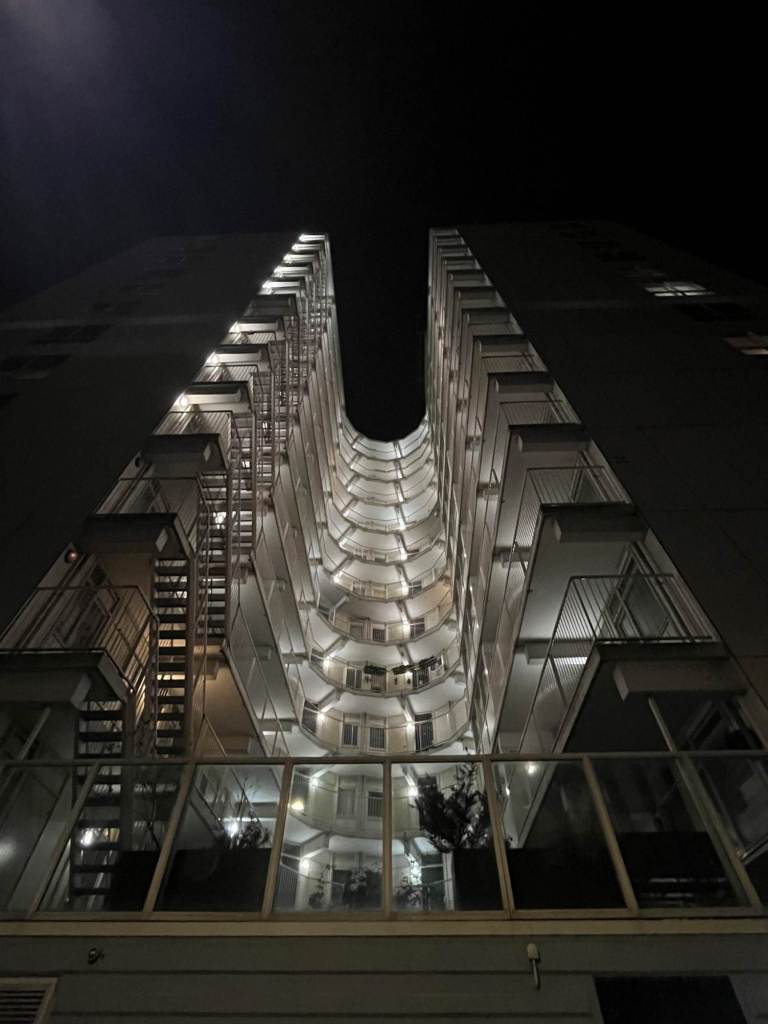
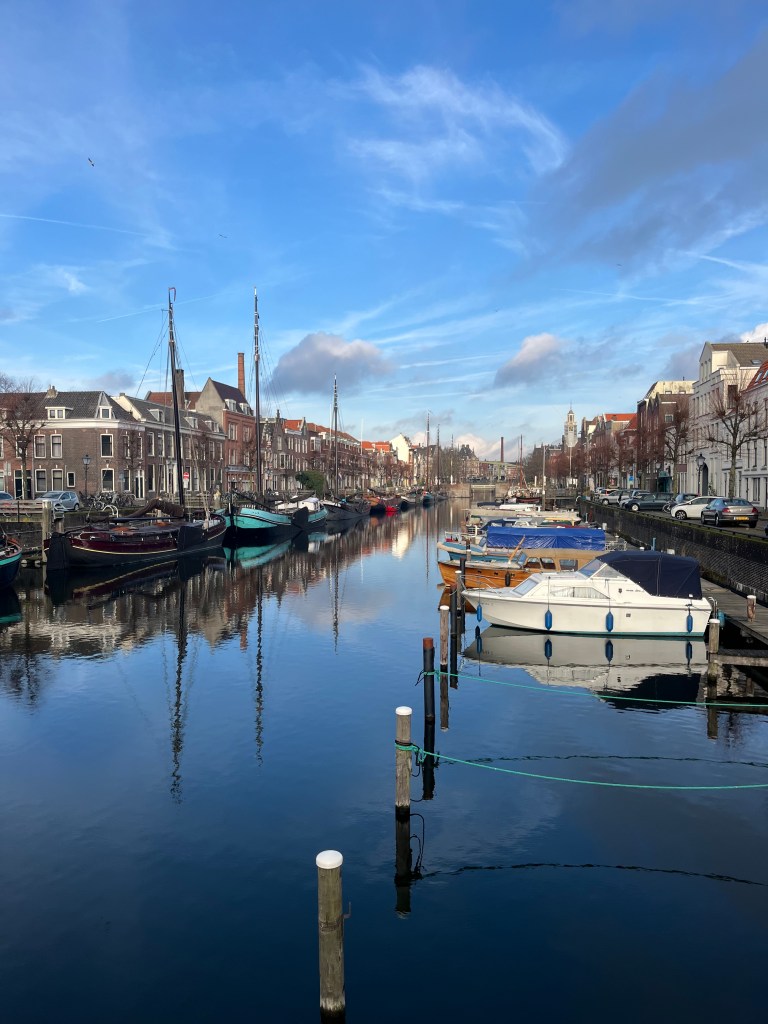
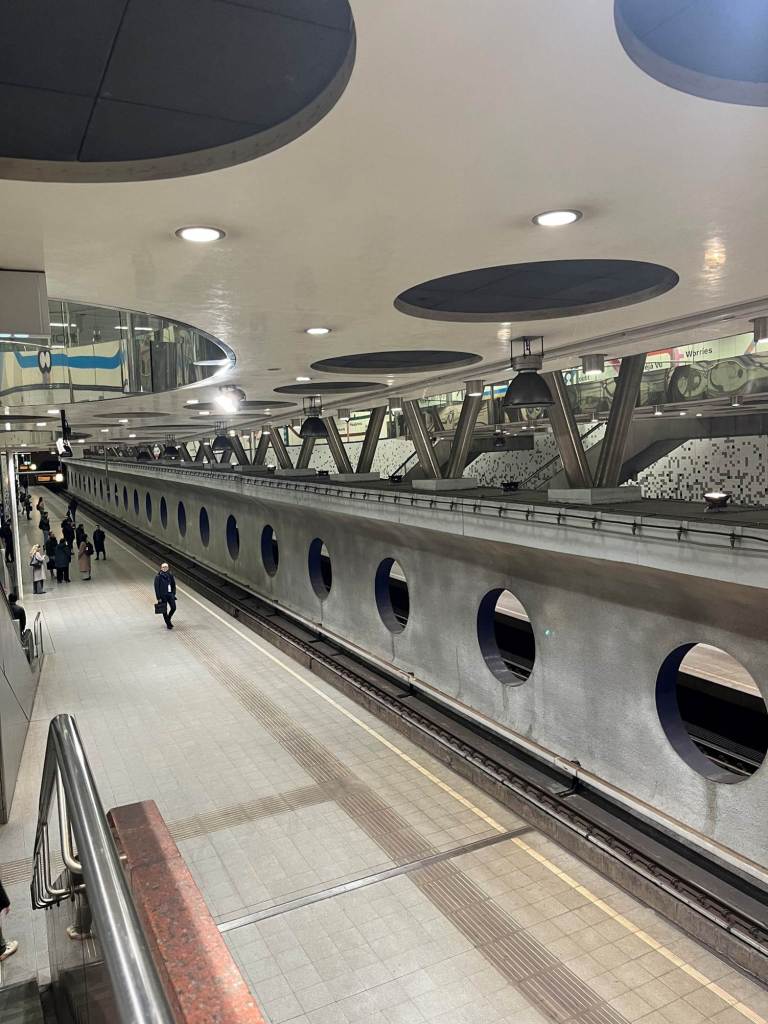
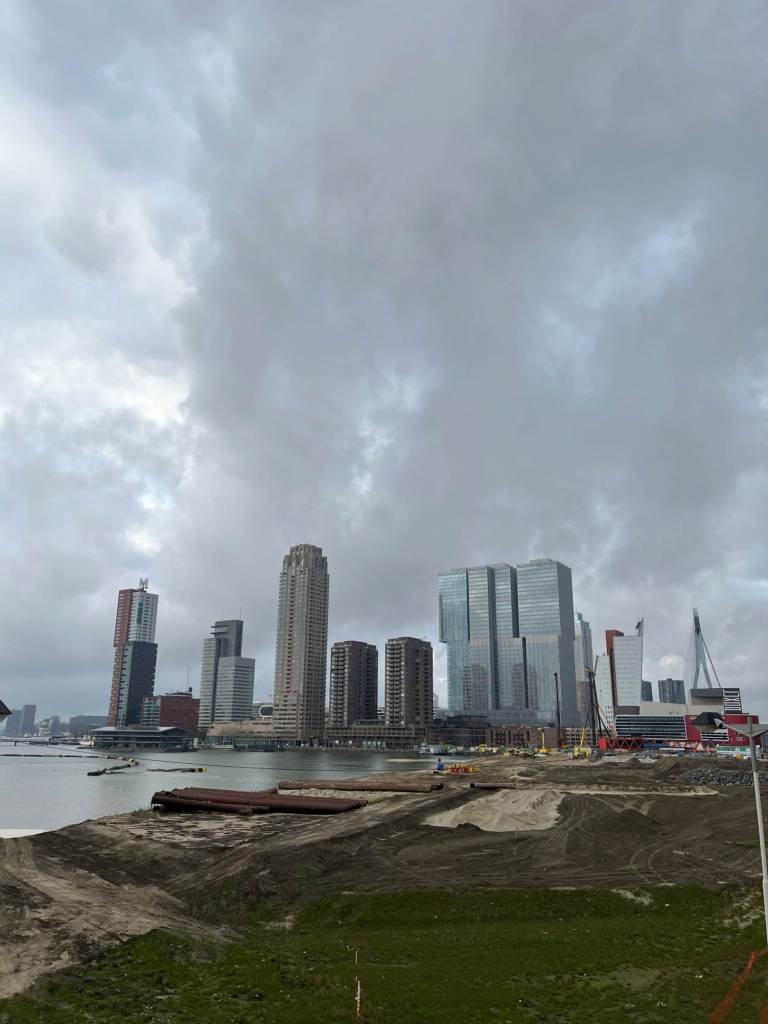
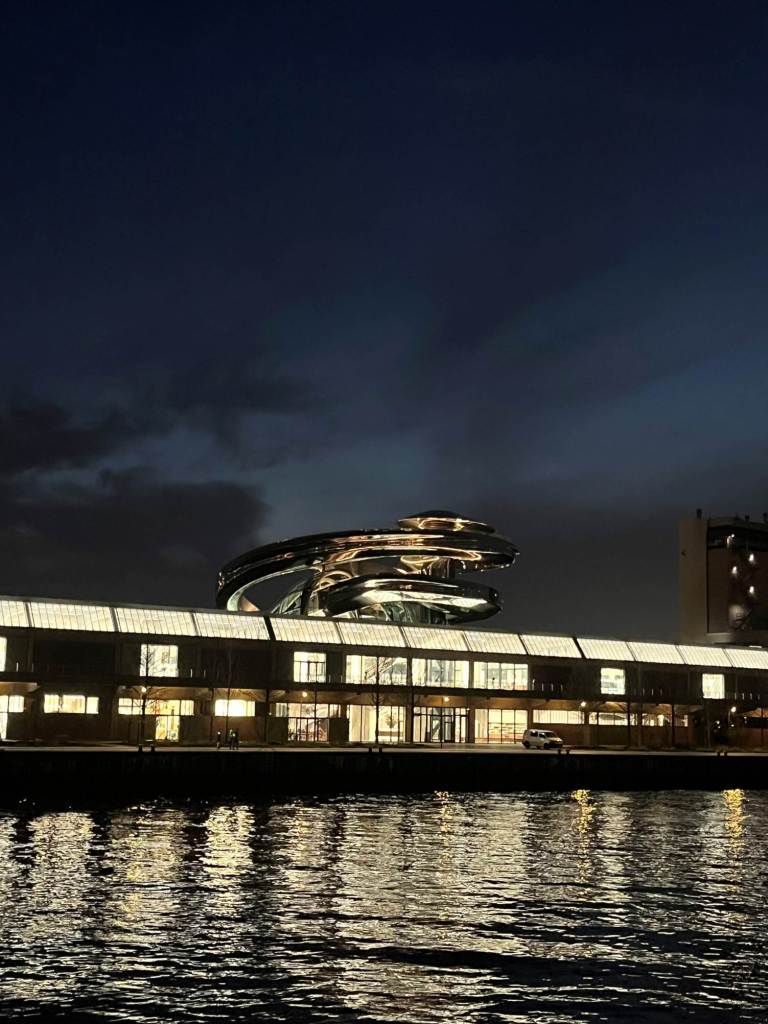
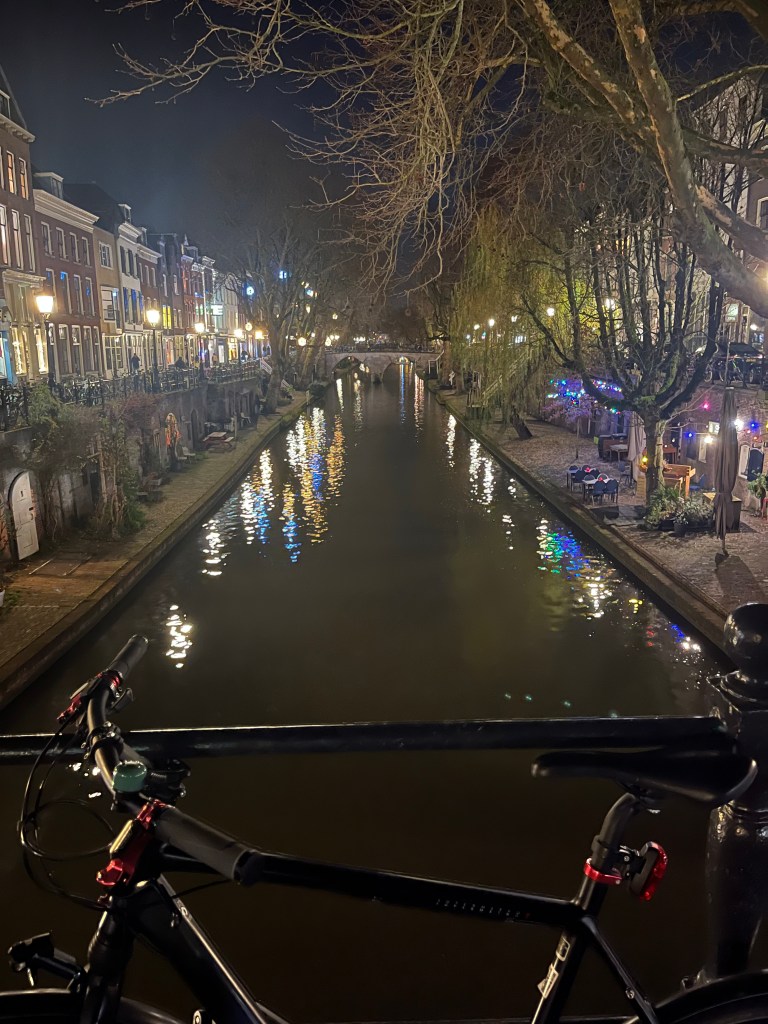
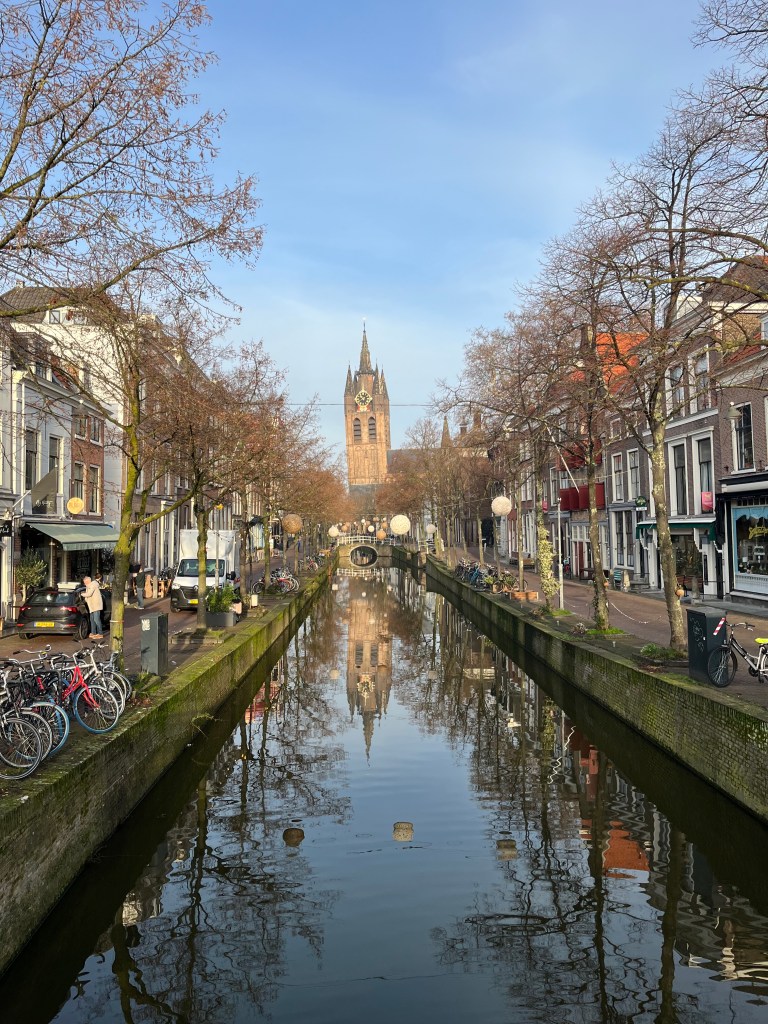
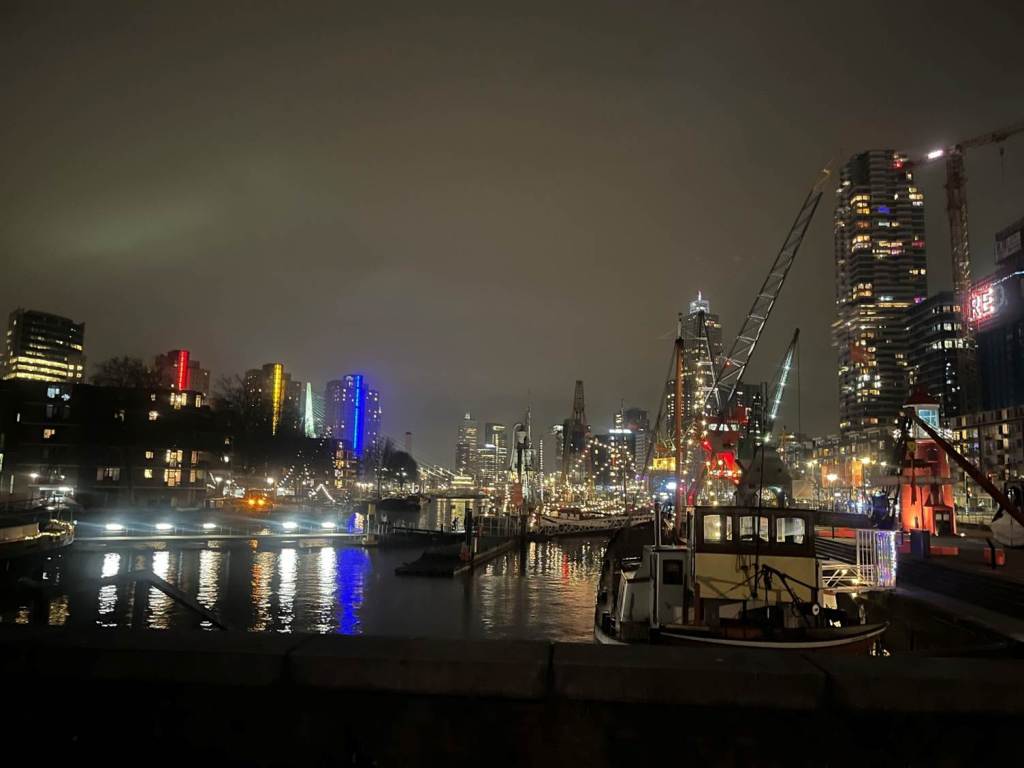
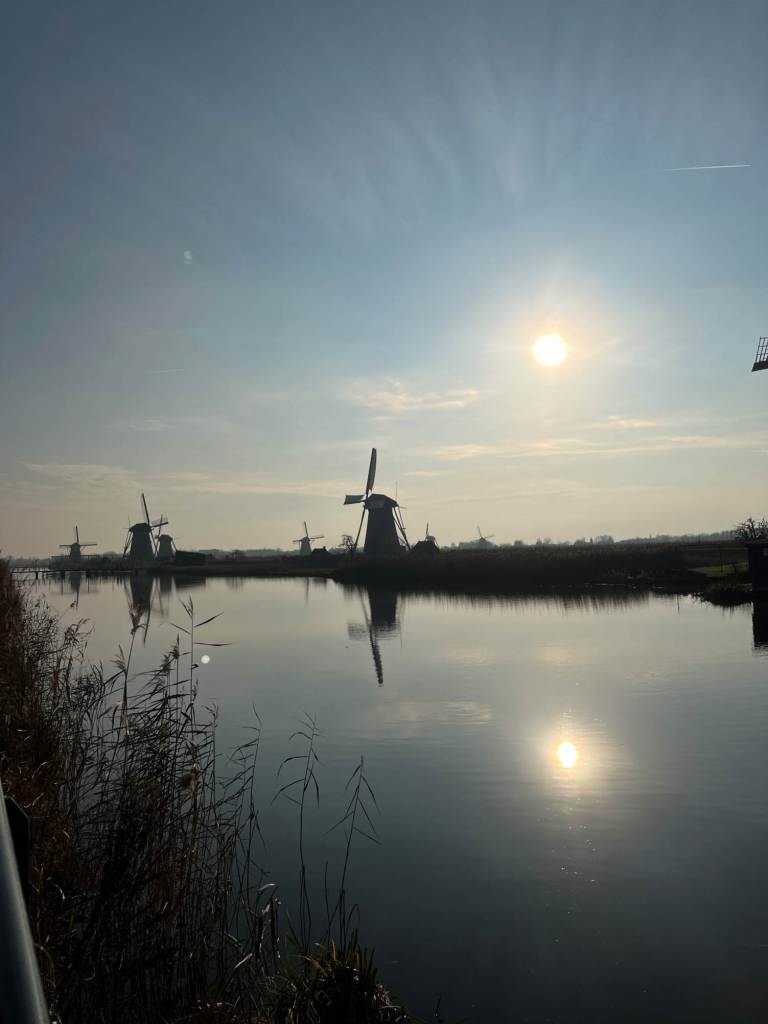
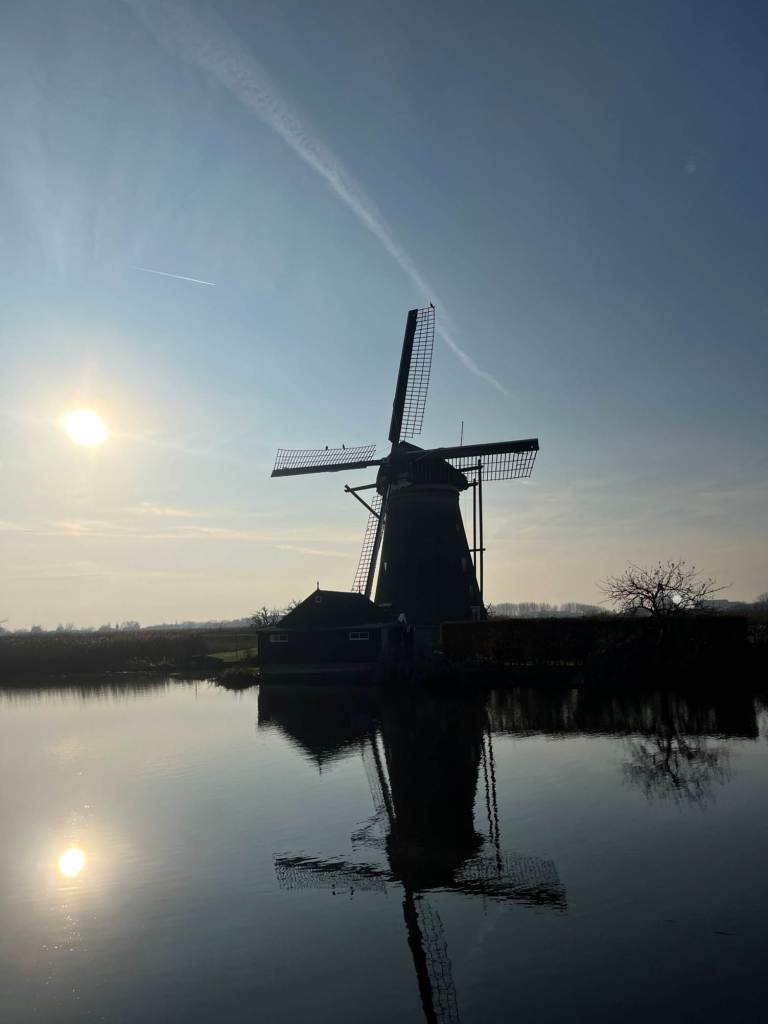
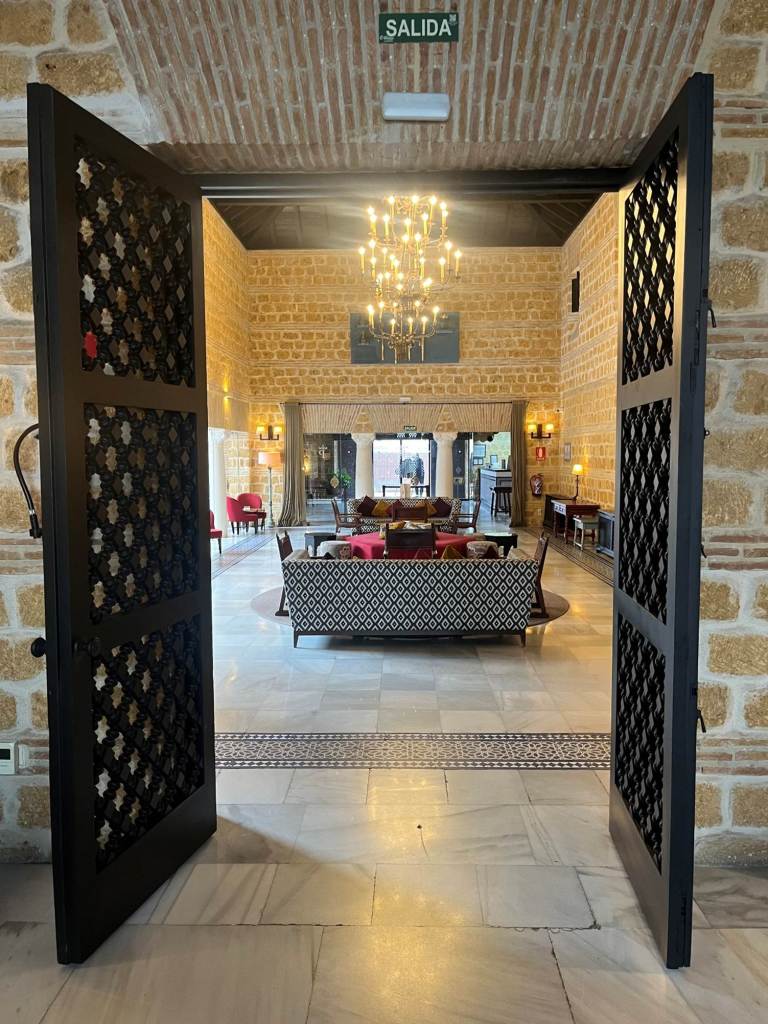

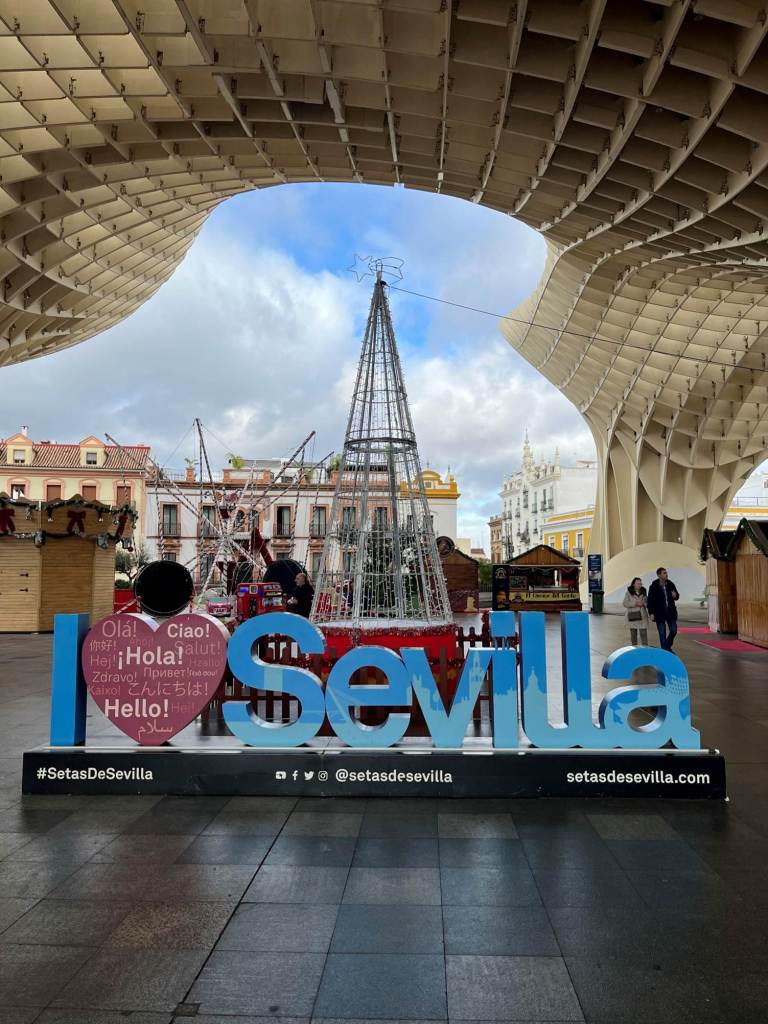
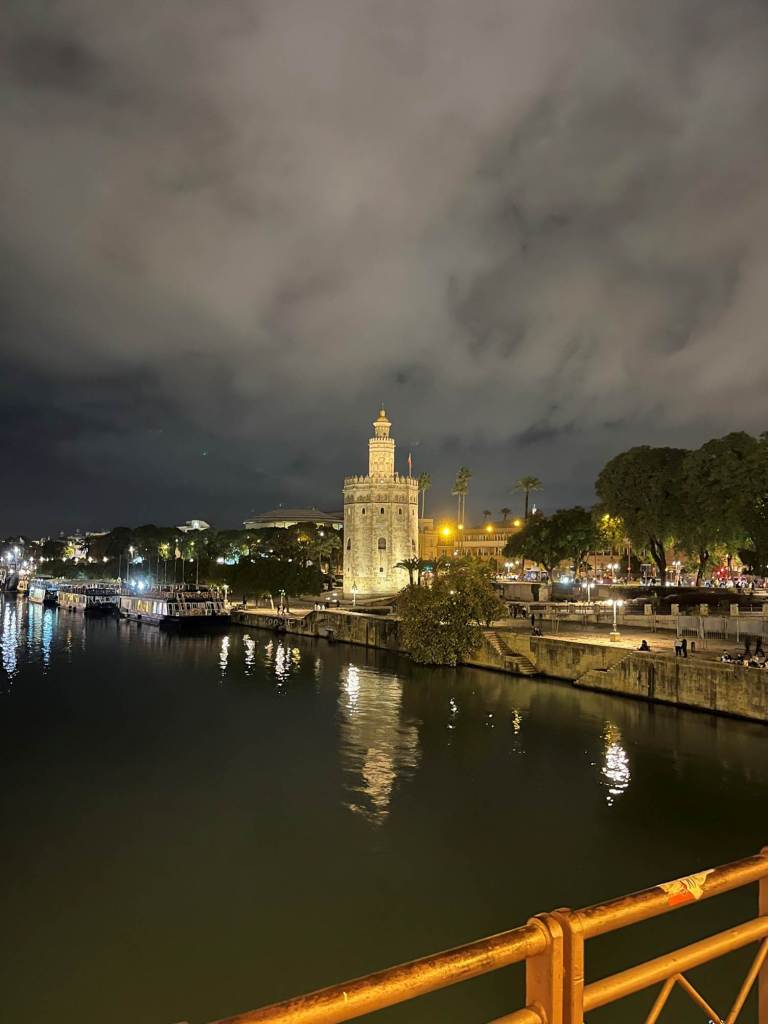
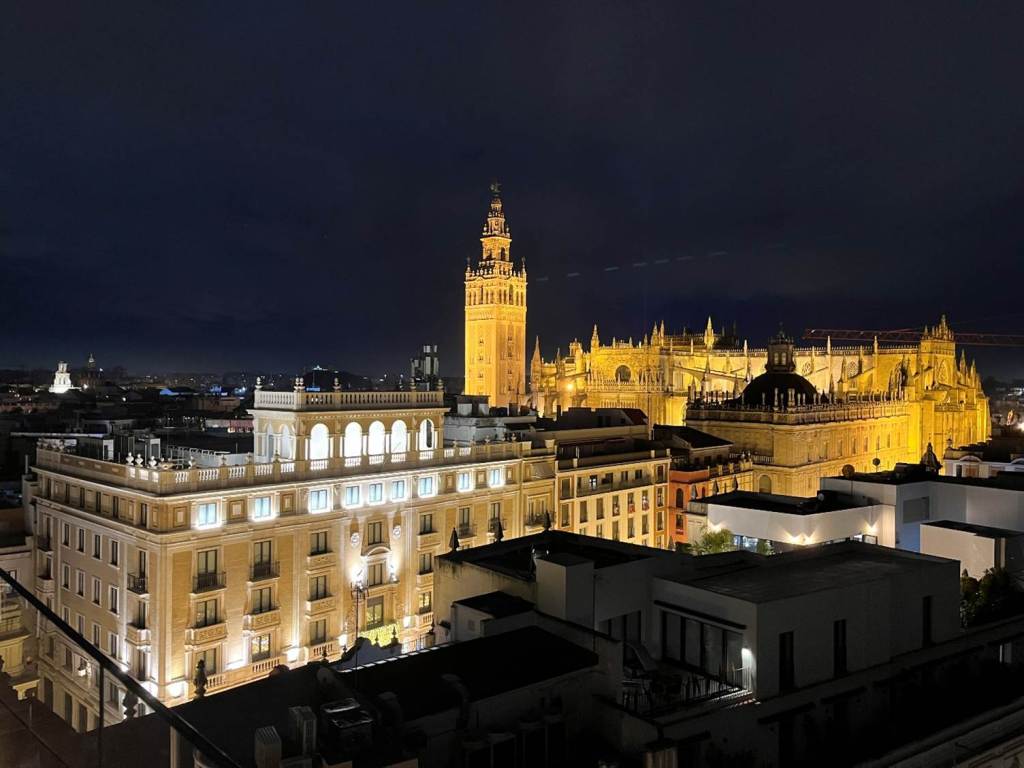
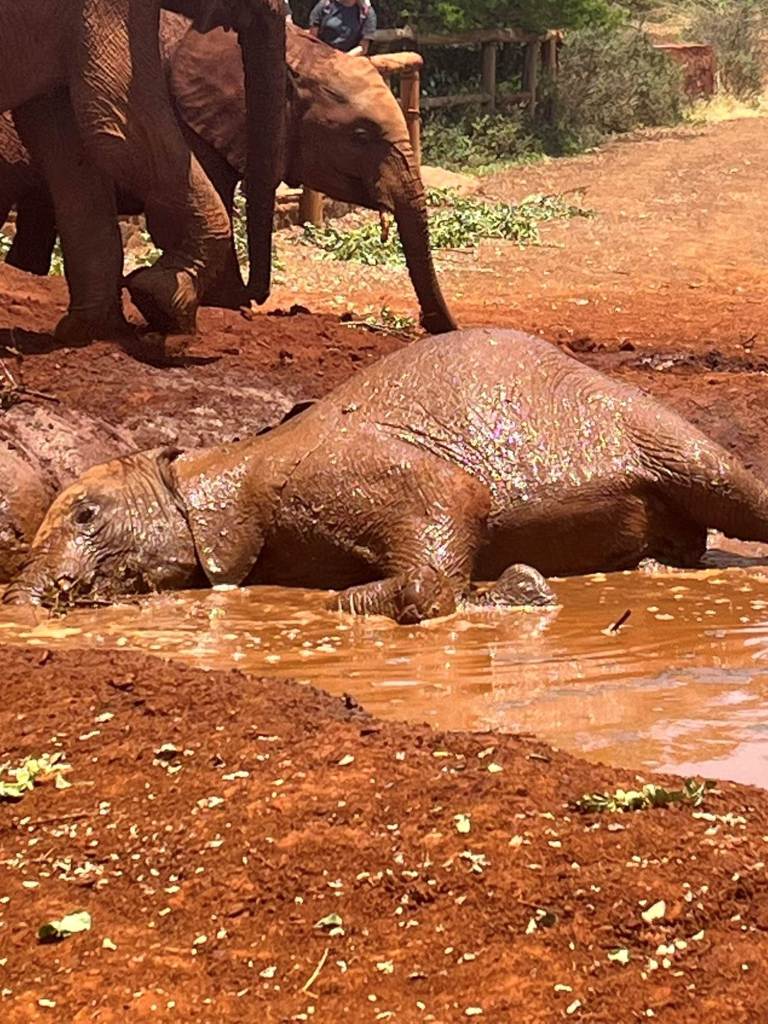
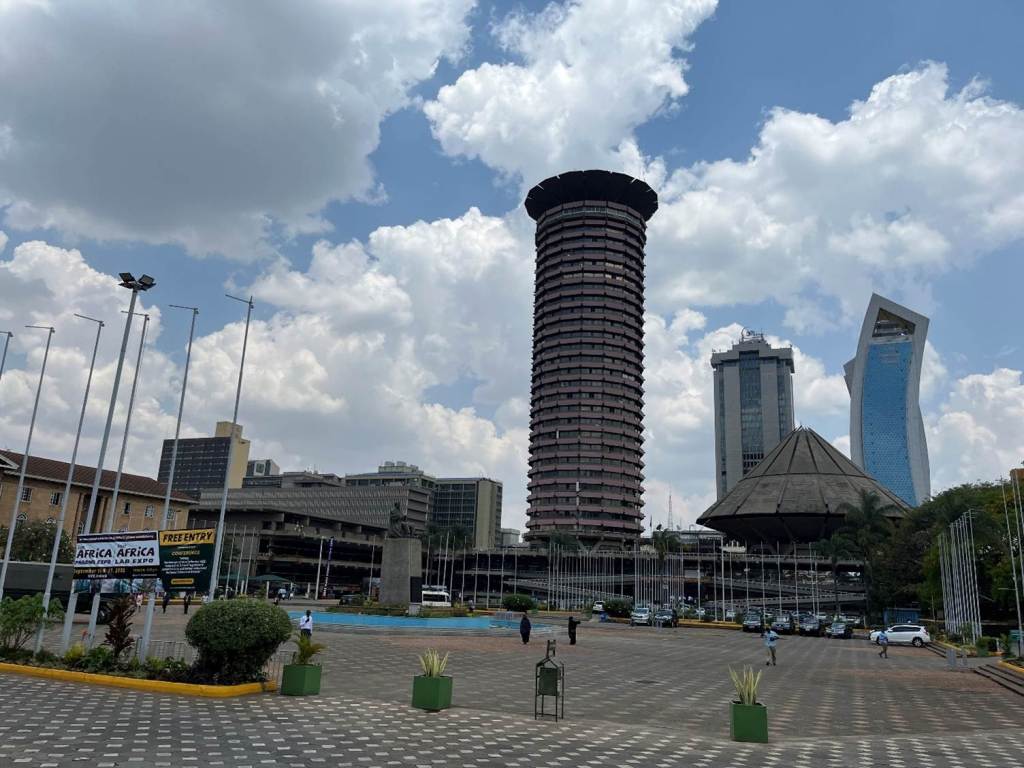
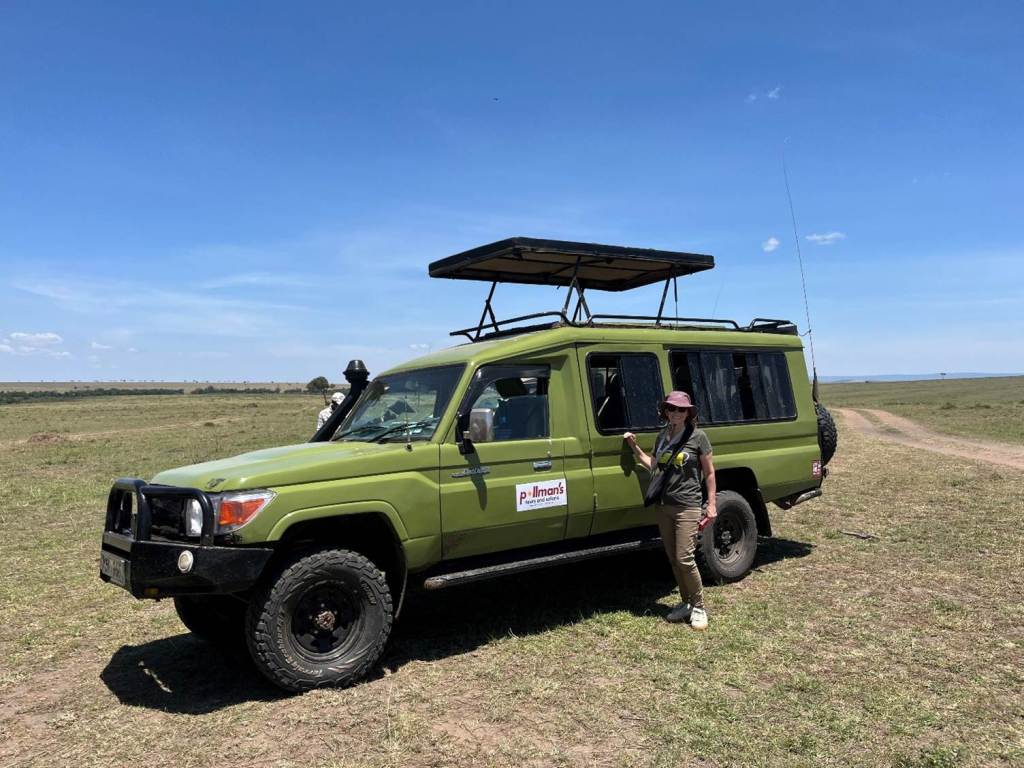
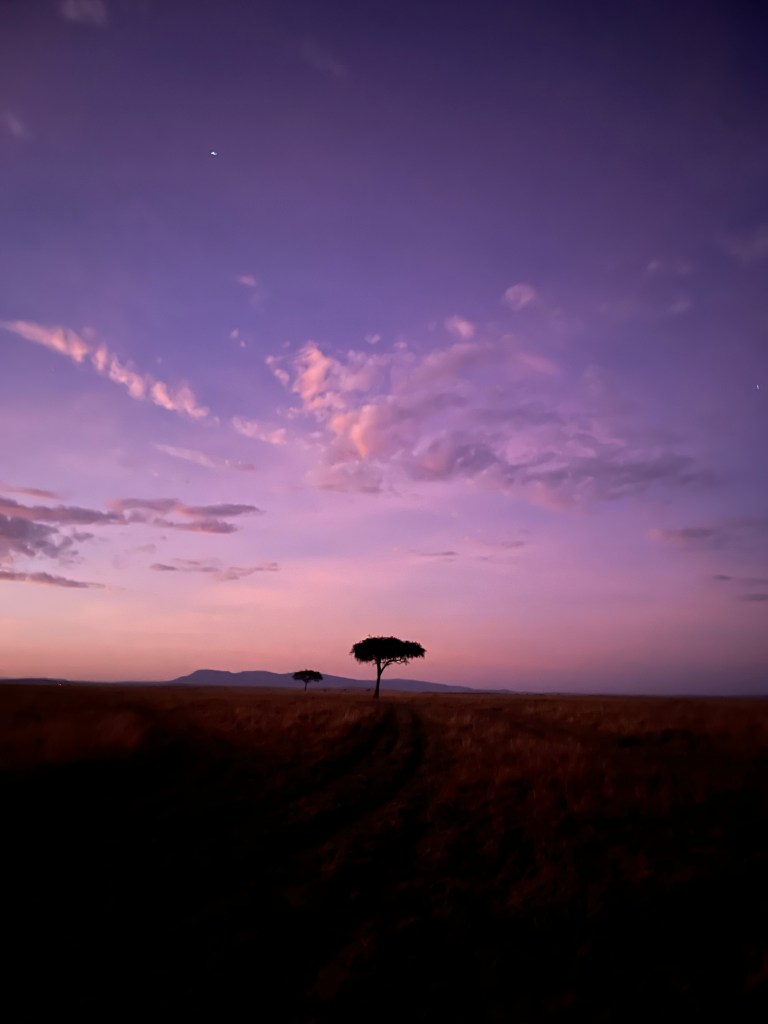
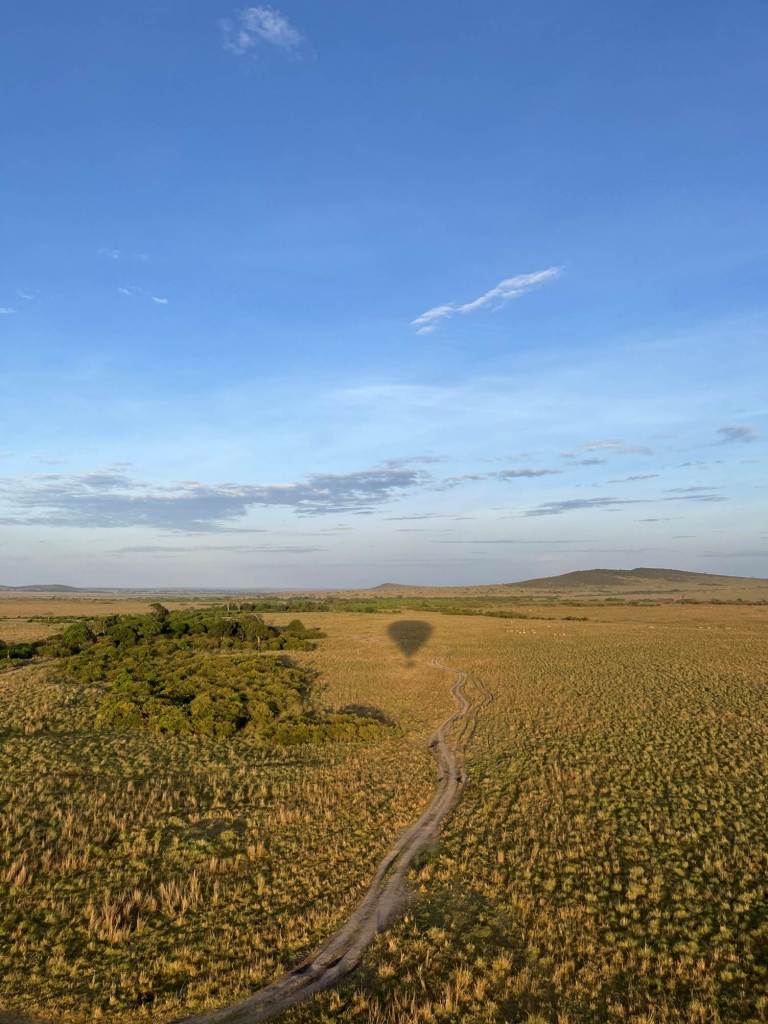
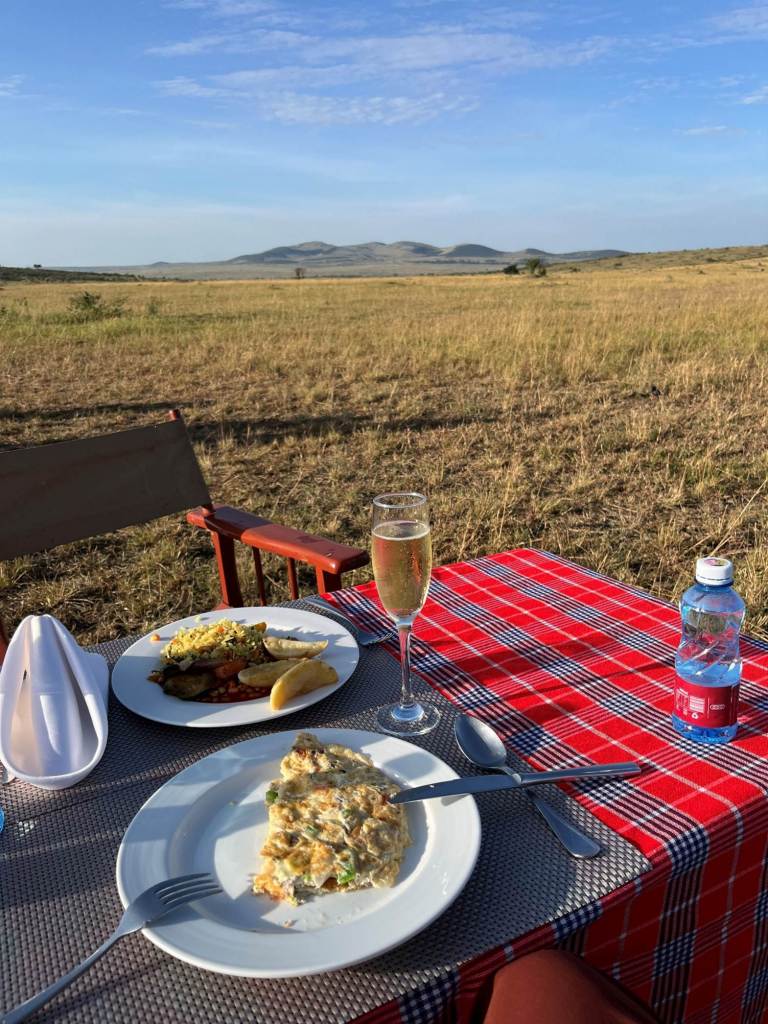
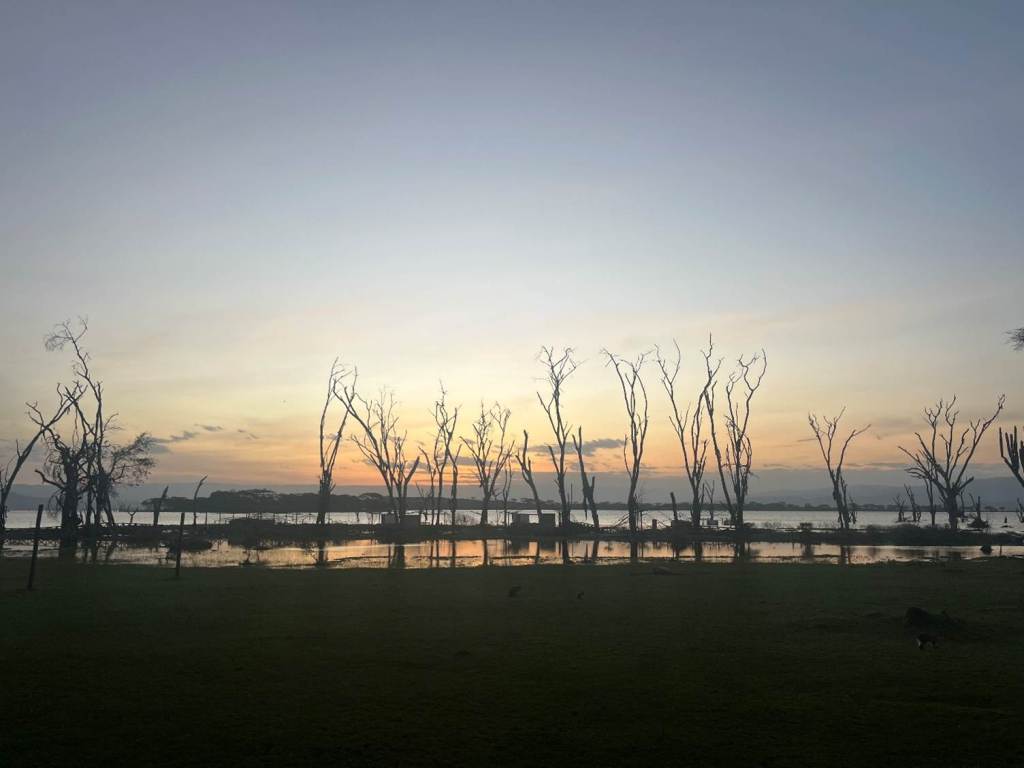

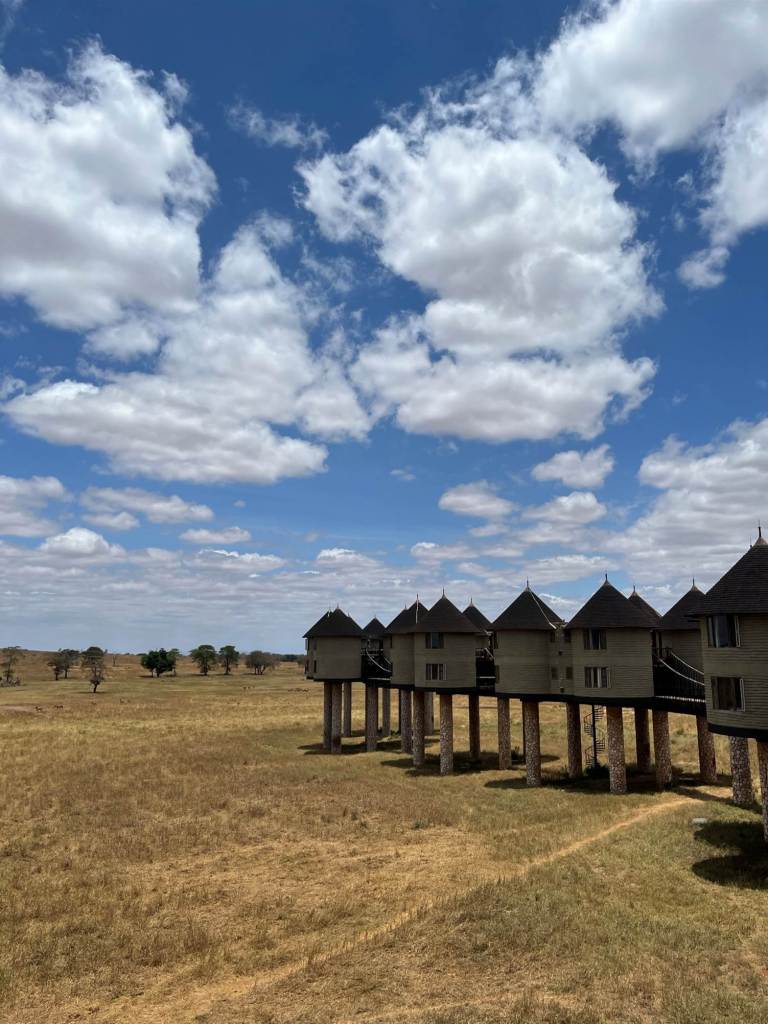
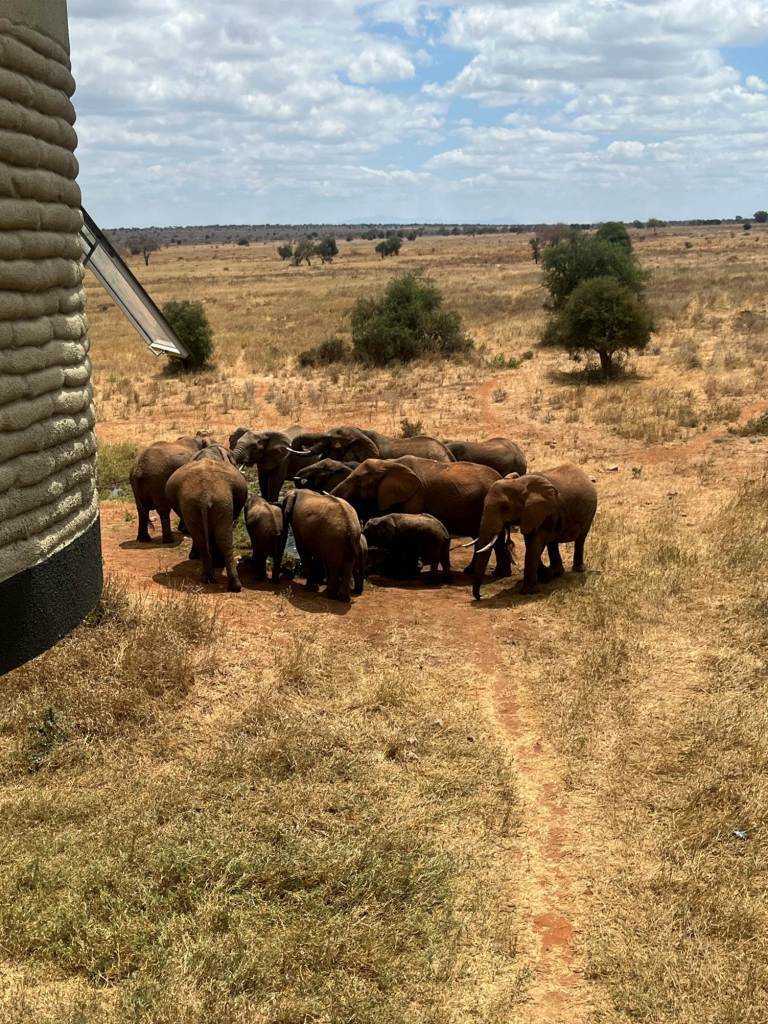
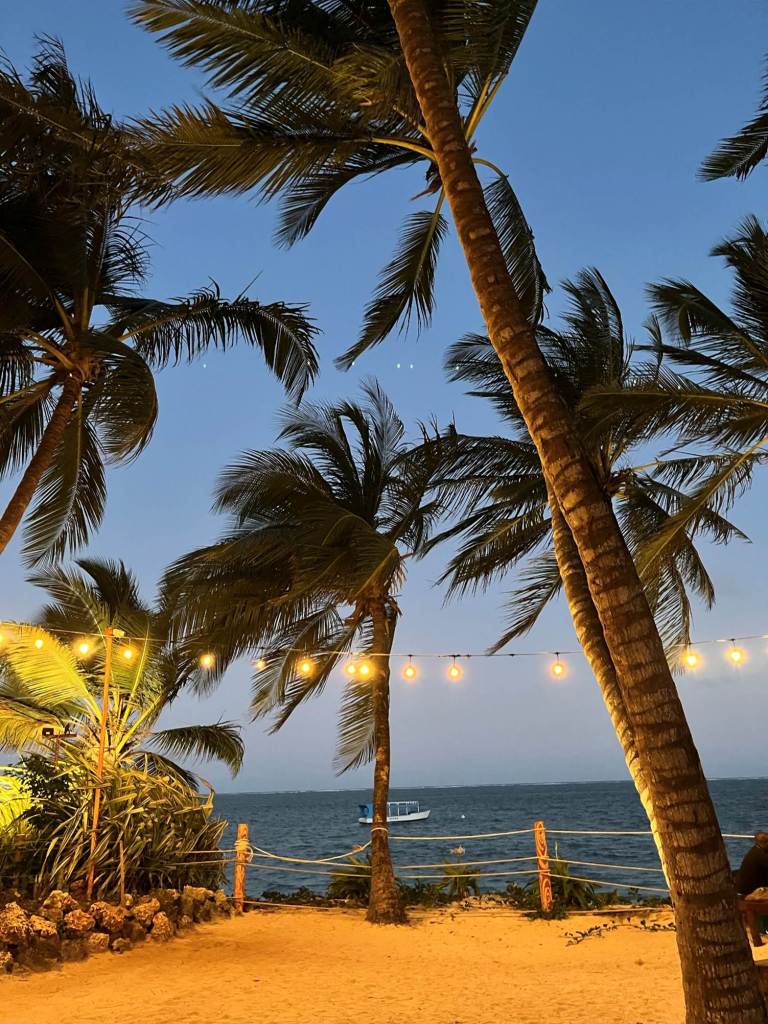
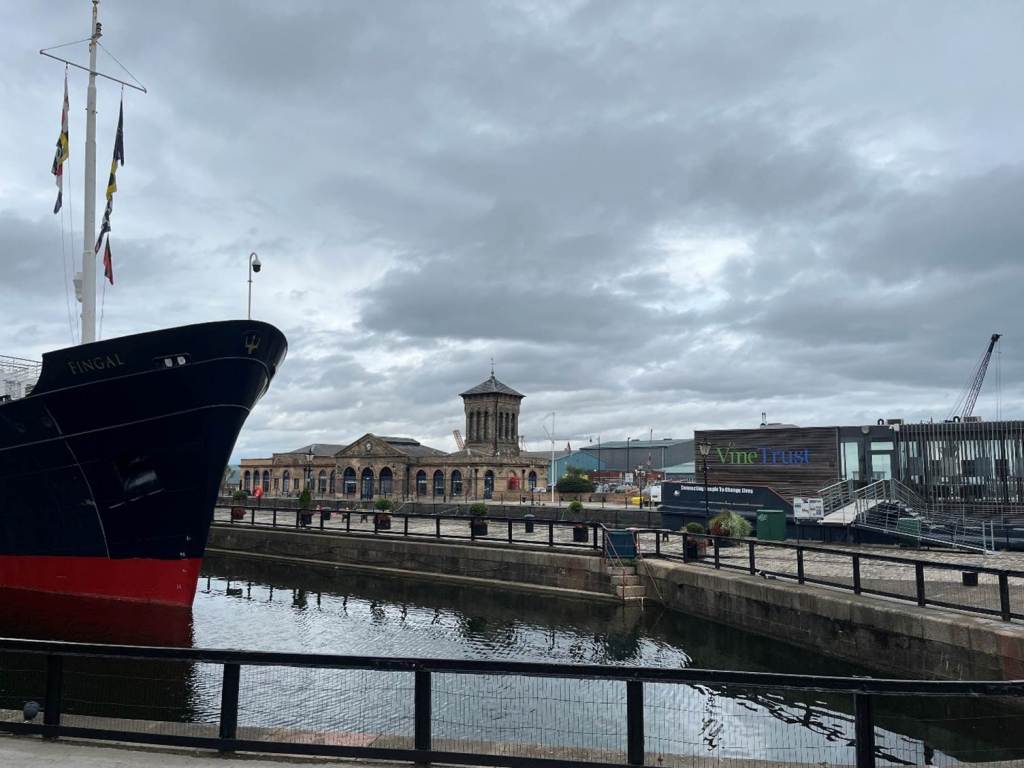

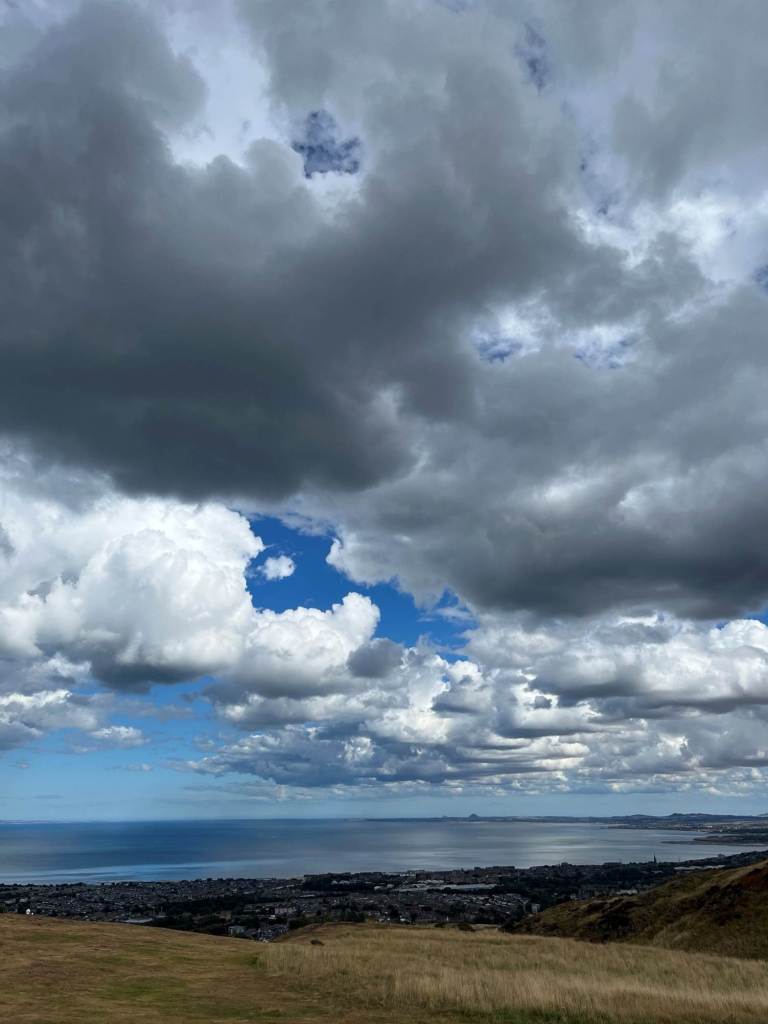
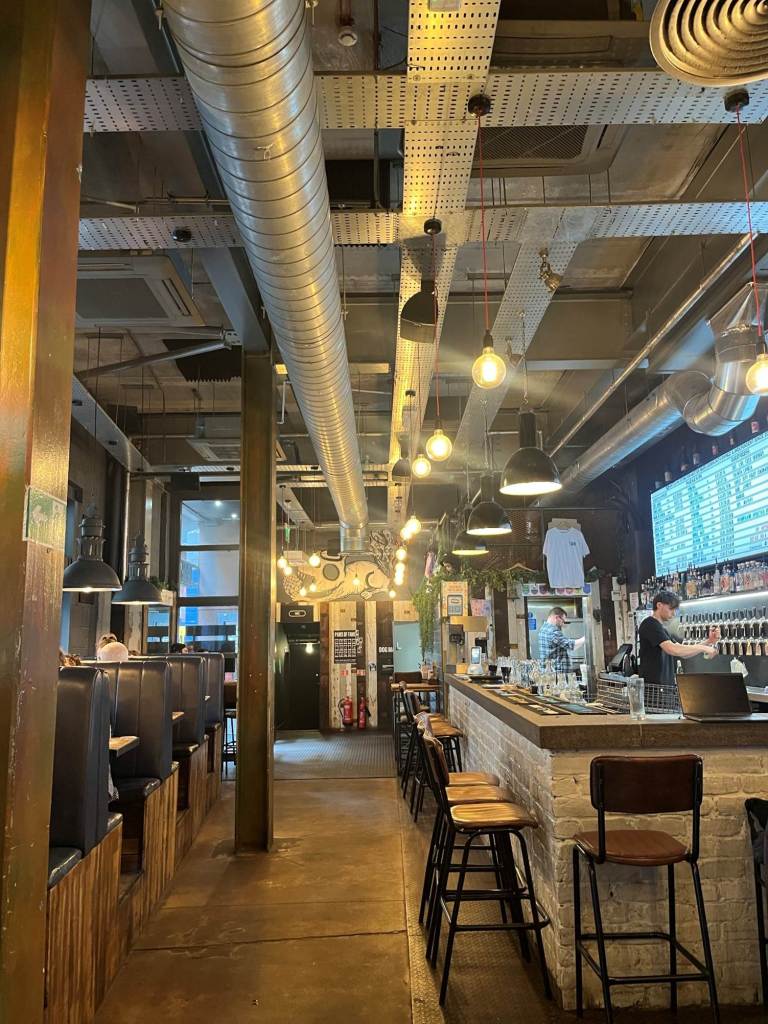
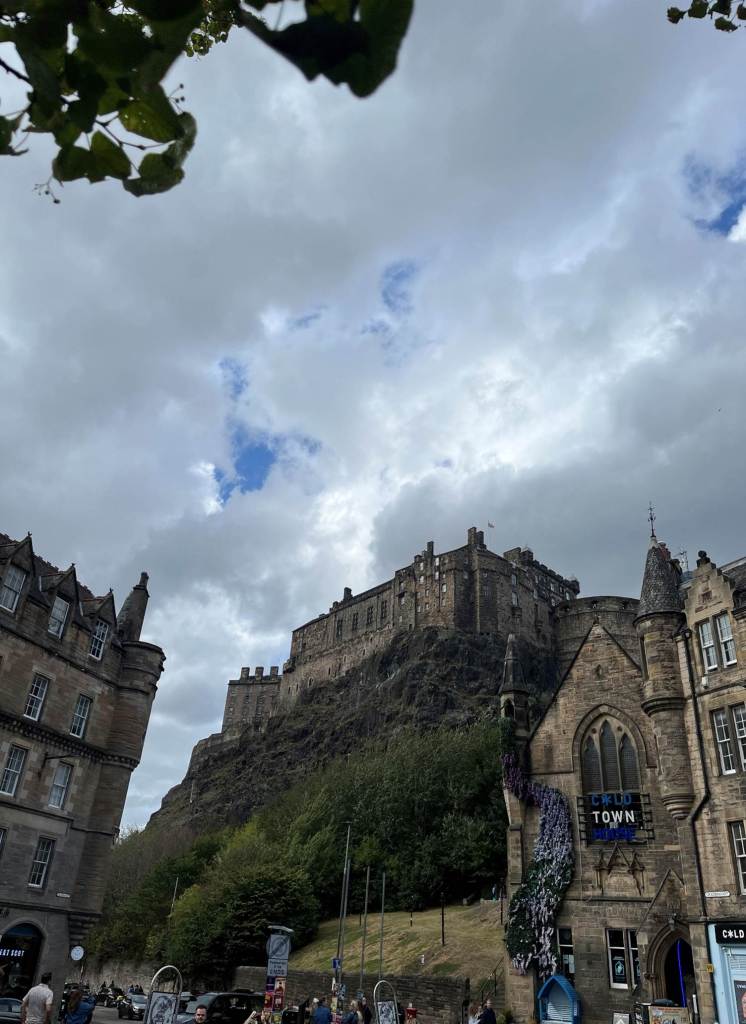
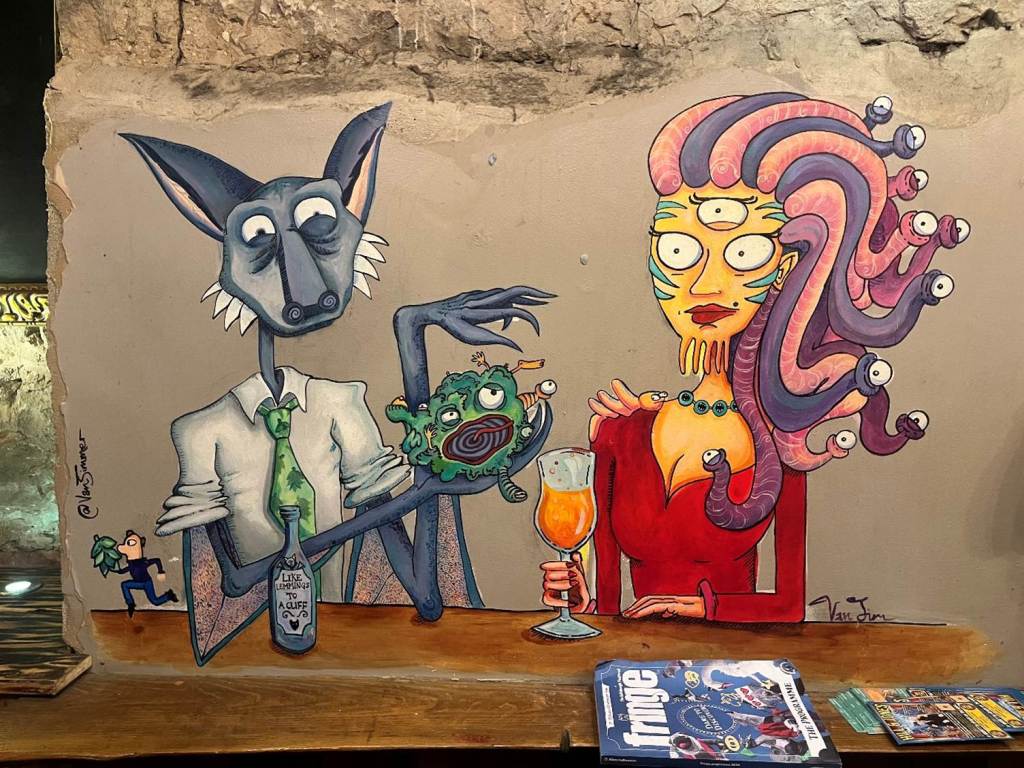
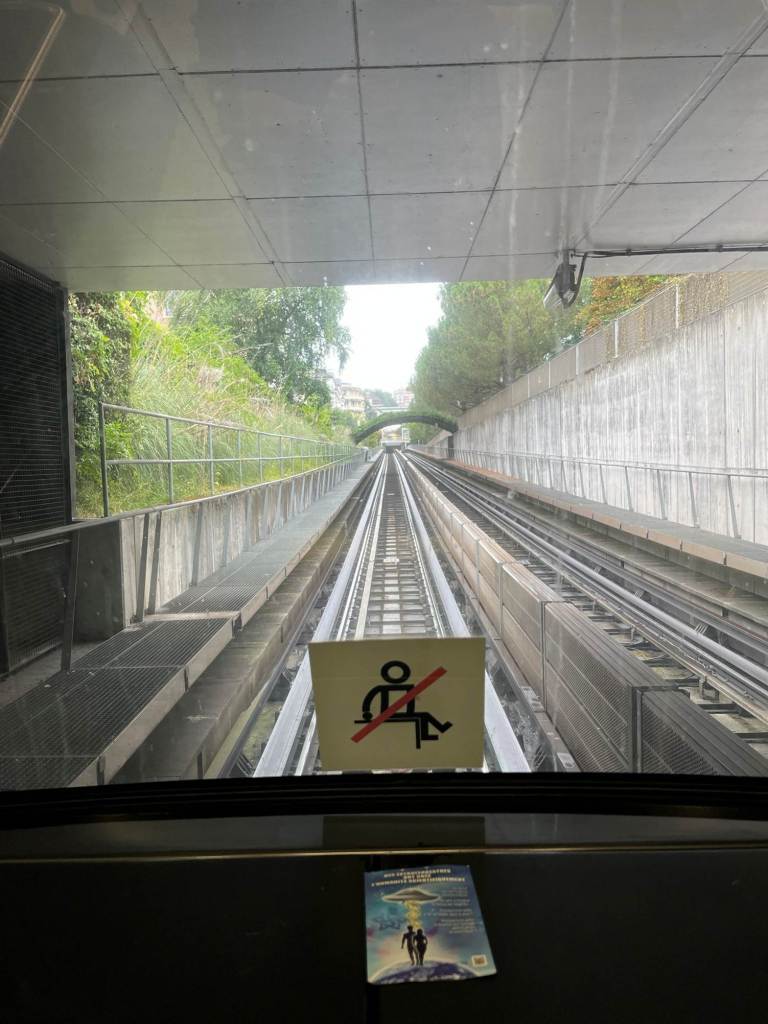
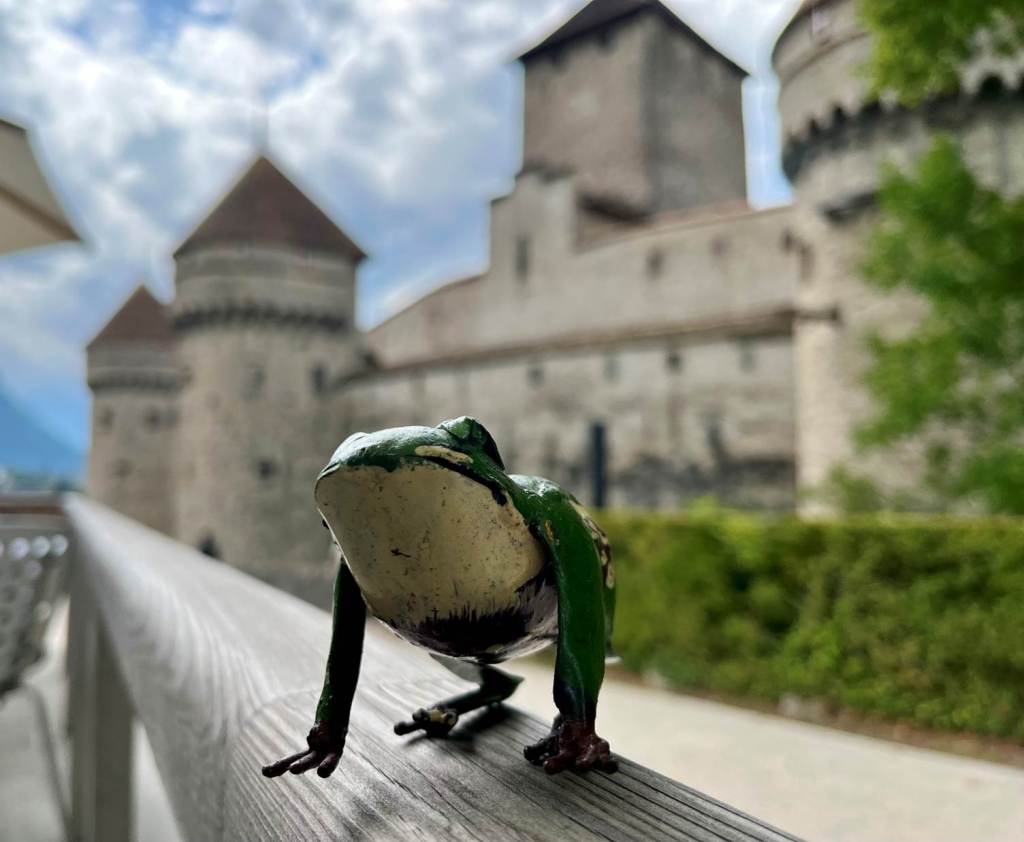
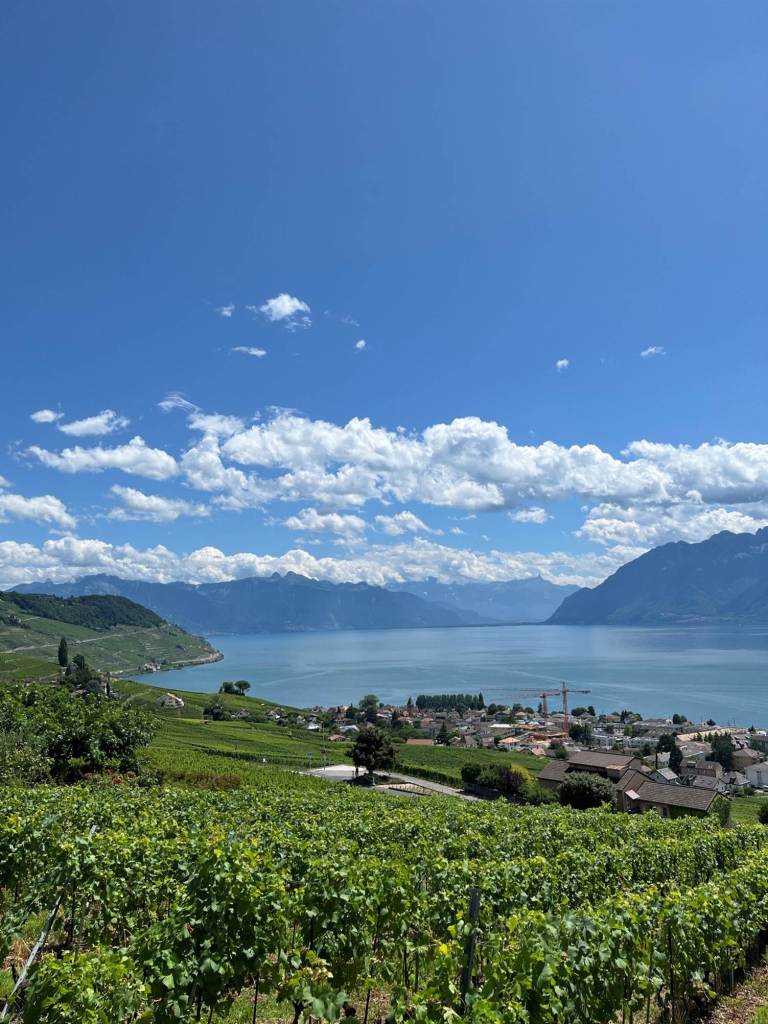
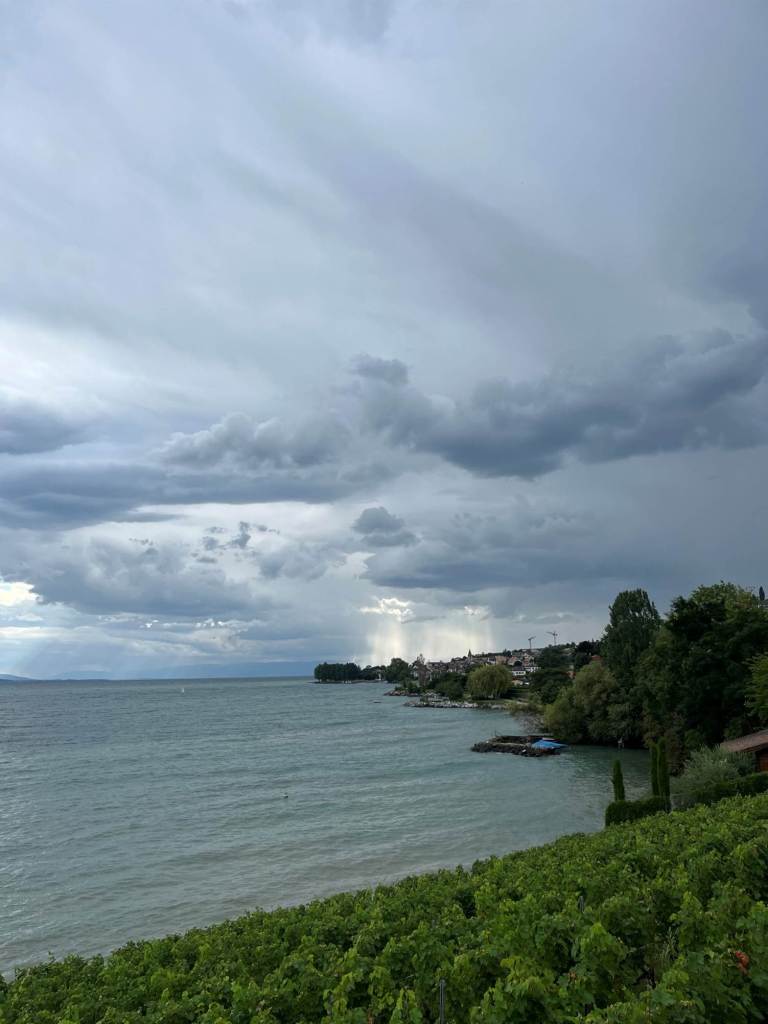
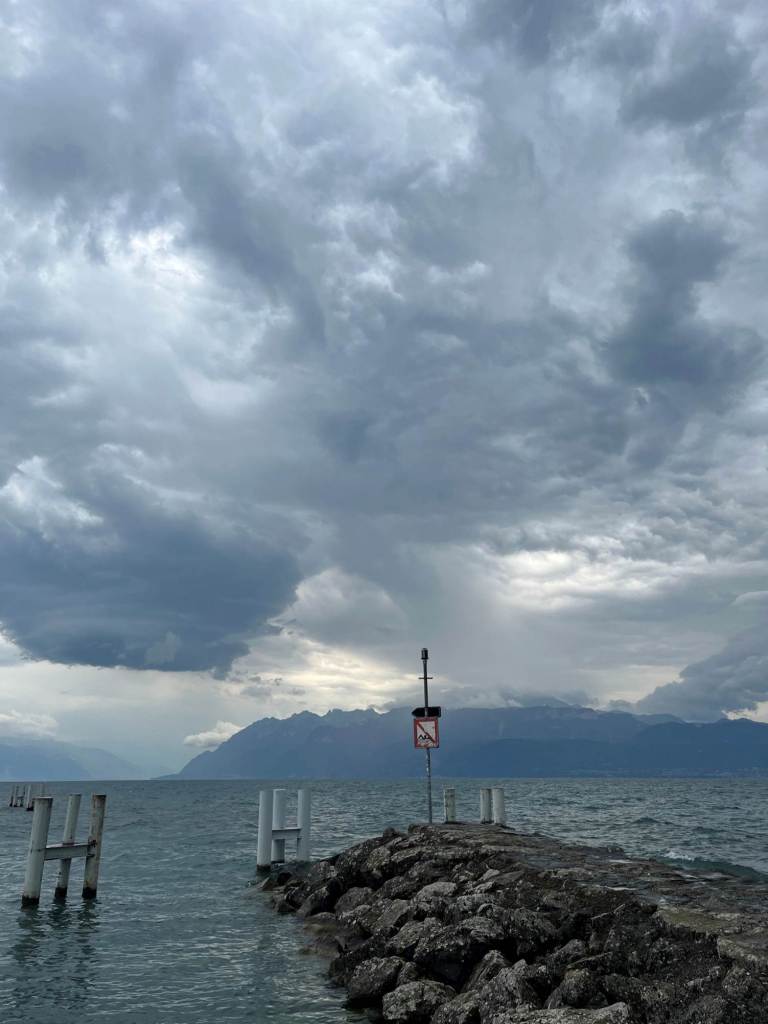
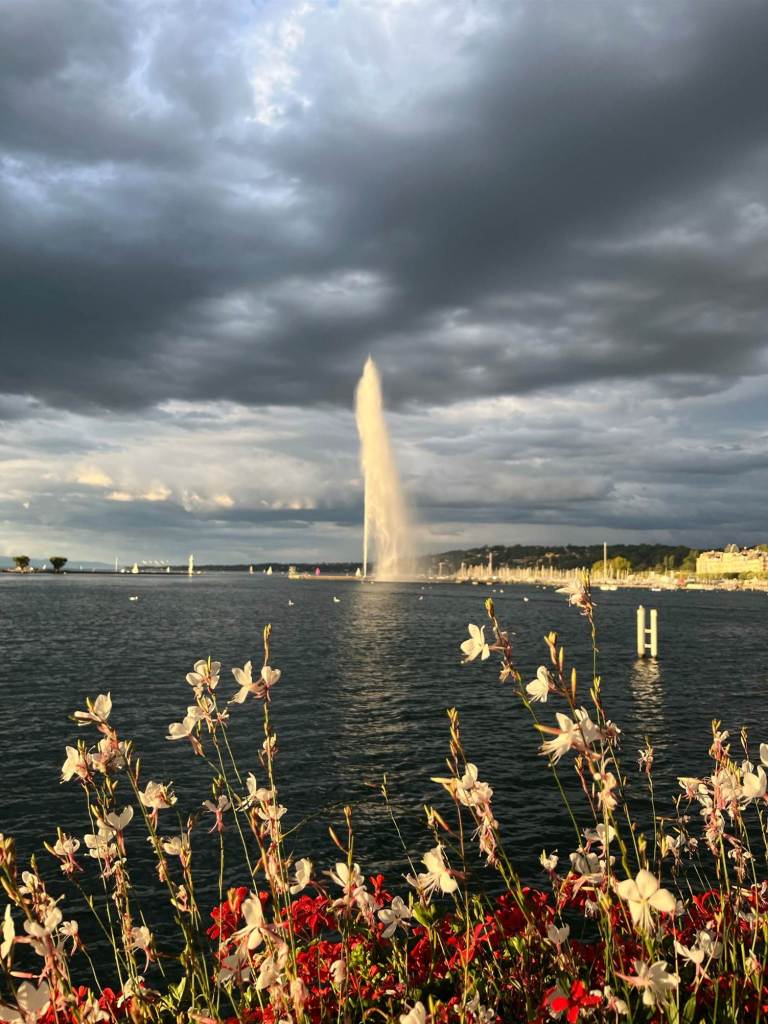
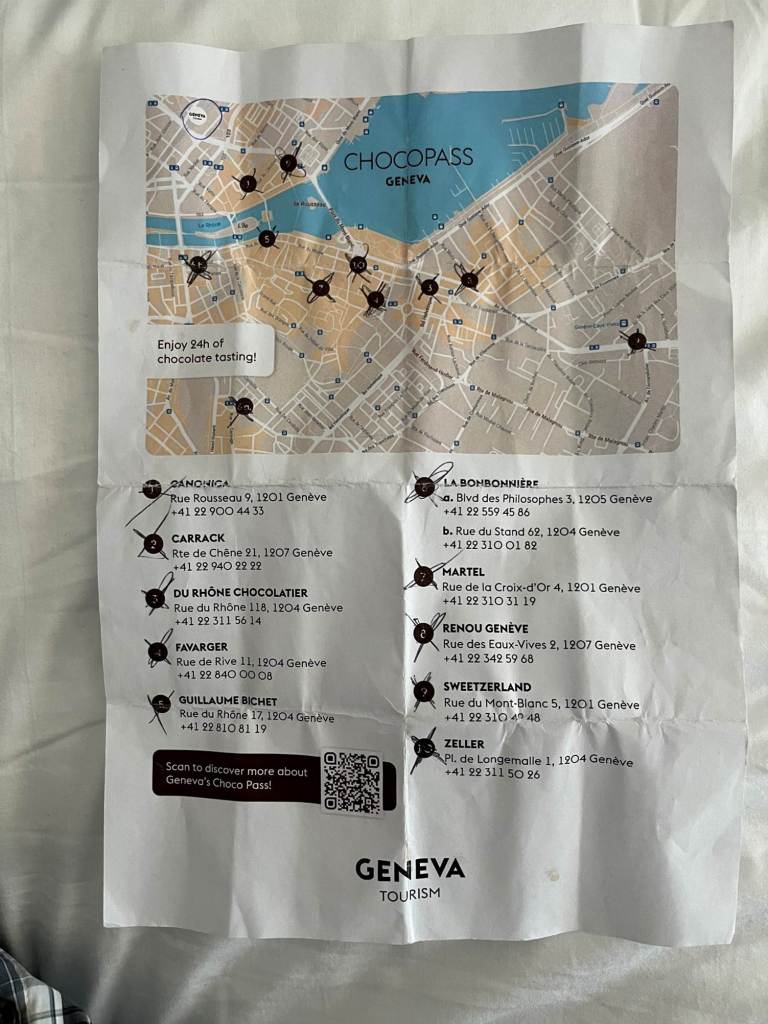
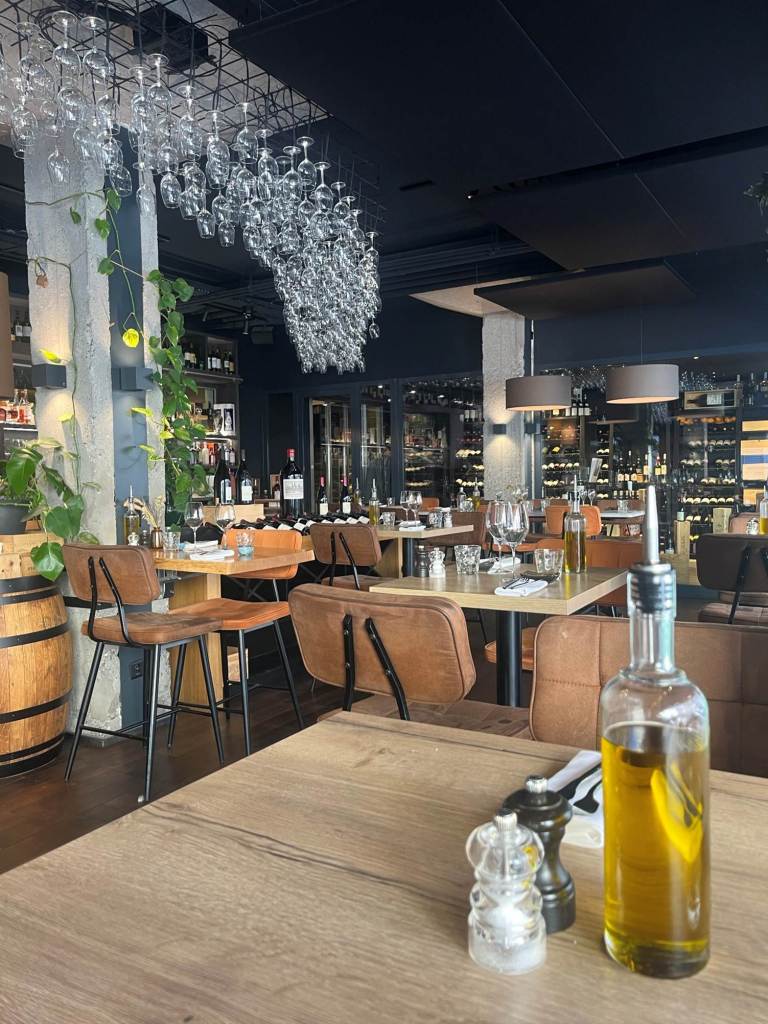
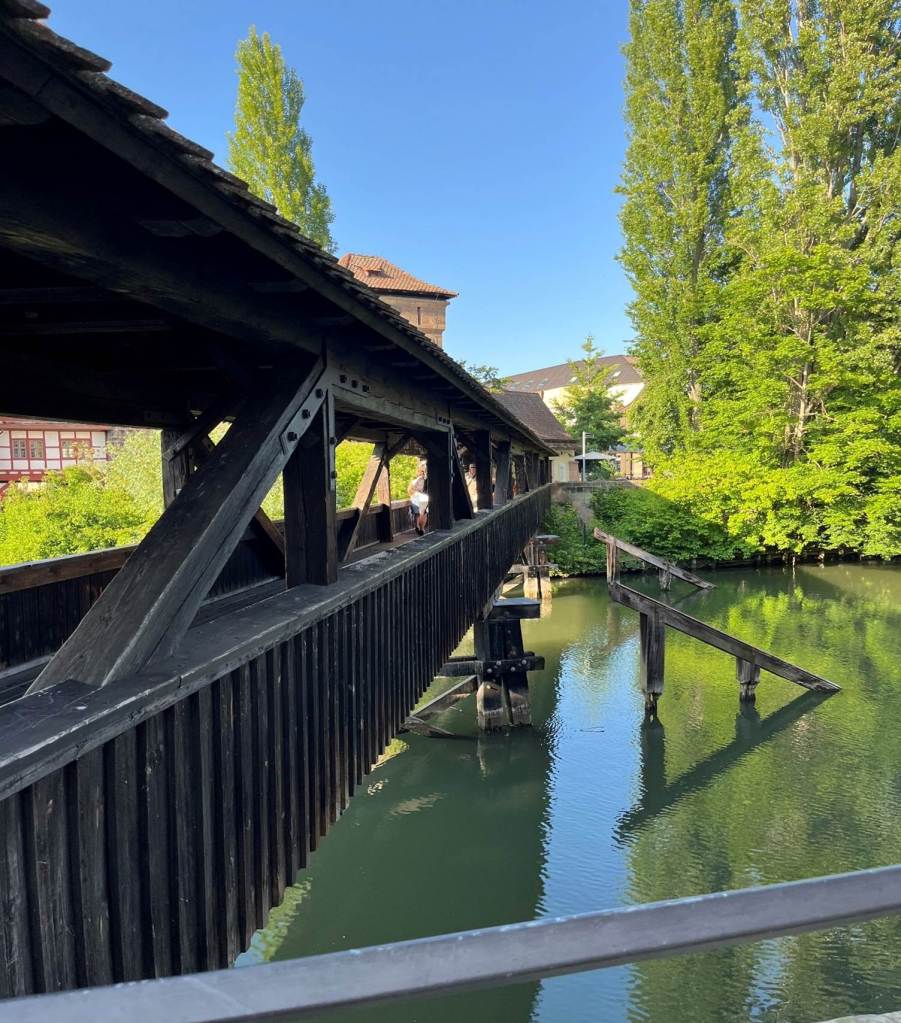
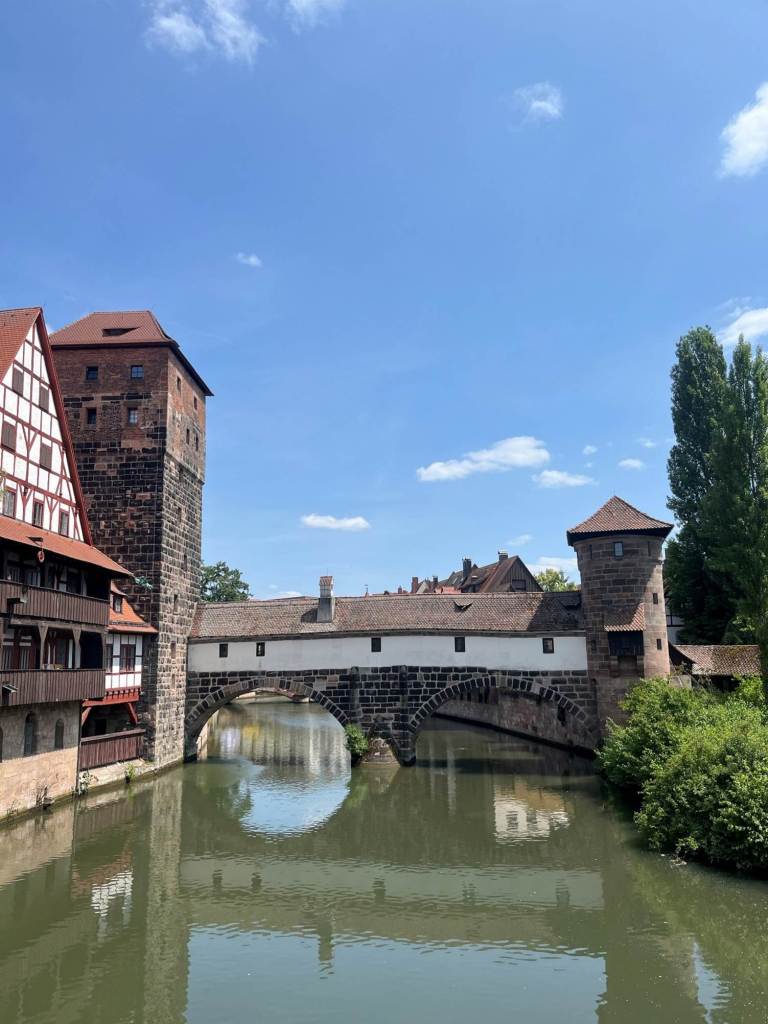
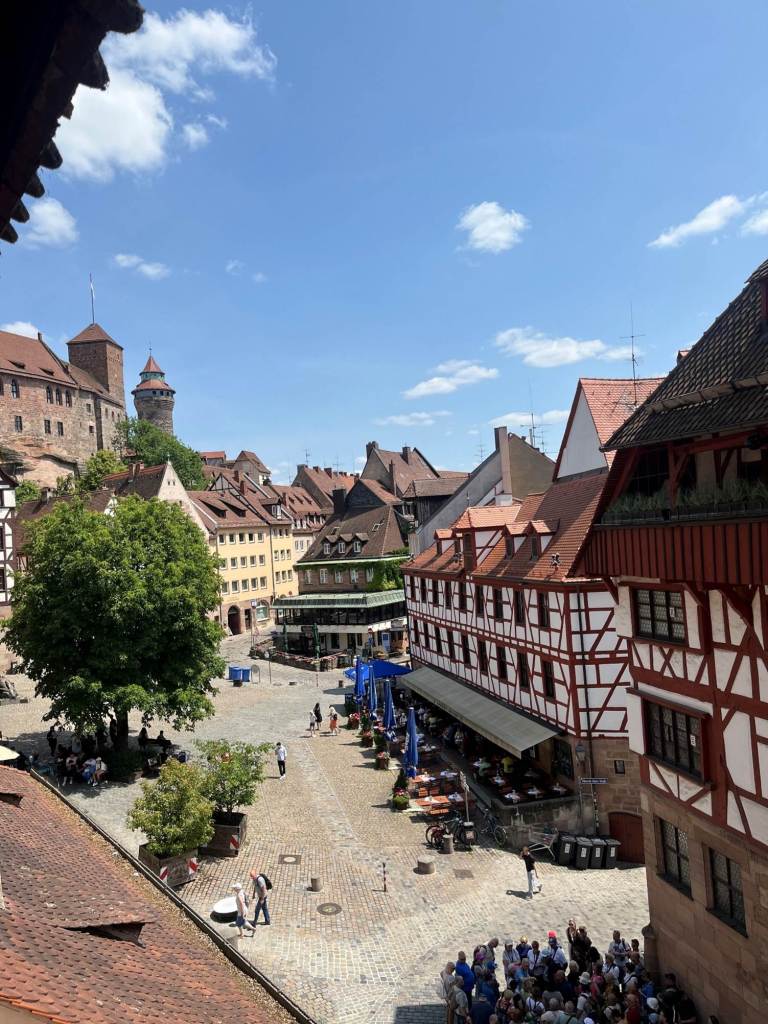
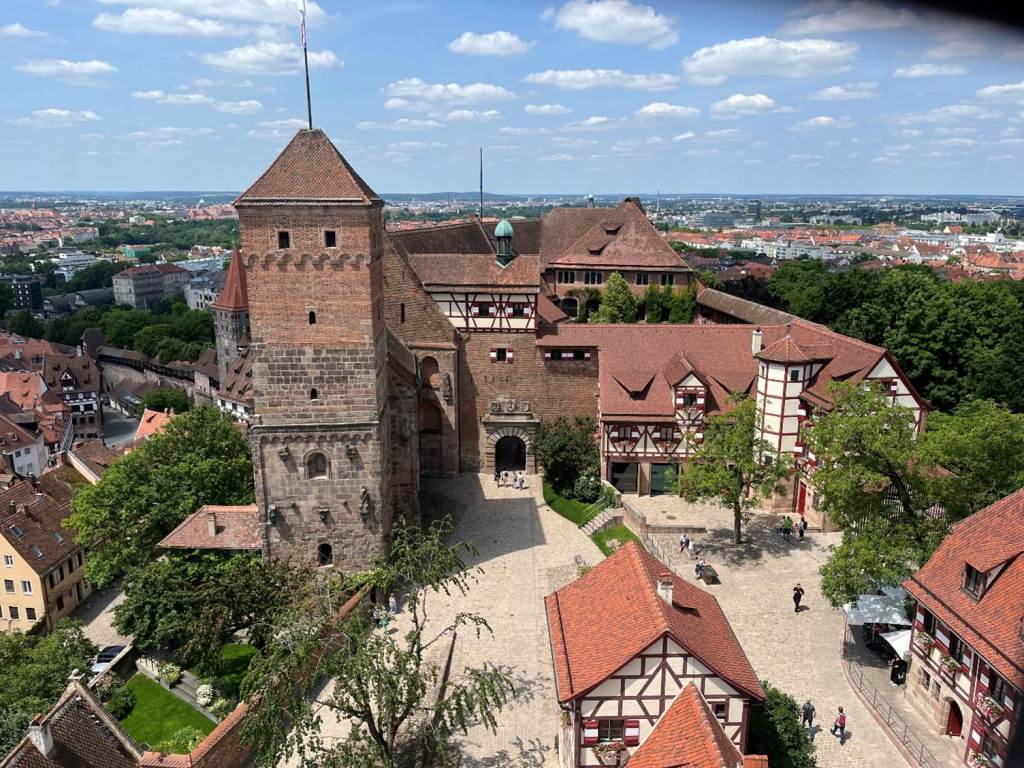
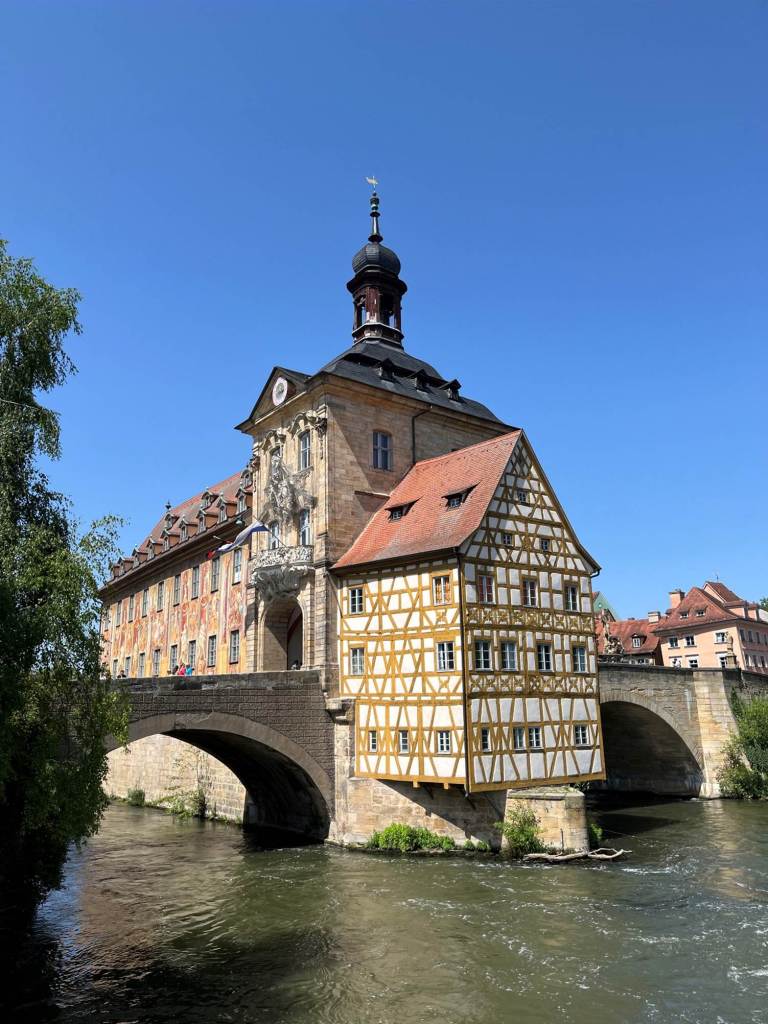
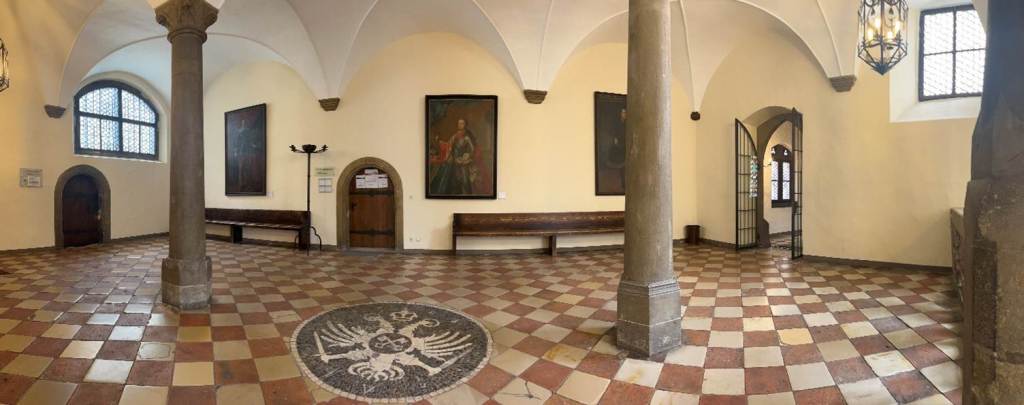
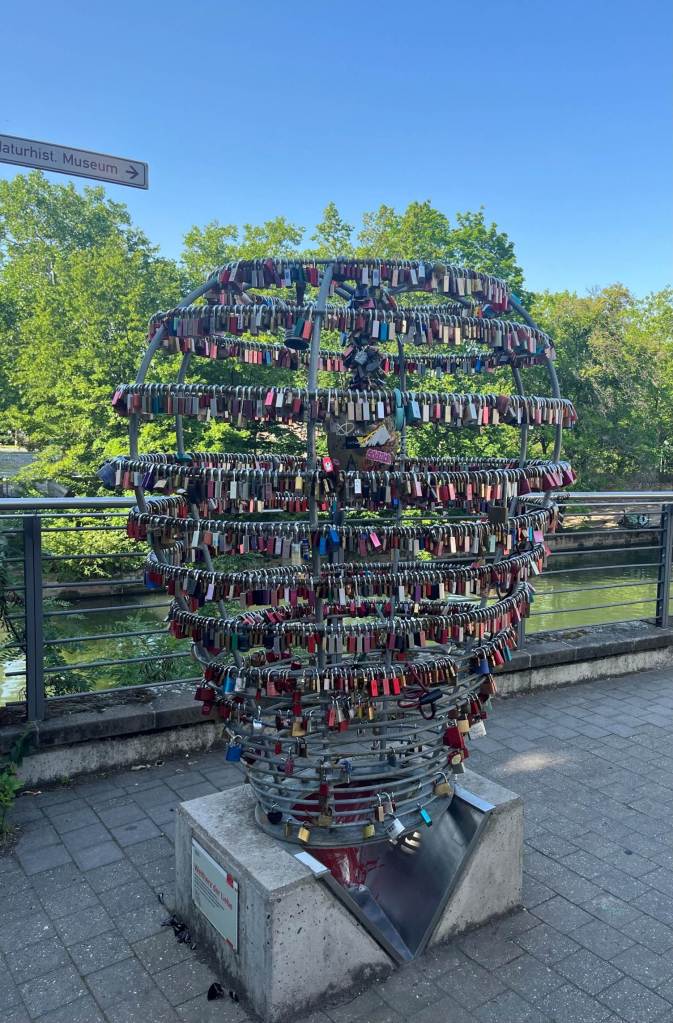
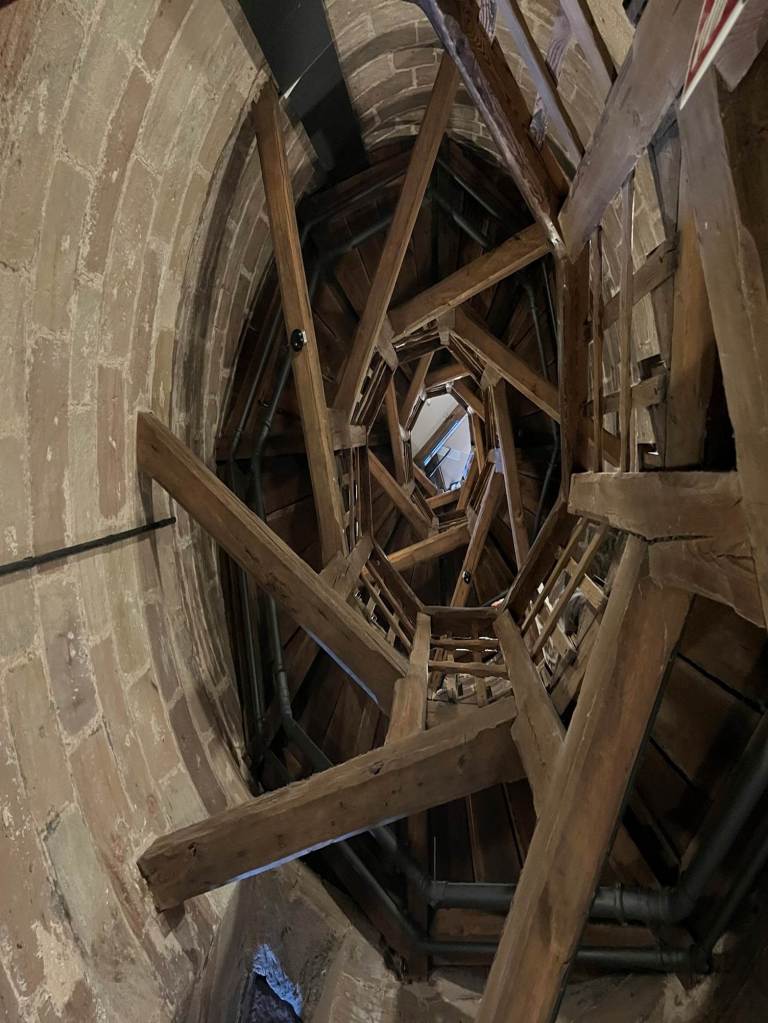
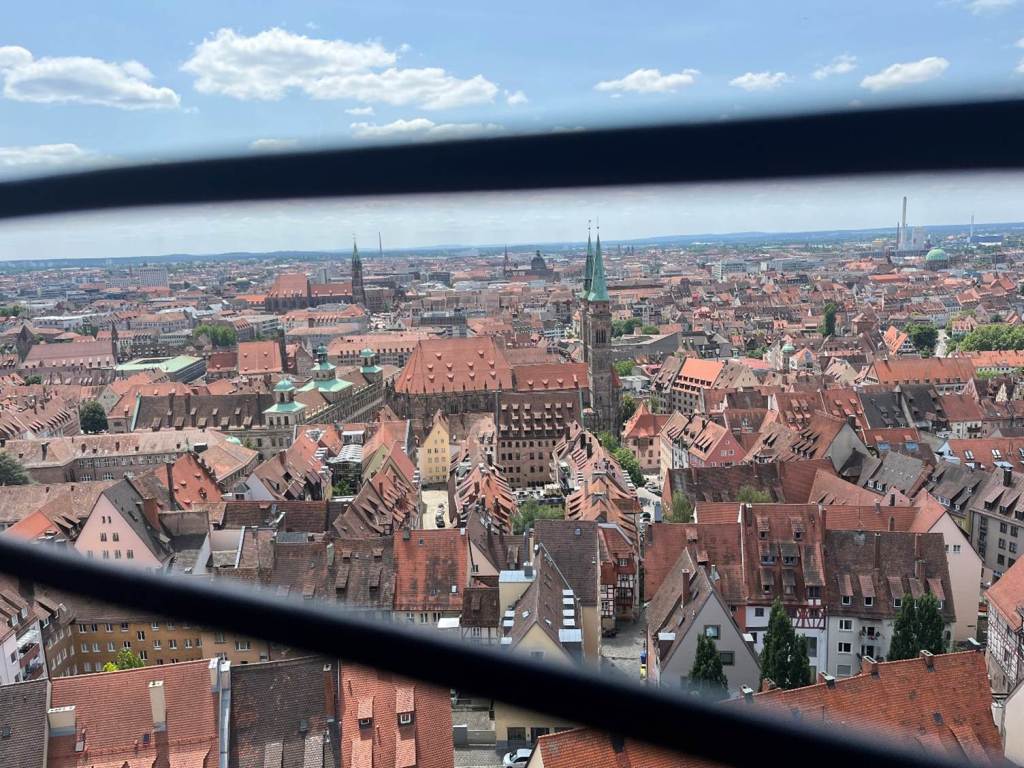
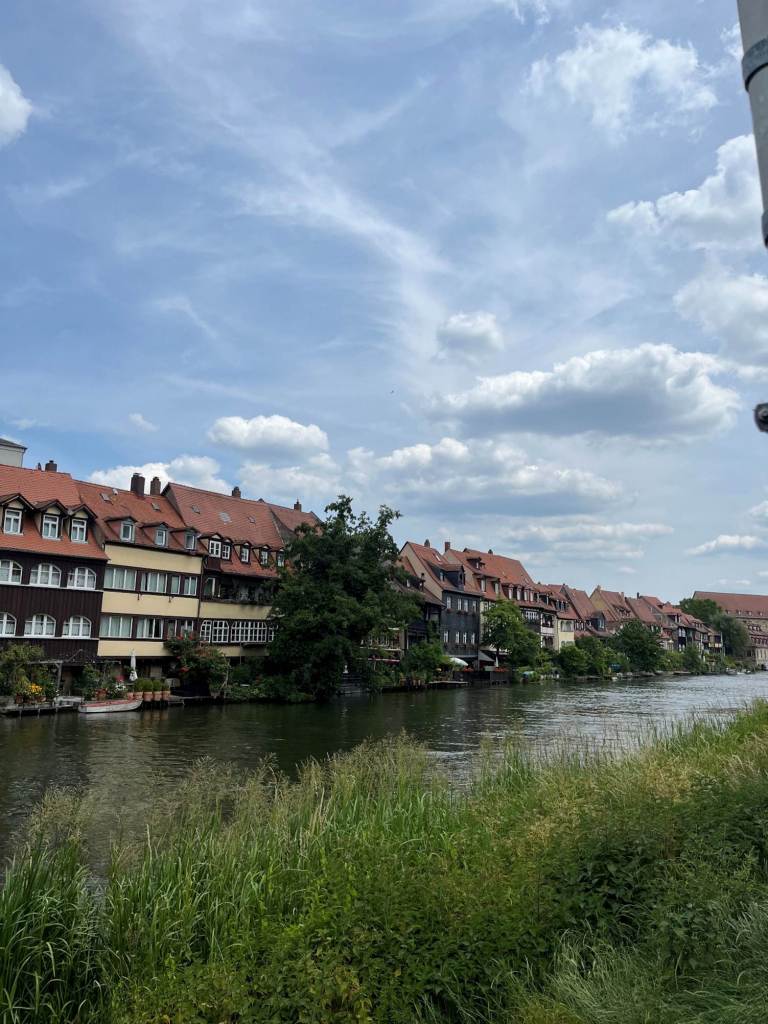
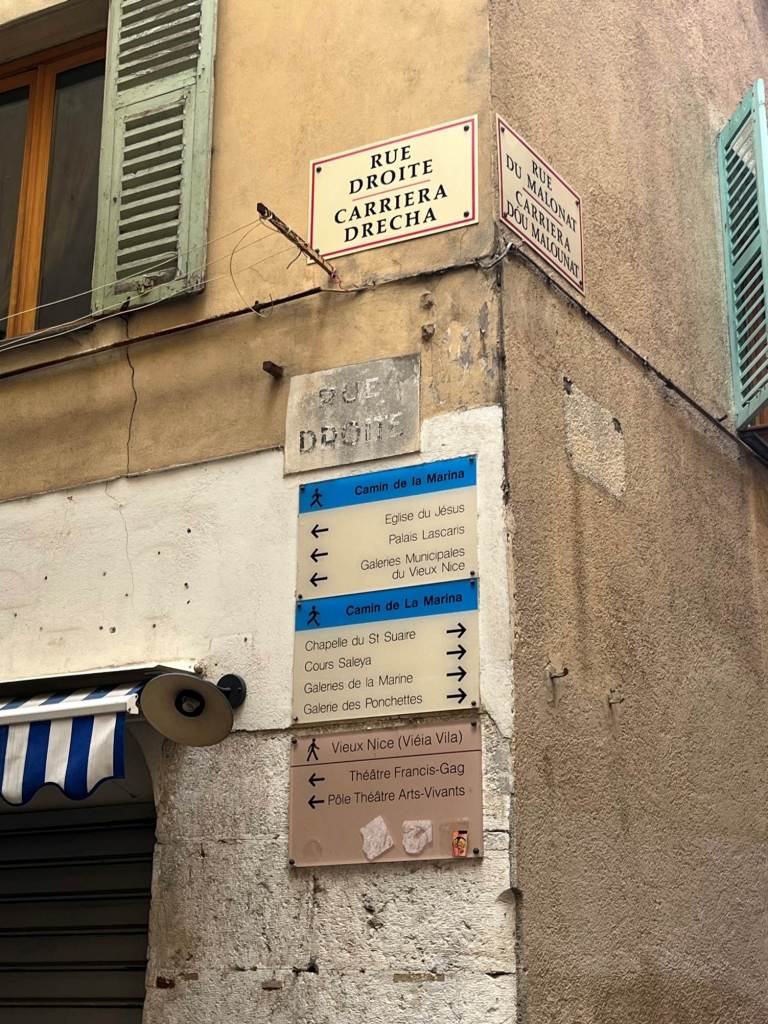
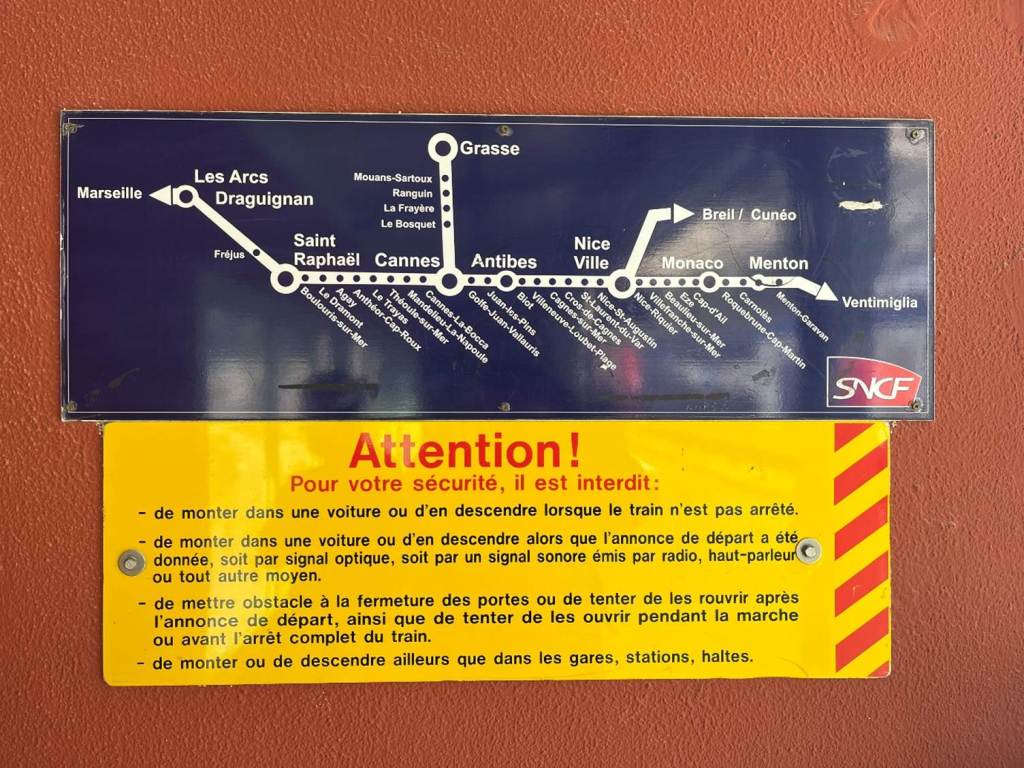


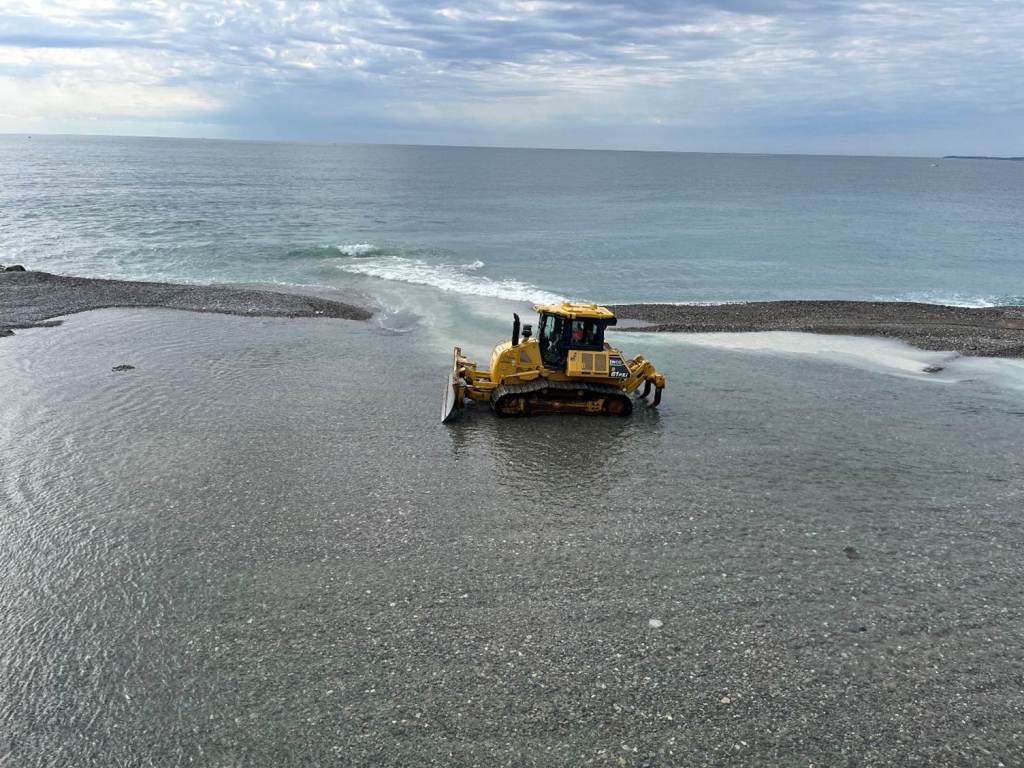
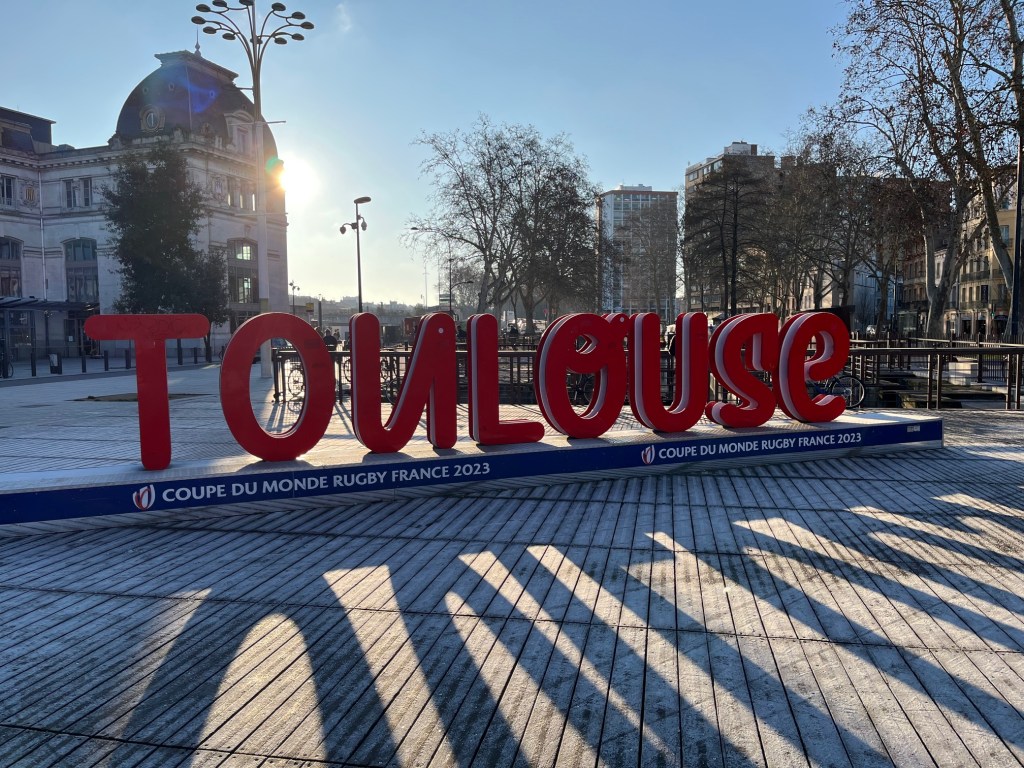
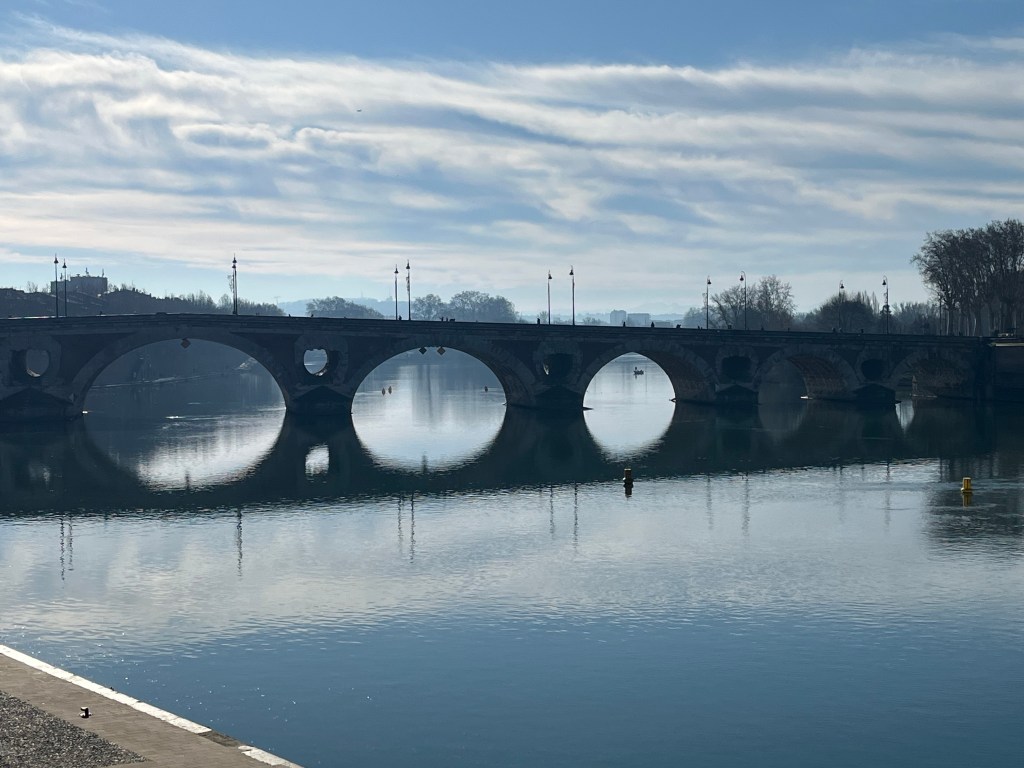
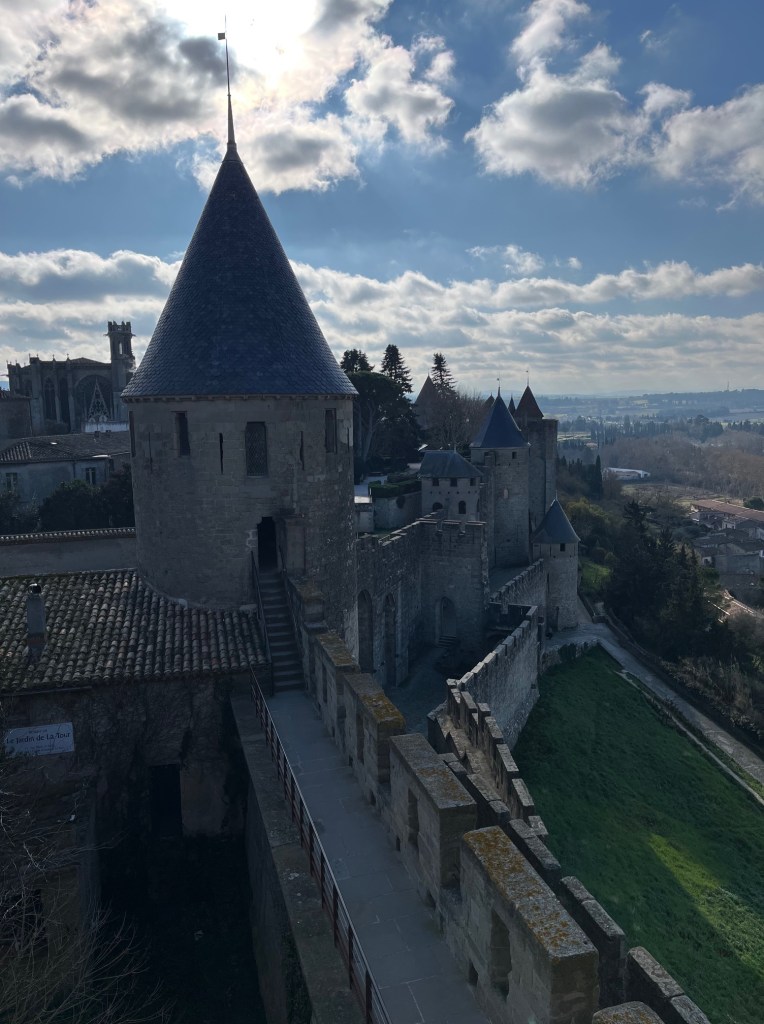
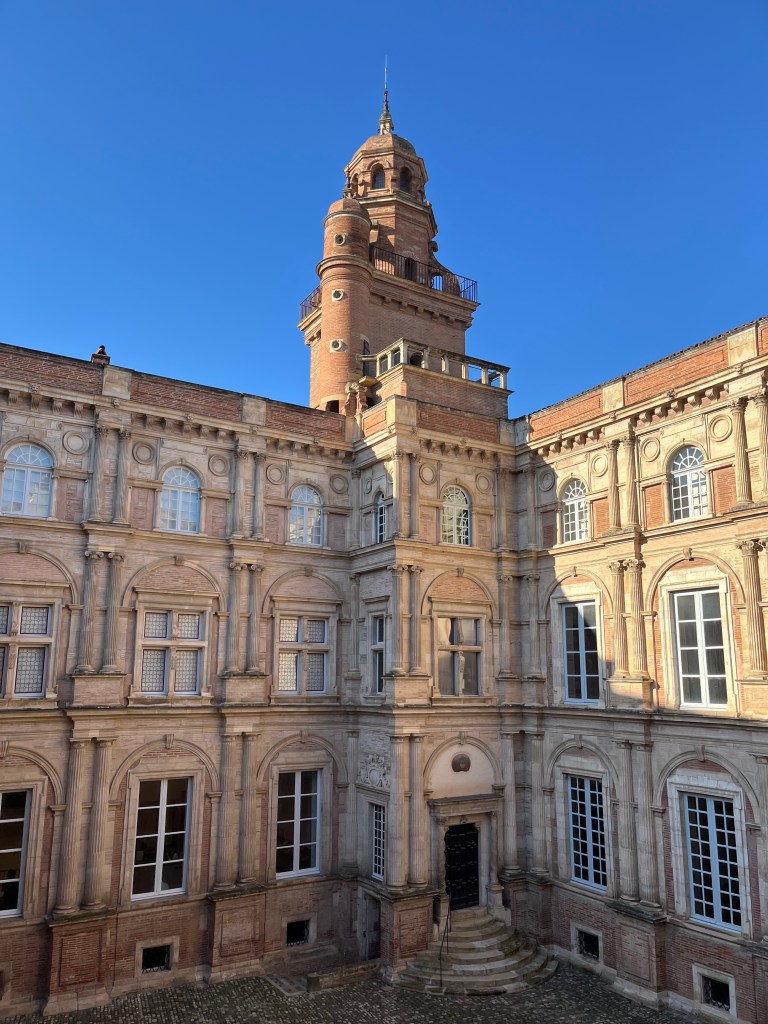
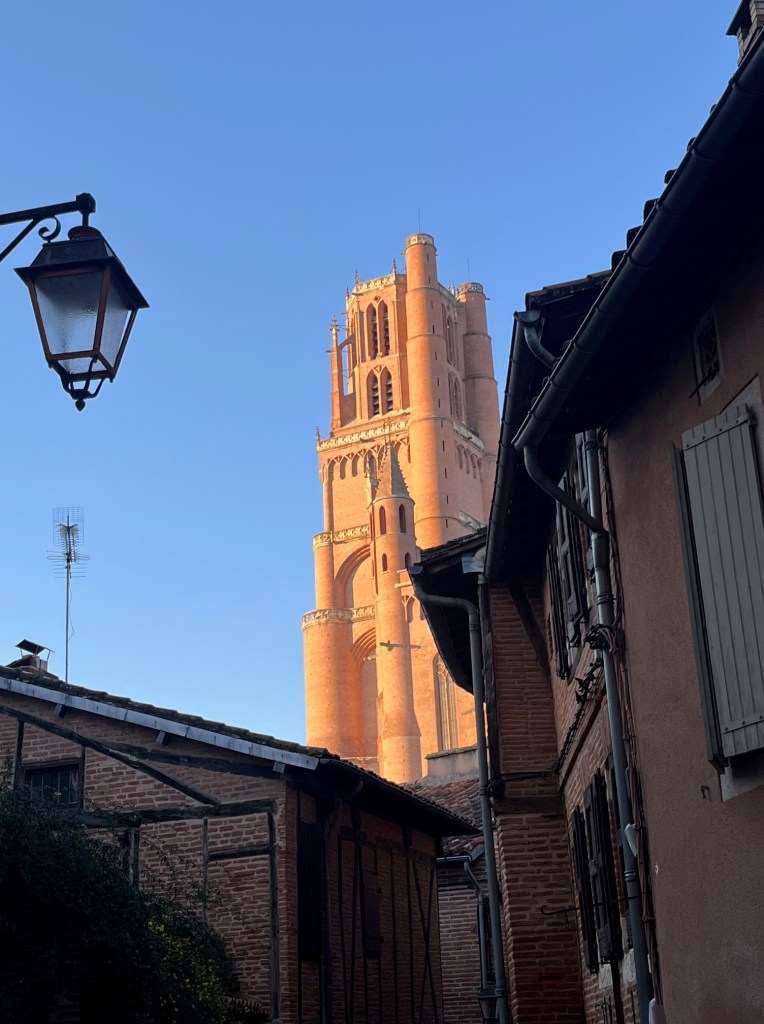
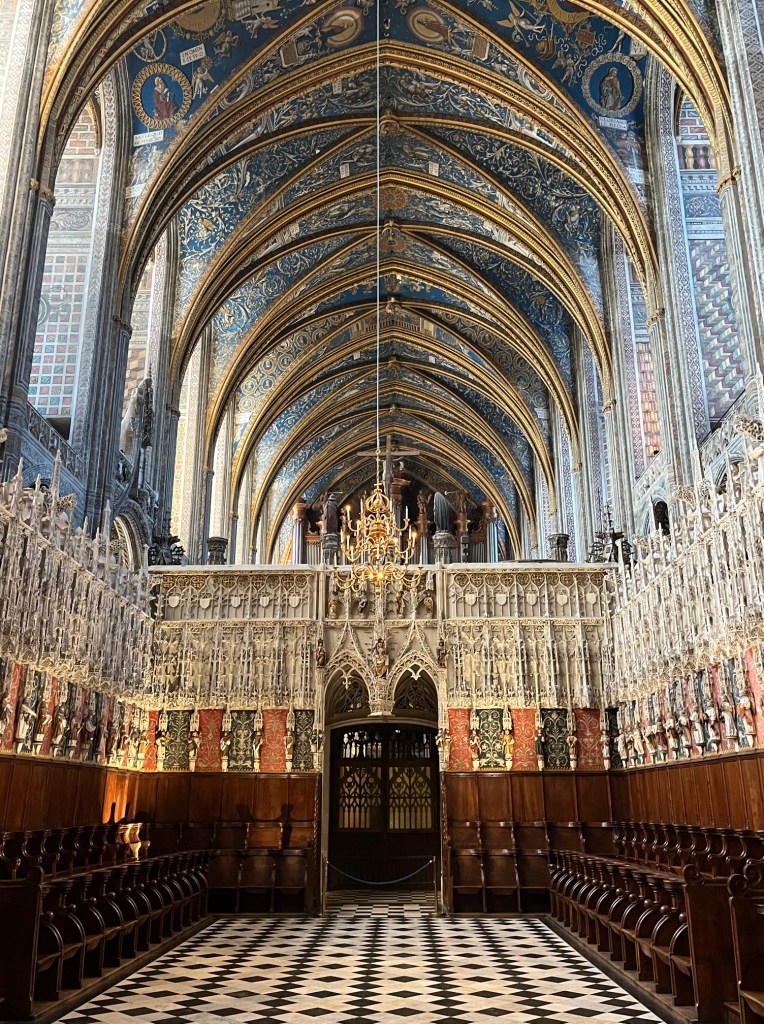

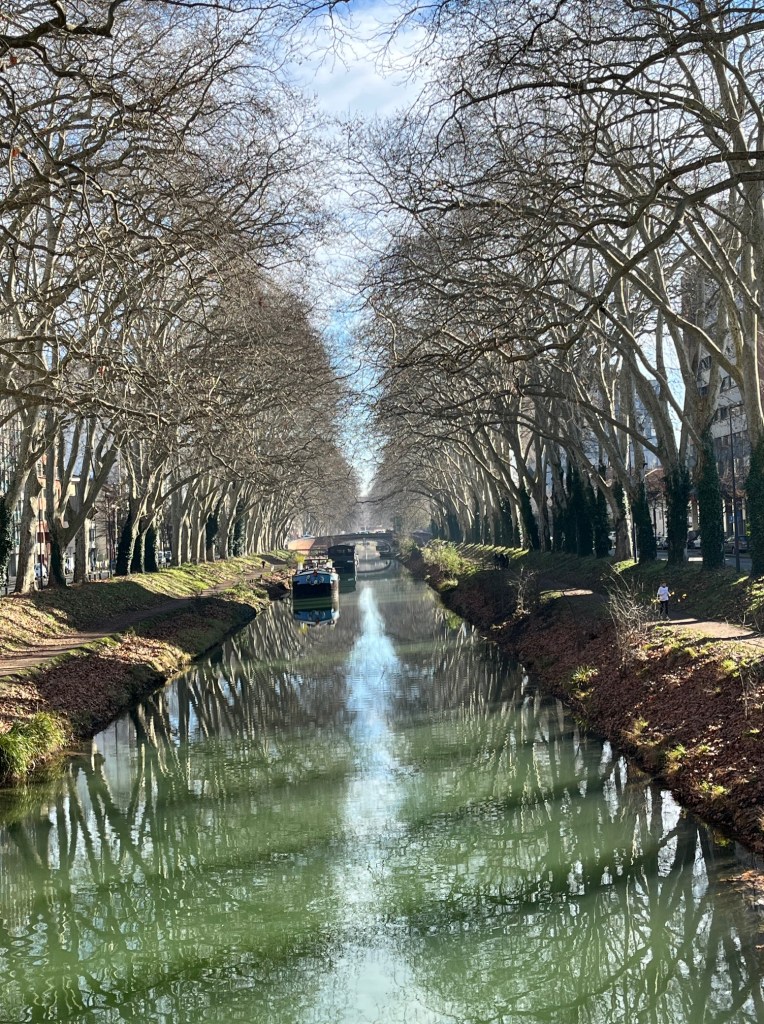
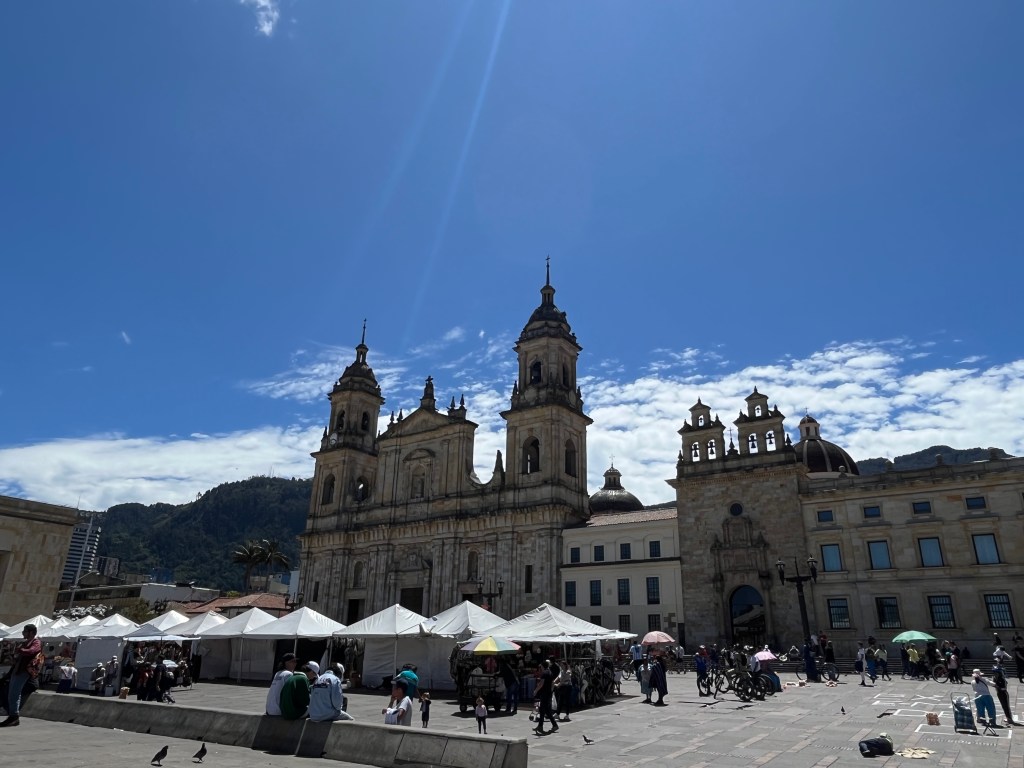
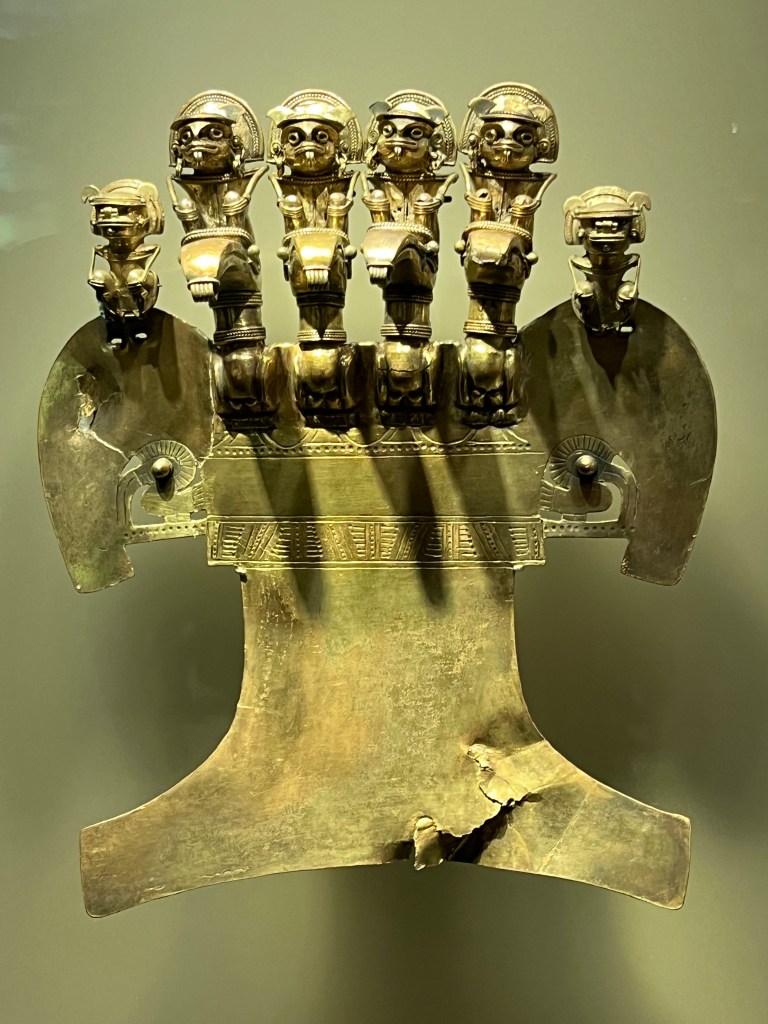


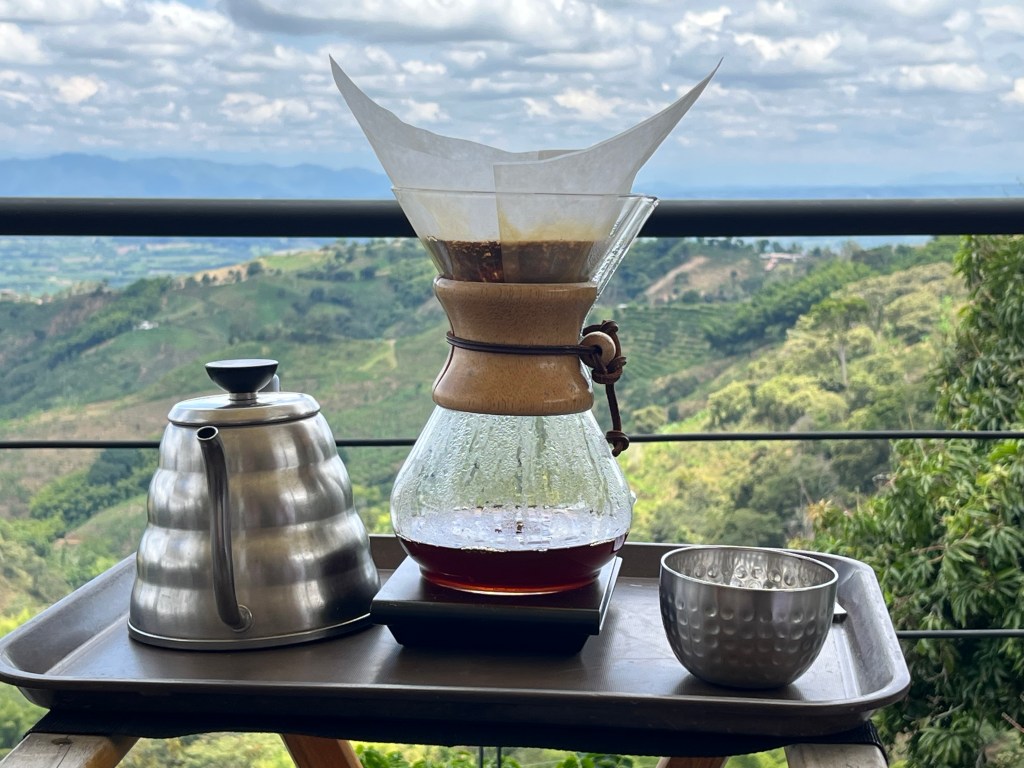
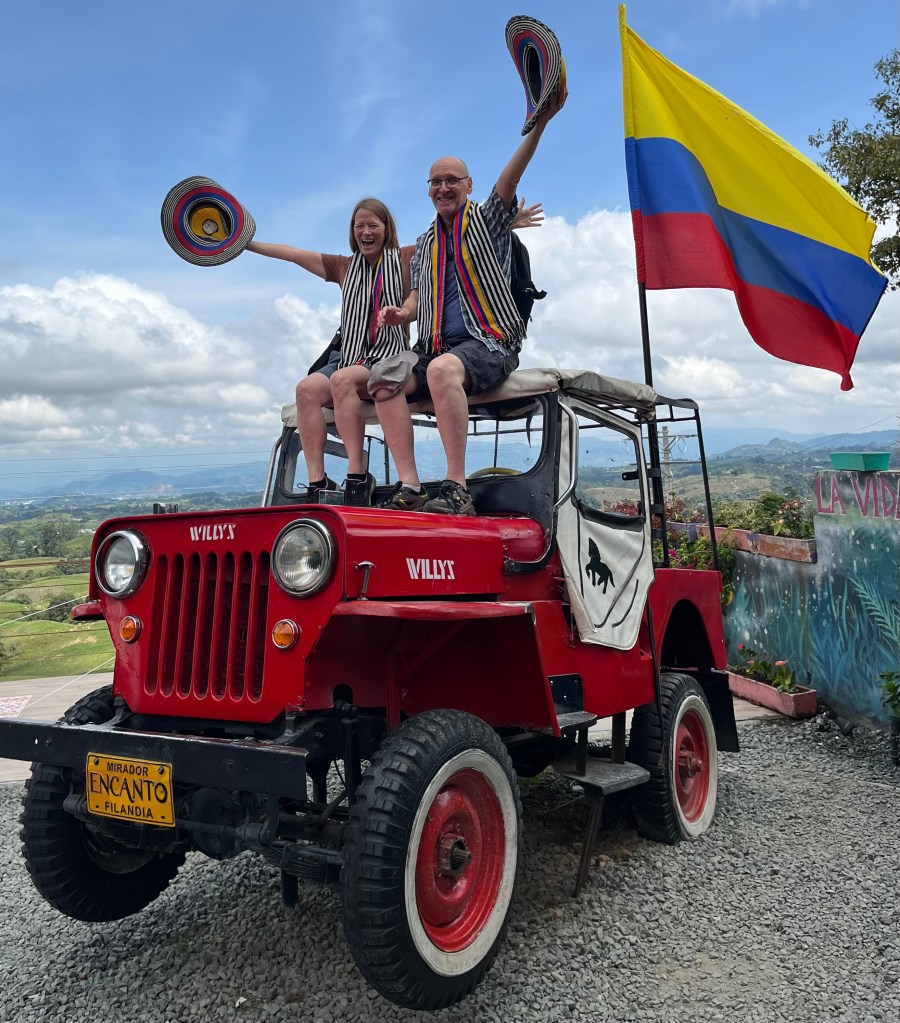
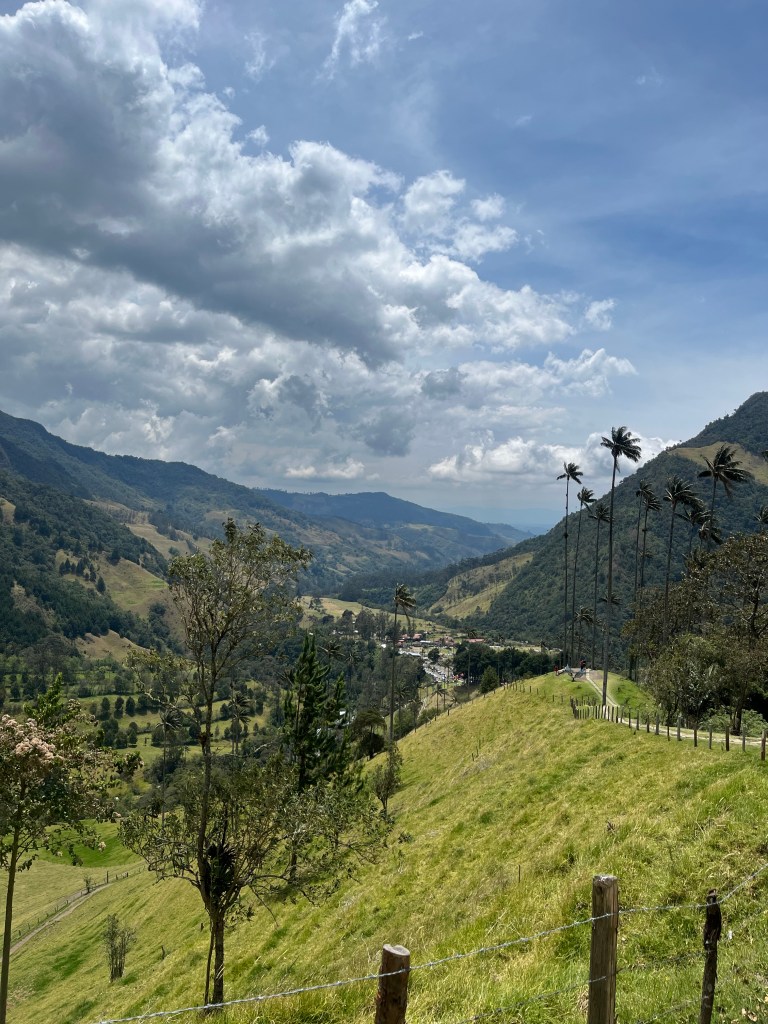
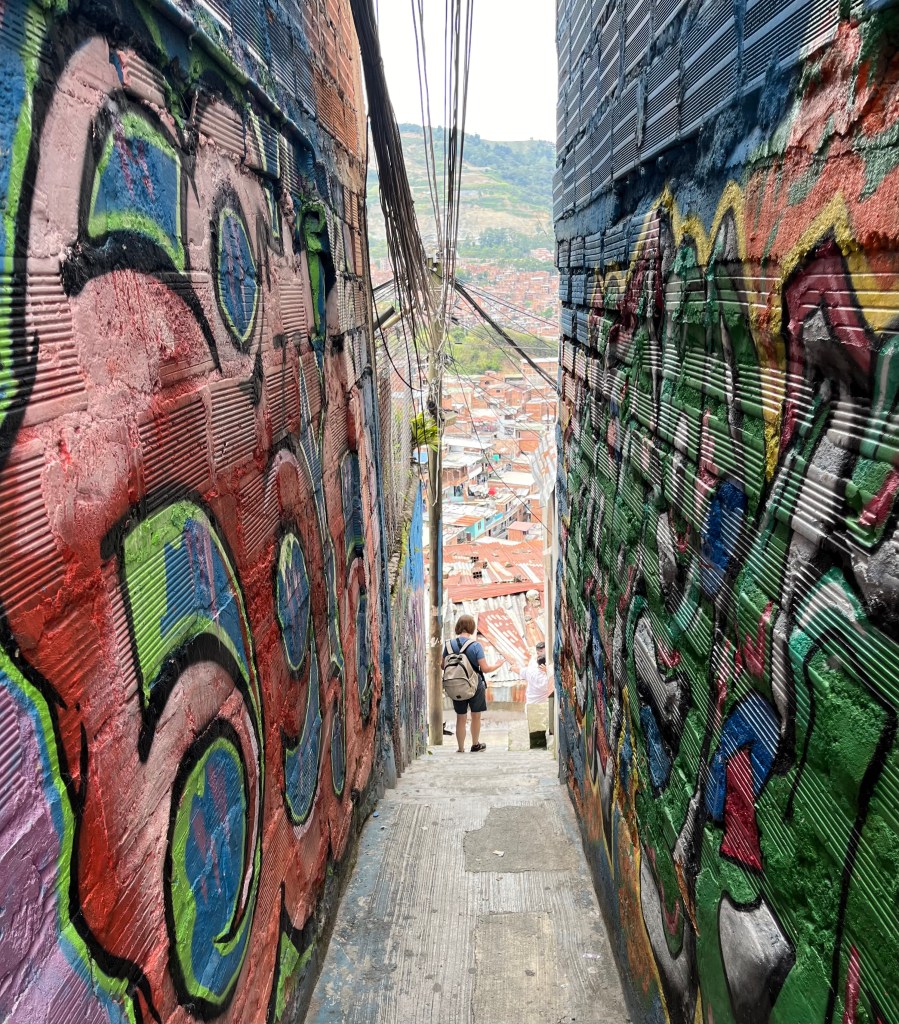

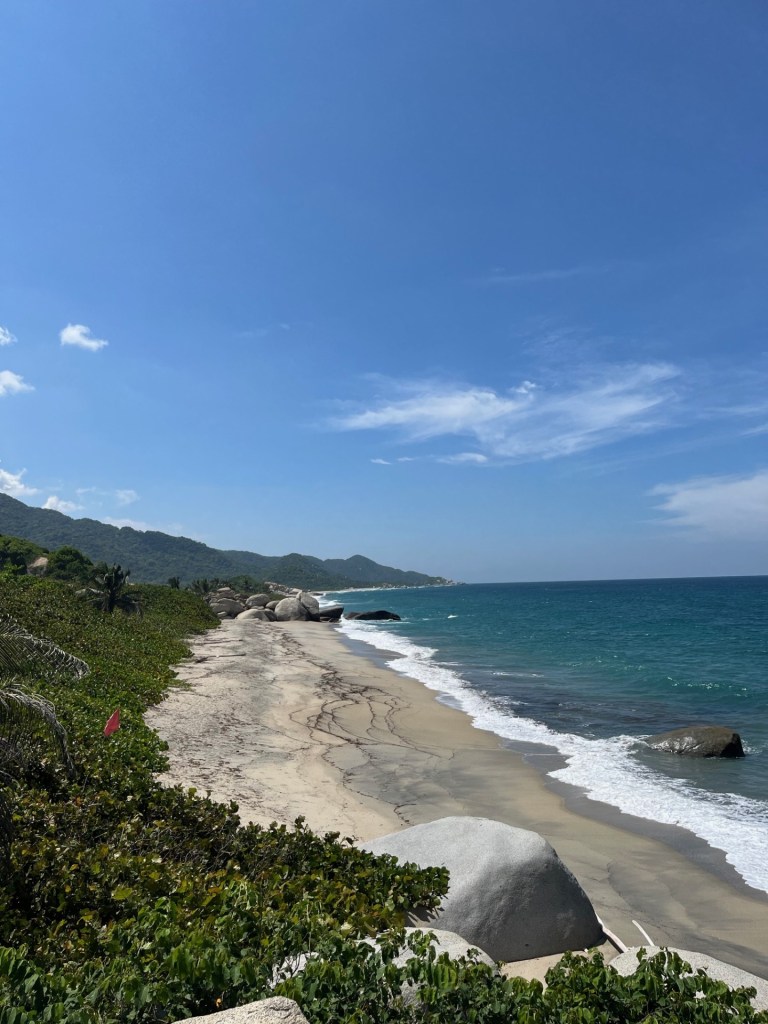
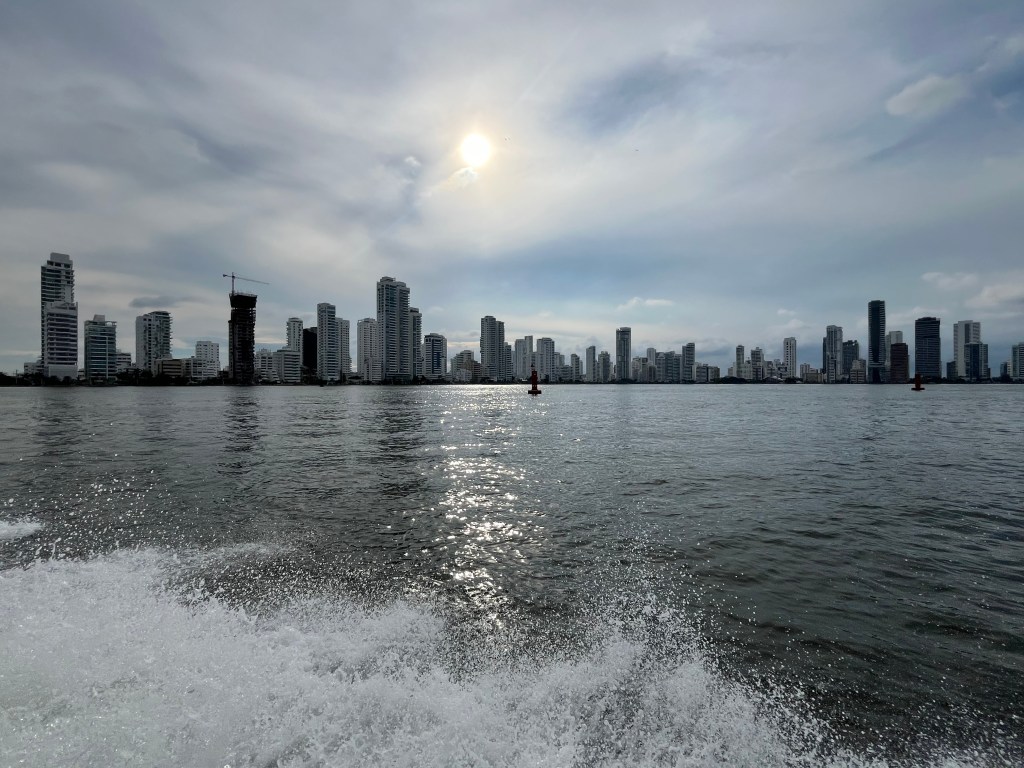
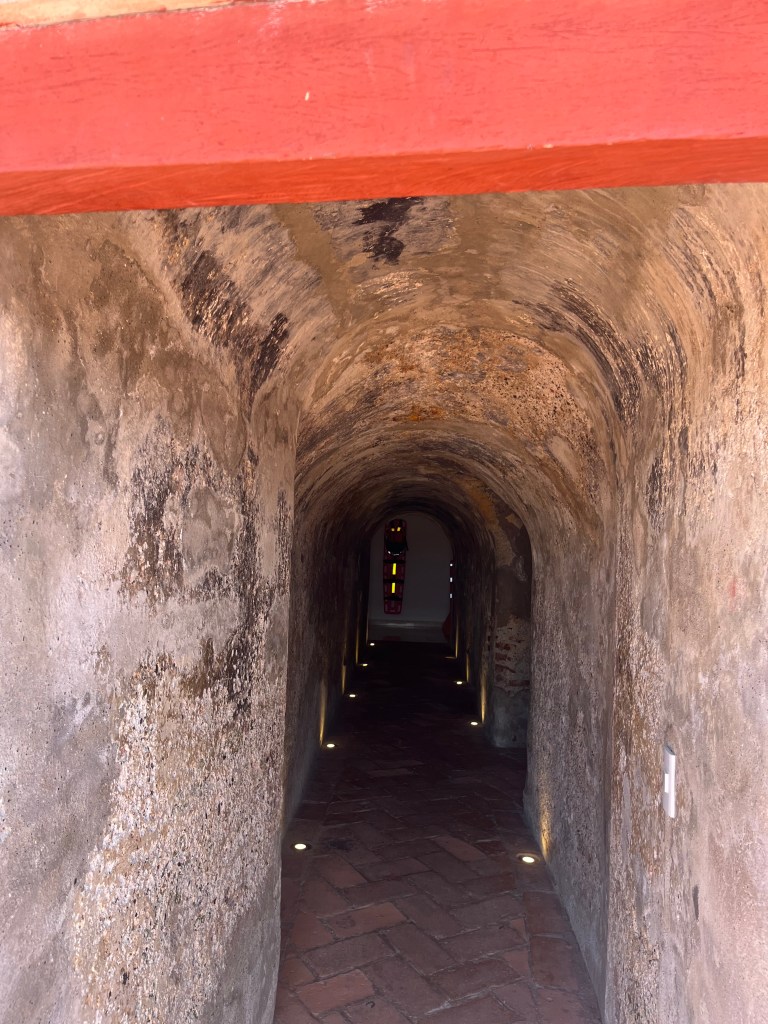

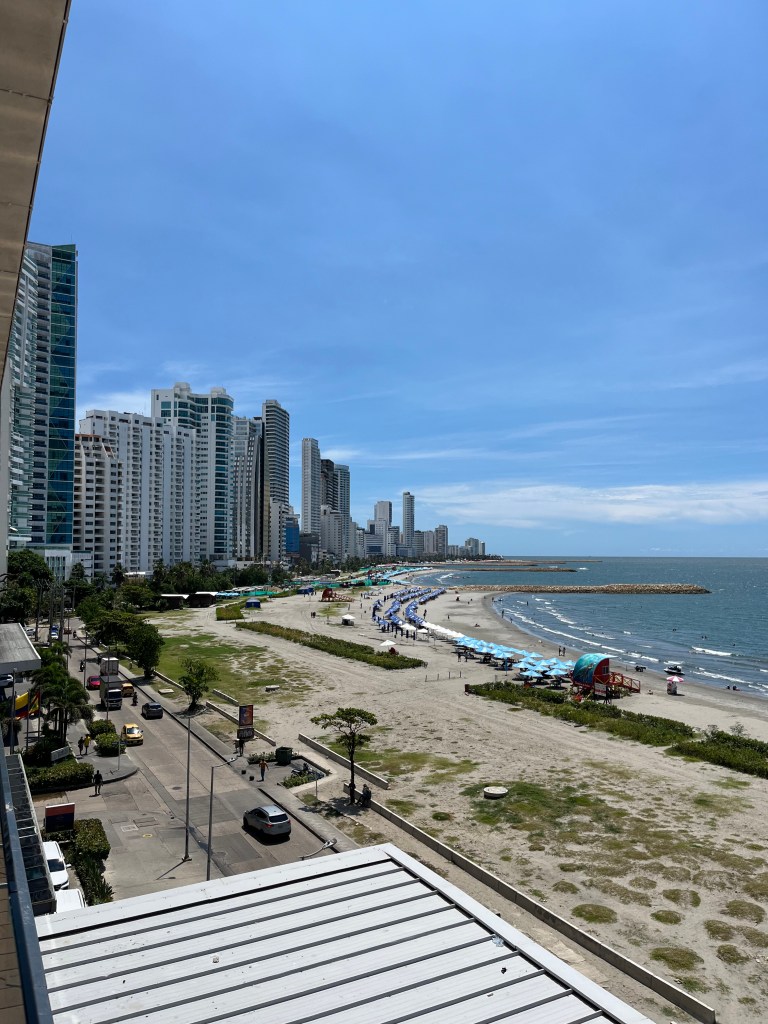
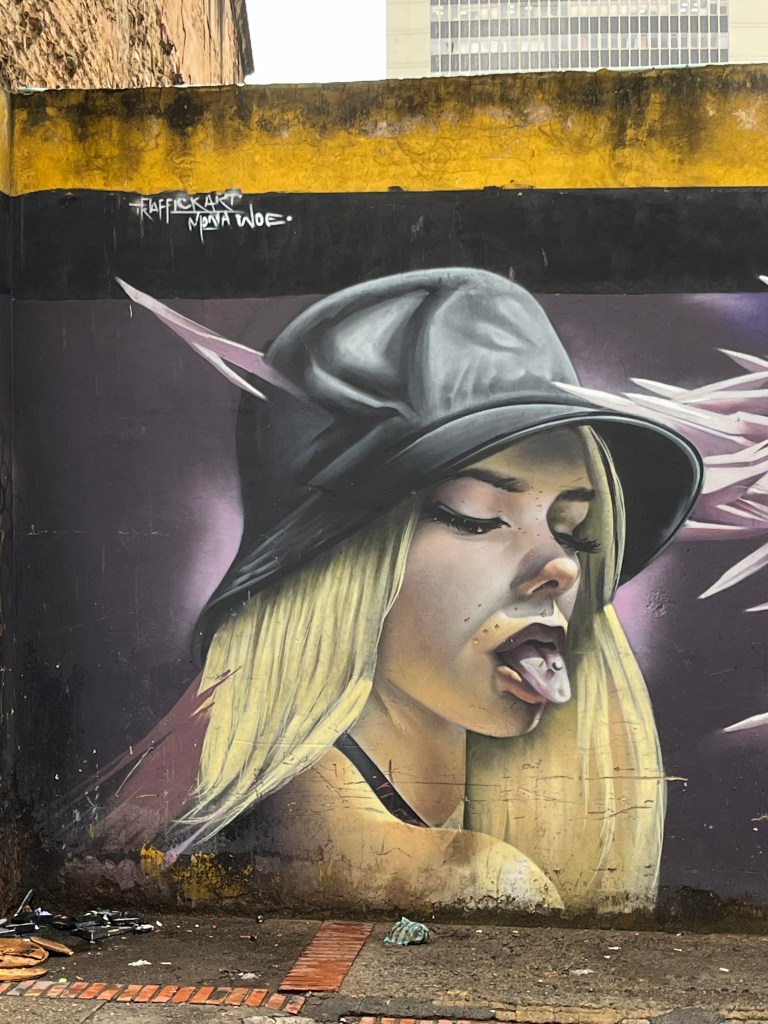
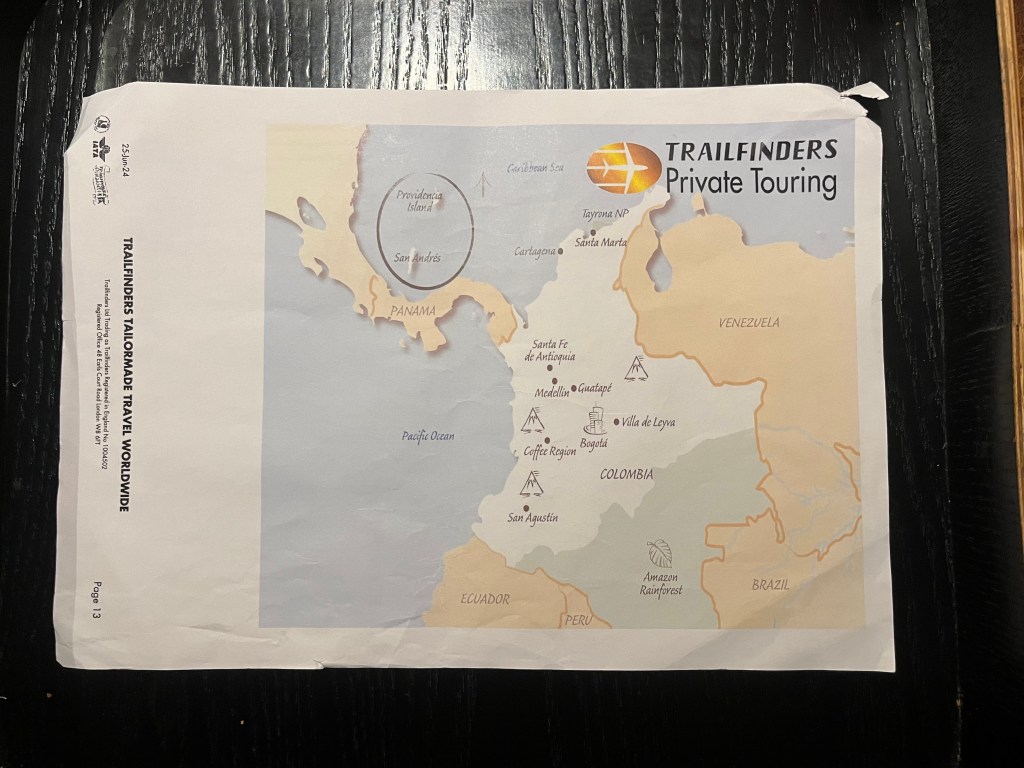
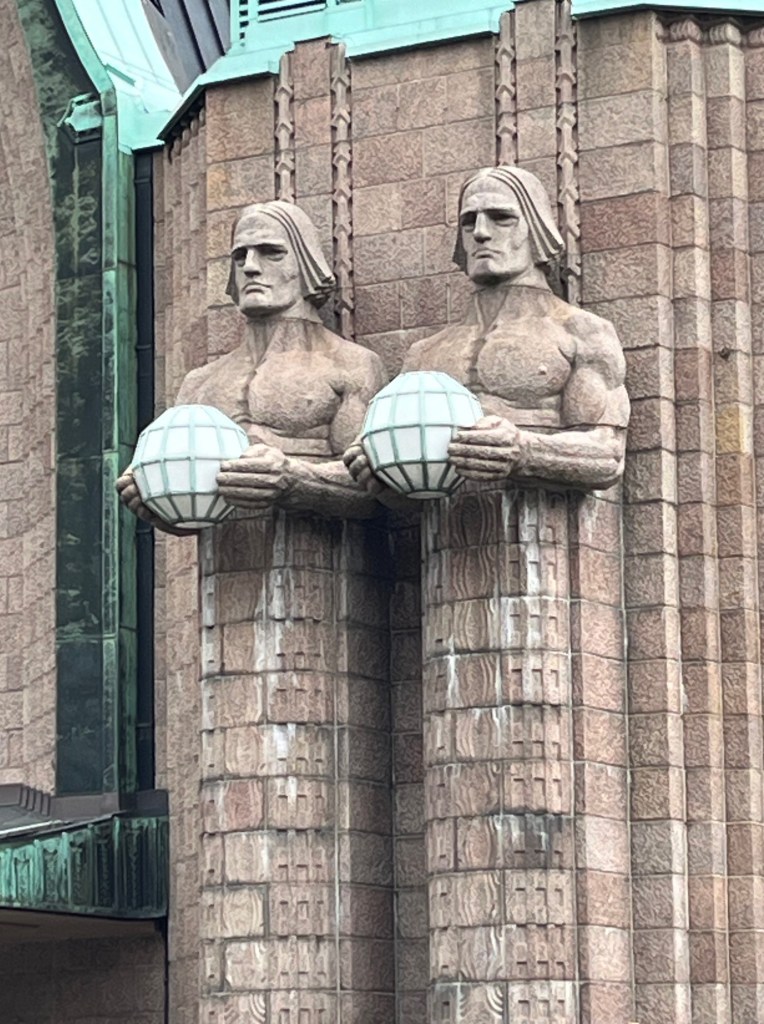
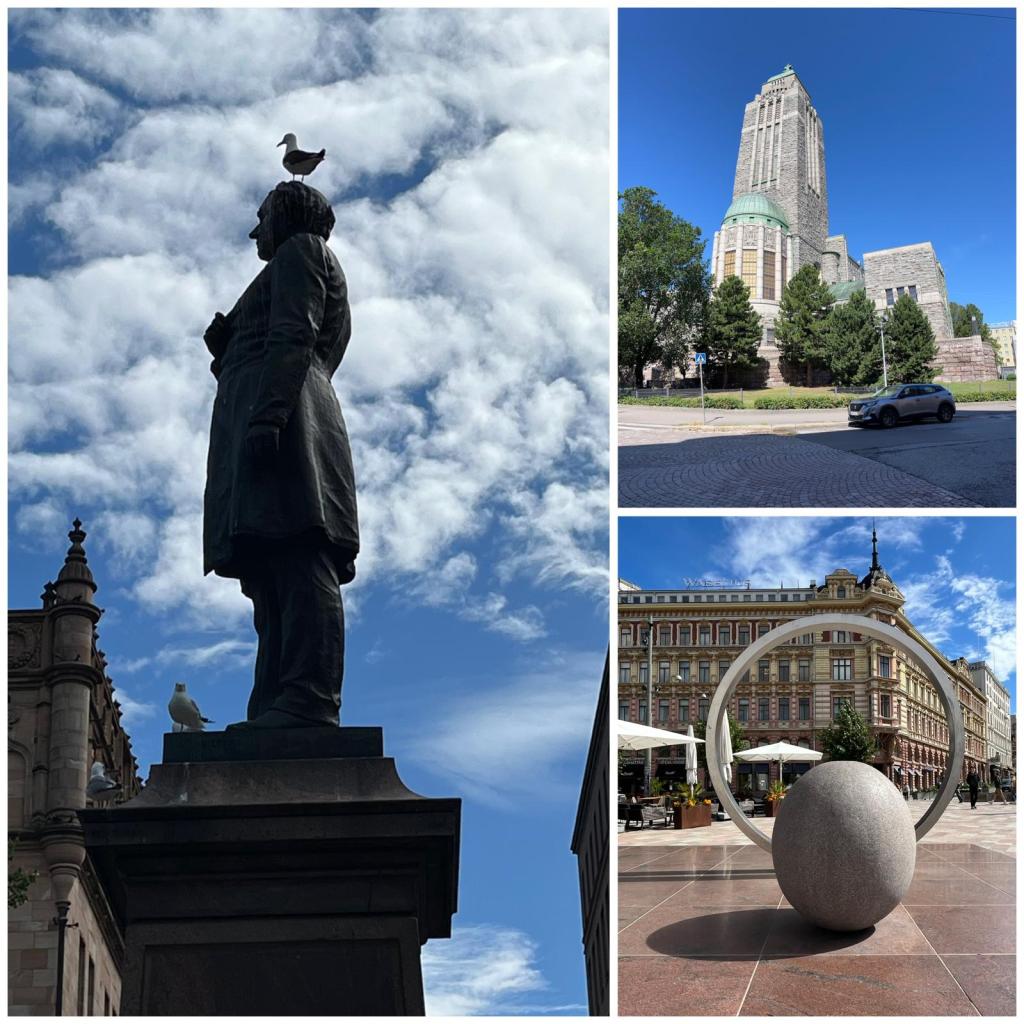
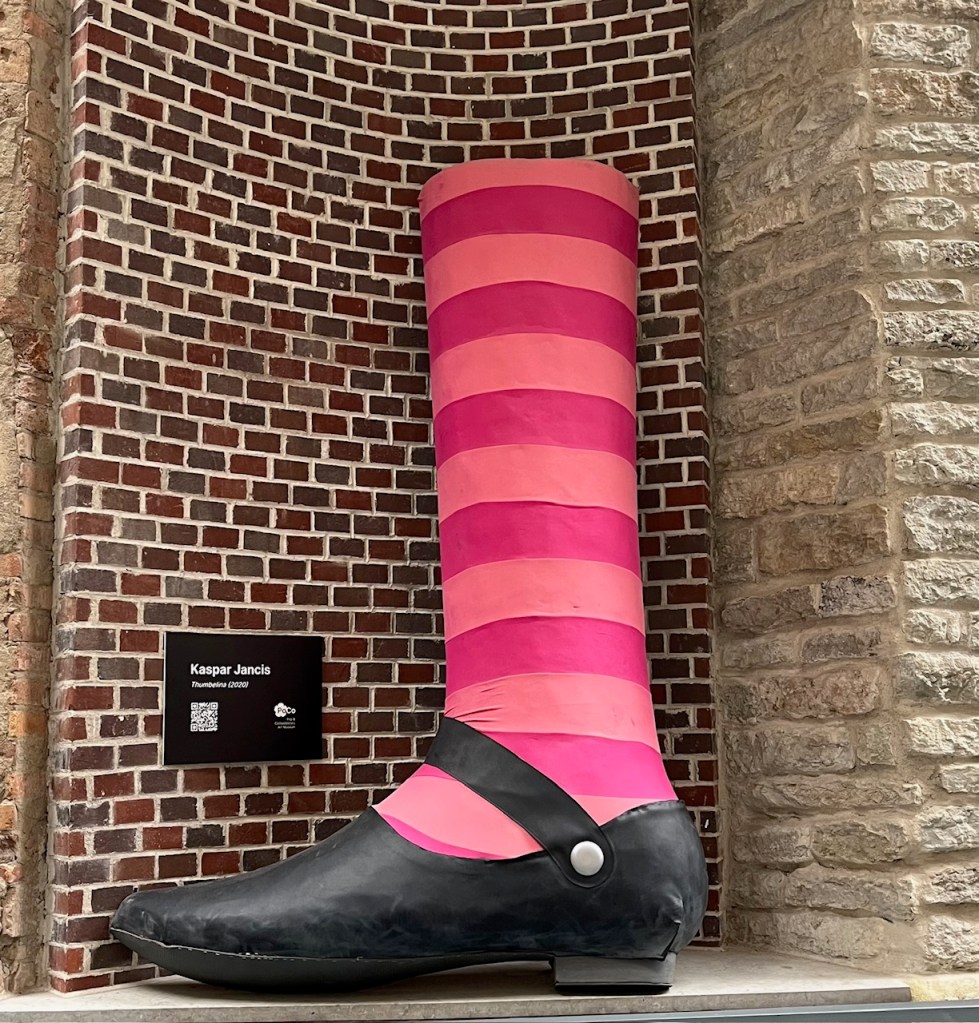
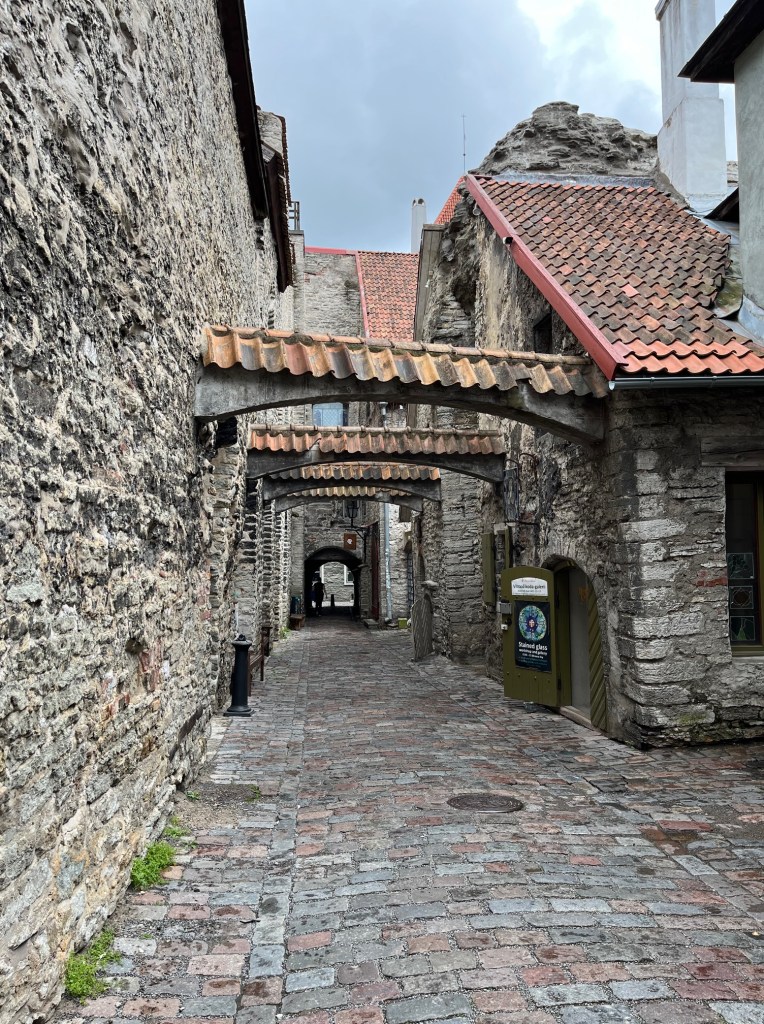
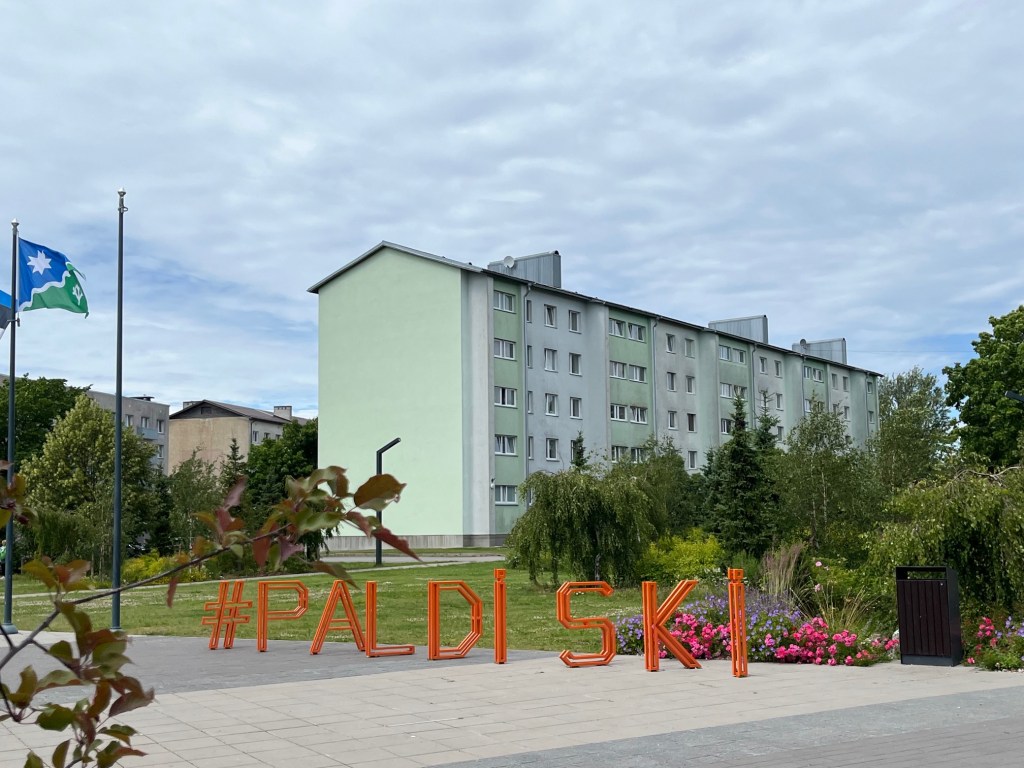
 Tony's Travel Blog