Sus had 3 weeks off before beginning new role. I’m inbetween jobs. And rather enjoying it. If I didn’t have to work, I wouldn’t work. Something I recognized in my thirties.
And so, a perfect opportunity for a last impertinent city break before Christmas. Marvellous.
Rotterdam, the lucky winner. Neither’s visited, plus attraction of direct city centre (OK, St Pancras) to Rotterdam Centraal. By Eurostar.
St Pancras Eurostar terminal a tad tight – when multiple trains departing around the same time – otherwise perfectly serviceable. Journey delayed but pleasantly painless.
We decided to stroll from Rotterdam Centraal to our hotel (Leuvehaven), perhaps 25 minutes.
A modern shopping precinct, pleasantly pedestrianised, offers consumerism for the conspicuous consumers. The precincts appeared dated, but shoppers are offered local and international chains plus a surprisingly number of high end outlets.
Arrived at hotel around 2pm, too early to check in. Dumped bags, went a wandering. For 4 hours.
Ambled, alongside one of several canals inhabiting Rotterdam, to Markthal. Apartments outside, food hall inside. It’s massive, modern, resembling a mutant Swiss roll. Food stalls galore, world cuisines, cheese purveyors, chocolate aficionados. Didn’t partake, this time.
Verdins Bierwinkel – apart from an amusing name – tempts beer tipplers with 500 plus beers. Mostly on shelves with one fridge. No drinking in, purely takeout. Purchased local brews for the hotel.
Lovely chap dispensing advice and wisdom.
Delfshaven, Fenix Food Factory
Delfshaven, on the right bank of river Nieuwe Maas, actually grew up around Delft port, before being swallowed whole by Rotterdam. Yummy.
Lucky Delfshaven largely escaped the attention of the German Luftwaffe during WW2 and survives largely intact. It’s a charming mix of canals, traditional architecture (dating back to the 17th century) and converted barges. Oh yes, and a windmill.
The burb was also where pilgrims sailed to both the UK and the US. Which local establishments have made the most of.
We meandered, parts not on the tourist tick box list, parts that undoubtedly were. Aim for Voorhaven and your sightseeing dreams will come true. Delfshaven is not Venice. Attractive rather than out and out pretty. Very much feels like a neighbourhood on the up, gentrification flowing through its watery arteries.
Nevertheless, it makes for a delightful Rotterdam excursion.
Rotterdam has an efficient, clean and comfortable metro system. Trams complement the metro. Both transport modes are contactless touch in, touch out.
Not all systems are created equal. We’re spoilt with London’s travel infrastructure, mostly efficient, occasionally frustrating,
However, one additional stand out feature was an ability to touch in, touch out when using trains. Certainly between Rotterdam and Delft and Rotterdam and Utrecht. Not sure that’s, as yet, widespread in the UK.
Said system smoothly conveyed both to Katendrecht, a Rotterdam district on the south bank of the Nieuwe Maas. The city’s dockland area.
And home to the Fenix Food Factory.
It’s a fascinating neighbourhood. Modern residential and office blocks, construction and empty lots, warehouses. Interspersed with waterways. Scruffy around the edges.
Museums, eateries and bars hope to entice and create a thriving community. And appear to be succeeding. Some of the modern architecture is striking, however the warehouses are the highlight. One in particular was gorgeous. It’s reminiscent of London’s Canary Wharf with a sprinkling of Stratford and a pinch of St Pancras thrown in. It works.
Fenix Food Factory lives in one of those warehouses. Brand Fenix perhaps feels a tad contrived encompassing warehouses, museums, public spaces and food halls. Utilising the old to appeal to the new.
Nevertheless, again it works.
We comprehensively failed to discover any mythical food hall. Nevertheless, we did discover Kaapse Brouwers. Think Dutch Brewdog. Decent fodder, ok brews, striking venue.
A large outdoor space, overlooking the water, provides tipplers with a choice of street vendor. The mythical food hall. In the warmer months. Not December.
Leaving the warmth of Kaapse Brouwers we traversed one of the many waterways into Wilhelminaplein, a bustling Rotterdam neighbourhood. Situated at the southern end of the handsome and iconic Erasmus Bridge – witnessed from our hotel – Wilhelminaplein predictably consists of warehouses and contemporary buildings.
And Rotterdam’s Cruise Ship Terminal. Which perhaps explains the more upscale and upmarket feel vibe.
We enjoyed both these developing districts. Much preferring reconstituted docklands to not so reconstituted Delfshaven. We were able to visit both, if you have time for only one make it Katendrecht.
Zwaanshalskwartier, Centraal, Other Bits
Tram 7, alighting at Noorderbrug, deposits sightseers to Zwaanshalskwartier. Swan neck in English. It’s not often something sounds better in English.
Noordplein, with the ominously named River Rotte gurgling along one flank, is the main square of the area. Once famed for vegetables, wood and beer, today boasting a farmer’s market the odd Saturday. Gentrification for you.
The area is renown for boutique this, boutique that. And indeed fine examples of the genre are dotted around. Sus purchased sunglasses and a warm hat from one such vintage store.
The area is culturally diverse which the high street – Noordmolenstraat – aptly demonstrates. It’s a welcome alternative to chain store massacre.
Coffee at Wolly, on one river corner of Noordplein. Busy with locals, would have eaten there ourselves if not too early.
Opted to meander our way back to Centraal. A 40 minute stroll. Handsome streets, shimmering canals, shiny people all make up these attractive north and north west Rotterdam neighbourhoods. Only an aversion to litter bins disappoint.
The middle section of our meander was somewhat less attractive. A nondescript neighbourhood apparently and predominately populated with schools and schoolchildren. A Montessori Lyceum and international school dominate.
A park and zoo abuts school central. Oddly apt. We hoped for an nature bathing amble through the park. Unfortunately, for us not necessarily the animals, the zoo was the park. €30 each. Politely declined.
Relief was the handsomely grand thoroughfare of Westersingel/Mauritsweg. Westersingel essentially is a 19th century canal built to improve sanitation. The stately canal side town houses and villas were constructed around the same time. And remains largely intact due to those WW2 bombers never popping by.
Mauritsweg is the neighbourhood. On leaving the street with 2 names (film in there somewhere) we continued to explore M‘hood. In striking contrast to Westersingel wacky, modern architecture transforms the skyline. Liked it.
Nearby, and our intended destination, was Witte de Withstraat. The street that has it all – art, food, clubbing,
It’s agreeable enough but appeared a tad tourist trappy. Eateries not to our liking, we searched (googled) the intrawebby and discovered the nearby Madam Saigon.
Yes it does remind one of a happy ending sauna but this Madam Saigon proved a delightful Thai restaurant. Not cheap – nothing in Rotterdam is – but deliciously large dishes. Recommended.
Utrecht
Arrived in Utrecht by 10.30 am. Surprised us too. We, by chance, picked a fast train. A smidgen beneath 40 minutes. Pick the slow train (nailed that on return) and looking at 3 days. An hour and a quarter.
The window vistas were neither urban nor countryside. In a state of somewhere in-between. Doing neither any favours.
Happily, Utrecht is an improvement. A beautiful medieval centre (other centuries are available), the highlight the 14th century Domtoren Tower. And one of the lucky survivors from an stupendously destructive storm of August 1674.
St Martin’s gothic Cathedral, founded by an English monk, part of which survived the 1674 storm, is a close Domplein neighbour. A 500 year friendship. I’ve 40 plus year friendships. Puts human existence into context.
DOMunder experience guides tourists underneath the square. Roman and later ruins offer insights into past times. It’s approximately 75 minutes which includes a 25 minute introductory chat. And priced at €15pp perhaps only for Roman ruin fanatics. Reasonably interesting though suspect better ways to forgo €15.
Foddered, strolled pleasantly through the town bringing us to De Drie Dorstige Herten. For an ale or two. Obviously. Bijou, 17th century, table service only. No standing allowed.
Ten taps, numerous cans tempt tipplers. Felt local and perhaps throwback to previous times. Each beer was delivered with brief tasting notes from the barman. And possible owner. Give them some love and pop by.
Slow train back. Sus nodded off. Quick trip to a our new, bestest supermarket, Albert Heijn.
Returned to our hotel 11 hours after departing.
Utrecht is a beautiful and easily recommendable day trip. We spent perhaps 4 hours exploring ticking off the majority of major sites. To be honest, Utrecht is deserving of an overnight stay, perhaps a second if plans include beyond the old town.
Delft
Wasn’t originally in our thoughts. Both have previously visited. However, it’s only 10-12 minutes by train from Rotterdam so rude not too.
Delft train station warrants a mention. In complete contrast to the old town, a homage to modernity.
Delft, renowned for blue and white pottery (Delftware), is canal ringed and the both birthplace and once home of Vermeer. Oddly, his daubs are predominately to be found in the Rijksmuseum. In Amsterdam.
I know, I’ve been. Big Vermeer fan.
Canals again reign supreme, the Oude Delft Canal the most famous. Architecture encompasses the 12th century (Oude Kerk), 13th century (the then Nieuwe Kerk) and the Renaissance. It’s an easy town to love. And happily meander.
We’d discovered Het Klooster, serendipitously obviously, shortly after our arrival. And returned several exploring hours later.
Thirty taps, predominantly local with Brewdog, Guinness (London Black is much better) and other guests making an appearance.
Charming indoors, with tippling pews upstairs and downstairs. Worth an ale or two.
Return to Rotterdam, return to Markthal. Suspected, on our first run through, this might be street food by numbers. We were right. Neither meals was especially inspiring and none of the other stalls appeared especially appealing.
Windmills and a town called Kinderdijk
Our final day. A morning sauna (we turned it on) and a quick steam. Packed, left luggage with hotel and departed on our final excursion – Kinderdijk.
Another UNESCO World Heritage Site.
Train and tram will land one in the town of Kinderdijk. It’s tad convoluted. And, depending on where you’re departing, slow. Our hotel was based in convenient Leuvehaven, the historic harbour of Rotterdam. Canals, much sought after and beautifully restored Dutch barges, old cranes all contribute to a fascinating district. The area also houses the Maritime Museum.
Obviously, being a harbour, it was a prime target for the German Luftwaffe. And destroyed. Today it’s not so destroyed.
However, even from Leuvehaven, we’d need over an hour to visit Kinderdijk. Not great for last day anxiety.
Alternatively purchase, for a most reasonable €20 outlay, an all-inclusive Kinderdijk ticket. Included is a high speed return water bus (30 minutes), entrance into 2 windmills and old steam pumping station plus others treats I can’t be arsed to mention. Bargain.
Water management of the Alblasserwaard, in the form of dykes and canals, instigated by the foresighted Graaf Floris V, actually began in the 12 century.
The Het Grote drainage canal was the first to be extended to Kinderdijk. A second drainage canal, Het Nieuwe Waterschap, was also extended to Kinderdijk. Predictably, both canals had their own water authorities. Predictably, they argued.
The windmills we see today were constructed in the first half of the 18th century to pump water from the Alblasserwaard and into storage reservoirs. No longer in use, a modern electrical, and infinitely more efficient pump, has made them long since redundant.
We spent maybe 2.5 hours strolling through reeds, windmills and popping in and out of attractions. The flat landscape bestows a fitting backdrop.
A small passenger boat (included, obviously), shadows the pathway, transporting those preferring water to walking. We walked. Partly, though not entirely, because we missed the passenger boat.
Beware, the return water bus sails to the city on the three quarter hour, every hour. And, the last one was early evening.
Kinderdijk was a genuine surprise. Enjoyable, instructive and striking. A fascinating time capsule into another time. Undoubtably merits a half day.
Back to our hotel ‘hood and a top notch curry (Atithi). Collected bags and headed home. Eurostar and Picadilly Line both on best behaviour and arrived chez us a little before midnight.
Final Thoughts
Rotterdam is not an especially pretty city. Blame the German WW2 Luftwaffe. Modern architecture dominates, and in the main, succeeds. Canals, and the wildlife they accommodate, are particularly welcome.
Being a port it’s thankfully culturally diverse, unlike Seville. Seville’s lack of diversity was actually a bit of a shock, particularly living in London.
And as with any large city, food, drink, shopping and entertainment options are endless. Green spaces are plentiful and the transport system efficient.
Both Delft and Utrecht merit day trips. Neither are arduous or especially expensive to reach. Sus preferred Delft, Utrecht edged it for me. Hope that helps.
Rotterdam, Delft and Utrecht are cycling towns. Cycle lanes are alongside major roads and become quickly populated during peak times. These ubiquitous cycle lanes, and the cities being relatively flat, undoubtably aid the cycle. And most appeared to be non-electric.
Forget and you may find a bike parked where the sun don’t shine.
London is a long, long way behind.
Would we choose to live in Rotterdam? Probably not. We both preferred the not too dissimilar Hamburg. Nevertheless, if you were to get deposited there, it certainly wouldn’t be a burden.
Many thanks for reading and wishing all a wonderful 2026 (Tony, December 2025)
A return to Seville. Visiting chums whose fabulous wedding we’d attended, in Seville, whilst Covid was still dominating world headlines. A Gatwick departure, flight and taxi to perhaps 15 minutes amble from Seville FC (where chums live) all trouble free. Ironically, neither of our hosts has any interest in the beautiful game.
Landing quite late meant, once gossip caught up, we retired to the guest boudoir.
Carmona
Breakfast and natter completed, an Uber to Carmona, a Renaissance town overlooking the central plain of Andalusia. Cost, around €30. Journey time, 25 minutes or so.
It was chilly and damp. Those weather people had been telling fibs. Wandering around Carmona’s Renaissance historic heart it’s impossible not to notice the abundance of churches, monasteries and other religious paraphernalia. Beautiful all, but surely an over indulgence? Bygone inhabitants must have been especially keen or especially naughty.
Prominent churches include Iglesia de Santa María de la Asunción (15th century, predictably constructed on former mosque); Iglesia de San Pedro (of tower fame, dating back to 15th century); Iglesia de San Felipe (another former mosque morphed into a Renaissance church); Iglesia de San Bartolomé (more 15th century churchyness).
All received later embellishments, Baroque much favoured. There’s a few Euro entrance fee to some.
The Alcazar fortress took us a little by surprise. We hadn’t expected it to be there. Brought into existence by the Carthaginians (possibly a planet conquering alien race in Star Trek), inevitably added to by the Romans, tweaked by the Moors and finally the Christians, this fortress palace is a mighty monster.
Sadly neglect, earthquakes and vandalism have left the fortress in an unhappy state. Nevertheless, it still projects power and control, dominating the landscape in which it resides.
More positively, the striking fortress gate is integrated into the luxurious Parador de Carmona Hotel. And, on our visit, thankfully undergoing restoration.
Do have a snoop into the hotel. It’s quite beautiful and acts as a viewing platform across the Andalucía landscape. Which is surprisingly flat.
Undoubtably beautiful the historic centre feels a little run down and scruffy around the edges. In its defence the chilly and damp weather and almost deserted streets did Carmona no favours.
A wait for return Uber afforded time for quick explore of the modern town. It’s an interesting contrast. OK, the weather was still rubbish but a bustling high street and attractive neighbourhoods left a positive impression.
Back to our hosts, who knowing of my craft beer fetish, kindly booked a table at a brewery a 10 minute walk from their home.
Unbeknown to them, Cruzcampo could never be my cup of saison. Nevertheless, the large bar is striking, live music always welcome and one IPA unexpectedly quaffable.
More importantly, and worth applauding, many of the staff are taken from less privileged backgrounds and given the opportunity to thrive. Our young lady was delightful. Worth a beer or two.
Friday morning, post brekkie, we strolled into the old town, perhaps 25 minutes from our hosts. The stroll, with exception of Estadio Ramon (Seville FC), offered little of note.
Not so the old bits. Old town Seville (Barrio Santa Cruz, a former Jewish quarter) is a heady mix of Islamic, Gothic and Renaissance architecture dotted with narrow passageways, pretty squares and grand churches. Having previously tick boxed, explored and quite possibly bought a fridge magnet, aimlessly meandering was our chosen option.
Wandered into the main university complex (mid 18th century), spotting anxious prospective parents being given the tour presumably before allowing their offspring to escape. Next, a riverside amble, the River Guadalquivir our soggy companion. Supposedly, the only navigable river in Spain and a significant factor in Seville’s trade success and subsequent development.
The new town, a mix of 18 and 19th century architecture, shouts elegance. With more modern influences, some unfortunately less successful than others.
Post welcome and excellent coffee and fresh orange juice pause, something a mite different. Standing in the Plaza de la Encarnación is Metropol Parasol, also known as the ‘mushrooms of Seville’. Supposedly the largest wooden construction in the world, opened in 2011, and an opportunity to revitalise the square. A meat and fish market lives below, stalls above. Roman ruins are cleverly incorporated into the structure. So cleverly I don’t recall spotting them.
A car park was the original fate of the square. I prefer the mushroom.
Plus, a bonus a bonus craft beer gaff lives in the meat market. Whoopee. La Joyeria. Open during day though appears to close late afternoon – presumably keeping market hours.
A noteworthy venue, though the smell might not be to all tastes. A tad meaty. And chilly. Nevertheless, six taps and couple of fridges tempt punters. The chap (owner?) serving those tempting libations is helpful and friendly. Pop in, say hello.
That evening. bus and stroll to a wine bar – Pina Lola. Another chum of host. Conversation and wine flowed, food appeared.
A final alcoholic beverage, in cocktail form, was sipped atop a hotel rooftop terrace peering over the Cathedral.
Charming way to finish off the evening.
Cordoba, Courtyards and Long Lunches
The following morning a taxi delivered us plus host to train station, a train efficiently to Cordoba in less than an hour.
Cordoba, renown for its courtyards (there’s a festival every year to prove it), is a city both have previously stayed and enjoyed. Guided by our host, and one his favourites, located in plaza de Don Gome, resides the charming 14th century Palace of Viana.
We paid only to view the 12 courtyards (believe €8.5) though other rooms can be added for an extra cost. Each courtyard is extravagantly decorated with plants and orange trees. Even, as it was, in winter. Other attractions are dotted amongst the courtyards.
The area surrounding Palace of Viana is a delightful collection of white painted terrace streets perhaps the equal of the palace itself. Leave time for a quick gander.
Familiarly nondescript neighbourhoods brought us to a Michelin recommended restaurant. Terra Olea and another host favourite.
Exquisite food, delightful company, decent wine. A suitably long lunch. One of the great pleasures of existence.
Museums and Planes
A smooth return journey followed by further tipples and conversation back at our hosts.
The next day was sadly our last. However, a late flight meant an opportunity for some art – Museo de Bella’s Artes de Sevilla. The 16th century building (though extensively remodelled in the 17th), was once a convent morphing into a gallery in the 19th century.
Spanish masters include Francisco da Herrera, Murillo, El Greco, Velásquez, Francisco Zurbarán plus a few non-Spanish interlopers. The ground floor hosts the Spanish chaps, the first floor the interloper chaps.
Babies and children are not my thing. At all. Neither am I religious. The ground floor is a love fest of religious scenes, religious characters and, most disturbingly, cherubs. I’ve a particular dislike of these creepy figures. Especially those with only a head and wings sprouting from better not ask. Really not my cup of canvas. Or Sus’s.
Nevertheless, there’s no denying the artistry, and in some cases, power of these daubs. To many, in the 17th century, they quite possibly were terrifying.
The first floor offers respite. Helped by a little Dutch realism and moderated religious scenes. Whatever your worldview the Museo de Bella’s Artes is worth a gander. Entrance fee is a measly €3 and a hour and a half should amply suffice.
Lunch was a underwhelming affair. And so back to our hosts to collect bags and say goodbye.
Conclusions
Seville, Carmona and Cordoba are blessed with beautiful historic centres and architecture. Yes, the neighbourhoods we encountered lacked any visual appeal. Nevertheless, none were grim, all felt safe. And, of course, true of any city anywhere.
Insider knowledge, from our 2 hosts, proved invaluable. Carmona was on their recommendation and we experienced places not managed in past stays.
Perhaps 3 nights would suffice in Seville, 1-2 in Cordoba with Carmona being day trip material.
Would we live in any? Nope, not for us. Valencia or San Sabastian would be our preference. Nevertheless, all 3 are worthy of your time and consideration.
Sus was working in Edinburgh for a couple of days so I, gallantly, offered to accompany her. I’m just that kind of guy.
Flight delayed, arrived into Edinburgh airport well after 10pm. Thankfully an efficient tram service into the city soothed annoyance.
Unfortunately, concert of someone I’d never heard of turning out at the time of my landing. Probably deliberate.
Tram jammed with predominantly teenage girls. With cowboy hats and tassels. Perfectly pleasant, if a thousand per square foot.
Hotel, Caught up with Susan, went to bed.
Roaming Free
Sus bringing home vegan bacon following day so roaming free for me. Princes Street beckoned. One side, gorgeous vistas of Edinburgh Castle and the Royal Mile’s derrière. The other, Edinburgh’s Oxford Street. Or London’s Princes Street.
Took a mild left onto Leith Walk. It’s quite a walk. Agreeable enough with, in the main, independent shops bars and restaurants. Came to South Leith, didn’t hang around. This was Leith before the gift of regeneration. Not horrendous, not great either.
Moved quickly through South Leith entering Old Leith, Edinburgh’s harbour district. The Shore, a street fronting Leith docks, houses architecture dating back to the 15th century. The 19th century harbour master buildings were especially gorgeous. Restaurants and bars entice locals and tourists alike. New flat developments entice estate agents.
Leith docks boasts a deep water harbour and still in use today. Redevelopment abounds with new flats, office and retail space.
The de-commissioned Royal Yacht Britannia is berthed here. And now open to the hoi polloi. For a cost.
Our hotel was nearby Haymarket and, to The Shore, took perhaps an hour and fifteen. One of Edinburgh’s efficient, clean and comfortable trams deposited me back there.
A brief hotel inspired respite before exploring the elegant, Georgian St Andrew’s Square and environs. The so called New Town’s origin story. Green in the middle hosting events such as the Fringe. Shops and restaurants are never too far away.
On discovering St Andrew’s Square I also discovered Rose Street. Designed as service road to the posh gaffs of the New Town’s in the latter half of the 18th century. Cheeky.
Traditional Scottish Pubs, independent eateries and boutiques dominate. Particularly the former. Additionally a UNESCO World Heritage Site. So getting pissed is culturally approved. Definitely merits a stroll even if afore mentioned culturally approved tippling lacks appeal.
Spent late afternoon and early evening, the latter with Sus, in the Wee Vault. A Vault City taproom. Twenty four taps, predominantly their own, predominantly modern sours. It’s their thing. One large fridge, and some shelving, showcase their own and guest beers.
Wee Vault is tiny. It’s not being ironic. No outdoor space either. Don’t arrive late expecting a seat. Enjoyed our time there and worth a visit if modern sours are your cup of sourness. Or to discover what all the fuss is about.
Royal Mile, Another Parliament, Arthur’s Seat
Was crowded, crammed, frustrating. Murder mile. The upper segment is mercifully pedestrianised, the lower segment is not. Edinburgh Castle, perched menacingly at the summit of the Royal Mile, is a truly magnificent beasty. Dating back to the 11th century with medieval embellishments (amongst others) the castle has jobbed as a royal residence, military garrison, prison and fortress. Retirement has seen it become a treasured tourist destination.
We spurned the opportunity to enter (visited before, long queue) though certainly not a reflection on the castle. If the occasion arises, do pop in.
Another historical treat lounges at the base of the royal Mile, the 16th century gothic Palace of Holyrood. Constructed in the grounds of the now ruined 11th century Holy Rood Abbey and renovated, by George V, in the 20th century. The Palace is both older and prettier than Buckingham Palace.
And spare a couple of glances for Abbey Strand, a small section around the Palace of Holyrood and leading up to the Palace gate. Renovated 16th century buildings dot the area.
Plus, the much maligned Scottish Parliament stands nearby. We both felt it was trying too hard, neither especially ugly or especially attractive.
And what about that bit inbetween the castle and Palace of Holyrood, the Royal Mile itself? It’s tourist nirvana predominately packed with tacky tourist shops, overpriced restaurants and underwhelming bars. The usual suspects. Exceptions exist including St Gile’s Cathedral about half way down. Nevertheless, resist temptation and peek above the shop fronts. You’ll be rewarded with a mischievous mixture or architecture classics from the gothic to Victorian. Renovations from all eras thrown in for free.
The Royal Mile is a beautifully elegant and handsome thoroughfare. Take a moment to enjoy.
The weather, somewhat to our surprise, went against form and remained clement. Warm but breezy. A short hike seemed to be in order. Arthur’s Seat (eh) sits within 640 acre Holyrood Park, a short stroll from Edinburgh’s Royal Mile.
Arthur’s Seat, is actually an ancient volcano sitting 251m above sea level. Not that we noticed. It’s also the site of a large hill fort dating back 2,000 thousand years. Nope, not that either. And one clambers over the remains of said fort to reach the absolute summit. And a site of Special Scientific Interest. Nope, passed us by too.
What we did notice was the steep scramble – 50 plus flights of stairs according to our all knowing iPhones. It’s a slog and would be deeply unpleasant in rain. And tricky, treacherous even. Particularly descending.
Panorama views across Edinburgh, the sea and surrounding landscape are spectacular.
Once descended from the ruined hill fort greenery welcomes picnickers. No facilities as such but a delightful site for a pork pie.
On the way up, over the cacophony of ragged breadth, we’d noticed a grass pathway presumably used for emergency vehicle access. We were later to spot a ranger’s Land Rover plodding resolutely upwards. Not wishing to scrabble back down the rock and scree pathway this seem ideal for those of more mature years. Still steep, though less so than the scree pathway. And considerably less people populated. Always a bonus.
The only downside? It meanders gracefully around Arthur’s Seat. If you’re in a rush, take your chances on the scree pathway. Otherwise you’ll fail to rush to whatever it is you’re rushing for.
Five to ten minutes from our hotel was the Hanging Bat. Sus again. Eighteen taps tempt, including a single cask.
Weirdly, on our visit, Northern Monk appeared to be showcasing. Plentiful seating indoors, pavement seating outside. Food available from a small menu. One fridge and behind the bar provide takeouts. At a 15% discount from memory.
An agreeable and chilled evening.
Grassmarket, Victoria Street, Rain
Grassmarket, located in old town, sits directly below Edinburgh Castle.
Once a market place, once a hanging place, once a cattle market place. Now, with architecture ranging from 17th century tenements to 21st century offices, Grassmarket is a delightful square crammed with pubs and restaurants.
We bench perched, sipped coffees, munched coronary cookies whilst watched Edinburgh wander by.
Victoria Street, constructed between 1829 and 1834, is one of the most photographed and iconic of all Edinburgh thoroughfares. Stretching upwards from Grassmarket, colourful shop store fronts are overlooked by darker, larger Victoriana. Picturesque indeed.
A return to Rose Street – Sus had yet to peruse – before a spot of lunch. Then rain. No complaints, the weather, to date, had been tourist friendly. The forecasts, before our visit, had been somewhat less optimistic.
Sus returned to the hotel, I returned to Hanging Bat.
Trip Advisor, Museum, Home
Our last day. Flying back to London late afternoon.
Before foddering we nipped into the National Museum of Scotland. It’s free – apart from certain exhibitions – hosting an eclectic and fascinating collection. The Victorian central atrium is an architectural jewel.
Makars Mash Bar (https://makarsmash.com/) is one of the most highly rated eateries – anywhere in the world – on Trip Advisor. Not necessarily an endorsement. Nevertheless, an Edinburgh establishment. Prepare to queue, prepare for a waiting list.
We’d tried to eat at Makers the previous day but times offered didn’t suit. Today they did. This is not gourmet fodder, this is Scottish comfort food. And surprisingly expensive. Nevertheless, both thoroughly enjoyed our haggis (Sus’s was vegan). Definitely merits a queue.
Hotel, airport, London.
Summary
Tourists herds dominate Edinburgh. With the exception of London I can’t recall a UK city with such a tourist invasion. Americans in particular. Europeans not far behind. A few to unearth their inner highlander. Tartan purveyors were suspiciously common in tourist hot spots.
Edinburgh would be an easy city to live in – large enough to provide all those must have amenities, small enough to not be overwhelming. Not necessarily for us – London still rules our hearts – but if you did end up posted here, it certainly wouldn’t be a hardship.
Edinburgh is a worthy Capital. It’s beautiful, elegant and fascinating. Easily walkable with friendly natives. Try it out.
A 3.30am alarm call. Not a popular choice. A dodgy wheel on suitcase. Unbounded joy. It was raining.
Things quickly improved. Apart from that dodgy wheel. Lizzy line took us to Heathrow Terminal 2. This being well before 5am. Flight to Geneva, a hour’s train to Lausanne. Happy days.
Brief History of Lausanne
Those roaming Romans founded what we now recognise as Lausanne. Roman remnants still exist though don’t recall bumping into, or trading upon, any.
Post Italian dalliance, and by the 6th century, Lausanne had morphed into a religious powerhouse thanks to a bishopric. Profitable and so on trend. The 14th and 15th were significantly less fun, the city succumbing to plague, fires and civil unrest. As did so many other great cities.
Protestant reformation swept the city in the 16th century. As did Bernese rule, noisy neighbours from up north. Napoleon booted the Bernese out with Lausanne gaining independence in 1803.
Lausanne again flourished in 19th century becoming both a cultural hub and the capital of Vaud. And a tick box destination for those on the Grand Tour. Lucky buggers.
Lausanne
The train into Lausanne was not especially cheap (CHF30 each). Mercifully, unlike incomprehensible German ticket machines, their Swiss brethren were straight forward. The exception, an American chap struggling a tad with the public transport concept.
Our hotel was a steep climb away. On cobbles. With a dodgy wheel. Bit of a slog. Deposited offending bag – too early to check in – before heading out. Into the rain.
Lausanne hotels offer tourists ‘Lausanne Transport Card’. Travel within the city, discounts into museums, buildings etc. We asked the price. Free. Concierge probably should have led with that.
Jumped on the Croisettes/Ouchy Metro Line – our hotel a couple of minutes from Bessiéres metro station. Efficient, clean and very deep. Don’t sniff at the lift and take the stairs. I did. Not my best decision.
The metro terminates at Ouchy, sadly not pronounced as some of you may be hoping. We alighted.
Ouchy, skirts the monumental Lake Geneva, featuring parks, waterside promenades, a rose garden and a 12th century chateau. The latter now a hotel. Riff raff in their hotel? The original owners must be turning in their mausoleum, pondering how to charge rent.
Cafes and bars sprinkle the promenade. As did an impressively large number of impressively large crows. Swans were also much in evidence. Scary buggers.
Not many humans. Wet and windy conditions may have been a contributory factor.
Squelched back to Ouchy Metro, alighted at CHUV, a couple of stops after Bessières. Thought a stroll through the Rues of Lausanne might be enjoyable. Thought wrong. Pissing it down. And stop for city hospital. Neither appealed.
Jumped back onto metro, jumped off at Ours, one stop after, eh, ours. Ambled to hotel, checked in, slept.
Emerged, a little dazed, a couple of hours later. Cathédrale de Lausanne was a short (uphill) walk from our hotel. It’s a gothic marvel with added 16th century gorgeousness.
The organ, though modern, imitates an angel and quite spectacular. Some of the beautiful stain glass has survived from gothic time. Later centuries have seen ongoing renovation and conservation.
As a bonus, the cathedral courtyard offers dramatic vistas over Lausanne, Lake Geneva and onto the mountains. Selfie paradise.
The following 45 minutes found us meandering the old town, Lausanne Cathedral being the highlight. The old town is an agreeable mix of period properties ranging from the medieval to 20th century. Won’t necessarily send you into raptures of architectural superlative but very much merits a meander.
Finished our day with an expensive but excellent Poke bowl.
Montreux/Vevey
Out by 10am. And on a Montreux train by 10.30. CHF15 return. Each. This for a 20 minute journey. Switzerland is not for the budget minded. The train travels alongside Lake Geneva organising the occasional glimpse.
On arrival, a less than glamorous route, via stairs and car park, deposited on Montreux High Street.
Popped into tourist information, helpful lady planned our day. First up, old town. And up it was. The old town’s handsome, Belle Époque architecture make for a pleasant meander.
The Church St Vincent, a little above the old town, offers stunning vistas from its grounds. Traces of its Romanesque roots can still be spotted though the current incumbent dates from the 15th century.
We wandered back down to the Montreux Promenade which borders Lake Geneva. The Alps shout for your attention, rising as they do, from the opposite bank of the lake. This is as an agreeable stroll as you’ll likely to agree on.
The medieval Château de Chillon (Chillon Castle) is, remarkably, built on a small island on Lake Geneva. Its origin story dates back to the 11th century, though much of what we now see, sprouted a century later. Later centuries, particularly the 15th century, brought updates and embellishments. Systematic renovations continued into the late 19th century.
Châteaux de Chillon both defended and protected profitable trade routes. Basically a very pretty toll bridge.
The Châteaux is deceptively tardis like. We paid €15) to explore the interior. Took us about an hour and 45 minutes. Time constraints permitting, merits a looksee.
Caught the 201 bus (electric, bendy, air conditioned, loveliness) back to Moureaux. Meandered the promenade, sought out the underwhelming casino and fun Freddie Mercury statue. Six Queen albums were recorded in Montreux with Mercury divided his time between London and Montreux from the early 1990s.
Montreux has a little bit of Monaco about it. Though prettier. With the exception of the Châteaux Montreux, though likable, was not our cup of casino chips.
Vevey
Vevey was. Instead of returning to Lausanne we stopped off in Vevey. And rather pleased we did. So was Charlie Chaplin. He resided in Vevey for 25 years until his demise in 1977.
A short amble from Vevey train station is the huge main square welcoming, on one side, Lake Geneva. Spectacular Alpine vistas included.
The old town, adjacent to the main square showcases medieval architecture (Église Réformée Saint Martin) and later architectural genres. Winding streets, artisan wares and those spectacular views all included.
It is possible to swim from the main square. Plus, for added realism, a small artificial beach has been created. With deck chairs for added authenticity.
Other beaches live nearby evidenced by damp dogs and humans squishing, happily home.
We spent the late afternoon, early evening in Le Carre, a popular local and tourist bistro. People watched, ate delicious local produce and drank even better local wine.
Vevey was a favourite. It’s elegant, beautifully located with a relaxed vibe. Recommend a half day, more if time permits.
Is a UNESECO world heritage site. Culture and wine. Genius.
The tradition of winemaking, in Lavaux, is all thanks to medieval monks. Getting pissed and making money more appealing, apparently, than a small, cold cell and self-flagellation.
From Gare de Lausanne (central train station) board a local train (R train) stopping at Lutry. Alight, use underpass to access opposite platform. Turn left out of Lutry station and again left up the hill at the end of the road. Two minutes up the hill, on the right, you should discover a paved pathway. One entry point – of many – into the terraces.
Don’t, as you leave the station, be fooled by signs pointing to information. Fake news. It’s a so called information board showing info easily eked out of google. Other search engines are available.
Once happily embedded amongst the vines a number of paths – marked with coloured arrows – present themselves.
The route we followed, perhaps halfway up the terraces, was conveniently marked by yellow arrows and, occasionally, a yellow man hiking. We detoured from our yellow friend, both above and below, in our wilder moments. Our chosen destination was Epesse, perhaps two and a half hours from Lutry. Excluding wine time. And detours.
Where pavements are available, our yellow chum, occasionally detoured onto a local road. And the paved pathway itself, for much of its length, is accessible to local traffic and cyclists. So beware, once the vino kicks in and common sense is kicked out. Water fountains (literally) are helpfully sprinkled along the route.
You’re surrounded by vines, Lake Geneva is below, the Alps lurking beyond. Pretty villages (Aran, Epesse) dot the landscape. It’s utterly, utterly captivating.
One minor issue. Nothing was open. And there’s no shortage of wineries. This was a Monday, around midday. Not an inspired choice of time or day.
Nevertheless, one undoubted highlight, was spotting a reddish bird of prey (kite?). To our astonishment this magnificent creature literally hovered before diving almost vertically. An insect, perhaps searching for its own lunch, became lunch. Or, at least, a starter.
Eventually, somewhat bizarrely, we came across a self service vineyard. A small shop showcased, amongst assorted edibles, the vineyard’s wines in a fridge. We picked a half bottle, left dosh in a cash box, sipped our bounty on a terrace overlooking vines and Lake Geneva.
Epesse, probably the fairest of the Lavaux villages, also had a vineyard open. We ambled in, ambled out 2 hours later.
To be honest, it wasn’t a problem. I suspect, if more vineyards had been ouvert, we wouldn’t have completed our intended route. And that would have been a dreadful shame.
Transport costs? Nothing. Covered by the Lausanne Travel Card. The wine? Sadly not free though reasonably priced. Lack of air miles.
Tours, obviously are available. And a tad silly motorised wine train that winds through the terraces. Spotted it only the once. Full of bored Japanese tourists presumably heading for a Lake Geneva boat tour.
Tours may well suit, and understandably so. Our tip would be go DIY. Check wineries are open, especially if it’s one you’ve picked out in advance. Research routes, read a blog and trust Apple Maps to guide you. You’ll have a fabulous time. We did.
Wandered down to Epesse train station – about 15 minutes from the village centre – and returned to Lausanne. Trounces the view from North Ealing station. Encouragingly, for North Ealing, the tube is far more frequent.
Supermarket (obviously), take out, writing this.
Highly recommended. A must do. Plan a day. And perhaps the following to recover and eat fruit. As opposed to drinking it.
Coffee and suitcase
The Coop were having a sale. We needed a new suitcase. Happy ending for all. Celebrated with an excellent coffee.
Returned to Lutry, only 10 minutes from Lausanne by train. Not for wine but for a swim. The healthy option. Do take the time to explore Lutry. It’s a handsome town, with a well to do commuter vibe.
The beach, a stone’s throw from the town centre, is stone. Doubtless all the stone throwing. And the sun was shirking its responsibilities. Nevertheless, the beach had a lovely local vibe with clean toilets, changing facilities and bbqing cafe. It just felt right.
After initial trepidation, we spent half an hour in the lake attempting to get warm. Lake Geneva is fresh water not salt water. One emerges cleaner and fresher than one’s initial foray. Fabulous.
Once out, dried out, warmed up opted to walk back to Lausanne. Paused here, lingered there taking a couple of hours to reach Ouchy.
Micro beaches, handsome waterside pads, cafes and bars unobtrusively wander into one’s eye line. Lake Geneva and the Alps keep you company. A marvellous meander. Weather permitting, recommend you do the same.
Metro from Ouchy to hotel. Grabbed a take out curry. From a supermarket. Where else.
Spent the late afternoon/early evening in La Mise en Bière. Perhaps 30 taps of local and not so local beer treats. Plus, and owned by the same people, a bottle shop next door with a comprehensive selection of beery lovelies. Cloudwater, Track and Verdant all well represented. Great breweries but, when travelling, one should sample the local brews.
Seating inside and out, cheese and meat boards also available. Helpful staff, relaxed atmosphere – this was a Tuesday – made for an enjoyable end of day. Might still be there if Sus wasn’t falling asleep.
Supped quality ale, observing folks wander by. Recommended for any craft beer fans.
A mighty fine day.
Lausanne
Weirdly the only full day we were to spend in Lausanne. Wandered the handsome shopping precinct, encountered the very elegant and presumably very expensive Palace Hotel. Housing a 2 star Michelin restaurant. Presumably very expensive.
A little further along is yet more elegance in the shape of Palais de Justice and Casino. Encased in pleasant parkland greenery.
Serendipity found Quartier du Flon. So should you. Apparently, once an industrial wasteland Flon is now a bustling, innovative and thriving district. Warehouses have been converted into theatres, art venues, bars and restaurants. The main thoroughfare is thoughtfully pedestrianised, seating is plentiful.
Now we understood why so many passengers exited metro at Flon.
Next metro adventure, Vennes for Lausanne Aquarium. It’s expensive (CHF32) though, mercifully, on our visit, mostly empty of screaming children. We actually checked before purchasing ticket.
If you love fish, snakes, an occasional frog (and who doesn’t love frogs) and lizards of various sizes, this is for you. Otherwise, may I suggest La Mise en Bière. Probably cheaper.
We emerged a most enjoyable 2 and a half hours later. Highlights, a Komodo Dragon that may have been at the fermented fruit, mating frogs, impossibly coloured fish and splendid snakes.
Hotel for a short intermission. Post intermission food and beers (latter from Epiq) to enjoy back in our room.
I wanted to catch The Germany/ Spain game. And discover who’d be the lucky recipient of facing England in the final.
Spain as it turned out. Damn.
Return to Geneva
We checked out, caught a train to Geneva. We’d scheduled a couple of days in the city before heading home.
We’d checked in, deposited luggage and headed out to the old town all before midday. We were enveloped with a warm feeling of smugness. Mainly me really.
The Geneva Transport Card offers complementary travel within Geneva. As with Lausanne your hotel should offer this benefit. If they don’t, ask.
First stop, the International Monument to the Reformation, inaugurated in 1909. This being the 16th century Protestant Reformation , not a reality tv show depicting spare toilet makeovers.
Located in the attractive grounds of the University of Geneva it depicts important Protestant figures from around Europe. John Calvin – the chap who’d gave us Calvinism – settled in Geneva and one of those lucky enough to be depicted. A significant historical moment in Geneva’s development, if not our cup of worldview.
And at 100 metres in length, a tad tricky to miss.
Ambled into the old town, cobbles, elegance and peaceful. The 13th century Saint Peters Cathedral dominates Vieille Ville. Revisions and renovations have taken a little away from those long ago days though the organ is indeed a thing of beauty.
Architecturally, Vieille Ville is a smorgasbord of medieval and later genres. And blended harmoniously together affording tourists a glimpse into numerous bygone days. The near absence of tourist tat trap establishment, replaced with artisans and tempting restaurants, only adds to a sense of charm and calm.
Back to hotel to pick up keys, transfer bags to room and briefly recuperate.
Yellow water taxis (Mouettes or seagulls) ply their trade across Lake Geneva. Lines 1 and 2 are free with the Geneva card, and plonk tourists at the English Garden. We get everywhere. The crossing is perhaps 10 minutes offering an alternative perspective of the city.
The English Garden is an attractive small stretch of greenery hosting both a fountain and bandstand. Alongside, and beyond, is a lakeside paved pathway. A promenade. And busy with people promenading.
There’s a boardwalk out to the 140 meter high, and famous, Jet d’Eau. A symbol of Geneva.
Small public beaches and grass expanses to picnic on. There’s toilets, showers and a restaurant incorporated into the largest of the 2 harbours. If we lived here, we’d be down here.
Parc La Grange, across the road from the beach area, is a beautiful and tranquil spot resplendent with an 18th century villa.
After ambling through a small slither we emerged onto Rue de Eaux-Vives. The neighbourhood, of the same name, is adorned with handsome 19th century architecture and a mite upmarket. Eatme supplied us with scrumptious food and delectable wine.
On leaving, headed back to the hotel. Slumber time. We know how to party.
Chocolate Day
After an excellent breakfast at our hotel we went in search of Tourist Information. We knew they lived in Geneva Train Station, and after numerous false starts, found them. Signage isn’t a Swiss strength.
Once found a young lady proved most helpful. She mentioned they were searching for new premises as tourists struggled to locate them. Not a selling point for a tourist information
We purchased a Chocolate Pass from our young lady friend allowing tourists to visit and receive sample chocolates from 10 participating chocolatiers. A map guides choco lovers on a self-guided tour.
Cost? CHF30. Which equates to, conservatively, 50 chocolates. Most of which currently reside in suitcase somewhere in the bowels of Geneva airport. Sus doesn’t eat milk chocolate so little point buying a second pass. One should be enough for most couples. Even, as we believe, good chocolate being one of life’s essentials.
A number of the chocolatiers gave a prepared spiel, others were happy to chat. All but one were helpful and friendly. Martel being the exception. We felt an inconvenience, not spending enough money to warrant their time.
We sampled a few of the chocolates, all were delicious, this being quality stuff. Pride, in their chocolate, was obvious. Bit like McDonalds.
The pass covers any one 24 hour period. Activated at the first chocolatier reached. A number of the chocolatiers are to be found in the old town or nearby. Others require more effort. Many have a second or even third shop not participating. We decided to visit all 10, including the furthest away – La Bombonniere – which had 2 shops partaking. You decide which of the two you wish to visit.
Total time? Perhaps 3 hours. We neither rushed nor dawdled. And a marvellous way to acquaint oneself with the city.
Geneva is not a huge metropolis and, as with most cities, discrete neighbourhoods blur into one another. However, not forgetting the old town, a couple of stood out – Rue-Basse and Eaux-Vives.
For posh shopping nirvana, have a stroll through the beautifully elegant Rue-Basses. Rue du Rhone and Rue de la Croix d’Or forms part of this elegant consumer paradise. Bon chance unearthing a bargain. Rue-Basses is more Gucci than Primark.
The hitherto mentioned Eaux-vives includes Jet d’Eau and one of the heftier neighbourhoods. It’s the neighbourhood for those who have a penchant for late 19th and early 20th century architecture. Stylish, liveable and difficult to avoid.
In our wanderings, we touched on numerous others. And we both preferred Rue-Basse and Eaux-Vives to the old town.
We occupied our late afternoon and early evening at La Tenuta Wine Shop, Bar & Restaurant (https://www.latenuta.ch/). A wonderful and stylish way to complete our time in Switzerland.
Observations/Tips
Take advantage of the free travel offered, in your hotel, in both Lausanne and Geneva. If not offered, ask and thy shall receive. And ensure you understand which areas are included.
Similarly, if you take a train journey outside of the free travel, buy a ticket. Tickets, for local and regional travel, are not always verified. There are no barriers as such. However, if you’re caught without a valid ticket, expect heavy fines. But for Sus’s quick thinking we’d have found ourselves CHF75 worse off.
Clean, free public toilets are seemingly omnipresent. As is drinking water. Most commendable. Signage is not as commonplace. Following said signage to clean, free public toilets, after sampling the ubiquitous drinking water, may not end well.
Litter is noticeable for its near absence. Fly tipping is non-existent. Certainly in our small, Switzerland sample. It does exist, the suburbs are a tad less cleansed than more touristy bits. Nevertheless, it makes many a European city, including parts of London, look rather dirty. I’ve always blamed ignorant morons for depositing litter, not the local authorities striving to clean up. My impression was less ignorant morons exist in Switzerland.
Geneva and Lausanne are not cheap. Eating out, drinking out, supermarkets, train travel were all more expensive than London. I suspect hotels are price comparable.
Lausanne is a most agreeable city, friendly and easily navigated. Additionally, it’s is a wonderful base to explore the Swiss Riviera. Our recommendations, once Lausanne itself appropriately investigated? Lavaux Vignoble en Terraces an absolute must. As is Vevey. A stroll from Lutry to Ouchy another highlight. I would advocate at least 3 full days in Lausanne to allow, if nothing else, an outing to the wine terraces
Two days in Geneva wasn’t enough. I’d visited, 30 plus years ago, during the madness that is interrailing tick boxing. Another sojourn is entirely possibly. It’s a city we actually preferred to Lausanne.
Summary
Switzerland, or our Lake Geneva fragment, delighted us. Attractive towns and cities, affable inhabitants and pristine conditions. It’s safe (to be fair, we yet to visit somewhere that isn’t) and public amenities are second to none.
Yes, day to day expenses will be higher than those in Europe and the UK. Nevertheless, a winning combination of appealing conurbations and truly magnificent scenery is difficult to argue with.
The Lavaux Vignoble en Terraces will live long in the memory. And England ladies bettered Spain in the European Championships.
Our Ealing home to clearing Heathrow Terminal 2 security, one hour. Probably a record. And the reason we favour the Elizabeth Line and Heathrow for our jolly jaunts.
A robotic cleaner – with a sex upped name – was causing some amusement and curiosity. This clever, and surprisingly cute, machine asked travellers to clear its path in order to complete its cleansing duties. Initially politely. Reasonably sure I heard frustration creep in.
Direct flights from Heathrow to London only operate for the Christmas markets period. Outside of these consumer binges 2 flights are needed. Into Frankfurt, out of Frankfurt. The actual flights were both short and painless. The in between bits, less so. One runway taxi reminiscent of an M25 traffic jam.
Once landed, disgorged and happily reunited with one’s bag, we jumped on the U2, a cog on Nuremberg’s small but seemingly efficient metro system. To be fair, I only tested it once more. The return journey to the airport. Probably not a representative sample.
NUREMBERG – ARRIVAL
Our temporary home were the Brunnen Apartments. Central, comfortable complete. Equipped with a small but very serviceable kitchen. Invaluable for a week long stay. Check them out.
Once in, we were out. Our local ‘hood offered numerous tempting food haunts, many Korean or Japanese. Plus, my favourite, supermarkets. Two within a 5 minute walk.
No set agenda, meandered, toying with the old down. And discovered Bierwerk.
Sat outside and sipped a decent lager. Characterful inside, perhaps 10 taps mainly local lagers and beer. Fair enough. Bottles and cans available, showcasing a greater variety. Food also available. Worth a stroll, if not necessarily a hop head destination.
It was early evening, we were knackered. Back to the hotel, slept 10 hours.
Brief History
Nestled in Bavaria, Nuremberg Kaiserburg (castle) first appeared in the 11th century. Constructed, not as an apparition. Both Free Imperial City status was granted and city walls were erected in the 13th century. Probably not a coincidence. Growing economic power, wealth and, presumably, taxes inevitably followed.
The 13 and 14th centuries saw the construction of gothic masterpieces such as St. Lawrence Church (1298), Frauenkirche (1361) and the Luginsland Tower (begun 1377).
In the 15 and 16th trade booms, wealth accumulates, city walls reinforced (wise). Nuremberg, centrally located, has become a European trade hub.
Early in the 19th century Nuremberg loses its Free Imperial City Status as Bavaria goes all ‘Borg’ and assimilates the city.
Ironically, parts of the original city walls are destroyed in the 18th century to allow expansion – sounds vaguely familiar.
Nuremberg, in the 19th century, witnessed a revival of interest in medieval art and architecture, leading to restoration of the castle. Many of the still surviving neoclassical building flourish during this period. Paradoxically, perhaps, Nuremberg also becomes a major industrial centre for mechanical engineering and electrical equipment.
NUREMBERG PROPER
Suffice to say, this wasn’t our earliest start.
Sus Christmas marketed Nuremberg a few years ago. It’s is a tad warmer. As I write, just shy of 30 degrees.
I’ve dallied with visiting both Nuremberg and Bamberg for too long. With chum Mike. For the beer. Bamberg, in particular, is a renown centre for German beer production. Numerous brewpubs dot the city. A tad ironically, a recent and fascinating employment jaunt within the wine industry delayed my beery Nuremberg plans. Beer is in a few days, now is for tourist.
As many will know, Nuremberg was tragically bombed, for the people who live here and the architecture they populated, by the allies during WW2. War, that’s a great idea.
The old town has been restored to its medieval glory – 90% of the old town perished. The merits of which can be argued. It generates tourist pounds, dollars, euros. Perhaps even creating a more favourable environment in which to live. Certainly beats 70s tower blocks. Done that, didn’t work.
After some searching we found Kettensteg (The Old Chain Bridge), constructed in 1824 and the oldest European example of its kind.
Riverside vistas, the Pegnitz river is a constant and welcome companion, birdlife and the odd fish all add extra adorability. A remarkable transformation considering the river was once heavy polluted due to waterside industries.
The Thames has undergone a similar transformation and now considered one of the cleanest metropolitan rivers in the world. Don’t be deceived by its murky appearance. Remarkedly, 100 plus fish species now call the Thames home.
Further directional confusion brought us to Weißgerbergasse (Tanner Lane). With its half timbered houses, cobbled street many consider Weißgerbergasse Nuremberg’s most iconic street. Built on the wealth of Nuremberg’s medieval leather industry Weißgerbergasse now hosts cafes, bars and restaurants.
At the top of Weißgerbergasse is St Sebald’s Church. Constructed in the 13th century in the must have Romanesque style and supplemented in further centuries. Including the always popular 17th century Baroque. It suffered serious damage during WW2 and, like much of what we saw, has since been reconstructed.
Sebald, the man, actually financed St Sebald’s and, literally, helped to build it. Buried there too. Must have loved that church. Popped in. Popped out. Worth a glance.
There are no Cathedrals in Nuremberg. Likely due to the embrace of Protestantism. Over time most Nuremberg Catholic churches have been converted to Nuremberg Protestant churches.
Nuremberg Altes Rathaus (town hall) was again built in the 14th century including a great gothic ceremonial hall. Again it was smashed to smithereens. Again it was painstakingly rebuilt post WW2.
Next up, Platz am Tiergärtnertor, a straight run from Altes Rathaus. An attractive square with classic medieval (reconstructed) architecture. The square is a popular place to enjoy a beverage or two and lively later on.
One oddity is Das Hase, a tribute on an Albrecht Dürer picture of a young hare. Not something you would wish queueing behind you at Tescos. And hidden by the larger tree on left of photo. Some would say a positive.
Abrecht was born, lived and died in Nuremberg and is one of their most famous sons. It’s possible to visit the house he once lived in, one of the few surviving burgher houses from Nuremberg’s golden age. Now a museum.
There’s also tours of the WW2 art bunker where Nuremberg, sensibly, stored many of its art treasures during the allied bombing.
The Kaiserburg (Imperial Castle) looms large directly above Platz am Tiergärtnertor. It’s a castle with baggage. Fascinating baggage. It has links to the Holy Roman Empires, assorted kings and the Nazis.
Kaiserburg dates back 1,000 years. Trashed in the 15th century, rebuilt in the 19th century, trashed (yep, WW2) and rebuilt in the 20th century. Remarkably some Romanesque and gothic elements survived. You’re able to wander the large courtyard for free. Which we did. Payment grants access to inner rooms. Which we didn’t. Another time.
Nuremberg was Hitlers favourite city. Not a ringing endorsement. He felt it was the most German of German cities. Hence the rallies. Hence the bombing. Hence the Nuremberg Trials. The latter to crush any symbolism Nuremberg might hold.
We toddled into Bierothek, a craft beer take out place only. Both traditional and not so traditional ales though no refrigeration. Worth a look.
Completed our Nuremberg exploration in a supermarket. Where else. Returned to hotel, rested before a short wander to Aztoria Wine.
Then another supermarket, a sausage sandwich for me, something healthy for Sus.
Large windows in our hotel opened affording a snoopers view of the pedestrian, shopping street one floor below – Breitegasse. A street for posturing, preening, chatting, sitting, watching. A place for teenagers, those from a decade later, friends and families. A wonderful spectacle. A human safari.
We ate, people watched, watched people, people watch. No one looked up. They rarely do. A regular morning and evening ritual.
BAMBERG
Brief History
Bamberg was largely spared the allied bombers as strategically irrelevant to the war effort. There’s an insult in there somewhere. UNESCO, those cheeky cultural curators, have awarded Bamberg World Heritage Site status. Deservedly. It has over 1,300 listed buildings.
Bamberg, nestled in Bavaria, was first gossiped about in 902. A fort had been built exiting locals. Yesterday’s fort, today’s Cathedral Hill. Domplatz.
A century later (1007) Bamberg rose to prominence when Emperor Henry II established a bishopric. This transformed Bamberg into a spiritual and political hub of the Holy Roman Empire. Nicely played Bamberg.
By the 12th century the town had developed and flourished economically, architecturally and culturally. Its bishops becoming imperial princes in the 13th century, further cementing power and influence.
The 17th and 18th centuries again brought benefits to Bamberg. And though remaining Catholic throughout the Reformation Bamberg embraced the Enlightenment attracting original thinkers of the time. Baroque architecture flourished.
With its loss of ecclesiastical independence in 1802 Bamberg was indecently quickly consumed into Bavaria. Yummy.
Nevertheless, the 19th century witnessed population growth and canal and railway expansion leading to improved trade and connectivity. And greater prosperity.
We were on a train to Bamberg by 10am. As we’re most of Nuremberg. Dressed in traditional lederhosen. Most supping on an ale. Probably not their first. It would shock a hardened footy fan travelling to an away game.
I asked a lovely chap why. Apparently, a beer crawl across various cellar based drinking establishments in Erlangen. The train emptied at Erlangen. Some may not make it back. Possibly not out of the station.
The journey, around 45 minutes, was straightforward. The journey pretty in parts, non-descript in others. No airport exists in Bamberg, Nuremberg is the closest airport and city.
The ‘Bayern’ ticket, on advice the helpful Hapbahnhof staff, cost €25 for both, for 2 days. Unlimited travel within the Bayern environs. Bargain.
Our initial plan was to discover Maximilianplatz. This largely 18th century square, with the 19th century Maximilians Fountain centrepiece, is Bamberg’s largest and most significant. It appeared to be an ideal place to start.
Didn’t happen.
An unintentional detour deposited us in an agreeably local neighbourhood. ???? Provided coffee and cake.
We sat outside, watched local traffic, watching us, watching them. Buses wandered by at surprisingly regular intervals. Local bus services are alive and well and apparently living happily in Bamberg.
Yet again missing the now mythical Maximilianplatz we discovered Domplatz. Where to start.
Domplatz – or Cathedral Square as it’s sometimes known – hosts some of the most significant structures in Germany let alone Bamberg. It’s cultural, historical and really, really quite splendid.
Bamberger Dom – Bamberg Cathedral – is perhaps the darling of the Square. Constructed in the 13th century in the Romanesque style with later Baroque additions. Due in part to fire. We did quickly visit, the sheer size is striking. Trouble is, it’s again just another church.
Neue Residenz, adjacent to Bamberger Dom, completed in the 17th century (hence the ‘new’) was home to the Prince Bishops of Bamberg until 1803. The rose garden is supposedly a highlight.
It contains over 40 ornately magnificent rooms. Religion appears to have been replaced up extravagant living. Im sure the poor would have approved.
Alte Hofhaltung, or old court, constructed in the 16th century replaced older constructs lost to fire or demolished. It also house those lucky Prince Bishops before relocating to Neue Residence.
Completed on 1733 the Diozesanmuzeum, next to the Cathedral, was once a Jesuit College. It now houses a vast collection ecclesiastical art spanning several centuries including relics and manuscripts.
Some buildings are possible to visit. We didn’t as not our cup of ecclesiastical. However, if your cup of ecclesiastical, the museum will be deserving of your time.
From Domplatz, towards Kloster Michaelsberg, one might find oneself visiting the 1,000 year old Jacobskirche. Bit of a survivor this one. Renovated in the 13th century, sighted for demolition during Bamberg’s secularisation, it still welcomes visitors and worshippers to this day.
Kloster Michaelsberg (St Michael’s Abbey) is, inevitably, a bit of a climb. Located on one of the 7 hills of Bamberg. The temperature was hovering at a skin frying 30 degrees Celsius. Those monks were a selfish bunch.
It was undergoing renovation on our visit – a wedding held in the brewery must have wrangled a good deal.
The monastery dates back to 1015 with the 12th century St Michael’s Church a particular highlight. Later Baroque buildings, including afore mentioned brewery, add to the architectural ambience. Though unable to enter, and with scaffolding inconveniently positioned, its magnificence is not diminished.
Ambling down, desperately seeking shade, we spotted a stork nesting on a small tower of a large residence. Its mate was flying gracefully above and soon to join its wife/husband. The nest was the largest I’ve seen. The storks huge, beautiful with a hint of dinosaur. We even spotted beaks of the young being fed. An absolute privilege. Thanks guys.
From storks to early medieval fabulousness. Bamberg Old Town. As smooth a segway as you’ll ever see.
Bamberg Altstadt is an architectural gothic mediaeval, masterpiece. With Baroque embellishments. Fairytale half-timbered houses, secular and ecclesiastical edifices all shouting ‘look at me’. There’s even the odd bit of Roman ruin. Remember to look up. This helps to negate the same old, same old restaurants, tourist tat shops and fast food joints. Classier shopping establishments also available.
One particular must see is the Altes Rathaus (Old Town Hall). Constructed in the 14th century and liberally coated in frescoes (very Baroque). It actually rests on an artificial island in the River Regnitz. That cheeky little sister of the River Pegnitz.
My advice is to just aimlessly wander. No set agenda. Just meander. Until you pass the Altes Rathaus for the third time. It’s that kind of place.
Brewpubs also dot the city. More on these cheeky chappies a couple of days on.
Finally Maximilianplatz. Oh dear, bit of a disappointment. It’s a large and attractive square – likeable even – but sadly lacks the character and personality of the rest of the town. If discovered first, perhaps with a market, we may have formed a more favourable view.
From Maximilianplatz we strolled back to the train station. It’s worth remembering Bamberg Altstadt is a 10-15 walk from said train station.
Bamberg is an absolute must see. A fabulous, fairytale masterpiece. And to any traditional German fan, this is mecca. The must see sights (Altstadt, Domplatz) can be seen in perhaps half a day. However, a couple of days would better do Bamberg justice.
REGENSBURG
Happened accidentally. And expensively. Our intention was to go to Furth, a mere 7 minutes away on our still valid ticket.
I mentioned Regensburg, and before you could say ‘wrong train’ we were moving.
It was an ICE service. A cross continent train. Cost us £40 one way. Each. On the plus side, it was quiet, comfortable and fast. And the toilets were nice. Though I never worked out how to lock them. As one poor chap discovered.
A kind hearted passenger agreed to purchase tickets and we pay him back in cash. The guard had asked for volunteers. It’s bizarre no facility for onboard payment was available. Either for tickets and/or fines. Presumably, tickets need to pre-booked.
The calming vistas of rolling, wooded hills, farmland and pretty villages soothed away the financial pain. Sus was calmness personified.
Once Regensburg came into view, chum guard made sure we knew. And quickly exited his train. We didn’t part friends. Can’t blame him really.
Brief History
Regensburg was founded as a Roman fort called Castra Regina in 179 AD. The later medieval period was generous to the city. It became a significant medieval trading centre and Bavaria’s first capital.
In 1245 Regensburg achieved self-governance as a Free Imperial City. Go Regensburg.
From 1663 to 1806 Regensburg also served as the location of the Perpetual Imperial Diet effectively becoming the Empire’s political heart.
1810 saw Regensburg eaten by Bavaria. Bit of a muncher that Bavaria. Though damaged by a careless Napoleon Regensburg retained much of its medieval character and earned UNESCO World Heritage site status in 2006.
The rest is history.
Regensburg Rumble
As with Bamberg, strolling from the train station to the properly pretty parts takes between 10-15 minutes. The Old Stone Bridge, dating back to the 11th century, is oldest preserved bridge in Germany. A medieval masterpiece. Quite beautiful.
The 12th century, gothic St Peter’s Cathedral is a focal point of medieval Regensburg. We did have a peek. The 13/14th century stained glass windows are especially memorable. Even if the message is less so. The roof is gothic gorgeous. A Gothic ribbed vault was an 15th century addition.
Unfortunately, the dosh ran out in the 16th century and the twin towers were not actually completed until the 19th century. Whoops.
Porta Praetoria is the remnant of Regensburg’s Roman gate. It’s been cleverly incorporated into a later building and simple to stroll nonchalantly past. I did. Sus spotted it. Perhaps a little underwhelming. Thankfully, Regensburg’s good bits are conveniently walkable, so equally simple to discover by chance. All hail serendipity.
The Altes Rathaus has both gothic and medieval elements. We actually explored a couple of the rooms that were open to the public. A more comprehensive tour is available.
The Historisches Museum Regensburg is housed in a 13th century monastery. Those mischievous monasteries get everywhere. We didn’t partake. Nonetheless, with artifacts ranging from the stone age to the more modern, given the time we may well have.
It had started to rumble with thunder. Huge rain drops menacing tourists. We made a dash back to the station. Arrived dry, caught the next train back to Nuremberg.
A couple of confessions. I’m scribbling my Regenburg musings a couple of weeks after returning. Everywhere else, notes were taken at the time or soon after. And, before this streak of honesty moves on, we probably didn’t do Regensburg justice. For example, there’s Schloss St. Emmeram, Thurn und Taxis. A Rococo castle built atop a medieval monastery. Sounds like a cake. Which we neither ate or saw.
Regensburg is deserving of your time. A few hours is all you need. However, to properly acquaint oneself, make a day of it. This medieval town will thank you.
NUREMBERG – PROPER, PROPER
A slightly lazy start, 3 days of heat and wanderings had taken its toll.
We weaved down the more modern Köningstraße and more modern market – fresh produce, artisan nibbles and obligatory sausage stand. The Pegnitz gurgles happily to itself close by.
Narrenschiffbrunnen, or the less enticing ‘Ship of Fools’ Fountain, sits oddly on Köningstraße. It’s a modern sculpture based on a much older (1494) book of satires. Merits a glance.
We continued our weave down to Hauptmarkt of Christmas market fame.
Nuremberg was once 2 towns separated by one river. Naughty Pegnitz. Hauptmarket became the city centre of this particular universe when the 2 towns merged in the 13th century. As mentioned Nuremberg sat – and presumably hasn’t moved since – in the centre of Central Europe. And, during the medieval era, became a major trading hub. Location, location, location. The city even dabbled with the Silk Road. Cheeky.
Back in the 13th century, the idiots that be (men) of the time needed the land for a new town market. The Jewish settlers had turned a swamp into a settlement. They were banished, about 600 were killed in a pogrom in one night. Or 10% of the then population.
Being the self-important men they believed themselves to be, this was easily justified. Isn’t it always. The fact the Jews had become the city’s main money lenders may also had a bearing. All debt was cancelled. And Frauenkirche, nearby, was constructed during the 14th century on the site of a demolished synagogue.
One of the most notable features of Frauenkirche is the Männleinlaufen, a mechanical clock celebrating the Golden Bull of 1356. Think Holy Roman Empire not an award for fibbing. A Imperial Diet was the deliberative body of the Holy Roman Empire. Power and prestige came to any city granted an Imperial Diet. Nurenberg was well chuffed.
Whilst admiring Frauenkirche – and waiting for the mechanical clock to put on a show – we spotted one of those popular free tours. We went over, asked if it was in English, it was, we joined.
We spent an enjoyable couple hours plus with latest chum, Martin. And a small ground of similar minded souls from various bits of the world. One lady had arrived from India only the previous evening.
Though much of the tour covered previous explorations, it added both history and useful context. Some I’ve since incorporated into this blog. It also introduced us to sights we’d missed or missed their significance.
A WW2 survivor is Schöner Brunnen a 14th century fountain living in Hauptmarkt. It translates to Beautiful Fountain. Subtle.
It’s modelled on a gothic spire dotted with statues of religious and town worthies. Tad presumptuous. Doubtless said worthies paid for the privilege. At 19 metres tall and brightly painted it’s easy to tick off. A gorgeous wrought iron fence was erected around the fountain, by a lovelorn local craftsman, in the 17th century. I’m rather fond of a bit of wrought iron. Preferred it to the statue.
The wonderfully named, single arched Fleishebrücke (meat bridge), was constructed in the 16th century. It’s rumoured to be modelled on the Rialto Bridge in Venice. It also miraculously survived the carnage of WW2.
This area sold meat, good, bad and quite possibly lethal. A small river island, visible from the bridge, was where the nasty stuff was sold off cheaply.
St Lorenzkirche (St Lawrence) church was begun in the 13th century, the magnificent west facade in the 14th century, the twin towers in the 15th century. The west façade survived WW2 as purposefully protected with concrete blocks. Much of the rest wasn’t so lucky.
We visited post tour. It possesses a strange juxtaposition of Catholic and Protestant (converted from the former to latter). It works. Genuinely one of the most striking church interiors we’ve seen. And we’ve seen a lot.
The 3 piece organ is one of the largest anywhere. And who wouldn’t want a 3 piece organ. A chap was rocking some tunes (in an ecclesiastical kind of way) for a short time during our visit.
Anyway, did some light supermarket shopping before heading back to hotel. Out again, meandering mainly down by the river, for a couple of hours.
Our evening routine. With wine.
SUS’S BIRTHDAY
Was the following day, 17 June. Actually still is as I write.
Relaxed morning before a climb back up to the castle. There have been many harder castle climbs over the years.
Martin, our guide from the day before, had suggested climbing the Sinwellturm Tower and checking out the castle well. He appeared less enthusiastic concerning the castle interior.
Accordingly, we bought tickets for the well and tower only. And timed it perfectly for a well talk. Never realised a chat and demonstration relating to a 14th century could be so fascinating. Shout out to the lady guide.
Sinwellturm Tower is, miraculously, another 14th century survivor. One does wonder how they missed. It is a bit of a clamber up via wooden stairs though the offered vistas are fabulous. However, the most poignant moments came from period photographs demonstrating before and after the allied bombing. Heartbreaking.
Four Euros gains access to both. Recommend splashing out.
The afternoon was spent in Achtzehn97, a wine bar in a Nuremberg suburb. Decent wine, interesting food, lovely staff.
Walked back to hotel and relaxed.
SUS GOES HOME, TONE GOES TO BEER FESTIVAL
Post Brekkie, we walked to the train station. Sus left for the airport, I returned to Bamberg to meet chum Mike.
His first time so strolled the old town, and returned to the glorious Domplatz. Bamberg is undoubtably suited to a second visitation. Me and Mike strolled streets me and Sus hadn’t. The waterside Fisherman’s Cottages were a particular delight. Time well spent reacquainting myself with this beautiful city.
Brewpubs next. First up, Schelenkerla for their famous smoked beer. Surprisingly good. Very good in fact. Cynically, my first thoughts were a gimmick. Tempt tourists in, sell them an average product so they could take photos (OK, we did) and boast to chums back home (yep, did that too). I was wrong. Yes there was a touristy element but plenty of locals too. And most importantly, the famous smoke beer lived up to the hype.
Same result at second brewpub, Klösterbrau Bamberg. Another cracking ale. Very local, very good.
Only half litre served in both establishments. No tasters, no thirds or no halves. Probably too many tourists asking too many questions.
Rushed back to the station, returned to Nuremberg for the Fränkisches Bierfest. Said beerfest is convivially convened in the Imperial Castle moat. A most splendid, perhaps even baronial, backdrop.
Supposedly, one of the longest beer festivals anywhere. According to chum Mike. Having strolled the length of it I’m inclined to agree. Traditional beer dominates. Supped a couple, agreeable without being distinctive. And, as with Bamberg, half a litre only serving size option.
Oddly, and a little awkwardly, a deposit was paid for a glass. But said glass needed to be returned to the same brewery for said deposit. Same again with each following brewery. Each style has its own unique glass. As did some breweries. Mike was reprimanded for daring to be different and used the wrong glass for the wrong beer. Naughty boy.
We sank a couple of beers before going separate ways. Mike was staying with family a little outside Nuremberg in Erlangen.
CORPUS CHRISTI DAY
This year, falls on the 19th June. Today. My trip for a healthy breakfast was somewhat curtailed as very little – less than even a Sunday – is open. Including supermarkets. Where my healthy breakfast resided.
As the day progressed, a greater number of bars and restaurants opened their doors. Supermarkets and hight street shops remained closed.
Meandered accidentally (really) into the red light district getting a couple of half hearted hellos from the ladies. Not sure who was more surprised, them or me. Sus and I had toyed with the edges of the red light district a few days earlier. Without realising. Nightclubs, bars and pole dancing joints. Not my cup of entertainment.
Beat a hastily and welcome retreat to the less seedy part of town. Explored a little more before heading back to hotel and scrape together breakfast.
More meandering, a bratwurst bap, before a second visit to the bierfest. Connected up with chum Mike around 2 pm. Plus new chum Gregor, a relative Mike was staying with. Top bloke and, helpfully, knew his way around the breweries.
We saw a few punters with considerably smaller steins. Perhaps half a pint. Gregor asked and apparently these were available, and for a discount, could be filled halfway or to the top dependent on the brewery. Perfect.
We grabbed a couple and set about sipping. Guided by Gregor. Our very own German beer sommelier. Beer, conversation and bladders all flowed. A fabulous afternoon and early evening.
The beer festival was free, the toilets €0.50 a squirt. Probably made more money than charging entrance fee. Talking of water – kind of – no free wet stuff is provided. According to Gregor quite common though slowly starting to change.
Mike and Gregor went onto a rock bar for a couple of hours. I politely declined. My limit had been reached and flying home the following day.
Home
Not much to say. Checked out our Hotel, wandered hindered by large suitcase before U2 Metro and airport.
OBSERVATIONS
Most high street shops a supermarkets are closed on Sundays. As are many bars, cafes and restaurants. Nevertheless, plenty of bars, cafes and restaurants are open, particularly in and around the train station.
Some stay closed on Monday.
Metro tickets are purchased from machines. No barriers, no checks, a singular lack of interest, in whether we paid or not. We did by the way. Hamburg was the same. Fines for non-payment occur so best to purchase viable ticket. You know, the one time you don’t……
More people smoke, less vape.
Public toilets are not free. Prices range from a pee inducing €1.50 to a more reasonable ‘let’s go again’ €0.50.
CONCLUSIONS
We’re unapologetic Europhiles. Brexit, an awful name for a worse idea. So it will come as no surprise we rather enjoyed our time in Germany.
Nuremberg has an incredibly laid back and relaxed vibe. More than many other large cities we’ve visited. As already remarked, this may be related to the rebuilding its medieval heart. Whatever, it proves a delightful spot to stroll, sip a coffee or relax with an ales or two. A long weekend should cover most of the basics.
You may decide to linger in Bamberg or, alternatively, visit from Nuremberg. You should do one. Bamberg is a gem, worthy of an overnight stay. And for any beer buff Bamberg is mecca. I’m toying with popping back at some future point. Lingering for a few days to better study and understand the cities’ beer culture.
Regensburg is another worthy destination. Nevertheless, if only one can be visited, it should be Bamberg.
Love the Lizzie Line. A civilised way to be transported to Heathrow. Even, as this was, at 5.30am. A civilised flight followed by an equally civilised early arrival. Marvellous.
If the opportunity arises sit on the left hand side of the plane. Descending, the Pyrenees are a constant companion. As they gracefully faded into the background the pilot kindly flew over the Mediterranean along the Côte d’Azur frontage. Lovely chap.
Uber from airport to hotel mildly irritating. Our original driver, presumably due to a more lucrative offer, deserted. According to Uber, we then became a priority. Unfortunately, the 2-3 other couples nearby had been made similar promises. A 15 minute wait ensued.
Nevertheless, our driver was lovely, the journey short and cost reasonable. And the first time in a Tesla – a model Y. I know Musk is more obnoxious than Trump (an achievement in itself) but his cars are genuinely impressive. And I’m not a lover of SUVs. Range Rover excepted.
After relinquishing our bags to a kindly chap at the hotel we wandered like a cloud. Or a tourist in Nice. Take your pick.
The Promenade des Tony (Anglais) offers sparkly views over the Mediterranean. So named as promenade funded by British benefactors in the early 19th century. They, apparently, had a fondness for Nice. Not a difficult concept to understand.
A pebble beach surprised. We both expected golden sands not Kent. Nevertheless, it’s a beautiful bay curving majestically and, on a sunny Sunday, populated by locals wearing just enough to be legal.
The old town, more extensive than either were led to believe, dates back to the 16th century. Narrow streets, archaeological delights and diverse shopping opportunities (some good, some tacky) make for a wonderful wander.
Rue Droite, embedded in the old town, has bars, restaurants aplenty. Plus the occasional church to wash away, if inclined, those guilty pleasures. Most tourist make for it, we’d walked down it, possibly twice, before realising this was the place to be seen. Oh well.
The sizable Cours Saleya Market lurks a couple of block behind the sea front. It’s known for flowers and local produce and bustling with tourists and locals alike. Long queues had formed in front of the latest Trip Advisor sensation.
Finished our first day at Beer District. Serendipity arranged said craft beer emporium a few minutes stroll from our hotel. Loving that serendipity vibe.
Beer District doesn’t, unfortunately, open until 6pm. Every day. It closes 12,30am. Every day. Consistent. Fifteen taps of beery besties plus a sprinkling of cans in a fridge behind the bar entice. The vast majority were French – as it should be – with the odd European interloper.
Ale quality, for a wine obsessed country, was most palatable.
Loads of indoor and outdoor derriere alighting. That said, music inside a tad loud and a lot rubbish so outside beckoned. Though a smidgin past 6pm warm enough to enjoy the great outdoors. Marvelous.
MONACO/VILLEFRANCHE SUR MER
Monaco
Monaco bound before 10am, I’d actually showered and was ready for breakfast by 7.30am. And thoughtfully woke Sus up. We were to reunite with our hotel room 10 hours later.
I’d interrailed, with school chum Bush, to Monaco 40 years ago and have vague memories of disappointment. Recently caught up with chum Bush, and reminisced about that interrailing month. It’s amazing what each remembers and what each doesn’t.
Sus had never visited but keen to add another country to her list.
We bought an SNCF day pass. Think of it as a hop on, hop off bus along the French Riviera. Though more train oriented. And at €12.50, rather reasonable.
Nice to Monaco is a meagre 20 minutes. The casino (built 1856) was the obvious place to start. Entry to the public spaces is free. Entry to the ‘should I sell the children’ gambling rooms costs €19. Having no children to sell we declined.
The interior is a tad gaudy for my tastes but worth a gander. The exterior, on the other hand, is rather handsome.
A stroll through a road tunnel (classy) brought us to Port Hercule and the Yacht Club de Monaco. And not a Agatha Christie detective to be seen. Huge and obscenely expensive super yachts preened. Monstrous beasts eliciting both feelings of superiority and of jealousy. Neither especially endearing.
The main drag, Rue Grimaldi, is short but pretty. Buildings of a similar vintage to the casino elegantly line both sides.
Construction is alive and well in Monaco. Much, and most of more modern efforts, are mundane, unimaginative and, in a few cases, quite ugly. Few handsome 19th century building survive.
Monaco is a petrolhead’s soggy dream. Expensive, beautiful cars roam the streets and showrooms. Formula 1 is ever present. An ad for latest Rolls Royce was being shot outside the casino. I, being a petrolhead, wasn’t immune.
Monaco is not horrible. It’s clean, occasionally handsome, friendly with free toilets aplenty. Nevertheless, I struggle to understand the appeal. Do the few sights, move onto somewhere more interesting.
Villefranche-Sur-Mer
A short train journey, towards Nice, deposited us somewhere more interesting. Villefranche-Sur-Mer.
Villefranche is a classic French Riviera town. Pretty, historical, filled with tourists eating in overrated restaurants. The harbour is unnaturally deep making for a strategic base during 20th century conflicts. Always a selling point.
From the train station we meandered onto the waterfront before the old town proper. Picturesque indeed.
The Citadel and Chapelle Saint Pierre both date back to the 16th century. The harbour, Eglise Saint Michel and many of the dwellings were constructed in the 17th century. And the Rue Obscure, a passageway burying beneath the harbour, originates from the 13th century. The latter is spookily atmospheric.
The citadel house museums, the town hall, shops and an open air theatre. Probably. We never went in. Or realised it was there. We somehow contrived to walk past the main entrance without actually wondering what might be inside. Oh well.
Non of the tourist eating establishments appealed. After consulting chum google we headed to the compact modern centre, inevitably situated above the old town, and Lu Delici. No views, but delicious home cooked food.
Whilst wandering these higher echelons of the town we’d spotted the 16th century Fort du Mont Alban. Perched, as one would expect, inconveniently on a hilltop.
Curiosity overcame a dislike of steps. Initially steep steps cut through attractive neighbourhoods. Before deteriorating into a broken path. It’s a hard slog. According to our clever iPhones we climbed the equivalent of 40 flights. I’m not one to argue.
The fort is not open to the public. Nevertheless, it’s a fearsome looking beast. Fight your way up the hill only to be put out of your misery by some bloke with a crossbow. No thanks.
The views, however, are spectacular. Down into the bay and along the Riviera. Undoubtedly, the finest vistas encountered.
The descent back down wound pleasantly through wooded areas and further neighbourhoods.
On a brief shortcut into said woods we discovered 3 boules courts. The waft of weed suggested some were not taking it as seriously as others.
A stroll along the Promenade des Anglais, a supermarket (Monoprix) stop all ended at Beer District. A very long and very enjoyable day.
Update. A case of the FOMOs meant a return citadel trip 2 days later. Rather glad we did. The Citadel was being renovated, and though not especially large, is a wonderful glance into times gone by. The open air theatre is particularly charming. We both jumped on stage to release our inner Gielgud.
Nice Nice Day
Post Brekkie, strolling, we noticed a yellow bulldozer frolicking on the beach. Not really sure why. Perhaps a supervisor had asked Pierre to take the bulldozer onto the beach, wade in and out of the water, move a few pebbles around. It’ll amuse the tourists. It worked. We, amongst others, was captivated.
Another must see, another must climb. Really. Castle Hill. Sadly, in 1706 Louis XIV destroyed the fortifications, castle and cathedral. Bit mean. Remnants remain alongside landscaped gardens and walks, an impressive waterfall, cafes and the ever important panoramic views. School children abound.
Back down in the town the bijou but beautiful Baroque Place Rossetti, considered the heart of Vieux Nice, houses the ornate Cathédrale Sainte Reparate. Construction began in 1650, was completed in 1685 with further additions over time. Fenocchio’s, an apparently famous ice cream maker, also call the square home. Location, location, location. Alternative restaurants and cafes proliferate.
We did pop into the Cathédrale though left no lasting impression. Not our cup of Baroque.
Garibaldi Square, in the North East of the old city, is the oldest large square in Nice. Though restored, and again Baroque (1773 to 1784), the square originally smoothed trade and commerce. Now, indicative of our times, it teems with restaurants, bars and cafes. A huge fountain housing a (wet) statue of General Guiseppe Garibaldi.
We liked it. Garibaldi Square is an almost soothing spot for lingering (in a non-creepy way) and people watch. So we did.
Respite back at the hotel before Sus discovered (google helped) Allez Hops, an enjoyable 20 minutes stroll from our hotel. Allez Hops is part tap room, part bottle shop, part brewery. The holy trinity of beer. Nine taps delight with bottles and cans on shelves and in a fridge.
There’s inside seating shared with brewing paraphernalia. As should be. Outside pavement seating is shared with what appears to be an attractive neighbourhood.
The head brewer is American. Julie, also American and his wife, was on bar duties. We discovered both have lived in Nice for many years and have little intention of returning to the US.
A genuinely convivial neighbourhood bar/tap room/brewery. Time constraints doomed us to just the one visit.
Antibes
Was a last minute decision. Èze (not the talented Crystal Palace midfielder) another option. Èze (not the talented Crystal Palace midfielder) was train, plus bus (or walk), Antibes was train. Twenty minutes. Destination decided.
Antibes has ‘welcomed’ the usual occupier suspects. Founded by those seafaring Greeks (5th century BC), taken on by the Romans, then numerous nasty marauders before flourishing under the French (15th century). Sea one side, snowed covered mountain the other. Well played France. Bit of a gem this one.
Antibes, as one might expect, has harbours for all tastes. If not pockets. Strolling from the railway station it’s difficult to miss Port Vauban, adjacent to the old town and overlooked by Fort Carré, a16th-century fortress. Star shaped apparently. On leaving Antibes we tried to get close and personal. Never did. The Fort was closed. For renovation. We admired from afar.
Port Vauban is a monster, as are many of obscenely large, gawp worthy, super yacht berthed there. By most a top trump metric it’s the largest marina on the Mediterranean. The port dates all the way back to those cheeky Greeks. I suspect both ships and amenities have had an upgrade. Though now a marina Port Vauban previously jobbed as both a military and trading hub.
Meander, chose your favourite, sigh wistfully and head to Vieille Ville d’Antibes. The old town. Conveniently walled (constructed in 16th century) against unwanted quests. We’ve all had them.
Built on both Greek and Roman underpinnings (an amphitheatre was still visible in the late 17th century) the present town dates back to 16th century. Meander the mazey, cobbled streets. Admire, perhaps indulge, the independents shops and eateries. We did. Enchanting.
Rue de la République, slicing through the centre of Vieille Ville d’Antibes, is the primary, pedestrianised retail street of the city. An eclectic collection of shops lends an attractive and bustling vibe. Marché Provençal, with its handsome 1920s architecture, entices visitors with fresh Provence produce and local handicrafts. Delightful.
Formerly the Château Grimaldi, originally constructed in the early 16th century, now houses the Picasso Museum. Renamed the Musée Picasso in 1966, two decades after Picasso had occupied a castle guard room there for a mere six months before the cold defeated him. Explains why Hastings doesn’t have a Picasso Museum.
Antibes Cathedral, a near neighbour, was constructed in the 12th century, in a Romanesque and Gothic style, before a Baroque-style facade was added in the 17th century. A handsome devil.
The city Ramparts, protecting Antibes from marauding mariners, again were built in the 16th century. By the Vauban of marina fame. He probably had help. These are now a popular promenade showcasing the Med and Antibes coast one side and the old town the other. The planting en route (that’s my French exhausted) is especially agreeable.
On leaving Antibes, FOMO hit. This was when we revisited Villefranche-Sur-Mer and it’s Citadel.
We both loved Antibes, genuinely exceeded any pre-conceived expectations. Unless you’re country bagging, and only have time for one, make it Antibes and not Monaco.
Observations
Nice locals, for the most part, are a friendly and charming bunch.
Pedestrian crossings can be a little more exciting than perhaps they should. Drivers will studiously ignore those attempting to cross. Take care.
Street names, in Nice old town, are in 2 languages. French and the local dialect, Niçois.
A canon fires in Nice everyday at noon – the boom at noon. Apparently, a wealthy Englishman, who wintered in Nice, and fascinated by the measurement of time, was the culprit. He sought and received permission to fire a canon at noon for the benefit of the residents of his adopted city. This was 1863. Smart phones were a little way off.
The coast is surprisingly, and perhaps not surprisingly, built up. Assorted towns melding into one.
Conclusions
This is a splendid slice of France. Both Nice and Antibes are each worthy of a few days. Additionally, both offer great bases for exploring the French Riviera.
Being urbanite groupies we preferred the above cities though Villefranche-Sur-Mer is cute with spectacular vistas from Fort du Mont Alban. Monaco, less keen. Apparently, not everything changes in 40 years.
I was 60 on Monday 13 January. From 9.30am onward according to a reliable source. My mum. A 60th birthday party was considered. Briefly. Travel seemed the obvious way to celebrate.
Neither has visited Toulouse. A city with a rich history and the opportunity, by train, to venture beyond its city limits. And it would be warmer than London. It wasn’t.
BriefHistory
Toulouse, located in southern France, and the capital of the evocatively named Occitania, dates back to ancient times. Originally settled by the Volcae Tectosages, a Gallic tribe, before becoming an important Roman colony, known as Tolosa.
Over the centuries, Toulouse has ‘welcomed’ a motley crew of rulers including Visigoths, Merovingian and Carolingian Franks. During the Middle Ages it became the capital of the County of Toulouse. Today, it’s the capital of France’s Midi-Pyrénées region.
The production and trade of pastels (woad), greatly contributed to the wealth the city enjoyed during the 14th to the 16th centuries.
Toulouse, often referred to La Ville Rose, due to distinctive pinkish terracotta buildings, boasts architecture from the Romanesque to Renaissance priods. Highlights include the Romanesque Basilica of Saint-Sernin, the neoclassical : A stunning example of Romanesque architecture, built between the 11th and 13th centuries Capitole de Toulouse, the neoclassical City Hall and National Theatre, the gothic Notre Dame de la Dalbade and the Pont Neuf, the oldest stone bridge in France.
Not a bad selection.
Saturday – Arrival
A 7.45am Heathrow flight to Toulouse seemed a splendid idea. Six weeks later, at 4.20am on a freezing Saturday morning, less so.
Nevertheless, once reasonably alive, the Elizabeth Line, a straightforward check in plus a flight landing 15 minutes early, and we looked akin to geniuses.
A 15 minute bus ride, through predominantly bland but tidy neighbourhoods, brought us to the Jeanne d’Arc Metro station.
Our hotel was a pleasant 5 minute stroll. Bags dropped, formalities completed, exploration commenced. It was a little after 11am.
It was cold. And insisted on remaining so. The south of France in January is not, weather wise, what we’d supposed or hoped.
The main square in Toulouse is an attractive affair dominated by the Capitole, a handsome building dating back to the 12th century. And richly embellished, over the following centuries, by successive important people.
Currently dressed in Neoclassical clothes it gazes benignly (one hopes in these troubled times) over the square of the same name.
Further wanderings brought us to the 11th century La Basilique Saint Sernin. Bit of a monster this one. Architecturally magnificent inside and out.
The centre of Toulouse is rather lovely, dating back to the sixteen hundreds. With numerous contributions from later centuries. The Pont Neuf, for example, was started in 1545 and opened in 1632. A money thing. Makes the High Speed 2 (HS2) look well managed.
We ate at the aptly monikered ‘Petit Voyage’ not far from the cathedral. Wonderful little spot discovered completely by chance.
And found a baby supermarket. A Carrefour City. And a regular haunt. Our hotel provided rudimentary and very welcome kitchen facilities including a small fridge. Without an overpriced, underwhelming minibar. Breakfast by Carrefour provided 6 out of 7 breakfasts.
We meandered hither here and hither there before returning to our hotel. Then completed check in and unpacked.
Our day ended at Décapsule, a cheeky bottle shop a few minute’s walk from our hotel. Suspiciously convenient. I’d discovered our hotel.
Carmes is a Toulouse neighbourhood nestled between the Place du Salin and Place d’Esquirol. If that helps.
This city village is popular with tourists and locals alike. The pedestrian Rue de Filatiers and Rue Bouquiéres are a conspicuous consumer’s delight – small local shops, pretty cafes all in appealing surroundings.
Saint Stephen’s Cathedral is actually 2 churches amalgamated info one – a bogof kind of vibe. The architecture alternates between the Gothic and Renaissance. It’s quite magnificent with a striking interior.
We arrived as Sunday Mass was concluding. Neither are religious, neither are church goers. Nevertheless, we’ve explored many a magnificent church and never witnessed one so well attended. Fish and wine anyone?
And an insight into the power and awe such a Cathedral must have projected onto believers of earlier times.
We wandered the streets of Carmes for a couple of hours or so. With a similar mix of architectural genres to Toulouse, and village vibes, it’s a jolly nice place to discover.
We continued south, or so Sus said. She has an inbuilt compass, I have an inbuilt ‘that way’. We strolled by the 19th century Royal Palace – now a barracks – before discovering the attractive Jardin des Plantes and Muséum de Toulouse.
The latter – there’s a large foyer, thankfully with a toilet – modelled a full size tetradactyl. A modern day elephant modelled underneath – one not hunted for sport by an inadequate moron – would probably piss itself. As would the inadequate moron.
The wide, elegant boulevard alongside the gardens was hosting an expansive and busy market.
Briefly back to our hotel before a sojourn to the surprisingly pub like Bear’s House. Craft beer obviously.
Monday – Carcassonne
Toulouse-Matabiau Station was less than a 10 minute saunter from our hotel and a factor influencing our decision to stay there. Trips outside of Toulouse were always part of our grand plan.
Carcassonne is an hour’s train trip from Toulouse. The first 15 an uninspiring journey through Toulouse’s outskirts. The second 45 offers hope with green stuff. And cows.
Carcassonne, a Languedoc hilltop town, is famous for its medieval citadel – La Cité. Very 1984. A lively wind cheerfully greeted us. Fuck, it was cold. The ‘hilltop’ bit should probably have given us a clue.
Again, though not especially prosperous (a successful wool and cloth industry long since departed), Carcassonne new town offers an elegant thoroughfare, attractive main square and a cathedral (Saint Michel) dating back to the 13th century.
Carcassonne is not as extensive, culturally or architecturally appealing as Toulouse. Nevertheless, it possesses a certain charm and shouldn’t be bypassed in a headlong rush to La Cité.
Exiting the new town one encounters the petite, 16th century La Chappell Norte Dame de la Santé languishing prettily at the beginning (or end, depending on your view). The gorgeous 14th century (restored in the 19th century) Pont Vieux spans L’Aude River depositing tourists, drily, into Bastide Saint-Louis. Or Lower Carcassonne.
Merchant mansion houses date back to the 17th and 18th century with churches dating back further including the 14th century Cathedral of Bastide Saint-Louis.
Place Carnot, the central square, with its famous fountain, loved by Balzac a French writer I’d never heard of, hosts weekly markets. Not when we were there. Even the statues looked cold.
Bastide Saint-Louis is often missed, as with Carcassonne itself, in a headlong frenzy to reach La Cité before that annoying noisy and surprisingly numerous family in front of you. That would be a mistake. Though cold and, inevitably, blustery on our visit we enjoyed our brief exploration.
La Cité is considered by many to be the best preserved medieval fortress in the world. So there.
Constructed in the 12th century, restored in the 19th century, listed as a UNESCO World Heritage site in the late 20th century. Some consider the 19th century restorations in tad poor taste. A mediaeval fantasy, not necessarily a mediaeval reality.
Entrance to the fort is free. Payment will be taken if you wish to stroll the ramparts, meander the castle and peruse the museum. We paid. And strolled, meandered and pursued. Fifty two towers, 2 concentric walls totalling about 3 kilometres. On a hill. Not a place to volunteer to attack after a lager top or two.
A audio commentary was available. We declined. However, fascinating fact boards dotted the ramparts and castle. All included an English translation. We read those.
Remarkedly, a small mediaeval town nestles within the protecting wall of La Cité. With a small population residing there year round.
We returned to Carcassonne new town and that attractive main square. Had coffee, cake, warmed up before heading back to Toulouse.
The day was completed by an evening excursion to Décapsule. It was my birthday.
Tuesday – Market and Paintings
Was Marché Victor Hugo day. The man, not the market, wrote, amongst others, those cheerful little ditties ‘Les Misérables’ and ‘Hunchback of Notre Dame’.
A market existed from when the square was originally constructed in 1827. In 1886 the square was renamed Victor Hugo and subsequently sexed up in 1892 and again in 1959.
Today Marché Victor Hugo is a large covered market sheltering around 100 stalls. Meat, poultry, fresh sea food and cheese assault the senses. With an almost apologetic concession to fresh fruit and vegetables.
Though smaller than London’s Borough Market the emphasis is on selling fresh quality produce to locals and tourists alike. Less on Borough Market’s street food vibe.
Several restaurants live on the second floor and take their ingredients directly from the market. Be rather silly not to.
We chose one, scoffed at one. I chose prawns. Big fuckers, unpeeled. It became messy. Quickly. The lovely staff kept arriving with napkins and wet wipes.
Overall, great value, good food, passable wine. A most agreeable experience.
I suspect the other second floor restaurants offer a similar experience. All have a lunch menu, most open around midday and close before 2pm.
Once foddered culture beckoned. Housed in the wonderful 16th century Hotel D’Assézat is the Georges Bemberg Collection. Once a private collection, since donated to Toulouse. Thanks Georges.
Daubs range from the Renaissance to the modern day and well worth a gander.
Popped back to hotel before a delightful evening supping fine wine at Nabuchodonosor. A genuinely lovely spot with welcoming locals. If you’re seeking a slick, modern, climate controlled environment this is not it. And there’s no sign. Nevertheless, please do pop in.
Wednesday – Foix
An hour and fifteen train minutes from Toulouse lies Foix, a charming town located at the crossroads of two rivers, the Ariège and the Arget. And snuggly nestled in the Pyrenees.
The train was a double decker. I love a double decker. Our tickets were never checked.
The journey passed through quickly forgotten small towns intermingled with pretty countryside backdropped by the Pyrenees and farms.
Foix, for a small town, boasts a disproportionately large castle and cathedral. The former medieval, the latter 15th century. We admired the castle from afar, closed for a nip and tuck, and peeked into the striking cathedral.
The town still retains a sprinkling of medieval houses, some half-timbered. Plus architecture from the following centuries.
Though not feeling especially prosperous the town woke up once the shops re-opened around 4pm. However, the Pyrenees setting, plus those 2 rivers, perhaps overshadow the town itself.
Thursday – Albi
Our third and final excursion was Albi, a UNESCO World Heritage Site.
An hour from Toulouse, the scenery again comprised of uninspiring outskirts, quickly forgotten small towns and pretty countryside.
More half-timbered medieval houses vie, for your attention, alongside Renaissance mansions. Woad, between the 14th to 17th centuries, was must have modern equivalent to the latest iPhone. It paid for those Renaissance mansions.
The historical centre comprised of houses and mansions predominantly between the 13th and 17th centuries. With approved guest appearances from later centuries. Many surviving mansions have been upcycled to hotels and civic buildings.
It’s a most agreeable place to meander and window shop. And buy cake. We grabbed a spot of lunch. Before the 2pm curfew.
Saint Cécile Cathedral, another of those Gothic masterpieces the French appear to be rather good at, is difficult to miss. It’s a monster. The daddy monster of cathedrals. Though, close up, vaguely reminiscent of Battersea Power Station.
It’s huge, brick, with round bits. And turrets. Stunning. Inside, every wall, every ceiling is painted. One does hope the ceiling was double time.
Alongside is the equally huge, equally brick, equally round bits old Bishop’s Palace Fortress. Or the Palais de la Berbie. Now part museum, part not really sure.
We crossed one bridge, came back across another. My bladder discovered another beautifully medieval neighbourhood. We’d been following a ‘toilet’ sign. Good things really do come to those who wait.
Then back to the train station, onto a crowded train and into a cold Toulouse. And beer.
Friday – Michelin Birthday Nosh Day
Our last full day in Toulouse. And France. Before departing London we’d researched Michelin Toulouse restaurants. A 60th birthday is not a MacDonalds occasion.
To be fair, for us, nothing is ever a MacDonalds occasion.
Py-r is a 2 starred Michelin restaurant. Sus decided this was an appropriate destination for a milestone birthday. She was right. As she so often is.
Whilst pursuing the menu, with the help of google translate, the door was unlocked.
We entered. The manager looked a tad non plussed. Once reassured we knew this was a posh nosh establishment (my words, not his) and not the local pizza palace, he and his staff couldn’t have been friendlier.
We chose the shorter of the 2 set menus. And grateful we did.
As one would expect the food, presentation and ambience was fabulous.
The first course was ambiguously titled ‘Setting the scene’ or something similar. Some scene. Over 2 servings at least 15 dishes appeared, often elaborately exhibited. Only mouthfuls, but delicious mouthfuls. The French, apparently, very much enjoy understatement.
And there were 3 types of butter.
The wine, chosen by our rugby loving sommelier, was also rather fabulous.
Three hours later – we spent longer at the Fat Duck some years ago – it was time to leave. After paying of course.
The next couple of hours passed in a mild and pleasant food and alcohol trance exploring streets we hadn’t yet explored. Or, in some cases, actually had and just forgotten. That’s a 60 thing.
We ended up in Mosaic. A craft beer establishment. And a hop varietal. Our chosen wine bars were all closed until 6pm. It’s ironic, that in a country famed for wine, we ended up drinking beer.
Saturday – River an Canal Day
Our flight wasn’t until 8.30pm. After checking out we strolled to and the along the river Garonne. Joggers and walkers, like ourselves, were numerous. Saturday was the warmest day our Toulouse week. Not annoying. At at all.
Apparently, the Toulouse Massive likes to brunch and lunch on Saturdays. Cafes and restaurants were packed.
The Canal du Midi, flowing through Toulouse, was constructed in the late 17th century. Beginning inToulouse the canal ambles 240 kilometres finally gurgling out of existence in the Thau lagoon. Further canals were added a century later.
The couple of small sections we encountered were well maintained, respected and harbouring 20 species of fish. The Canal du Midi, and its later siblings, are a wonderful Toulouse bonus. As with the river, walkers were evading joggers, joggers were evading walkers. Cyclist were evading both.
We foraged fodder from a favourite patisserie, consumed back in our hotel’s comfortable foyer.
Then another stroll. More packed cafes and a graveyard showcasing many an impressive family tomb.
We can collected our bags and Ubered to a near empty airport. Our flight back to London was only a third full.
Toulouse Musings Wrought iron is omnipresent. Handsome stuff. I’m a big fan. Perhaps my Steel City (Sheffield) upbringing.
We never actually ventured onto the metro. Our only foray into public transport was the airport bus on arrival. On the advice of hotel staff an Uber proved a more efficient, and cost effective option, for our return airport trip. Though, I believe, the T2 tram does run to the airport.
Pancakes/crepes are a Toulouse favourite. Not such a fan.
Graphic comic stores are well represented. Again, big fan.
When buying train tickets, online of face to face, specific trains must be chosen. And buy train tickets beforehand, even if only by a day or so. Same day travel fares are expensive.
Smoking is far more prevalent than in London. Vaping less so.
Sunday and Monday. That favourite researched restaurant, wine bar or cafe may well be closed.
Similarly, lunch and dinner restaurant opening hours are quite short. Try eating after 2pm may well leave you hungry.
Streets are a remarkable and welcome litter free. Unfortunately, poo de chien, is splattered somewhat more liberally.
Toulouse – Final Thoughts
Three days in Toulouse should prove a delightful break. Unless you live there. Obviously. Meander the city, amble Carmes, stroll the Canal du Midi and River Garonne.
If day trips play a part in your grand plan, Carcassonne should be projected managed in. As should Albi. Foix perhaps the unfortunate casualty to time. Our favourite? Albi. Plan several hours for each.
And a special mention must go to the vast majority of French people we encountered. Almost without fail they were charming, generous of their time and annoyingly quite lovely.
We both prefer Toulouse to the perennially overrated Paris. It’s beautiful in parts, charming in others and walkable in all. And would have no reservations about recommending the city to those wishing an alternative to Paris or, another favourite, Lyon.
Don’t sideline Toulouse in favour of another Paris visit. It would be a mistake. We loved it.
Lisbon and Porto are inconveniently built on hills. Lots of them. We recently visited both in the same week. And spent an inordinate amount of effort trudging up and then back down said hills. Strangely, cyclists were not a common sight.
For those preferring mechanised transport both cities thoughtfully offer metros, trams and buses.
LISBON
A little light history
Lisbon was originally settled by the Phoenicians back in 1200 BC, followed by the Romans who established it as a municipium called Olissipo. The Moors later conquered the region in the 8th century AD, leaving a lasting mark on its architecture.
After the Christian Reconquista, Lisbon became the capital of Portugal in 1255. During this period, Gothic architecture flourished, seen in landmarks such as Lisbon Cathedral (Sé de Lisboa) and the Monastery of São Vicente de Fora.
Lisbon played a crucial role during the Age of Exploration in the 15th and 16th centuries. The wealth generated from trade with newly discovered territories contributed to the construction of magnificent structures such as Belém Tower and the Jerónimos Monastery, both UNESCO World Heritage Sites.
In 1755, a devastating earthquake followed by a tsunami and fire destroyed much of Lisbon, including many historic buildings. This earthquake is very much responsible for the Libon we see today. An architect by destructive default.
The Marquis of Pombal led the efforts to rebuild the city, introducing a new architectural style known as Pombaline, characterized by sturdy, earthquake-resistant buildings with simple, symmetrical facades.
Lisbon experienced further growth and modernization during the 19th and 20th centuries. The cityscape became a blend of architectural styles, including neoclassical, Art Nouveau, and Art Deco, reflecting the changing tastes and influences of the time.
In recent decades, Lisbon has seen a resurgence in contemporary architecture, with notable projects such as the Champalimaud Foundation by Charles Correa and the Lisbon Oceanarium by Peter Chermayeff.
We checked into our hotel, inevitably uphill, around 7pm. A short stroll from the hotel was the Santa Justa Lift or Carmo Lift. I wasn’t expecting a lift. Crafted in the late 19th century, entirely from wrought iron, it’s a handsome beast. It connects Chiado (top) to Baxia or downtown (bottom). We didn’t take it.
Nope, we took the free, less busy lift close by. Though it deposits tourists from and into the same area it has the look of something from a 3 star hotel lobby.
Baxia is resplendent with restaurants. All apparently boasting the same fare from menus advertising scaringly florescent food. Bit of a tourist trap. However, and far more interestingly, Baxia is quite lovely – classy plazas joust with classic 18th century Pombaline architecture, a delightful spot to stroll and people watch. Pedestrianisation is a welcome bonus.
Back to the lift, the hotel and bed.
Can we walk the whole of Lisbon in one day, day?
Nope, but it felt like it.
First up, São Jorge Castle. I’m not especially bothered about so called Patron Saints though continually surprised how much St George got about. Bit of a tart that lad.
Another lift efficiently elevates one to Castelo, a tiny neighbourhood surrounding the castle. Do take a wander.
The castle dates back to the Moors though much of what we see today is a restoration following that dreadful earthquake of 1755. Nevertheless, chez St George is worth the 15 Euro entrance fee. Several of the towers are climbable and the walls can be promenaded along. The views back over Lisbon are properly spectacular.
As are the many peacocks strutting their stuff within (and on) the castle walls.
Alfama and Graca and Baxia and Pink Street
Though stretching from a smidgen below the castle to the Rio Tejo most tick boxers will head towards the so called Fisherman’s Village. As did we.
But not initially. Nope, we strolled into Graca the adjoining neighbourhood. Graca was a welcome surprise from tourist Lisbon – albeit deservedly. Graca could be where you live, or I live. Normality exists here. We liked it.
We drank coffee at a wonderfully busy and local cafe before eating the tastiest food of our time in Portugal at Graca 77. Their house red also being the best wine quaffed whilst away. A gem of an eatery.
In need of exercise we then wandered uphill to The Church and Monastery of Graça. It’s a huge and handsome beast dating back hundreds of years though has been extensively restored. Expansive views across Baxia and Barrio Alto are a bonus.
Back to that fishy village.
In the 1755 earthquake many Christian churches were destroyed. Alfama, perhaps a tad ironically, survived virtually intact. It’s Lisbon’s oldest surviving district.
Miradouro das Portas do Sol is a huge terrace, squatting above Alfama, revealing the district in all of its labyrinth loveliness. The streets are stupidly steep, even by the standards of Lisbon, cobbled and narrow. Plazas, churches and alleys make up this characterful area – becoming lost may be the best way of stumbling upon Alfama’s hidden gems.
Historically squatting outside of the castle walls, Alfama was home to home to the poorer and perhaps less fortunate elements of Portuguese society. With Portugal becoming one of the preeminent seafaring nations Alfama soon become home to sailors with a reputation as a tough and deprived district. Essentially that fisherman’s village.
Today Alfama has morphed into an artisan and tourist enclave though some commentators do feel it’s lost much of its traditional vibe. Whatever that was. We felt, after exploring (getting lost) for an hour or so a modicum of old charm had survived the onslaught of gentrification and tourist infestation. Abetting this charm is the total absence of ridiculously rotund and possibly pointless SUVs clogging the streets. No cars of any size do. The streets are just too narrow.
Don’t be fooled though. There are tacky tourist shops and restaurants with those scaringly bright menus aplenty amongst more interesting finds.
Alfama’s populace may has gone upmarket, the architecture hasn’t. It’s worth at least a couple of hours of anyone’s time.
Strolling along the River Tagus we encountered Praça do Comércio, the daddy of Lisbon’s squares. Highlights include Rua Augusta Arch – completed in 1873 celebrating the rebuilding of Lisbon post earthquake – and and Equestrian Statue of Joseph I, the unlucky king on the big chair during the earthquake.
The square back onto Baxia and so rude not to wander back in before meandering our way to Pink Street. A strange little street. Not especially pink and with a bar worshipping all things Liverpool FC. I support Sheffield United (my birth city) so feel unable to criticise. Other bars offer alternative viewpoints though all seem to exist to serve as much beer to as many thirsty punters as possible. I heard many an English accent.
Chiado may be a shopping district but it’s an attractive little number. And where, allegedly, the world’s oldest bookshop contentedly lives. We had a looksee and content it very much was. Locals apparently shop here as well as the tourist hoards – it was, a tad surprisingly, one of our favourite Lisbon districts.
May sound like Gotham’s evil twin but is, in reality, a tad more mundane. It’s Lisbon’s westernmost district, where the River Tagus encounters its watery maker, emptying into the Atlantic.
During the Age of Discovery Vasco da Gama left from Belem and Columbus popped in for a cuppa on his way back from a some unfortunate discovered land.
Getting there proved our very own Age of Discovery. It only dawned, when our intended tram clanked past, that our stop was currently on a hiatus. Even the copper, waiting for that same tram, appeared vaguely perturbed.
Back to the hotel. Coffee, google and a wee (2 in my case) helped us plan an alternative route. Metro, topped up our travel cards for 24 hours, train, Belem. Easy. Unfortunately not. To our frustration the 24 hour top up ticket did not take kindly to the train. Another top up ticket, and a short train journey, finally brought us to Belem.
On arrival, and once a short lived but bad tempered squall had passed, we strolled along the waterfront. It’s all rather agreeable. There’s the river, an opposite bank revealing wooded hills and, alongside the river path, the occasional building (new and older) masquerading as restaurants or hotels.
A short detour took us away from the waterfront and bizarrely through a petrol station. Reunited with the waterfront we were plonked in front of the imposing concrete and limestone Discoveries Monument. Rebuilt in 1960 from an older monument it celebrates 15th and 16th century celebs. Men really. Only a single women is represented and she’s someone’s mum. Nevertheless, it is striking. Though shaped like a ship, architecturally, there’s a whiff of 1950s Russian propaganda about it.
Belem Tower is a bit of a looker. Built in 1515 as both beacon and fortress guarding the entrance to Lisbon’s harbour.
Belem Tower is a stunning piece of Gothic architecture utterly deserving its World Heritage Site status. It’s more Disney than Disney. I loved it.
We reversed our route, moving away from watery wonderland into urban landscape. Belem Palace, built in the 1500s though renovated in the 1800s, is currently the official home of the President of the Republic and pretty in pink. A tad oddly, unlike other royal residences, it lives on a high street. Two ornately dressed guards alerted us to it’s self importance. Nevertheless, it’s a beautiful building even the glimpse we were given.
Next up, more weak bladder than by design, was Belém Cultural Center (CCB). Constructed in the 1990s, it’s an imposing and oddly attractive building – now housing the MAC/CCB Museum and it’s large auditorium, hosts world class performances. The 4 huge living walls especially appealed.
Jerónimos Monastery, a short saunter from the CCB, is a stunning example of 14th century Gothic architecture. No surprise it’s a World Heritage Site and one of Lisbon’s most recognisable attractions. This being a Monday, it was closed to tourists. Perhaps it’s the day of their team meeting.
Established in 1837 Antiga Confeitaria de Belém or Pastéis de Belém is the birthplace of the famous custard tarts. High church to custard desserts. Those Monks, presumably on a Monday, were allegedly responsible for the still secret recipe.
We succumbed. Though an obvious tourist trap said flavoursome fripperies were not extortionately expensive. A small, west London shopping centre hosts a pasteis store as well as Hammersmith tube station.
Nearby is Rua Vieira Portuense with its 16th-century houses. Worth a gander.
MAAT (Museum of Art, Architecture and Technology) is a dramatic modern architecture structure, it’s roof doubling up as a vantage point overlooking the river. The 19th century factory close by, now part of MAAT, is properly gorgeous. If you like that kind of thing. I do.
The weather had become rather bad tempered. A sit down and glass of wine seemed most opportune. And so we did in the museum cafe. A pleasant vibe with river views helped to distract from the overpriced and distinctly average vino.
LX Factory is a complex of industrial buildings – dating back to 1846, underneath the 25th of April Bridge (not my birthday) – has been transformed into a dynamic hub for art, culture, and commerce. Over 50 restaurants, bars and cafes live here and LX Factory is bang on trend and a Lisbon hotspot.
It’s perhaps a little contrived, though likably contrived. Nevertheless, the street art is fab and genuinely inventive.
I adore chocolate, always have, always will. Strangely, I’ve never been a hot chocolate devotee. I am now. Sus persuaded me to pause for a hot chocolate whilst in LX Factory. Lush. As young people say.
Belem is a fascinating and hugely significant district with distinct contrasts. We didn’t but Belem merits a day of your hard worked for holiday. We caught glimpses of gardens and museums are aplenty though were unable – and on occasion didn’t wish too – to stop. Hopefully you will.
An 7.5 mile day. We bussed back to central Lisbon.
PORTO
The following morning we checked out, metro to the train station (Santa Apolonia) and jumped – it was a huge step up – onto the Porto train. We (Sus) had bought tickets online the previous evening.
The 3ish hour journey passed comfortably, the scenery was agreeable, the train was pleasant. Highlight was cranes hijacking large metal pylons for luxury living. Fabulous. Though how the highest perches were allocated I’ll never know. Long time residents or new money?
A short trip on a local train brought us into Porto proper. Apple Maps appeared to direct us to our hotel in a somewhat roundabout way. We obviously ignored Apple Maps and went direct. An impossible incline harbouring steps and cobbles quickly showed us the error of our ways. Trust AI.
We checked in, rushed out. Our hotel shared Praça da Batalha with the 18th century Church of Saint Ildefonso and the Royal Theatre of São João. The original theatre dates to 1794 though was rebuilt in 1908 following a fire.
Porto’s town centre or A Baixa roughly encompasses Cordoaria, Praça da Liberdade and São Bento Station – the central station of our arrival and subsequent battle of the cobbles.
Attractive streets (Avenida dos Aliados), squares (Praça da Liberdade), city hall and government buildings vie with locals, tourists and consumerism. Century old trees decorate Cordoaria Gardens providing shelter and sunburnt tourists a place to belatedly lather on suntan lotion. It all feels familiar and rather likable.
Se neighbourhood, one of the oldest and traditional, and especially charming. Porto Cathedral resides in a picturesque square here and dates back to the 12th century. There’s been the odd nip and tuck since though, unlike an aging reality tv star, only embellishes an already beautiful building.
A surviving section of the medieval city wall is also in residence.
A Baixa is not flat. Porto is not flat. Neither is in any sense of the word flat. Sprinkle in a little snow (unlikely), predestination (more likely) and a developer or two and Porto would become a ski resort.
Talking of developers, Porto is undergoing a major refurb. Porto’s tram system is being extended and many older buildings renovated. Cranes and construction dominate the town centre – Porto appears to be a city on the way up.
Porto began as a Celtic hamlet before the Romans, as they did, popped over transforming the town into a successful trading centre. And renaming it ‘Portus Cale’. Which gives us ‘Porto’ and ‘Portugal’.
It then became a tad messy. In 456, the Visigothic King Theodoric II booted out the Romans, and fairs fair, in 716 the Muslim Moors booted out the Visigoths. In 868 Alfonso III of Asturiasreclaimed Porto from the Moors for the other side. The Christians.
Portugal however, as we now understand it, emerged post 1096. Afonso Enríquez, after inevitably bashing other parts of the region, laid the foundation of modern day Portugal. Hoorah.
The 15th and 16th centuries were Portugal’s Golden Age and pinnacle of maritime influence. Porto’s shipbuilding expertise and renowned shipyards helped to drive this exploration frenzy. Famous explorers such as Henry the Navigator discovered new lands, opened up trade routes and generally kicked bottom. Goa in India and the beautiful Parity in Brazil demonstrate the scope of Portugal’s exploration.
Less gloriously, on discovering the African coast, Portugal’s explorers enthusiastically embraced the abhorrent slave trade. Portugal was not alone.
Between 1580 and 1640 Spanish Habsburgs bossed the Iberian Peninsula. Porto was not best pleased and eventually regained independence. Weirdly, this period of Spanish rule, proved a hugely successful period for Porto and its inhabitants. In1756, after shockingly rising against a British monopoly on their famous wines, Porto went through what many believe was a golden age in terms of both commerce and architecture.
Until Napoleon visited in 1807, outstaying this unwelcome intrusion until 1814. In 1820 Porto was at the vanguard of Portugal’s Liberal Revolution demanding a constitutional monarchy. This was achieved in 1822.
During the 20th century Porto and Portugal became a republic (1910), succumbed to a dictatorship before becoming the country we know now.
Like many a larger metropolis Porto is a tasty smorgasbord of historical styles encompassing Baroque, Neoclassical and increasingly modern, cutting edge architecture.
Perhaps ‘rather a lot of history’ would have been a better heading.
A lot of pages day. And Porto’s Ribeira.
Sus keeps a diary of our travel exploits which forms the basis of this blog. Or at least the bits I can read. Many, many pages contributed to this particular day.
Ribeira is the classic picture postcard – iPhone postcard – and a World Heritage Site. It’s Porto’s historic centre and the city’s waterfront. The water in question is the Douro.
The boats in the picture were once used to transport the port.
Narrow alleys complete with small squares lead down to the waterfront. The riverfront waterfront is a wonderful pastiche of picturesque and colourful facades. Restaurants and bars vie for tourist Euros.
Who doesn’t love a little bit of Victorian architecture. Or, in the case of the Ponte Dom Luís I Bridge, a lot of Victorian river architecture. Completed in 1886 this metal and concrete monster magically combines handsome good looks with function. Not a bad epitaph.
We strolled across. Then up. Again.
To Mosteiro da Serra do Pilar. The monastery, yet another World Heritage Site, harks back to the 16th century. A large square fronting the monastery commands another fabulous viewpoint Porto apparently specialises in.
Wandering back down one encounters the Gaia District featuring gorgeous 19th century warehouses housing the famous wine (port) cellars.
Further warehouses and wine cellars lie behind the Gaia waterfront and give a glimpse of what the area must have been like 200 or so years ago. Wander uphill – this is Porto – and one discovers WOW, Porto’s cultural district. It’s a stunning combination of old renovated warehouses and modern edifices housing museums, restaurants, bars and stores. WOW’s sheer size unfortunately made the absence of humans palpable. Thankfully, as we disappeared, the lunch crowd appeared.
To be honest, we only walked around, went to the loo and considered a coffee. The Chocolate Museum and World of Wine warrant further investigation. The laws of time and space (I watch alot of sci-fi) meant this wasn’t possible.
The Teleférico de Gaia, cable car, gracefully ascends from the waterfront to the Jardim do Morro Metro Station offering pretty peeks of Ribeira and Gaia. It’s a tad expensive, lasting all of 5 minutes and offering only an alternative perspective, not anything new, Nevertheless, a pleasant diversion.
Port is a fortified – usually with brandy – wine. Red grapes are the norm though not exclusively so. Adding brandy shoves up the alcohol level to around 20% also preserving more of the natural sugars from the grapes by stopping the fermentation process. This adds sweetness. Many ports are barrel aged (Ruby and Tawny), Tawney up to an incredible 40 years. We sampled a 60 year old aged sherry at a wedding in Spain a couple of years back. Think what that sherry would have seen. If it hadn’t been stuck in a barrel.
The choice of a top tipple spots are many with port dominating. Now, neither of us are port drinkers, Sus has even less interest than me. Nevertheless, this being Porto, port felt a more appropriate choice than Heineken. I’m a beer snob. If it was Heineken or nothing, nothing would win. And has in the past.
I supped a Tawny, Sus a Ruby and the port, as it turned out, was delicious. And perched on a terrace (Sandeman), in the sun, certainly enhanced our port love in.
I did try a second from further down the port food chain and the difference in quality genuinely surprised me. I suspect cheap supermarket ports are properly nasty.
We wandered back across Ponte Dom Luís I Bridge – incidentally offering wonderful views of its own – and continued exploring the narrow streets that appear to make up much of Porto. Following a brief hotel visitation was wine and fodder at Genuíno. Genuíno, located in another of those interesting districts Porto specialises in, serves both organic wine and food. We tried and enjoyed both though Sus was limited by a small menu. Worth a gander.
Then back to the hotel for a final time. Where they were showing an FA Cup game. Marvelous. An excellent game, lovely staff, mediocre wine.
We’d planned to train it back to Lisbon the following morning. Didn’t happen. We decided to stay in Porto another day. On our brief visitation earlier we booked another night. No upgrade this time.
Stay in Porto Day
The weather was a tad bad tempered the following morning and still raining as we left the hotel. We bravely set forth.
Rua das Flores, dating back to 1521, is a gorgeous street in Porto’s historic centre. And it had stopped raining. Beautiful facades many with charming balconies – a Romeo and Juliet vibe.
The next hour or so we meandered. No set agenda, just choosing streets we didn’t recognise. Or did, halfway down. There’s very little I find more enjoyable, or relaxing.
The Mercado do Bolhão is a large, covered market dating back to 1839 though the current neo classical structure is newer (1914). Perhaps a tad less traditional than it once was locals do mix with the tourist masses. And Mercado do Bolhão still provides a tempting array of fishmongers, butchers, greengrocers and florists across it’s 2 floors. Both bought delicious snacks. We loved it. And would return.
Predictably, as we meandered, craft beer joints magically appeared. Baixa hosts Cerveja Musa on a pretty terrace overlooking the Douro. In stark contrast, Taproom Porto (Dos Diabos) is slotted into a residential street. Both offered friendly natives and good beer. For more details please pop onto https://wordpress.com/post/tonysbeersnobblog.wordpress.com/617.
A return to Mercado do Bolhão, Indiana Jones at the hotel before a final supermarket visit for breakfast goodies.
Lisbon, The Return Of
The following morning a train efficiently returned itself and us to Lisbon. We checked in to our latest home from home before a final exploration of Lisbon.
Tram 28 is tourist temptation – it trundles up and down narrow streets tick boxing many of Lisbon’s famous sights. We initially waiting at a tram stop currently not in use. Deja vu. Walked up to a previous tram stop and waited. And waited. Became bored. Left.
And strolled back up to the lovely Chiado. Attractive streets, pretty squares and a hustle bustle made it a favourite district.
Wandered into Bairro Alto, Lisbon’s party neighbourhood. Bairro Alto has a denser more claustrophobic vibe. It was quiet. Either recovering from the previous night or preparing for that night. Bars are everywhere, party central – and then some – indeed. Attractive though. And steep.
Walking down we passed and popped into another Musa for a cheeky half. Then the huge and crowded Time Out Market. Decent enough though I preferred the feel and food of Porto’s Mercado do Bolhão.
Our final stop was Outro Lado, my third and Sus’s second visit, to what has become a favourite craft beer destination. Anywhere.
Hotel, pack, sleep, wake up, quick breakfast, metro, flight. Home.
Final Thoughts
Our favourite? Porto. We loved the waterfront and the city felt a little less tourist focused, neighbourhoods a tad more distinct.
Nevertheless, Lisbon and Porto are easily recommended. Both charm with beautiful architecture, history and things to do. We could have had a couple more days in each.
Hamburg, officially and rather grandly the Free and Hanseatic City of Hamburg, is perhaps surprisingly Germany’s second largest city (Berlin takes first prize), home to 1.9 million residents and second largest economic centre. By cargo volume Hamburg port is the third busiest after Rotterdam and Antwerp. I’m sure Hamburg wins at something.
It does. Hamburg comprises more waterways than the combined efforts of Venice and Amsterdam. It’s also one of the greenest cities in Europe. Stick that up your portals Rotterdam and Amsterdam.
I have visited before – Sus hasn’t- but that was 40 years ago as a spotty teen maxing out my Interrail card. I suspect it’s changed.
An especially pissed off storm – whose silly name alludes me – delayed our flight by a day and we arrived on the Friday, not the Thursday as originally planned. In fairness we weren’t heading home until the following Friday and busy Wednesdays made any delay less onerous than it might have been. And we went to the pub.
More annoyingly, our BA flight was delayed by about an hour delaying our arrival at our hotel until about 8pm.
NH Mitte Hamburg is a 5-10 minute walk from the magnificently named Schlump (U2/U3) and a 5 minute walk from more traditionally named Christuskirche (U2). If you prefer a stroll, and we generally do, much of tourist Hamburg is reachable within about 30 minutes. The staff were friendly and helpful, our room clean and welcoming and the breakfast – we had it twice – excellent if expensive.
Like any other metro, in any other city the Hamburg Metro is not especially complicated. It’s clean, regular and extensive. The ticket machines less so. We observed the lesser spotted staff member though none appeared equipped to sell tickets to frustrated tourists. Probably wise.
Nevertheless, the most distinctive aspect of Hamburg’s Metro was the total lack of barriers. Anywhere. Now the good folk of Hamburg seemed a decent bunch but a system built on trust? For use by humans? Bizarre.
NH Mitte Hamburg is located in residential and pleasantly upmarket Eimsbüttel – the German language continued giving all week – one of Hamburg’s 7 boroughs. Once checked in, and a chat with the ever helpful staff, we wandered onto the wonderful Weidenallee. Literally around the corner from the Hotel this charming street is packed with interesting restaurants, local bars, bakeries and other speciality shops. And architecturally attractive with many handsome late Victorian and early 20th century buildings.
Weidenallee is a grown up street, witnessed by seemingly hoards of pram pushing parents. This is not the Reeperbahn and much the better for it. Unless you’re under 20 with raging hormones. We, however, loved it.
Denns, an organic supermarket, became a regular haunt (sad but oh so true) as did Beyond Beer (www.beyondbeer.de), a bottle shop full of beery treats. Sus had chosen the hotel. I hid my delight well.
There’s also a Michelin one star restaurant (Jellyfish), annoyingly closed until after we returned home.
Hang a right at Denns and you enter Schanzenviertel, an area nicked from the lovely Eimsbüttel borough by the naughty Altona borough. Hamburg’s Hunger Games. Considered only second to the Reeperbahn for nightlife Sternschanze is chock full of bars, boutiques, takeout food joints and graffiti. Hamburg appears to attract graffiti artists. Must be the climate.
Depending on viewpoint, Schanzenviertel has definitely benefitted or suffered from gentrification. We both liked the area, with it’s Schanzenpark and convenient Sternschanze U Bahn (U3). We often stopped there for a cheeky takeout, a cheekier Denn’s or extremely cheeky light ale at Beyond Beer. All were between Sternschanze station and our hotel, perhaps a 10-15 minutes walk away.
The Long Walk
We had no set plan, just head towards Nord Hauptbahnhof, the Central Station. We took the roundabout route. Very roundabout route. And, I felt a tad unfairly, it rained on us. On and off all day.
Sus. Being Sus.
After starting as we’d finished the previous evening (Weidenallee and Schanzenvierte) we took a left somewhere (probably) before passing Hamburg’s very own entry into ‘Sexiest Telecom Tower’ along with the BT Tower near Tottenham Court Road here in London. Next modern exhibition halls (Messehallen on U2) before a welcome stroll through the quite lovely Stadtpark.
On leaving the park we discovered both the Radisson Blu and Central Station. The Radisson Blu was indeed the Radisson Blu. The Central Station was not the Central Station. It was the beautiful Bahnhof Dammtor and, an in another city, a main railway station.
Continuing our wander we came across the Binnenalster (Inner Alster Lake). On the opposite bank spires peeked out from between handsome edifices and a resplendent Christmas tree.
A pretty 19th century bridge took us across – not literally we had to walk – to Hauptbahnhof. Victorian residential architecture is undoubtably handsome though I actually prefer the Art Deco and Georgian period. Nevertheless, Victorian residential architecture pales in comparison to Victorian industrial architecture. Temples to power and influence. Hauptbahnhof is such an example. Hamburg had arrived.
It’s gorgeous, both on the outside and perhaps more so on the inside, rivalling such masterpieces as London’s St Pancras and New York’s Grand Central.
However, it should be remembered many accuse those same Victorians, with some justification, of architectural vandalism tearing down beautiful historical buildings in the name of progress.
The area around the Hauptbahnhof is a tad sketchy though literally across the road is the main shopping centre. High end shops vie with large department stores and chains for that holistic shopping experience. Agreeable enough not necessarily our cup of designer cufflinks.
Perhaps the highlight was a fish ladder enabling finned ones to navigate a difficult stretch of the Elbe. It’s a human solution to a problem often created by humans. Heartening to witness.
The Adam and Eve Soul Food Restaurant (Schanzenvierte) was our chosen eating establishment. And delicious it was too, easily recommended. Cheeky ales at Beyond Beer (https://www.beyondbeer.de/en/) polished off our long walk – 10.5 kilometres according to our suspiciously clever iPhone.
New Years Eve Day/Lubeck
After our first attempt to eat as much as our own body weight at breakfast – as would you at 20 Euros a pop – we began our exploring.
It was a Sunday. Hamburg, with the exception of a few restaurants and bars, closes its doors on a Sunday – vaguely reminiscent of England in the 1980s.
However, if you find yourself need of retail therapy or schnitzel sandwich the larger railways stations, including their shops and bars, are open as near normal. And Hauptbahnhof was our destination, a Lubeck daytrip the purpose of the visit. Not a schnitzel sandwich.
Located at the end of the platforms a small glassed in area served as a bar and smoking den. It was busy at 11.30am and appeared to have been open for some time. Perhaps glassed so that passing passengers might judge and feel better about themselves. I certainly did and did.
From our own observations, smoking was more prevalent in Hamburg than London. Conversely, vaping appeared considerably less popular particularly amongst the young.
Acquiring tickets and the 45 minute train journey were painless. The unfolding scenery, comprising of uninspiring countryside and somewhat dreary conurbations, was disappointing.
Lübeck was neither dreary or uninspiring. This mediaeval marvel, and UNESCO World Heritage Site, is surrounded by water and perhaps surprisingly built to a plan. Which survives intact, in part thanks to 1970s activists, to this day. Mediaeval and Renaissance town houses, 5 gothic churches and canals dominate Lübeck’s old town. Much of Lübeck originates from when the Hanseatic League was top mutt with lucky Lübeck controlling North European long distance trade.
Lübeck is gorgeous even on a wet, cold and windy Sunday afternoon. We spent several happy hours wandering contentedly around only stopping for vegan nosh at NI Vegan. Genuine surprise – it was open and the food was possibly the best we ate all week.
Suitably foddered we explored further discovering the Rathaus – a sometimes appropriate moniker for those town hall folk if a tad unfair on rats – and beautiful churches. Popping into one showed the outside was no fluke. Magnificant.
We had a 27 minute walk back to the train station. Our train was in 29 minutes. Rain added further incentive. A little drama, particularly when cruelly tricked by google (sent down a blocked road). Cue dramatic rousing music as we boarded with minutes to spare. In truth, the next train was only half an hour behind. More ‘Railway Children’ than ‘Brief Encounter’.
Back to hotel, beers bought the previous evening, whilst listening to New Year fireworks. Not the barrage one hears in London.
St Pauli
Knowing New Year morning would offer sparse breakfast options we, at the hotel buffet breakfast, again maximised our food intake against body mass. Including a donut. The fine people of Hamburg – and they really were – love a donut or several.
Predictably, tranquility reigned as we strolled towards St Pauli. With the exception of a Trans club. Apparently and rather admirably still drum and bassing (or whatever) the day after the night before. It was loud. It was after midday. Making it beyond 10.30pm fills us with a sense of pride.
Detritus of Hamburg’s partying masses was, unremarkably, everywhere. Debris from unimaginative beverage and food choices were expected. What wasn’t was evidence of deceased fireworks liberally smeared over the urban landscape. Though Germany has relatively strong laws surrounding the sale and setting off fireworks Hamburg appears to favour the pavement as a launchpad. Bizarre.
On our way to the infamous Reeperbahn we passed FC St Pauli, a football team in the 2nd tier of German footy. So what? FC St Pauli have developed a cult following within Germany and outside for their strong and politically liberal stances. The stadium is sold out game after game. Sales of their merchandise out strips most top tier clubs.
I love football, have most of my life. Nevertheless, occasionally it’s not about trophies, the football on the pitch or owner’s money. It’s about a strong community and a better world. Go FC St Pauli.
A carpark sits in front of the ground and a bizarre construction to one side. Part evil factory, part futuristic garden city in the sky. This bastard child is still under construction. What will it become when it reaches building adulthood. A destroyer of worlds or a bringer of peace?
The Reeperbahn is a street, or neighbourhood, infamous for nightlife, bars, fast food joints and prostitution – legal in this bit of Hamburg. Unsurprisingly, a street both loved and loathed, was quiet early afternoon on New Year’s Day.
Epic levels of detritus from the previous night’s festivities covered the street. The homeless gathered around in small groups. An air of vague menace added to the weird vibe. The Reeperbahn, particularly one side, is all rather nasty. Sus wanted off as soon as she arrived on. I felt similar but wanted to better understand this notorious street.
Not for us, not our cup of fizzy lager. We are in our 50s, not 20s. For any hormone laden, late teen the Reeperbahn might appear a nirvana. Vague memories of my 20s offer insight. If not understanding.
Cold weather and age had adversely affected my apparently shrinking bladder. A Brewdog, at the top of the Reeperbahn, proved most welcome. I chatted to the manager, acquired an ale, went to the toilet a second time. Then left.
On leaving the dog that brews – now that would get the punters in – we ambled over to Hamburg’s Speicherstadt, the warehouse district. Built between 1881 and the late 1920s this UNESCO World Heritage site is the largest warehouse complex in the world. And quite beautiful.
I’ve always admired warehouse architecture – Butlers Wharf being a favourite building in London – and Sus adores miniature worlds. One of these beautiful warehouses contained Miniatur Wunderland (https://www.miniatur-wunderland.com/). Put together my 2 enterprising brothers back in 2000 Miniatur Wunderland happens to be the largest model railway system in the world and been voted the most popular German tourist attraction. Apparently, many agree with Sus. I found it’s often the best way.
Miniatur Wunderland is properly spectacular with numerous miniature worlds including an airport. We spent 2 absorbing hours wondering at both the details and scale. Unfortunately, we weren’t able see all the worlds – somehow missed South America, not easy to do. There’s always next time.
Highly recommended.
Back to our hood for a beverage and food. Then sleep. We’d somehow walked further than the day before.
Harbour Cruise Day
Breakfast was at Denn’s. Obviously. It was an unpleasantly wet and cold day. Thermals were an invisible part of our wardrobe, probably a good thing seeing how figure hugging they were. No one wants to see that early on a back to work day.
We squelched our way down to the harbour – or Sus did. Leaky shoes, each foot encased in a plastic bag, doomed her to freezing feet for much of the day.
An English chap, with a disconcerting resemblance and manner of an ex colleague, explained the merits of the various boat trips. After careful consideration, we chose the first to leave. The weather may have influenced our decision. Being allowed on board to wait out the 20 minutes before departure perhaps played a part.
The small and agreeably serviceable boat was equipped with large expenses of glass, clean toilets and a bar selling snacks and beverages. An improvement on other watery excursions where a tiny wave might turn the boat into a mini Titanic.
We journeyed through the warehouse district, passed streets both recognisable and yet to be explored before the port proper.
I was utterly captivated by the balletic loading of a huge container ship enduring the freezing cold and rain on a small open area at our boat’s stern. No human activity was visible only adding to this magnificent mechanical ballet.
Though expensive (30 Euro each) and with an overly loud and enthusiastic German commentary (English was available via an inevitable app) this hour long cruise, with and perhaps even because of the awful weather, was hugely enjoyable.
After again wandering around the shopping area, and with the weather unable to compromise, we headed back to the hotel so Sus could thaw out her feet.
You’ve guessed correctly, off to another craft beer spot for an ale or two. A 15 minutes stroll from our hotel brings thirsty patrons to the unimaginatively named Craft Bier Bar. The lack of the oft silly name more than compensated by about 30 taps of quality crafts and delicious pizza.
An Alien Invasion. Or a wet carpark outside a supermarket.
Bremen
Bremen is a little more than an hour by train from Hamburg. The charming scenery (a welcome upgrade from between Hamburg and Lubeck) is speckled with similarly attractive towns and villages. Noticeable was the amount of flooding in passing fields.
Bremen is another of those once successful Hanseatic cities this time located on the river Weser.
The UNESCO world Heritage sites of town hall (1405) and oddly named Roland Statue (1404), symbolising the city’s freedoms, both play a their part in Bremen’s beautiful market square. The town hall, in particular, is a proper stunner and worth the train money alone.
Contentedly installed in the town hall cellars Bremen’s Ratskeller houses one of the oldest and finest collections of German wine. St Peter’s Cathedral, dating back to the 11th century, also competes for your affections with its UNESCO chums.
And do check out the wonderfully quirky Bremen Town Musicians statue (1953) close to the town hall. A fan favourite. Including us.
Böttcherstraße (1922 to 1932), and built in the architecturally rare expressionist style according to the Bremen Tourist Site, and a gem to meander slowly down. Bremen’s oldest district, the Schnoor quarter, is a maze of pretty 5th and 16th century lanes lined with similarly pretty shops and houses.
For those craving a little modernity and retail therapy Bremen also has an attractive town shopping heart with all the usual suspects.
We knew what we were getting with Lübeck, Bremen was more of an unknown. Somewhat unexpectedly we preferred the latter to the former.
The return train was at least 30 minutes late. So much for famed German efficiency.
Omnipollo (https://www.omnipolloshamburg.com/) was another craft brew spot. And pink. Undoubtably the quirkiest of the 3 Hamburg craft outposts. Great beer and friendly service were a given.
Very pink.
Große Elbstraße
Our last full day in Hamburg. Late start, metro to Landungsbrücken (harbour) hanging a right and not our usual left towards the town centre. We like to live dangerously.
We wandered into St Pauli. Tiptoeing gentrification apparently replacing ‘don’t ever go there’ to ‘Darling, I think we should buy in St Pauli’. After Reeperbahn nastiness this was both a significant and welcome upgrade.
Große Elbstraße, scampering alongside the Elbe, was especially charming. Original fish market buildings attractively converted into shops, fish restaurants and bars. FrischeParadies is an upmarket supermarket with a fish cafe at one end. We ate there. It was fab. The wine was also splendid. We later discovered it on the shelves for less than half the price. Bugger. Should have stuck to the house wine.
Back to Schanzenviertel, breakfast treats from Denns, beer treats from Beyond Beer. It had been a bitterly cold day, even our thermals were thinking about a holiday, but a thoroughly enjoyable one.
Flying Home Day
It was snowing. Rather alot. A gallery appealed.
We slipped and slithered our way to the Kunsthalle enjoying an hour or two with some Grand Masters.
They say hi.
Back to the hotel, airport, flight home.
Final Thoughts
Highlights? Warehouse district, Miniatur Wunderland, distinct neighbourhoods, the water.
We’ve visited Berlin and Munich each a couple of times. Great cities both. But you know what, we preferred Hamburg. Even with the cold and wet weather. Hamburg is attractive, green and friendly. And perhaps doesn’t take itself too seriously.
I mentioned in my previous blog – https://wordpress.com/post/constanttravel.travel.blog/305 – that the Good Ship Croydon cruise originated and concluded in Athens. Our Airb&B was in Plaka, old town Athens. Five nights, six days stretched lazily into the near future.
A bit of history. Annoyingly ambitious Ottomans conquered Greece in the 15th Century. Silver lining? They booted out the Byzantines. The Greeks reclaimed their country, following several unsuccessful attempts, in 1821 during the War of Independence. Happy endings all round.
A bit more history. Much of modern Plaka was constructed, by returning Greeks and non Greek settlers, in the decades following 1821 though remnants of older civilisations dot the city landscape.
Once settled into our commodious temporary home we explored Plaka.
Tourist central and not difficult to understand why. Plaka is charming, close to the bestest touristy bits and resplendent with tavernas, restaurants and shops.
Kolonaki, an upmarket Athens suburb, clambers steeply from the centre making a nip to the shops an endurance exercise. Or torture. Architecturally, uninspiring comprising of mid to late 20th century low rise apartments with an occasional modern block or church offering welcome relief. Nevertheless, the shops, restaurants and people all appear upmarket with a bustling main drag and welcome greenery. The panoramic vista back down into plebeian society emphasising perhaps where you came from.
Athens and the Acropolis. Synonymous with one and other. A total love in. And after queuing for about half an hour Acropolis tickets were ours. A 2 hour wait until our allotted entrance afforded us time for light shopping and to arrange a trip to Delphi for later in the week.
History thing again.
The Acropolis site has been occupied, and unsurprisingly fought over, for 6,000 years. But not by the same 2 adversaries. That would be silly.
In the mid 5th century BC, at the golden age of Athenian culture and power, the Acropolis became the seat of the Athenian League – a little like a modern day protection racket.
Perikles was a renown general and politician from a moderately wealthy background who found himself top dog through this so called golden age. Thankfully, he happened to be rather good at war whilst conversely promoting democracy and the arts. One of those irritatingly good at everything kind of chaps.
The Parthenon. And Chums
Perikles initiated an ambitious building project lasting the entire second half of the fifth century BC. The most important buildings visible on the Acropolis today – the Parthenon, Propylaia, Erechtheion and the Τemple of Athena Nike – were erected during this period.
The winding, though not overly taxing, route upwards (obviously) meandered pleasantly by a number of ruins including a quite beautiful amphitheater.
Once the acropolis is reached, even with some modern reconstruction, it’s impossible not to marvel at these 2,500 year old buildings. And it never occurred to me that it wasn’t just the Parthenon up there – it was the Parthenon and chums.
We took our time, taking in the architecture and vista over Athens. My favourite – apologies Parthenon groupies – was actually the Τemple of Athena Nike.
It had been teeming on the way up but, to our surprise, it wasn’t on the way down. Perhaps mid afternoon is the time to visit.
On descending we popped by the Ancient Athens Agora (meeting place and triple alliteration) and the beautiful Temple of Hephaestus dating again from a bewildering 2,500 thousand years ago. Our final cultural delight was, not to be outdone by those show off Greeks, a Roman Agora gate opening into what had been the centre of public life during Roman rule. This Roman upstart is a relatively modern 2,000 years old.
We relaxed with a predictable craft beer at Strange Brew (again, check out my beer blog), probably our favourite of the craft beer tipple houses.
Strange Brew, walkable from Plaka, is located in Koukaki. We’d stayed in Koukaki a week earlier – before our cruise – and peeked around. Our verdict wasn’t encouraging.
‘Koukaki is well kept – as we discovered Athens to be generally – though architecturally uninspiring. Late 20th century, low rise apartment blocks make up the vast majority of Koukaki with only colourful awnings offering any interest or glamour’.
Our second Koukaki outing challenged these initial thoughts. A week didn’t beautify Koukaki – I doubt several years would – though modern apartment blocks added a little architectural glamour. Nevertheless, exploring Koukaki further we discovered an up and coming neighbourhood with a creative, bustling vibe. It very much appealed with both preferring Koukaki to the posher Kolonaki.
And wouldn’t Koukaki and Kolonaki make great children names. Better than Brooklyn. Or Croydon.
Zeus, Hadrian and a Museum
The following day was a tad more tranquil. After breakfast – good reviews, average breakfast – a short stroll took us to the miraculously surviving 2,000 year old Gate of Hadrian. The gate is, somewhat congruously, situated close by a busy main road only emphasising it’s survival instincts. Hadrian would not have been best pleased.
Next up was the Temple of Olympian Zeus opportunely located alongside Hadrian’s Gate. Yep, the same rather busy chap who built Hadrian’s Wall in the north of England to keep out those troublesome Scots. If you wish to get close up and personal to the temple and into the architectural park there is an entrance fee. If you’re skint, tight or short of time the temple is easily observed from outside of the park. We went down the close and personal route and, even today, it’s mightily impressive. What an incredible spectacle it must have been in ancient times.
The temple was started in 515 BC and consisted of a 104 columns. The actual construction spanned an incredible 650 years – reminding me of London’s Crossrail – and finally completed by Hadrian. Somewhat cheekily, Hadrian put statues of himself into the sanctuary. Like his style.
Tragically, during mediaeval times, columns were destroyed or reused for construction. Upcycling isn’t always a good thing.
Our final culture adventure was the Acropolis Museum. We queued for about 20 minutes for tickets.
Wrong queue.
Another similar amount of time in the right queue deposited us in front of a lovely lady who promptly sorted 2 tickets. We loitered in the museum for a good hour and a half and, on leaving about 2pm, discovered both queues inexplicably disappeared.
Even so, the Acropolis Museum is a fine way to wind away an hour or more. And queuing. Twice.
Wine was our choice of tipple late that afternoon. Finewine (https://www.finewine.gr/) was the venue. It’s small with a couple of tables outside with ample people judging opportunities. The wine and service were both top notch – the last wine the owner recommended is particularly memorable.
A couple of days later we popped by a second time but it was closed. A pity.
We ate – the setting better than the food – before heading back to our digs.
Delphi
Delphi, our destination the following day, necessitated an inevitable early start. Transport options include driving, public transport or an organised tour. We chose the latter. And enjoyed a personable, knowledgeable and refreshingly honest guide.
The journey, by bus, was to stretch to around 2 hours. The outer Athens suburbs and the outskirts of the city are a tad drab. Not on the tourist trail and you won’t need a town planner to work out why.
I’d been expecting an arid and brown landscape but once clear of said drabness Delphi trail tourist are greeted by mountains, rolling hills, woods and farmland. Genuinely striking and a most welcome surprise. Delphi itself is situated at the base of Mount Parnassos.
Quite alot of history time.
There’s architectural evidence that the Delphi site was occupied 6,000 years ago with the cult of Apollo established in the 8th century BCE. Prompted by this Apollo chap Delphi developed into both a sanctuary and the oracle. Athena, fashionably late, appeared a little over a century later.
According to literary and archaeological evidence many other gods were associated with the sanctuary including Artemis, Poseidon, Dionysus, Hermes, Zeus Polieus, Hygeia and Eileithyia. Must have been irritating.
The Amphictyonic League, an association of twelve tribes of south-central Greece, controlled the sanctuary and, under the protection and administration of the League, made it autonomous in the 6th century BCE. The oracle blossomed boosting its territory, political and religious influence throughout Greece.
Between the 6th and 4th centuries BCE, the Delphic oracle, was kicking ass. The Pythia, a priestess delivered the prophecy, typically interpreted by a bunch of blokes, the priests of Apollo. The oracle was for all – cities, great rulers rich and poor – with all leaving gifts enriching the already enriched.
The Aetolians conquered the sanctuary in the 3rd century BCE before they themselves were driven out by the Romans in 191 BCE. Some Roman emperors favoured the Delphic oracle (Hadrian), others just nicked anything valuable (Sulla).
In the 3rd century BCE, the Rationalist philosophy movement damaged the oracle’s authority. People stopped believing. Later abandoned, partly destroyed and left to ruin the village of Kastri was ignominiously constructed over the site in the 7th century AD.
Still atmospheric over 2,000 years later. As is the scenery.
We toured the main site, along seemingly with most of Europe and the US. Below is the theatre and the pillars bottom left are the remains of Apollo’s Sanctuary. Where many an unfortunate goat met an unhappy – for the goat – sacrificial end.
Briefly abandoned to our own devices, and as had been suggested, we trudged to the pointiest bit of the Delphi site. Here lies a well preserved ancient stadium – the best in Greece – originally built in the 4th century BCE though tinkered with for the following 200 hundred years or so.
An incredible 6,500 sports fans could ogle their favourite atheletes win, lose or fake an injury. Online gambling would be all over it.
Next up for our weary travelling companions was a small but interesting museum followed, after a very short bus ride, the Temple of Athena Pronaia. Told you it was a long day.
Built in the 7th century BCE, and in keeping with much of the Delphi Sanctuary, was in ruins with only small sections still standing. Nevertheless, in those surroundings, with only a few people around it was properly atmospheric. Back in it’s heyday chez Athena must have been spectacular.
Perhaps surprisingly, my favourite old bit of the Delphi Sanctuary, along with that stunning scenery, was The Stadium. Undoubtably the most complete, a tad more secular and, to me, more real.
We stopped at a village for fodder – I spent the 45 minutes exploring, others sat down for a meal – before our return to Athens. It’s a lengthy day but, if you have the opportunity, a worthwhile one.
Chilling was the goal for our last full day in Athens. We wandered aimlessly exploring neighbourhoods we’d yet to explore. Some upmarket (Psiri), others less so (Omonia), all interesting.
We drank a little ale (Tales of Ales) listening to Jazz, ate delectable food at Ferouz (https://feyrouz.gr/) and completed our Netflix series smugly discovering the murderer before the big reveal. All in all a perfect day to end our 2 week jaunt.
Athens from Anafiotika, a pretty village within a city
Final Thoughts
Athens. Grows on one. Stunning ancient ruins are sprinkled pleasingly across the city, the Acropolis chief amongst them. Pretty neighbourhoods such as Plaka and buzzing neighbourhoods such as Koukaki are certainly not the exception but neither are they the norm. Much of the city, from what we observed, is a tad drab, lacking personality.
Nevertheless, if Athens isn’t on your tourist trail list, give it a go. No-one should be unmoved by those ancient ruins and the city has much to offer.
Would it be our favourite European capital? No but we’re very glad we went.

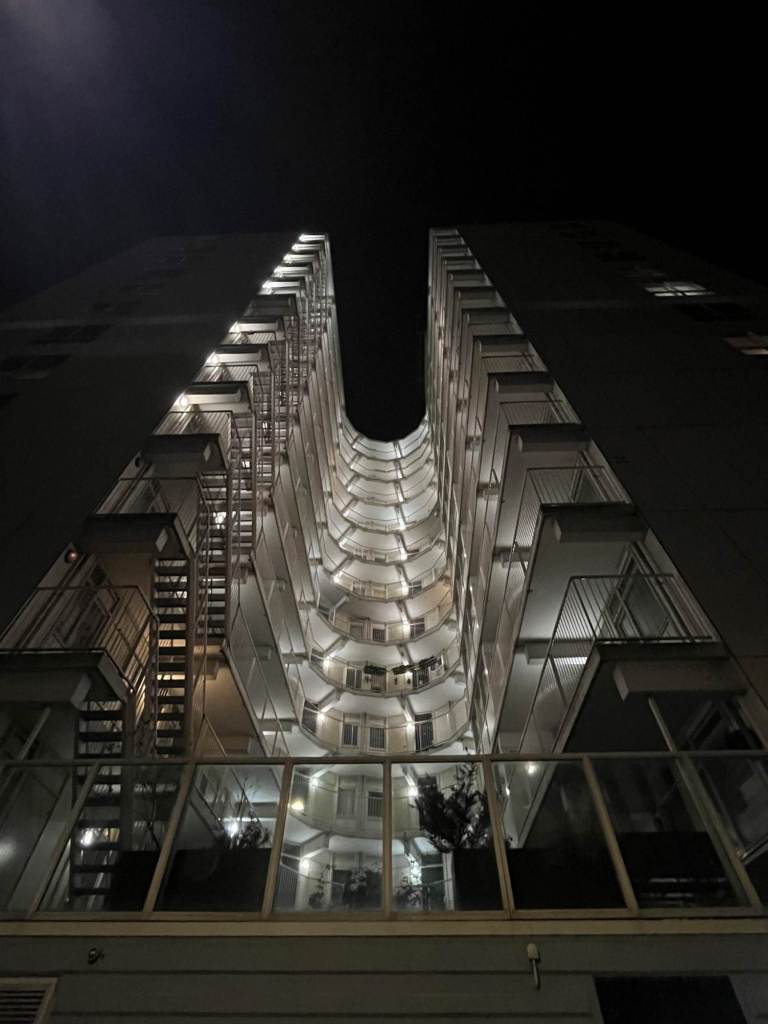
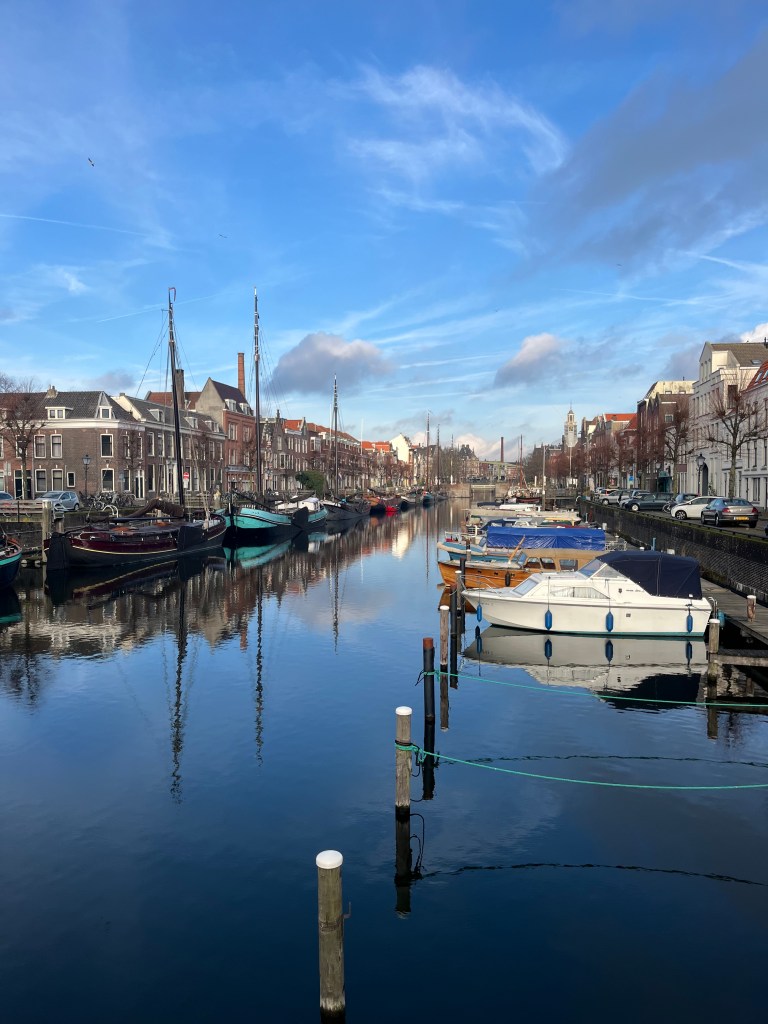
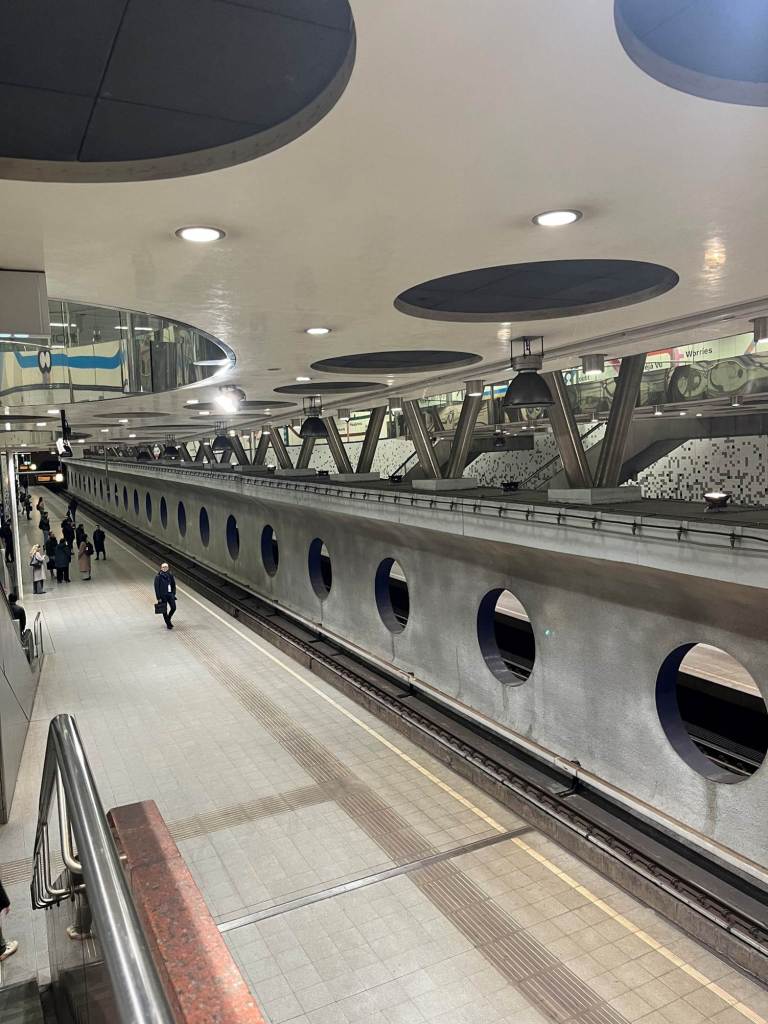
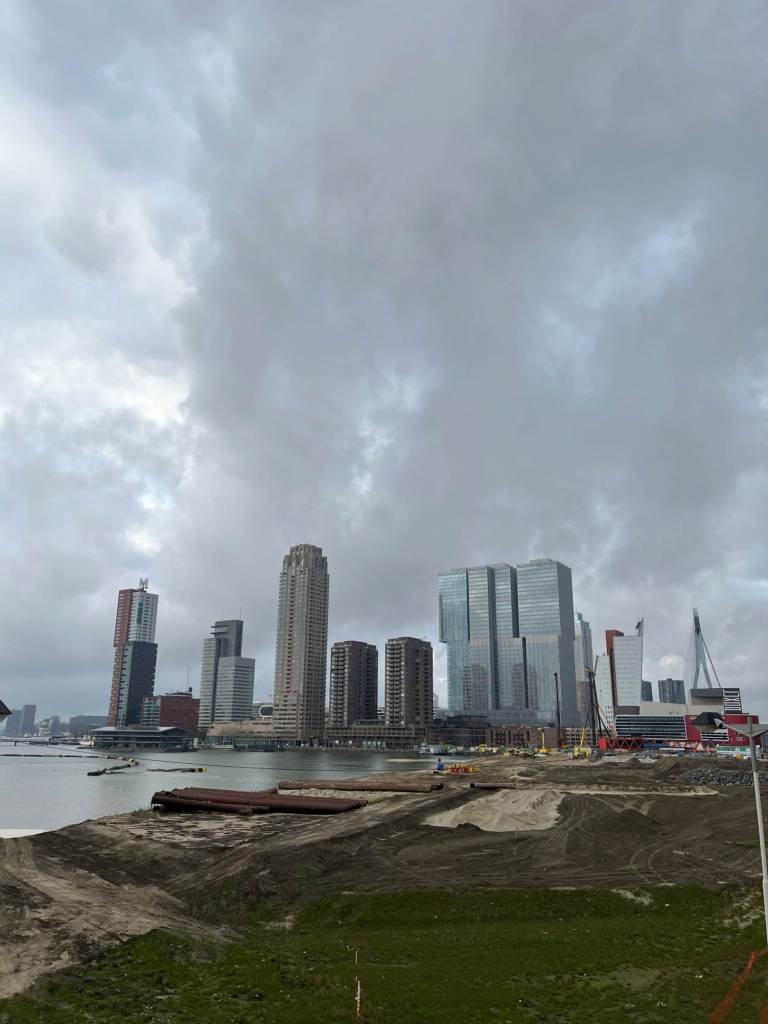
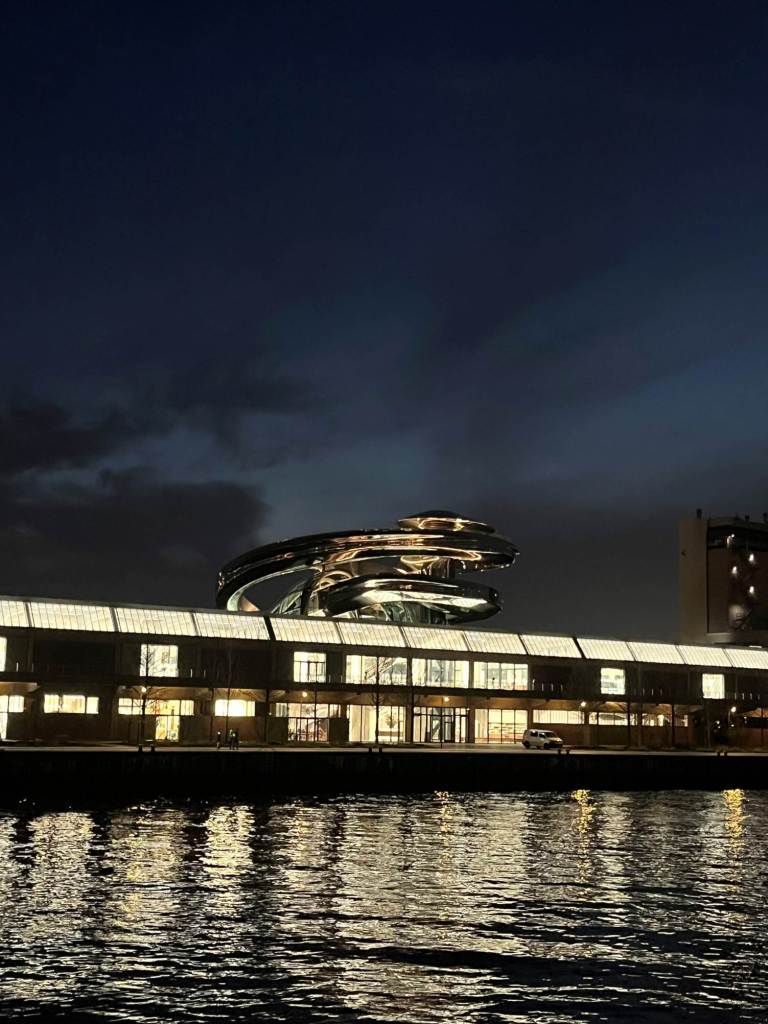
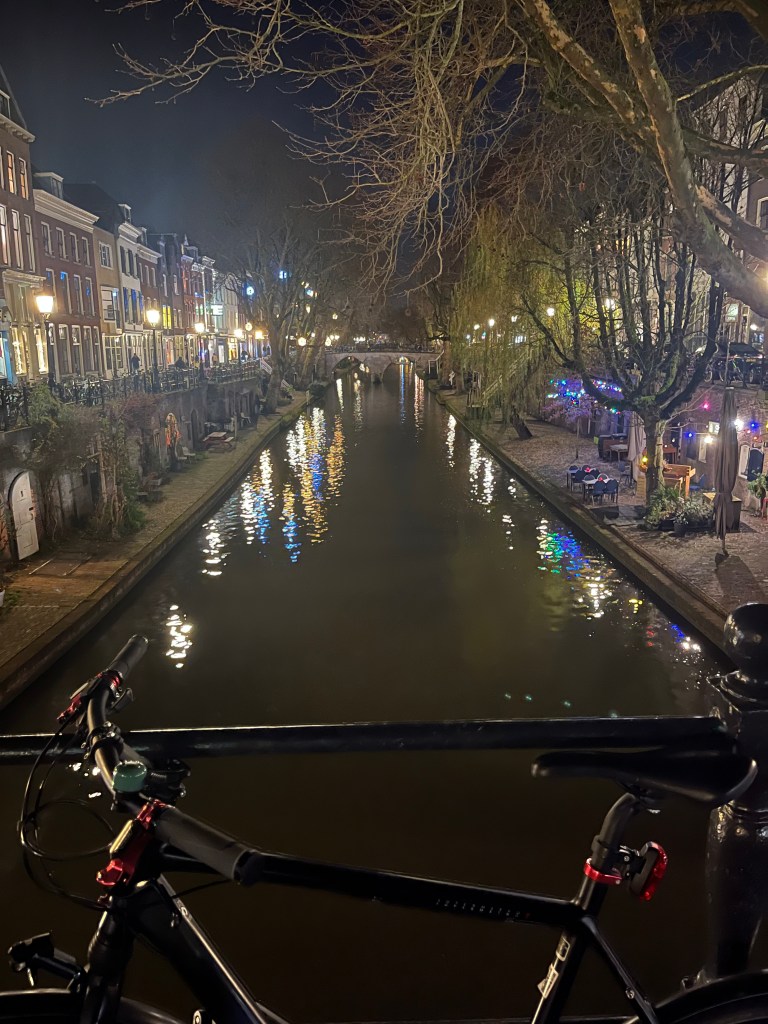
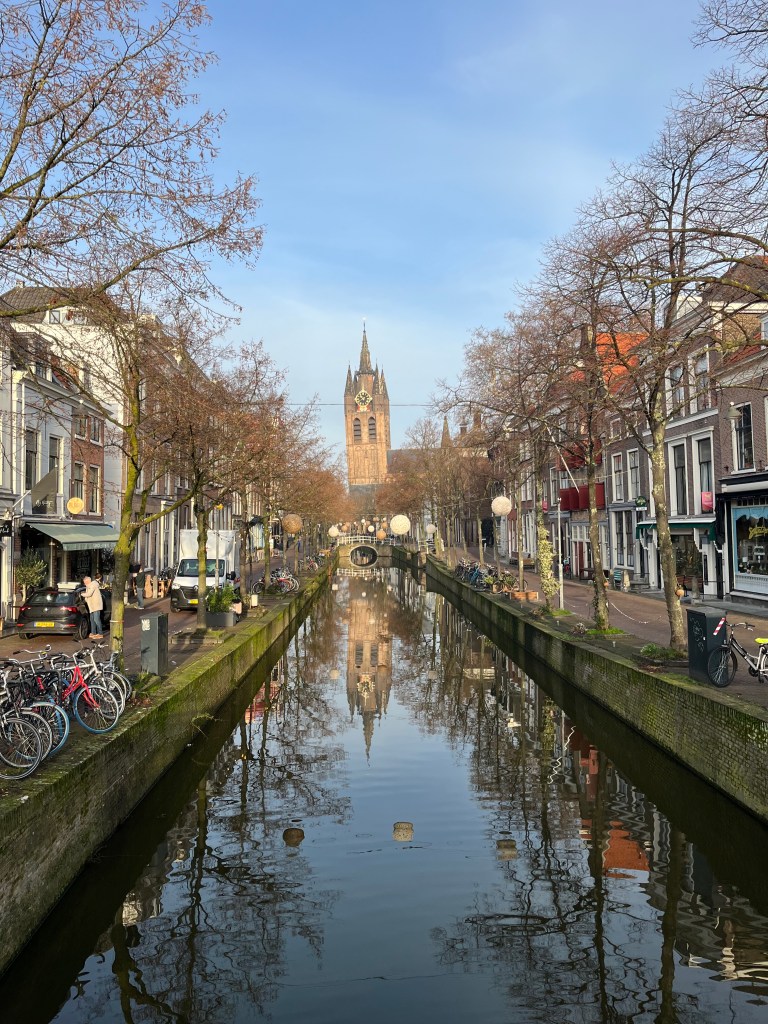
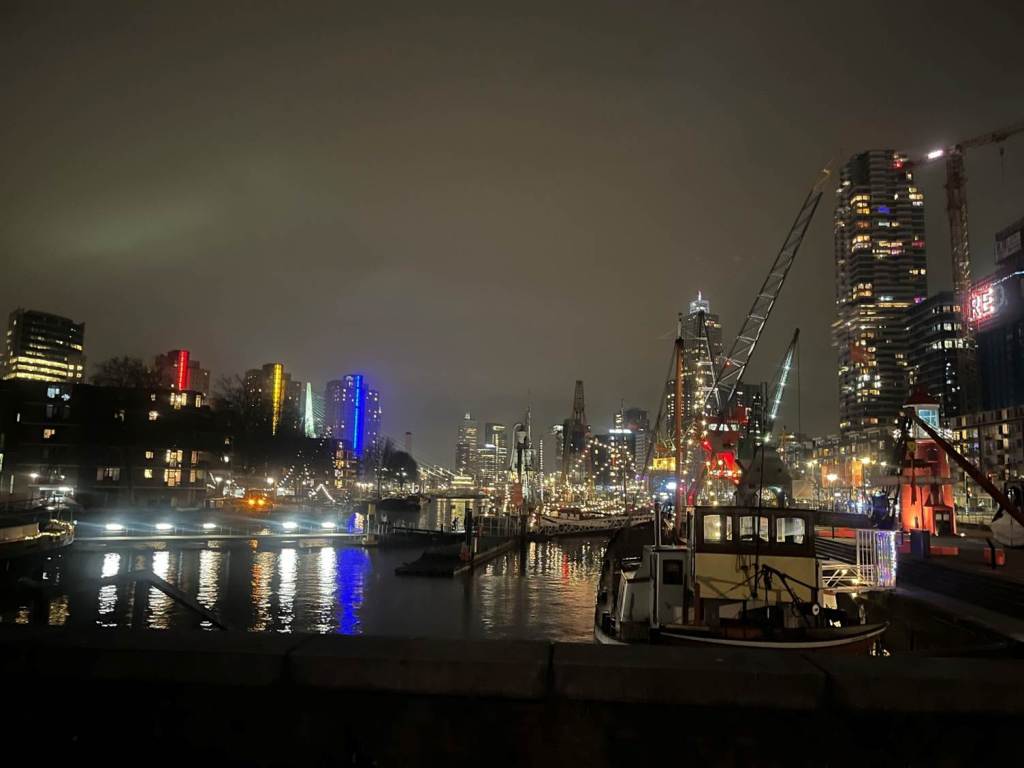
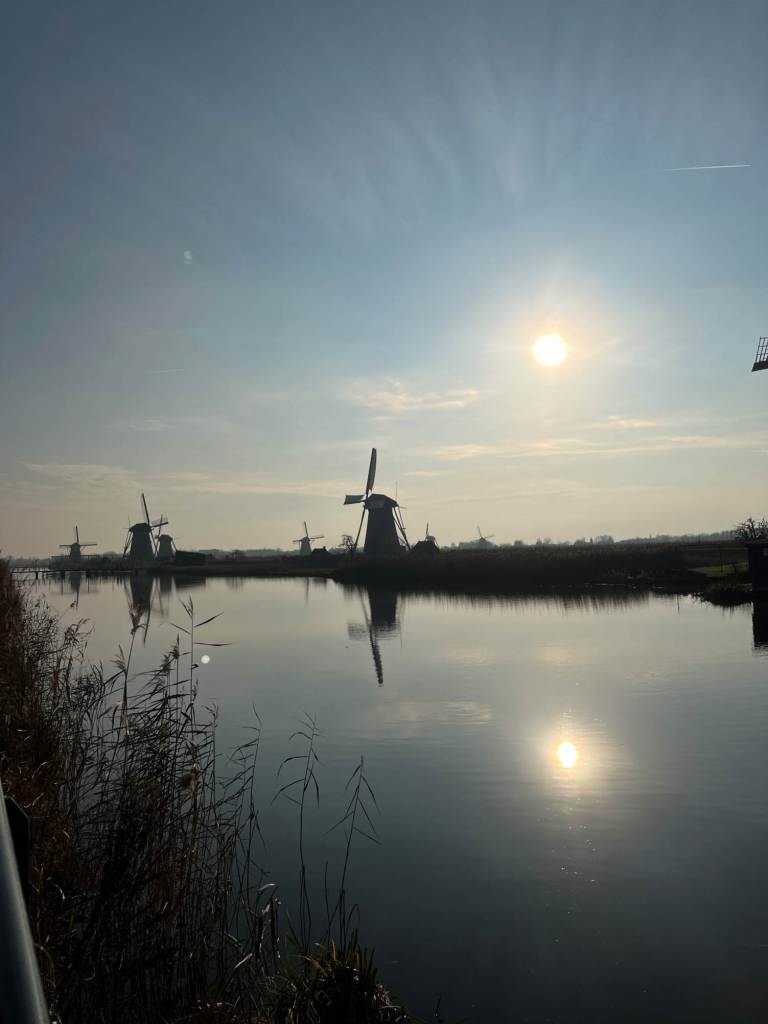
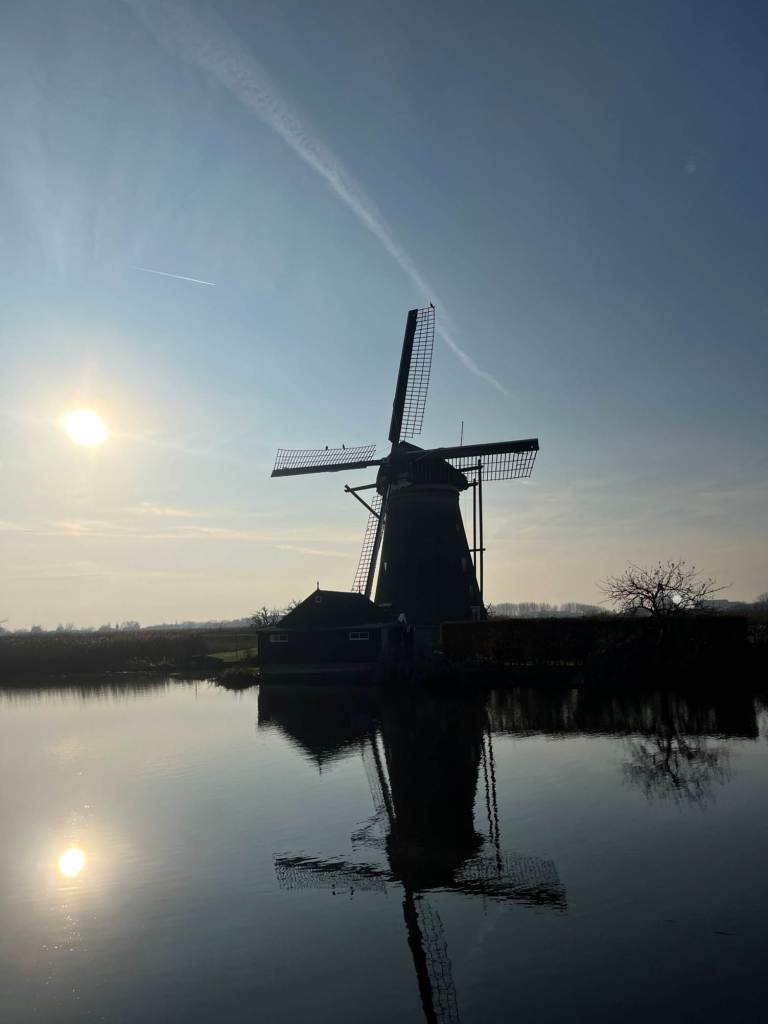
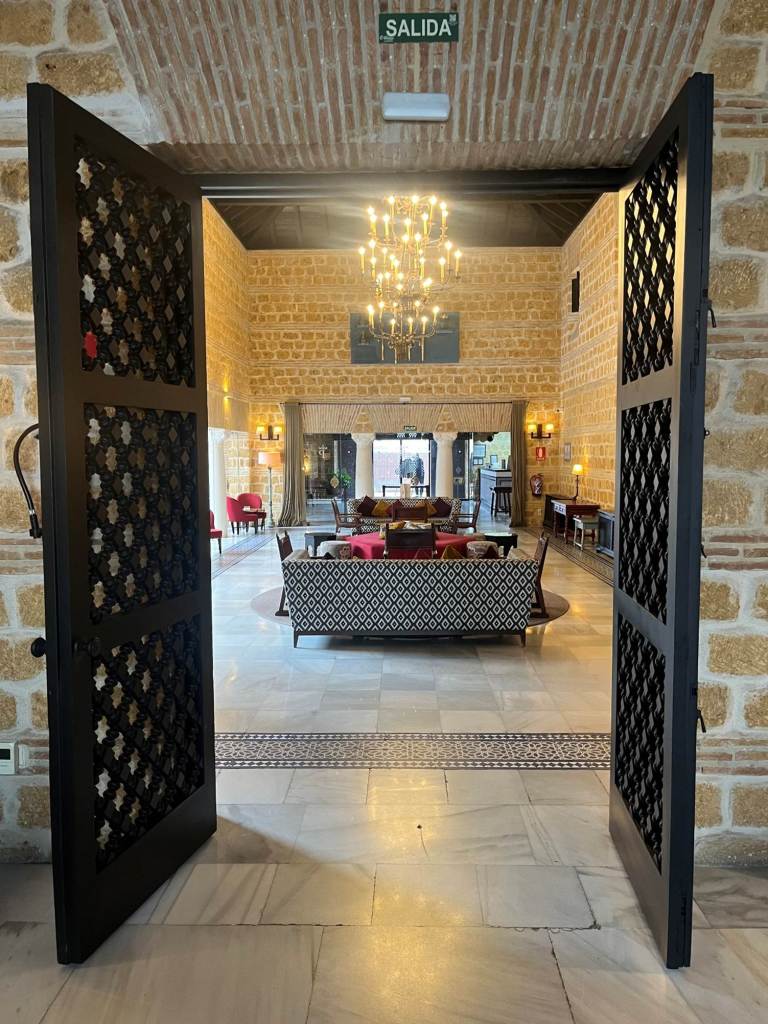

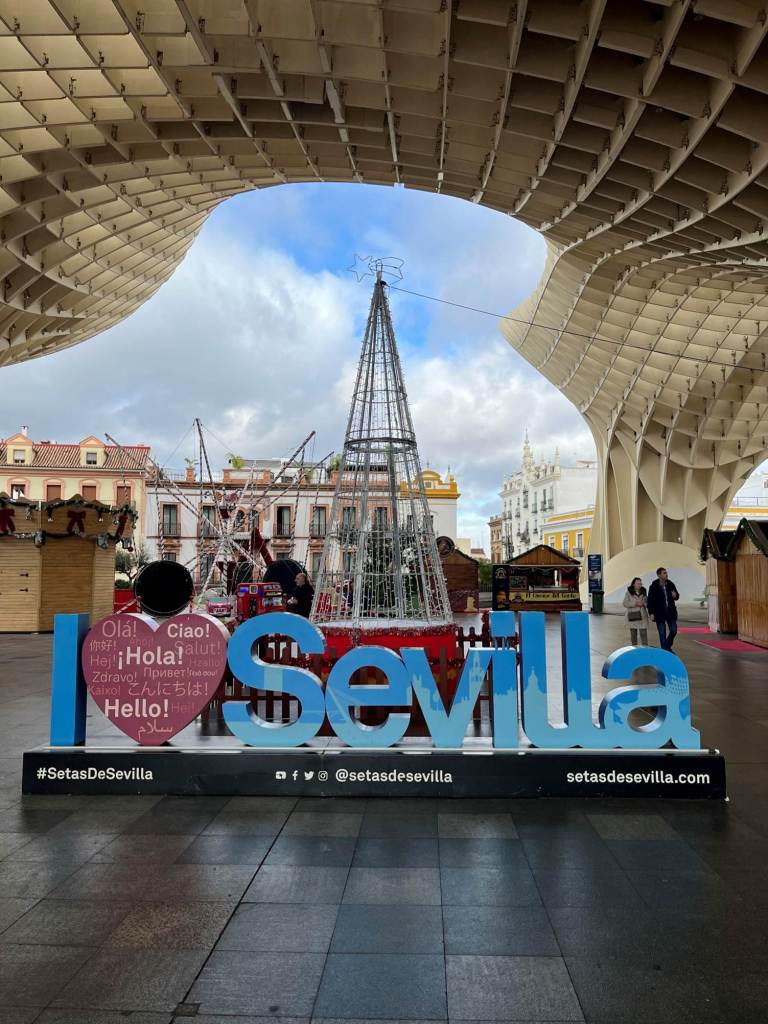
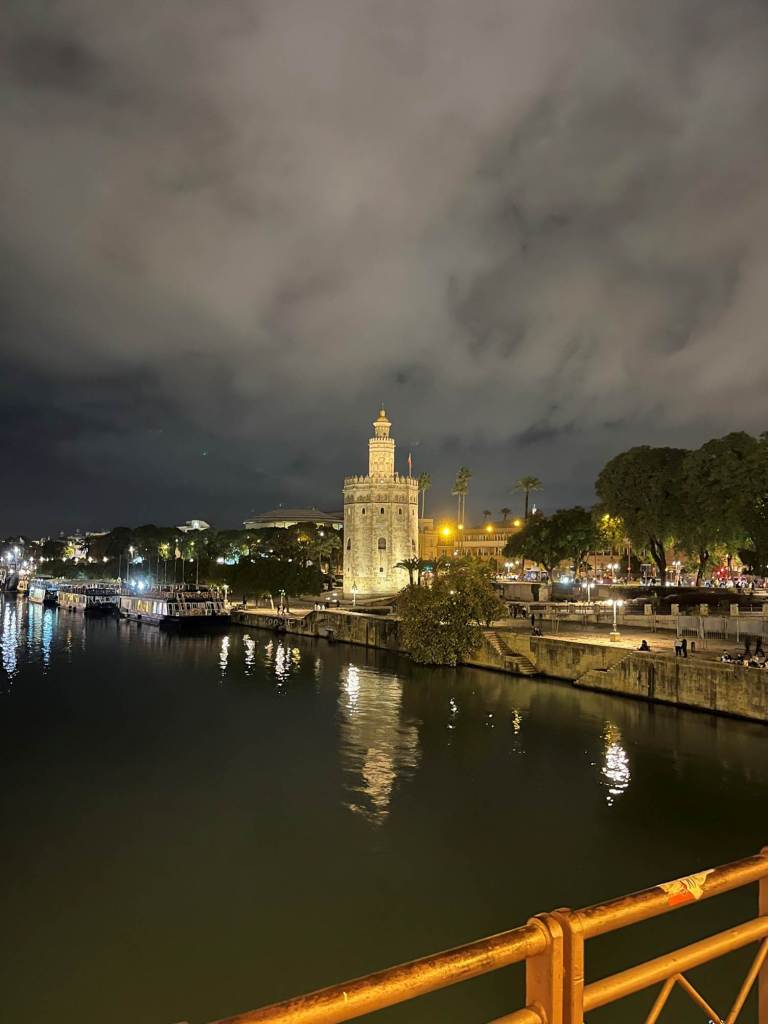
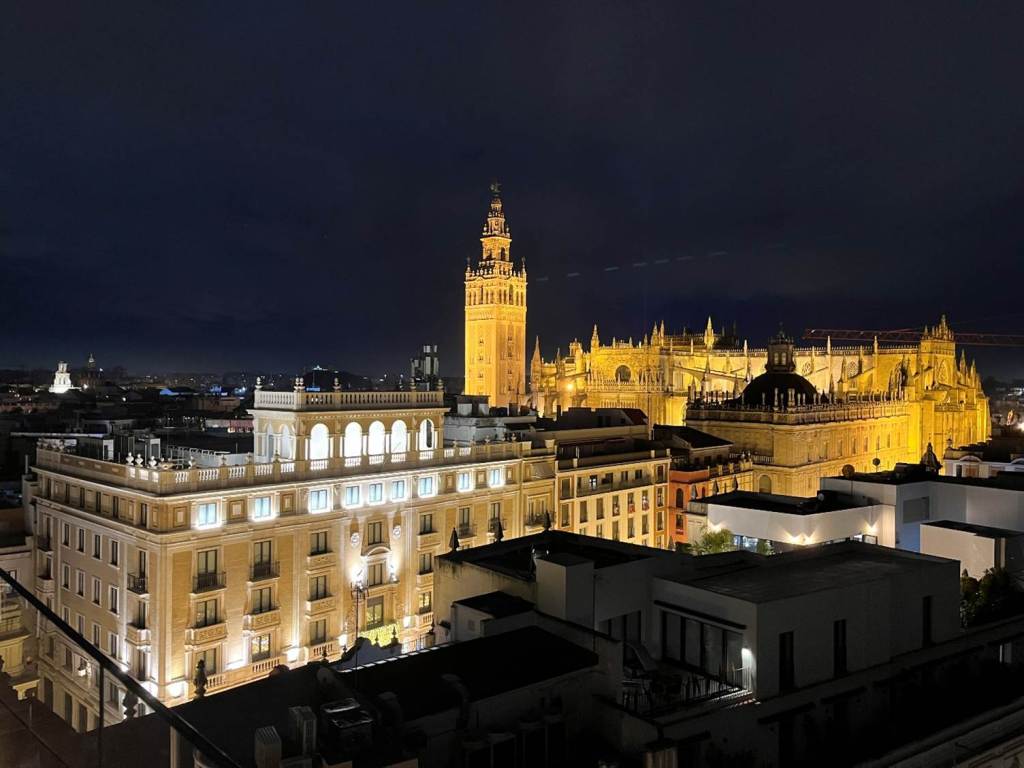
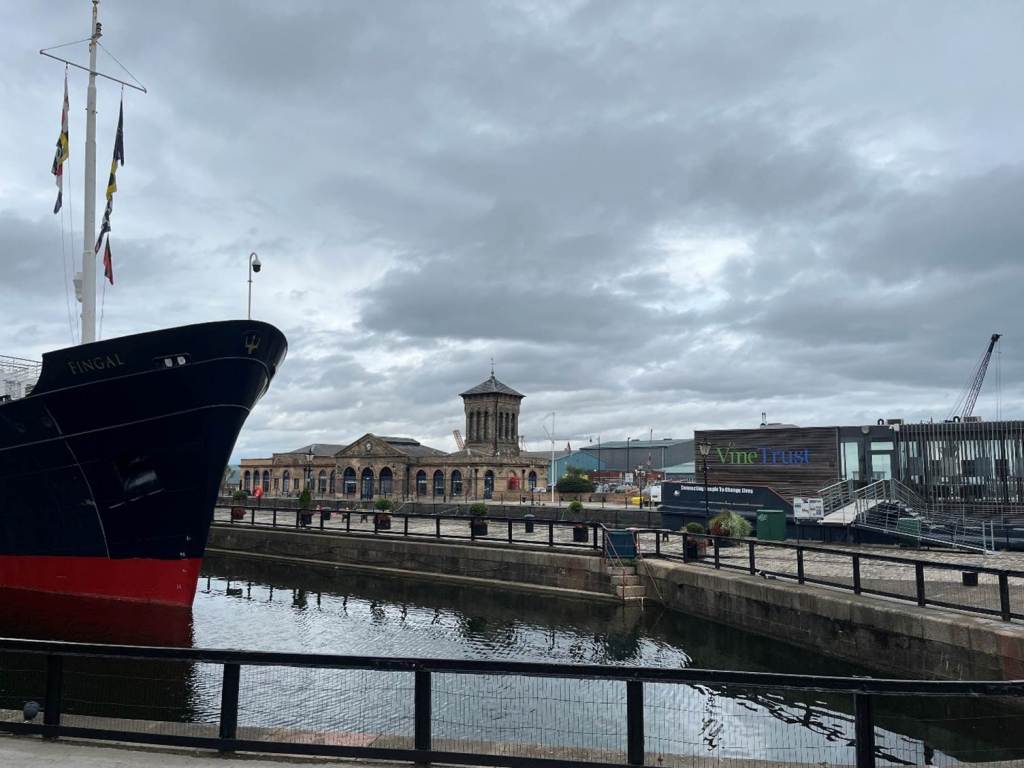

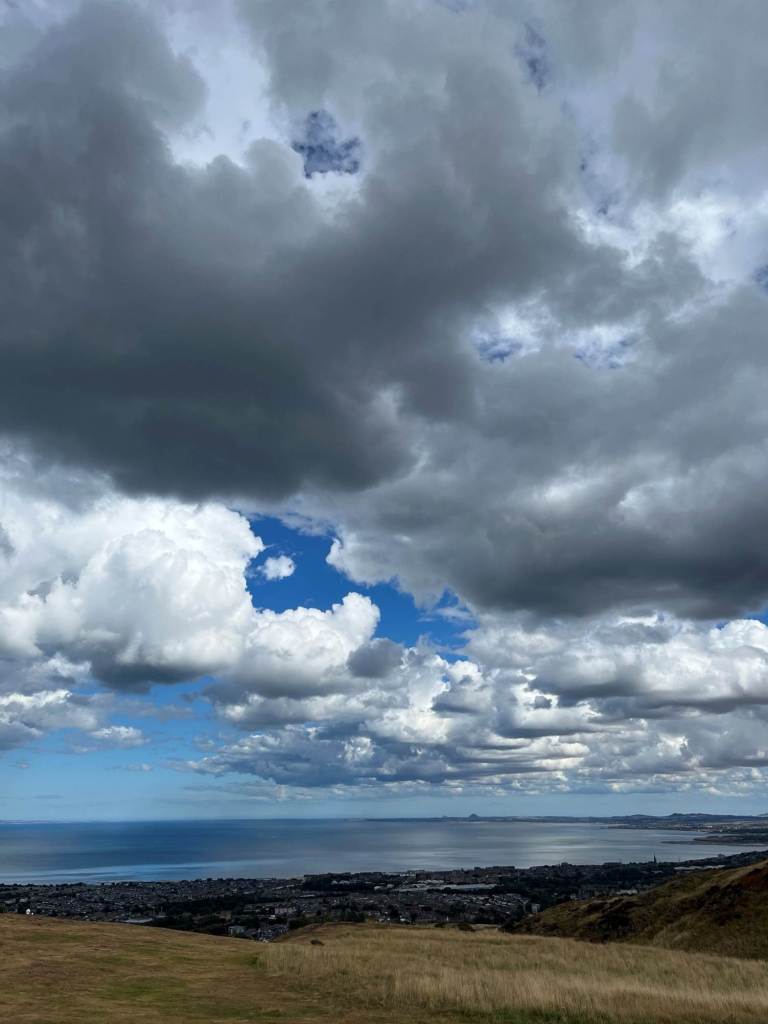
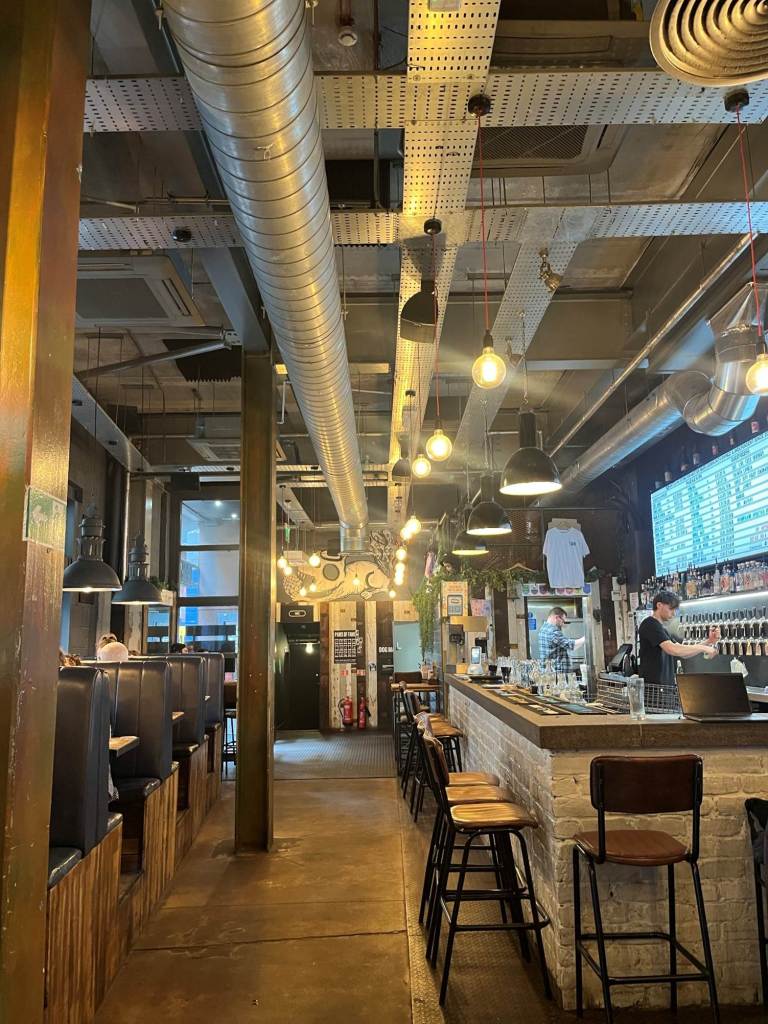
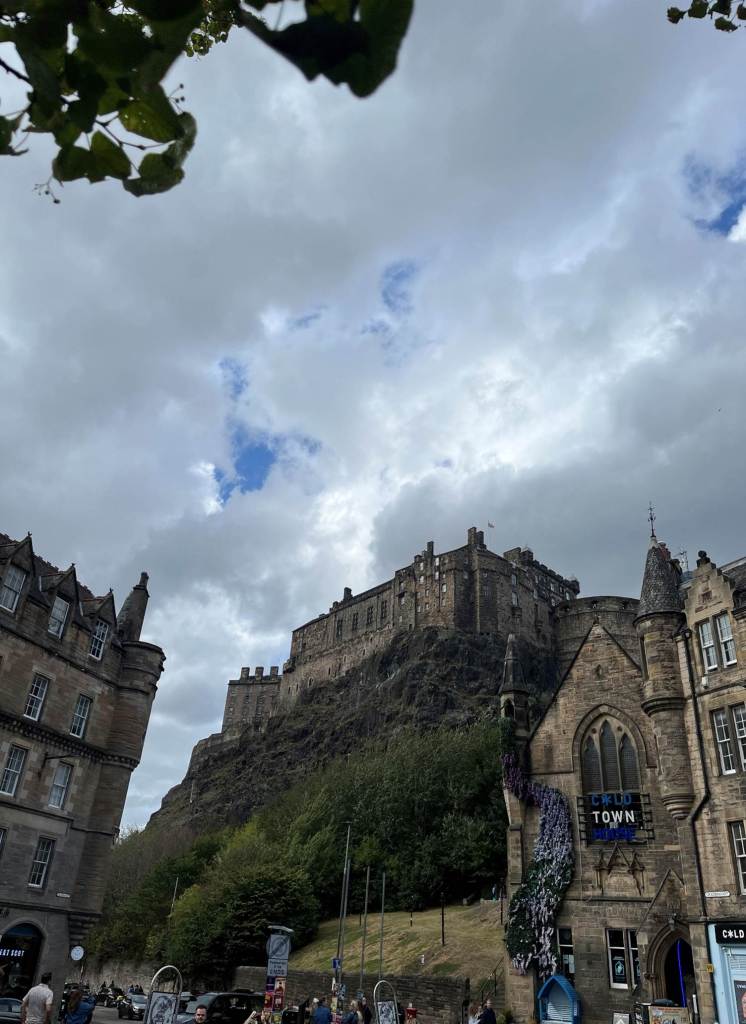
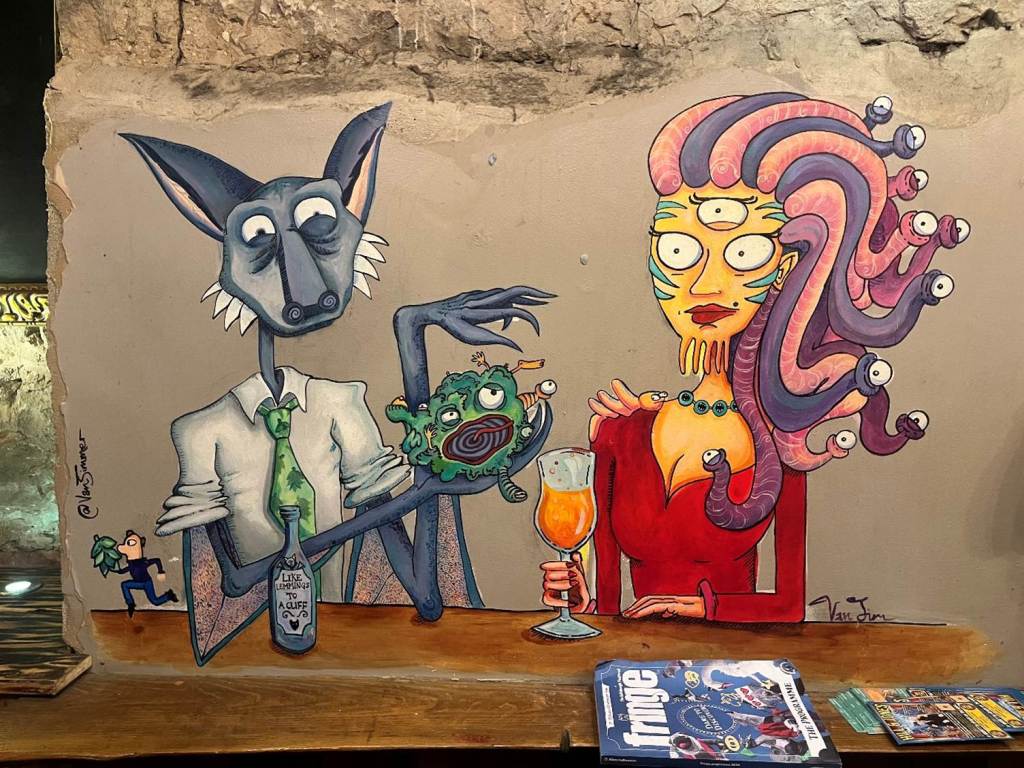
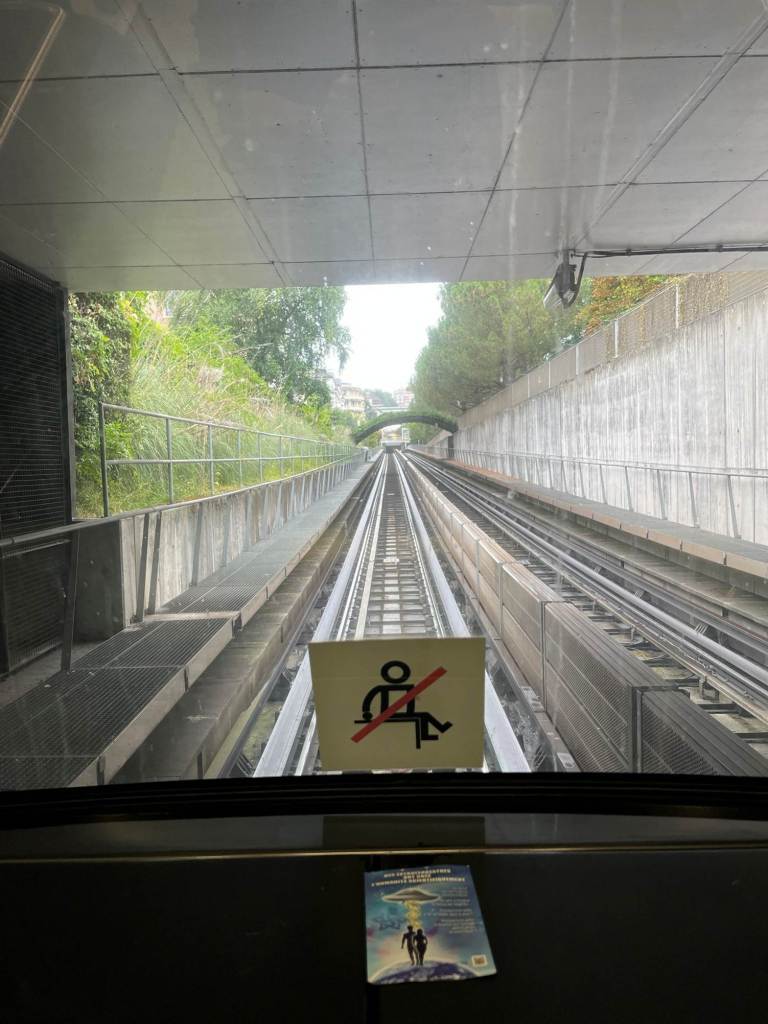
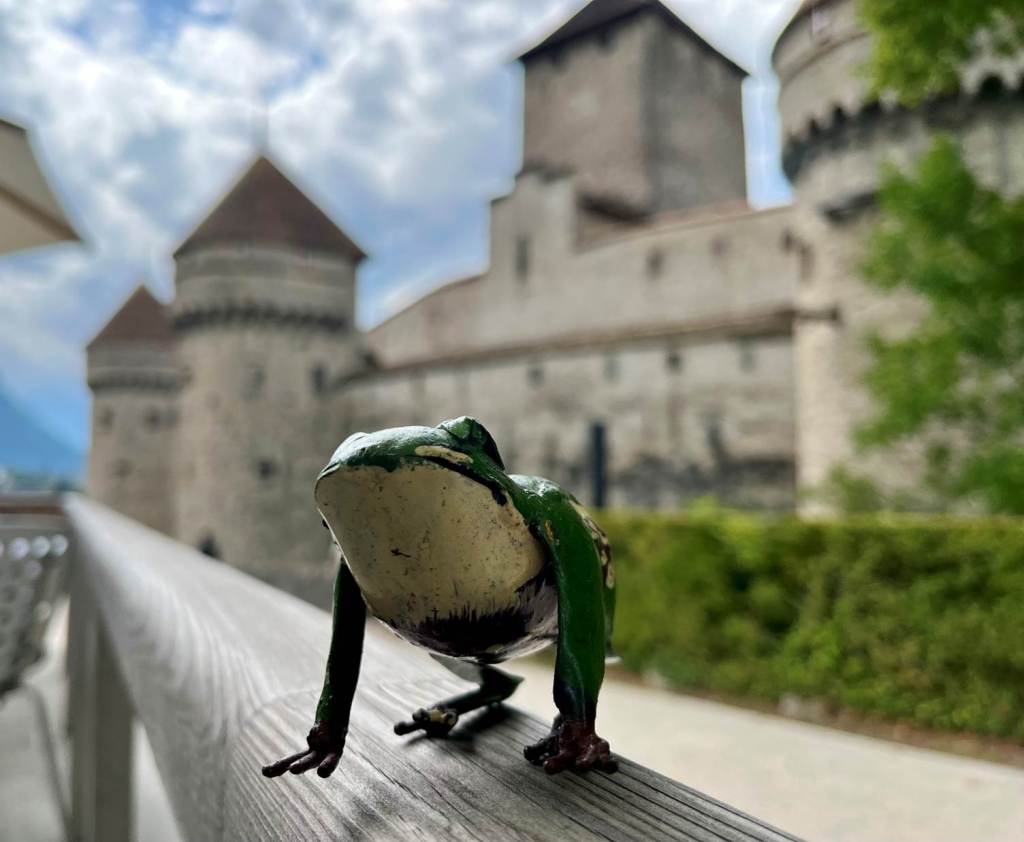
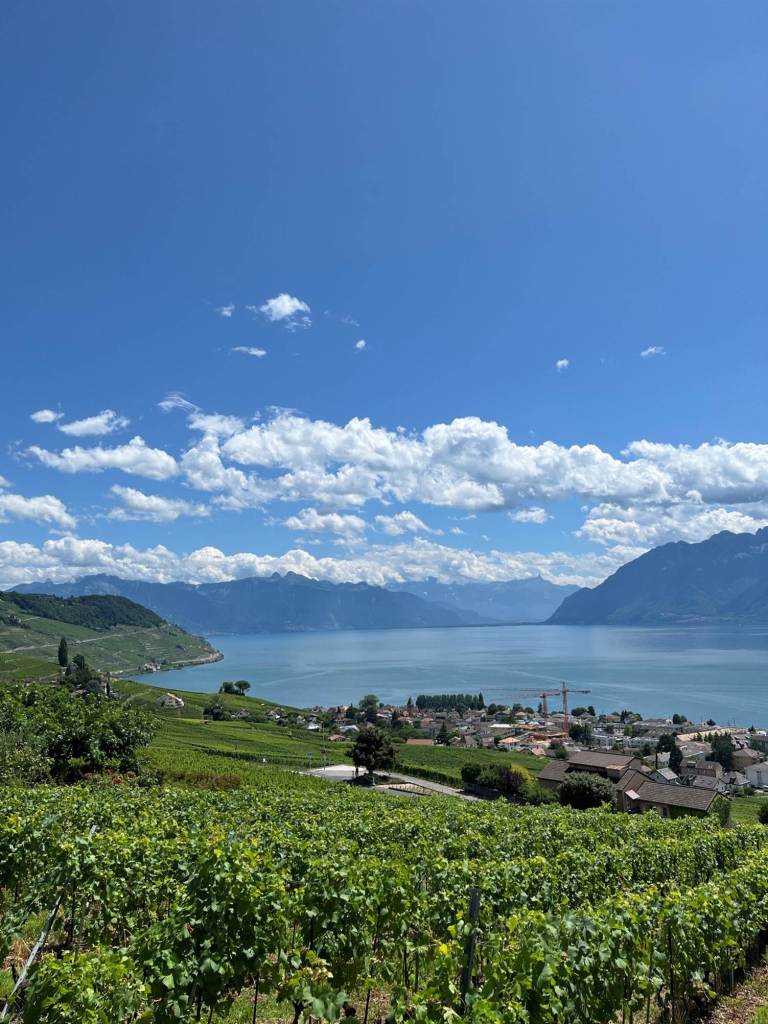
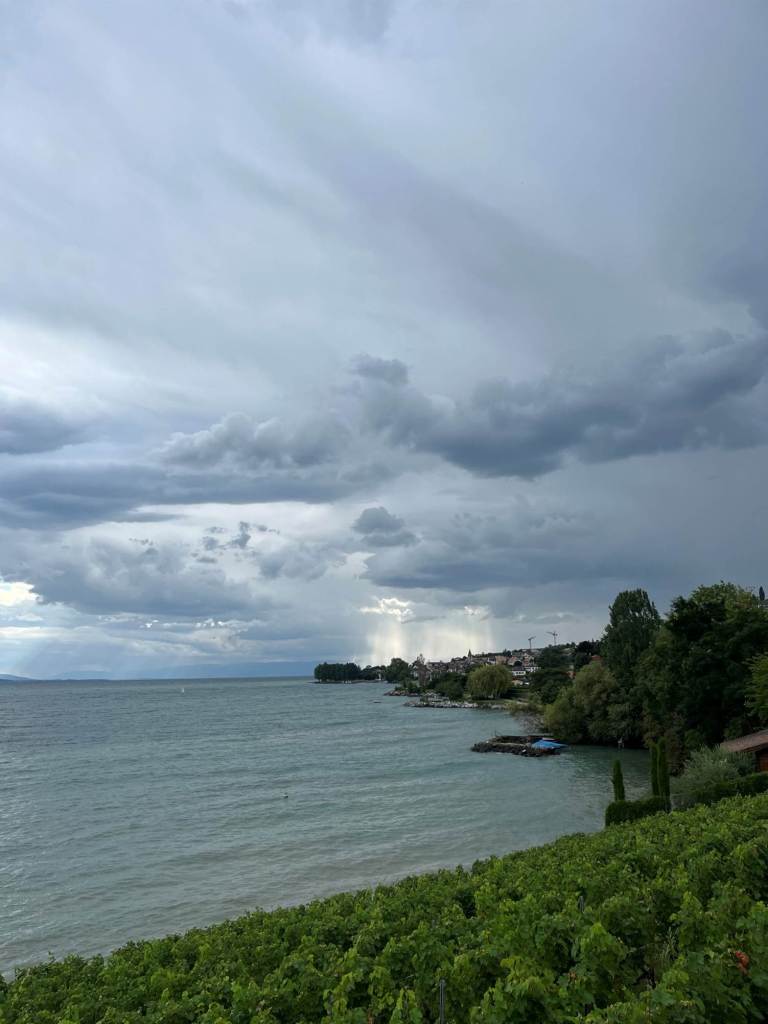
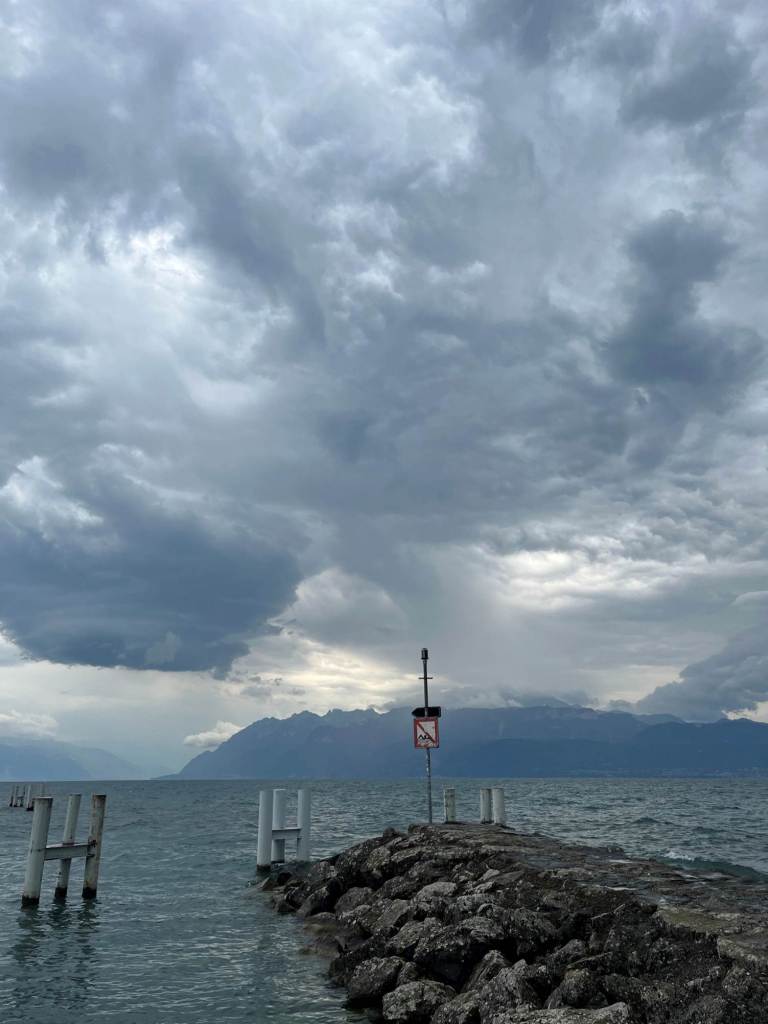
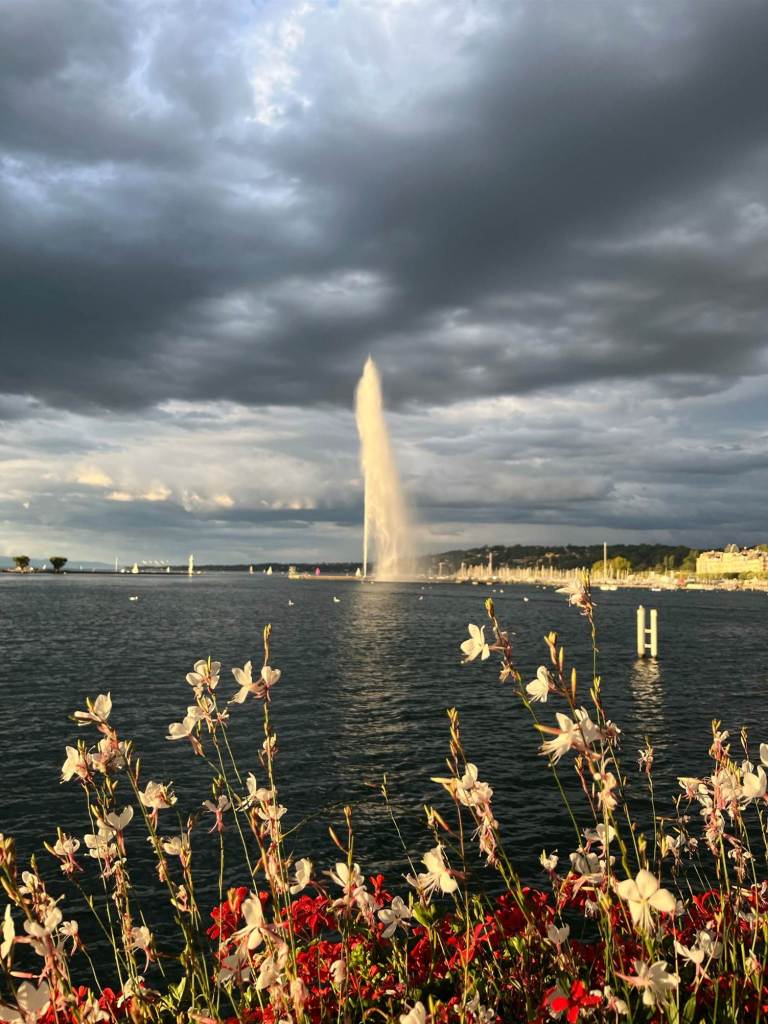
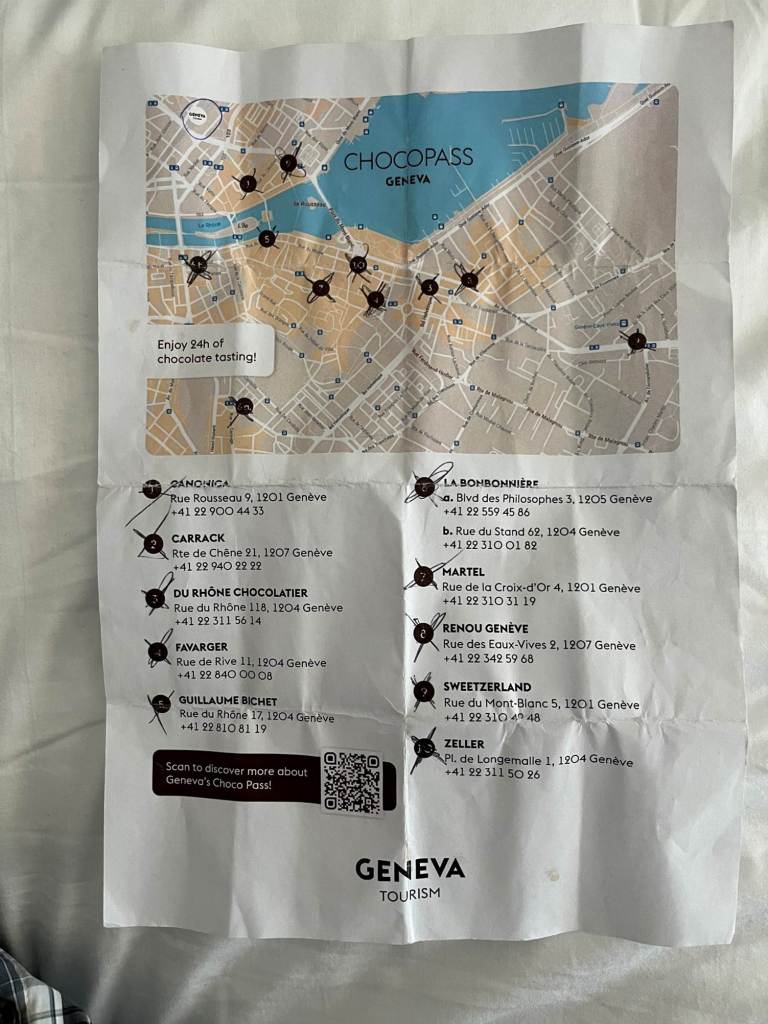
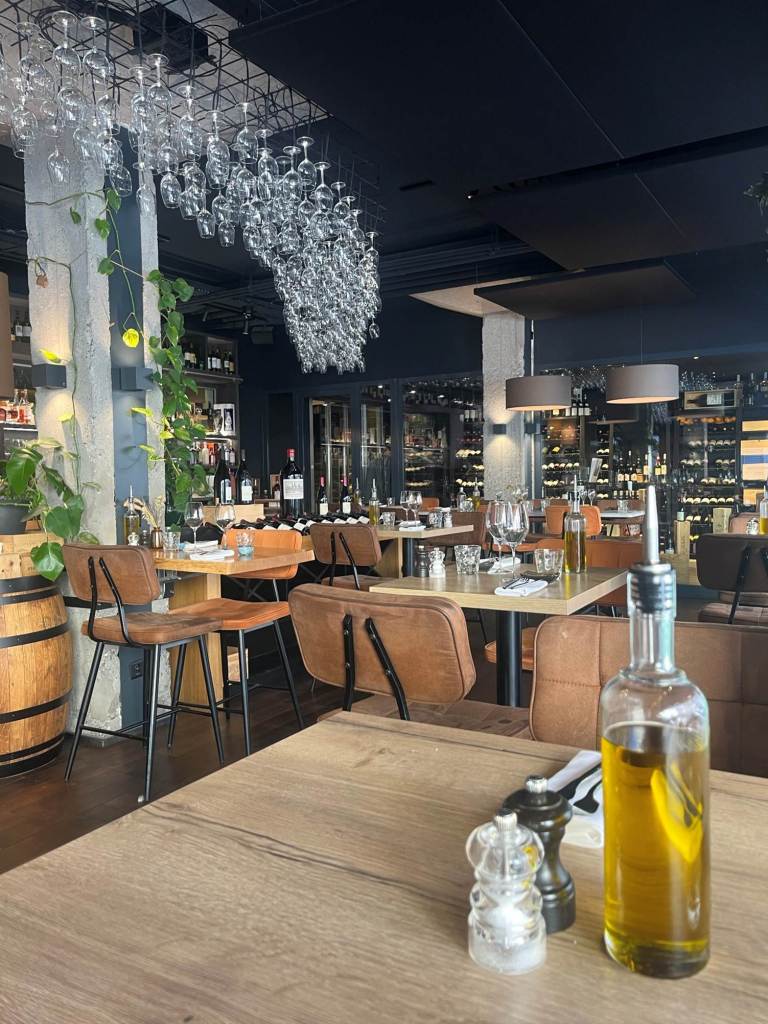
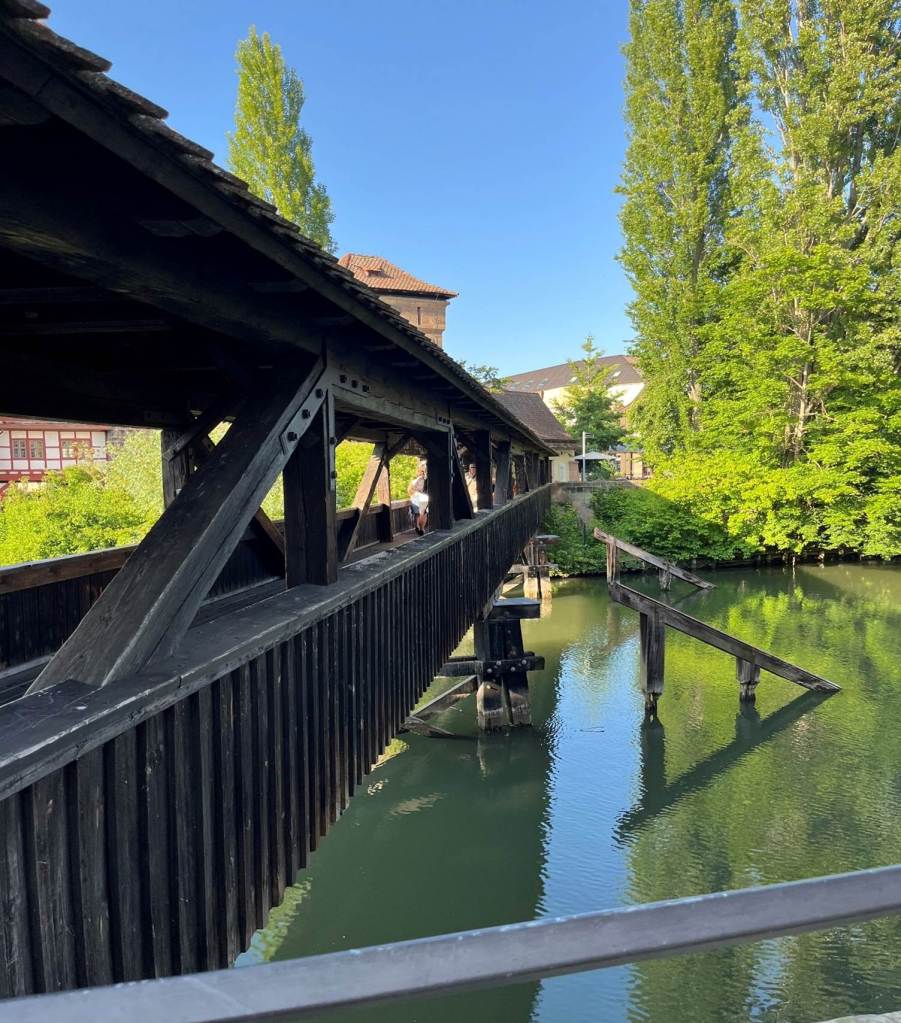
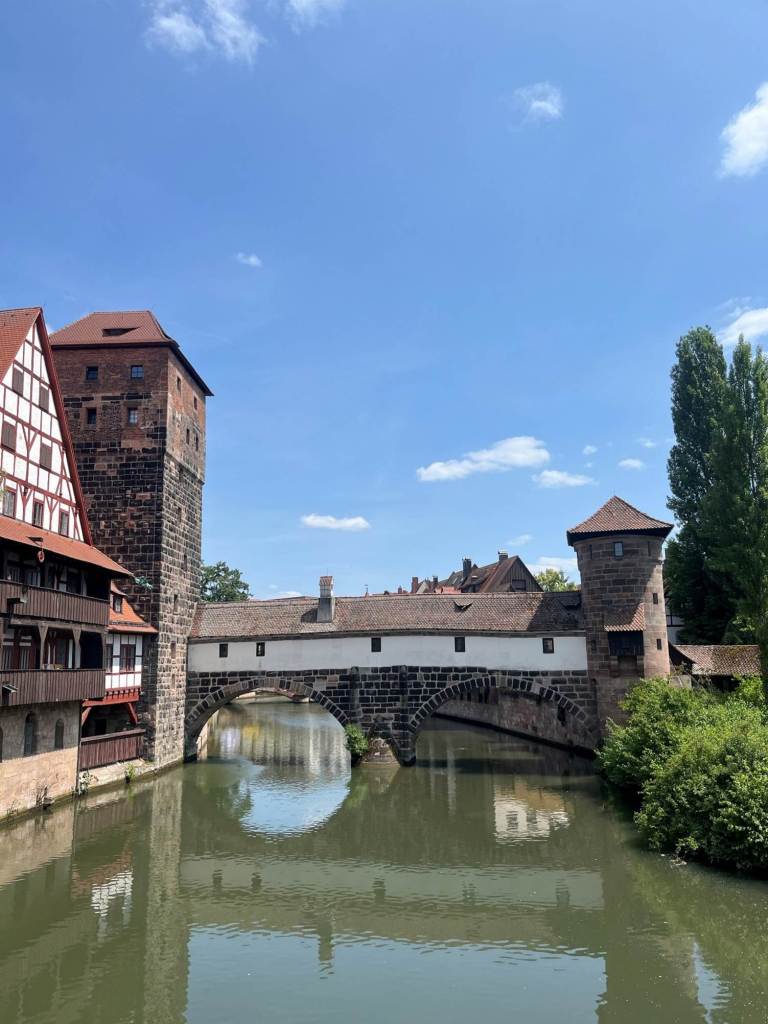
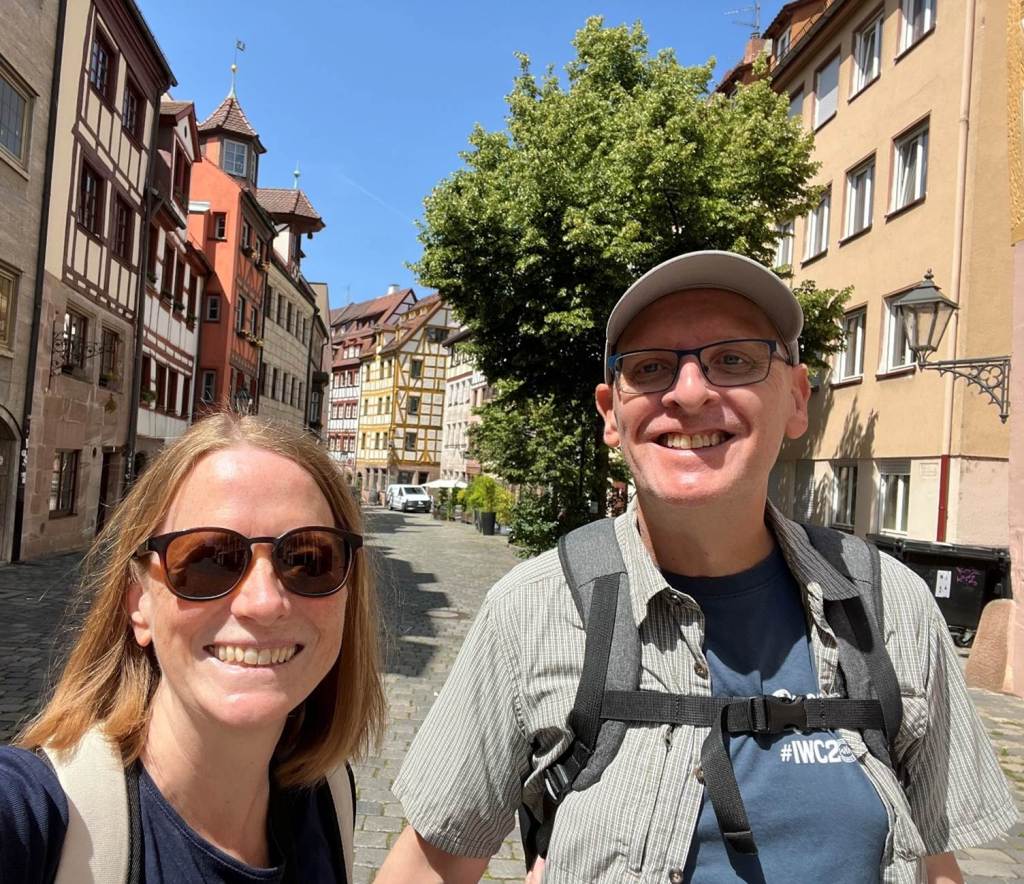
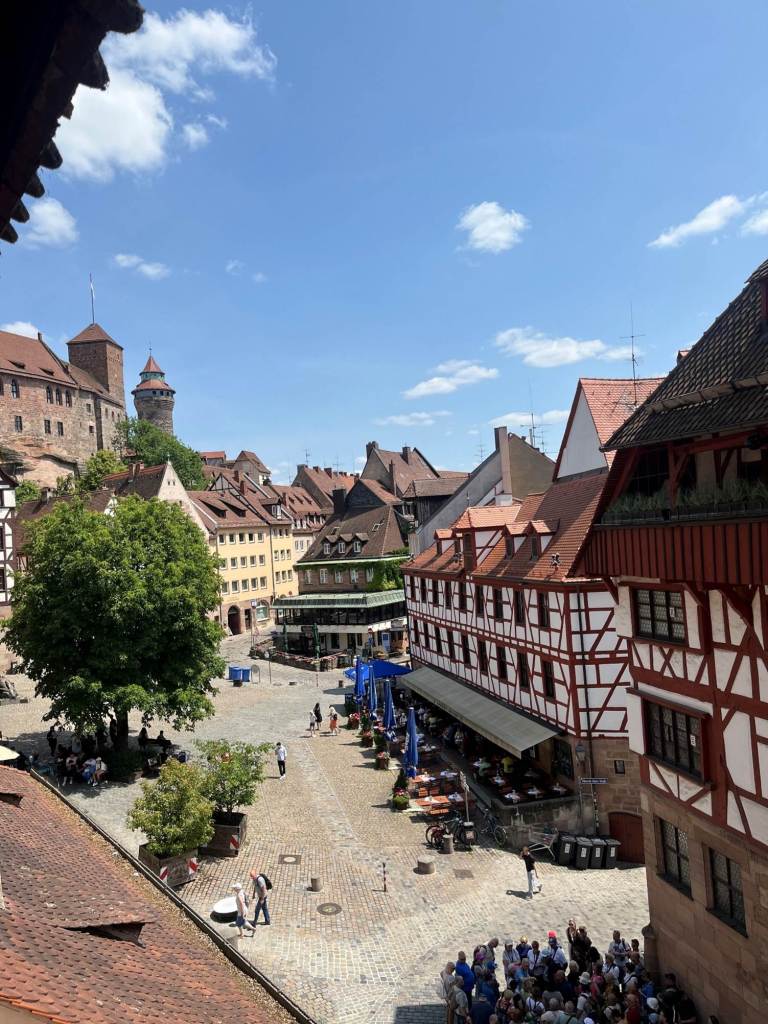
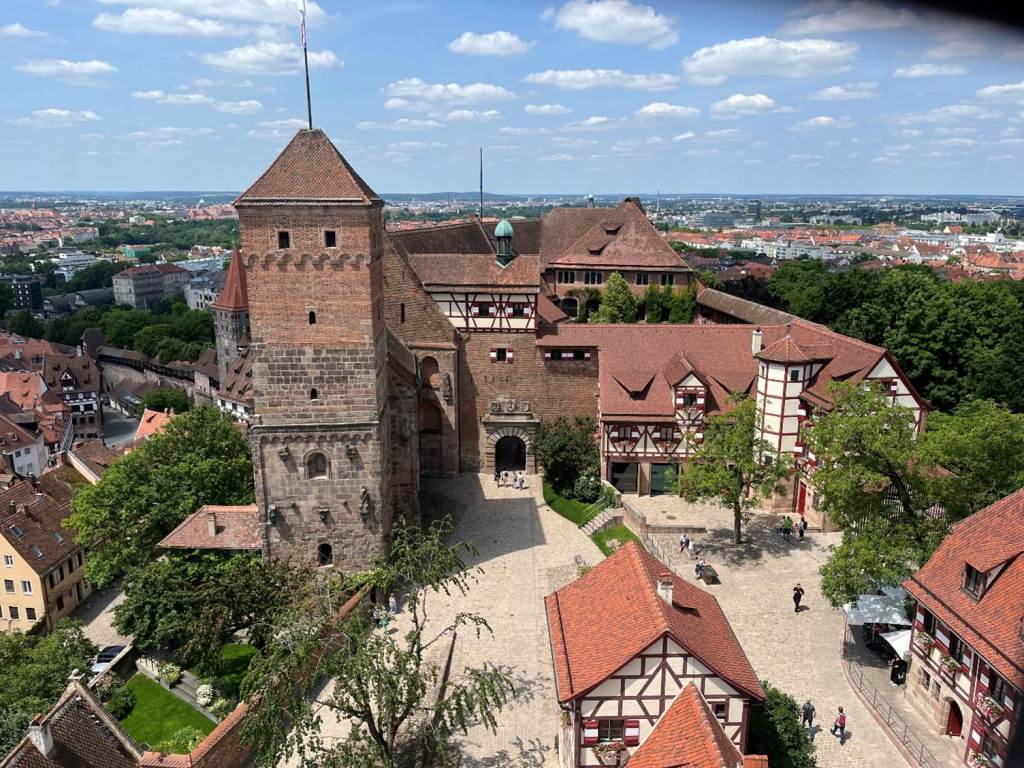
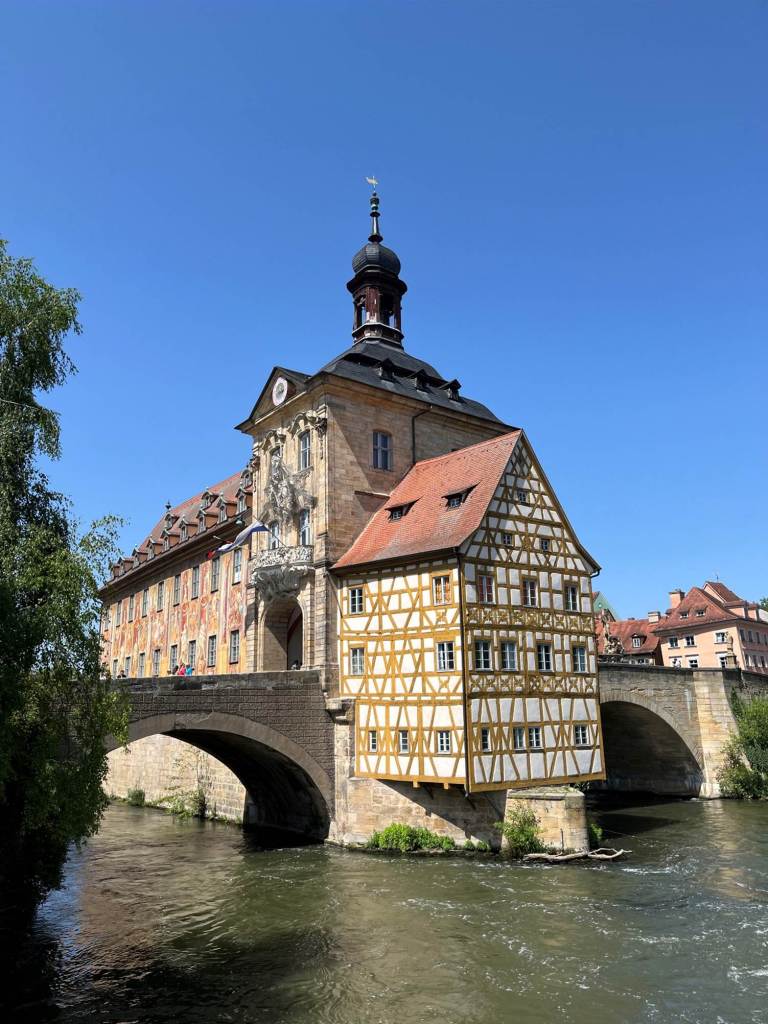
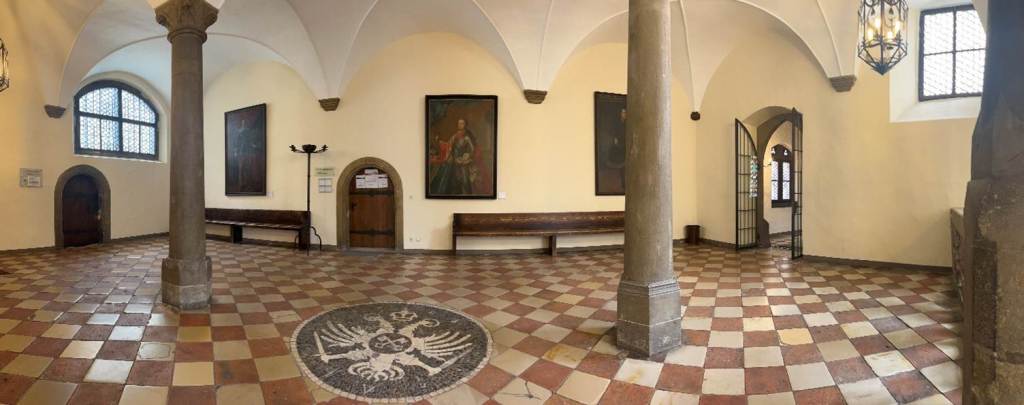
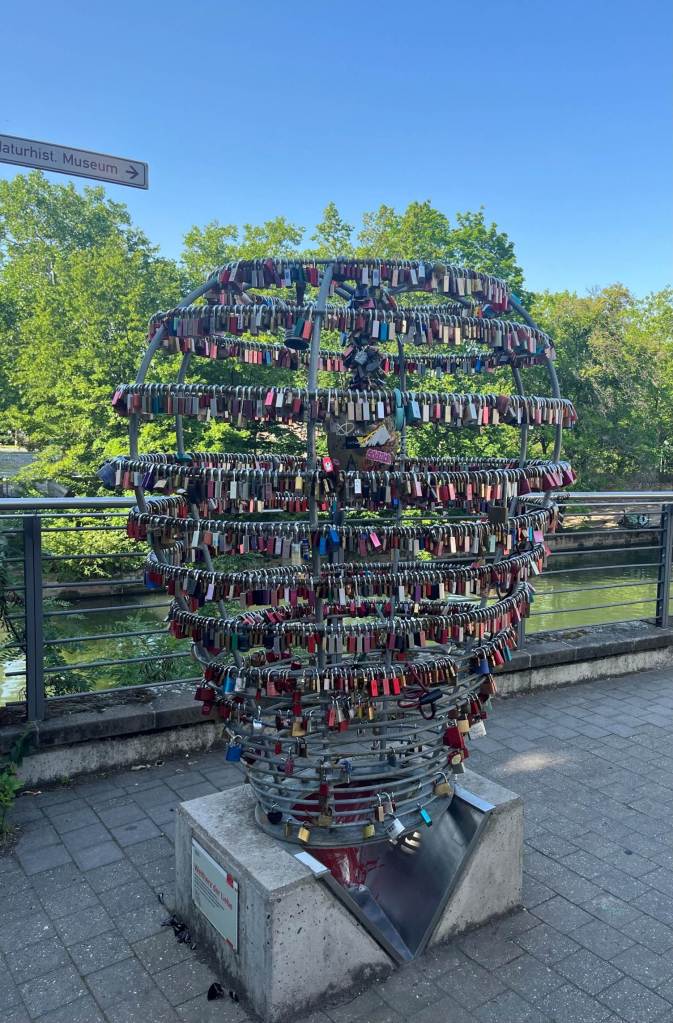
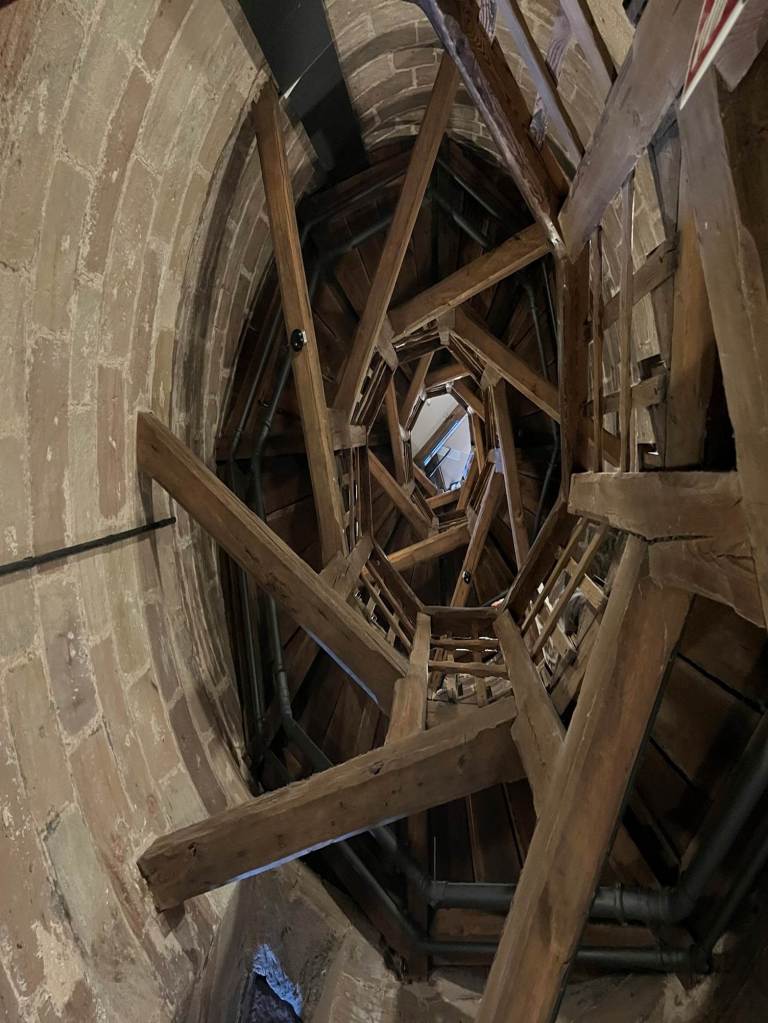
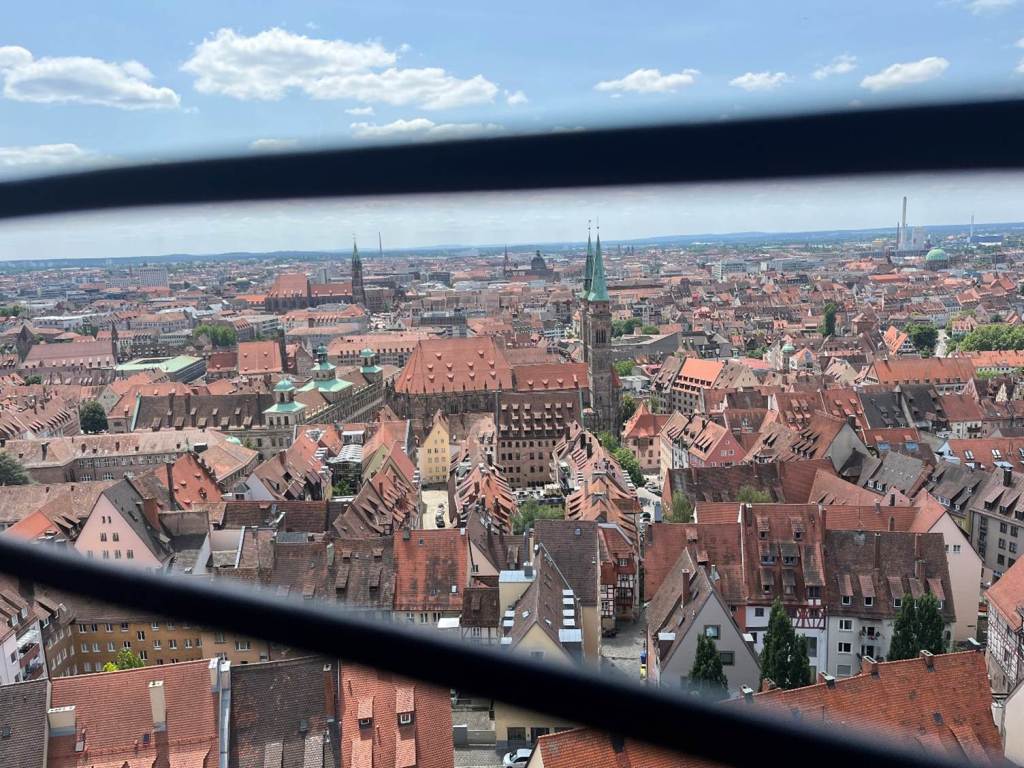
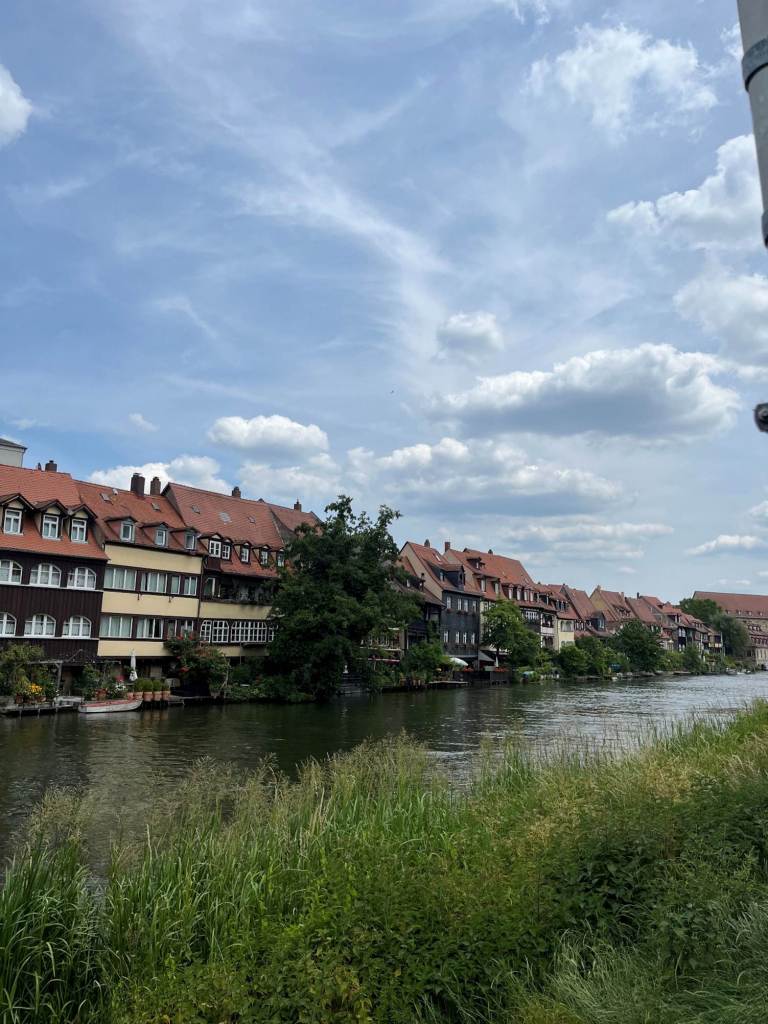


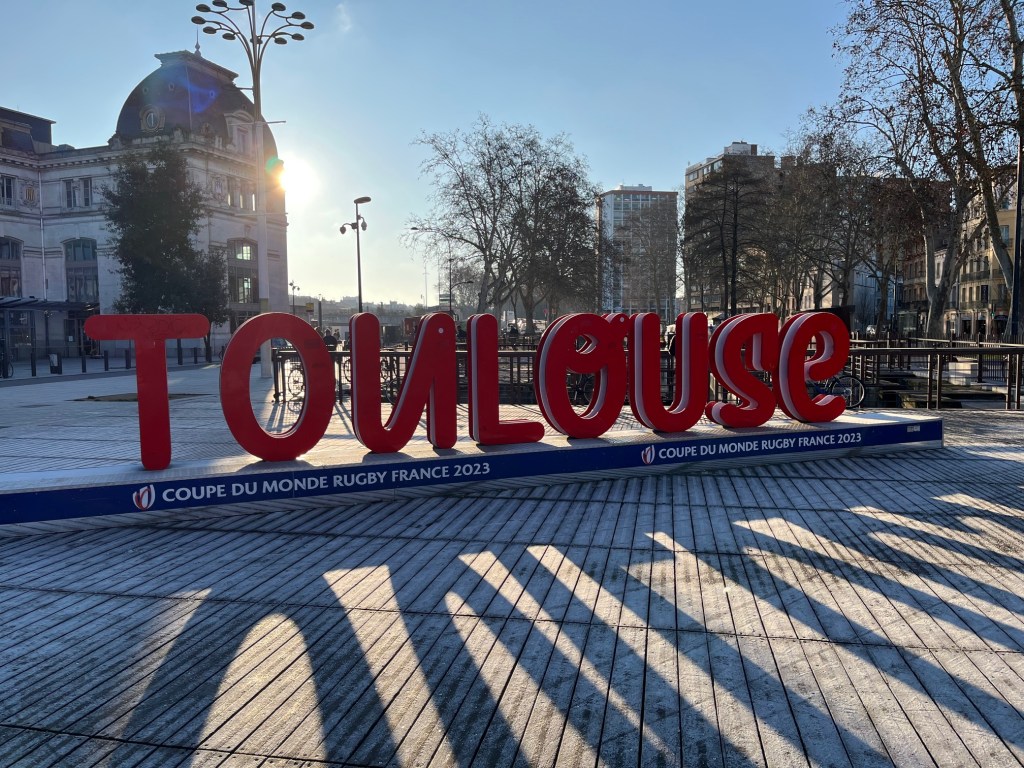
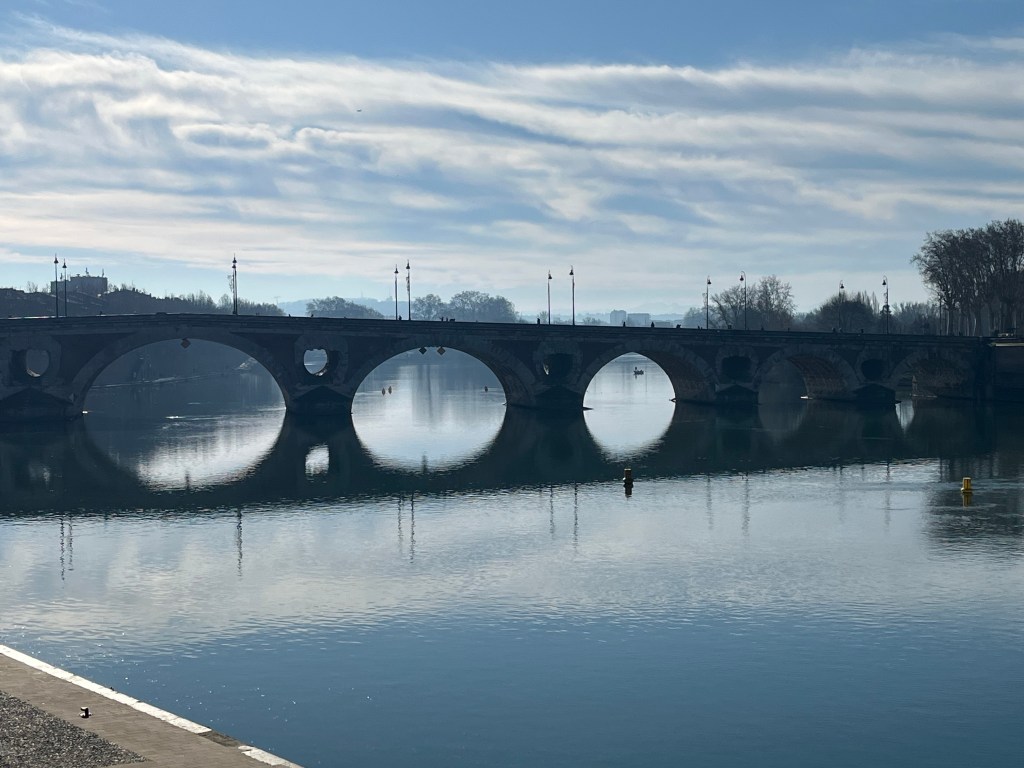
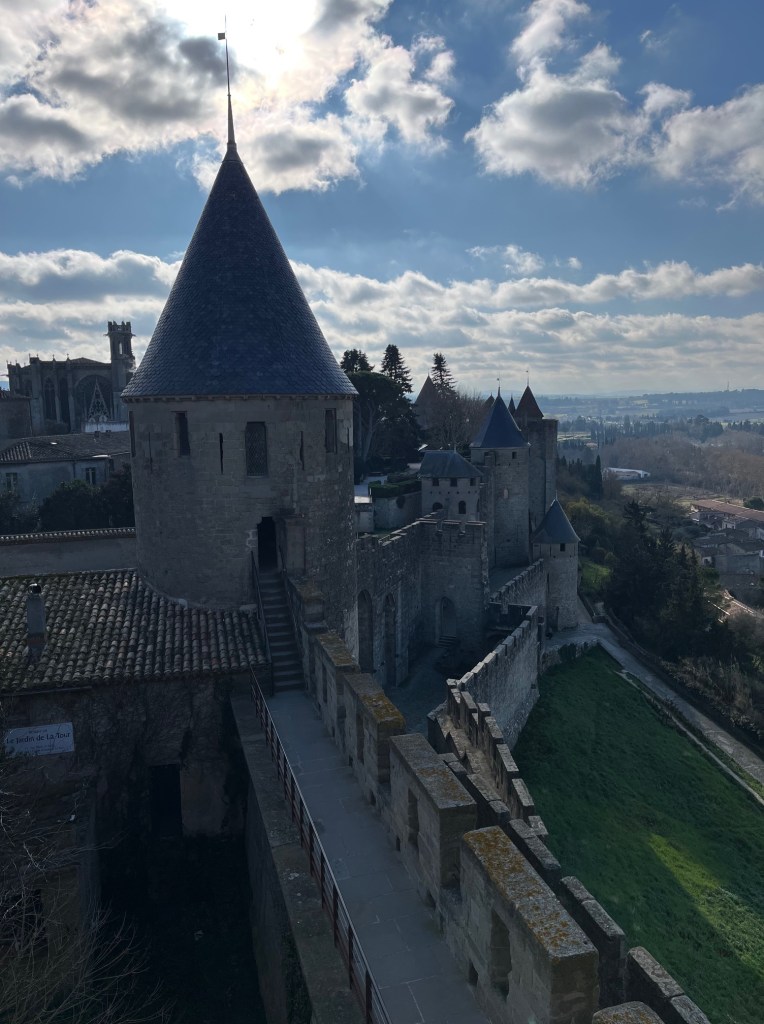
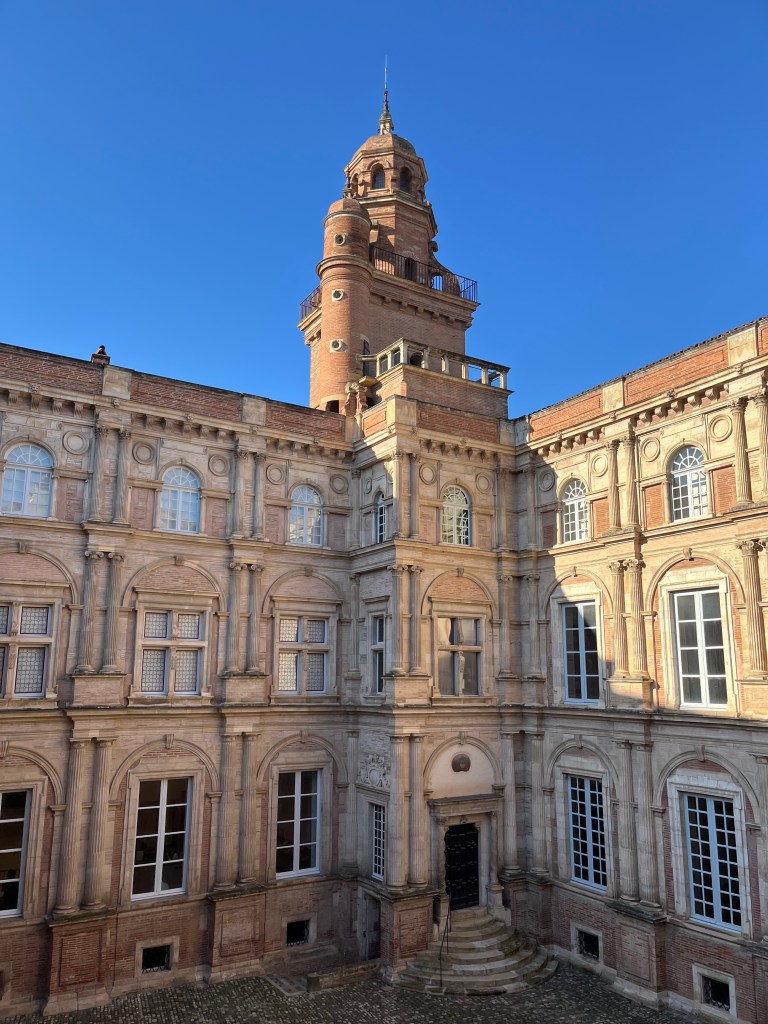
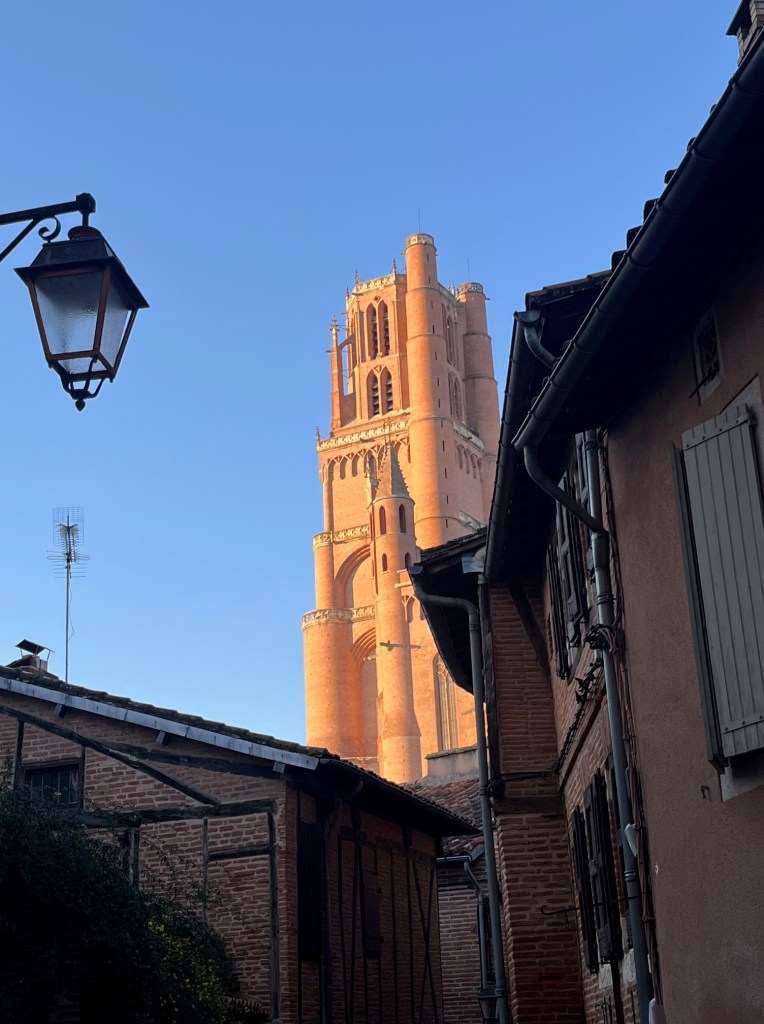
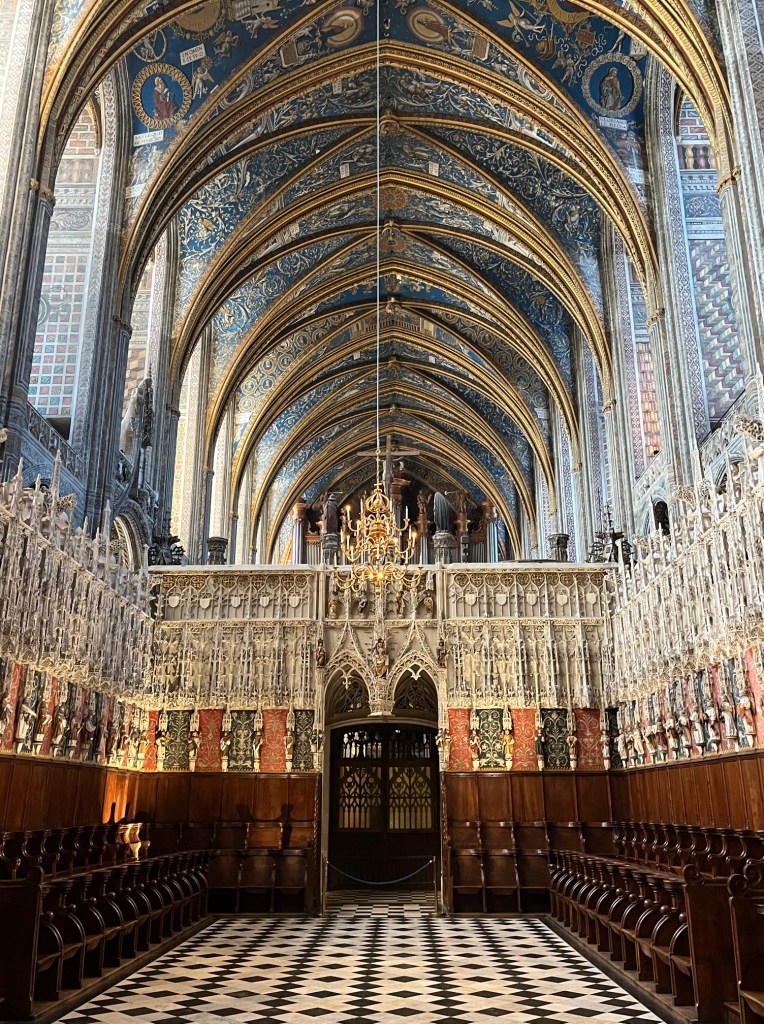

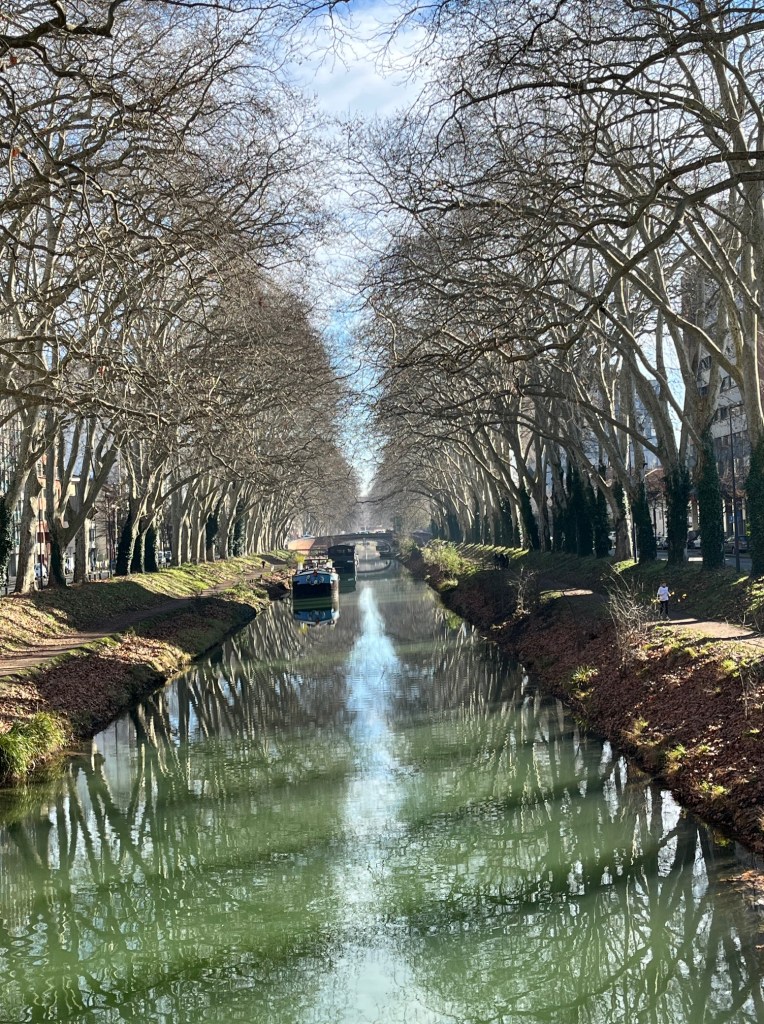
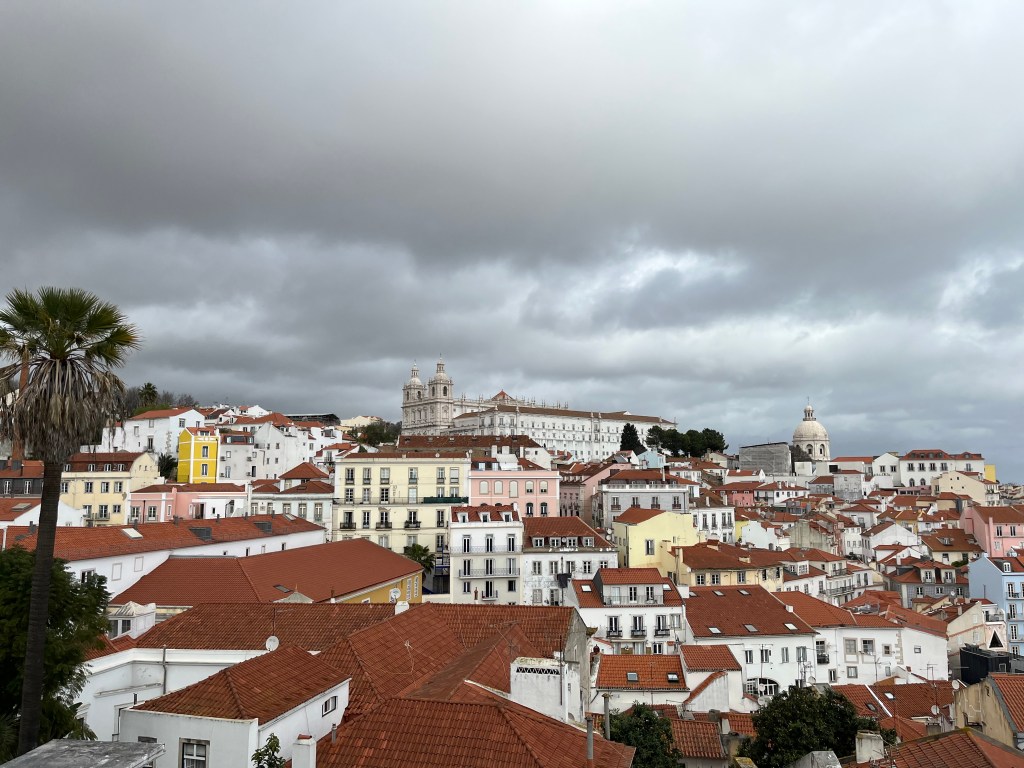
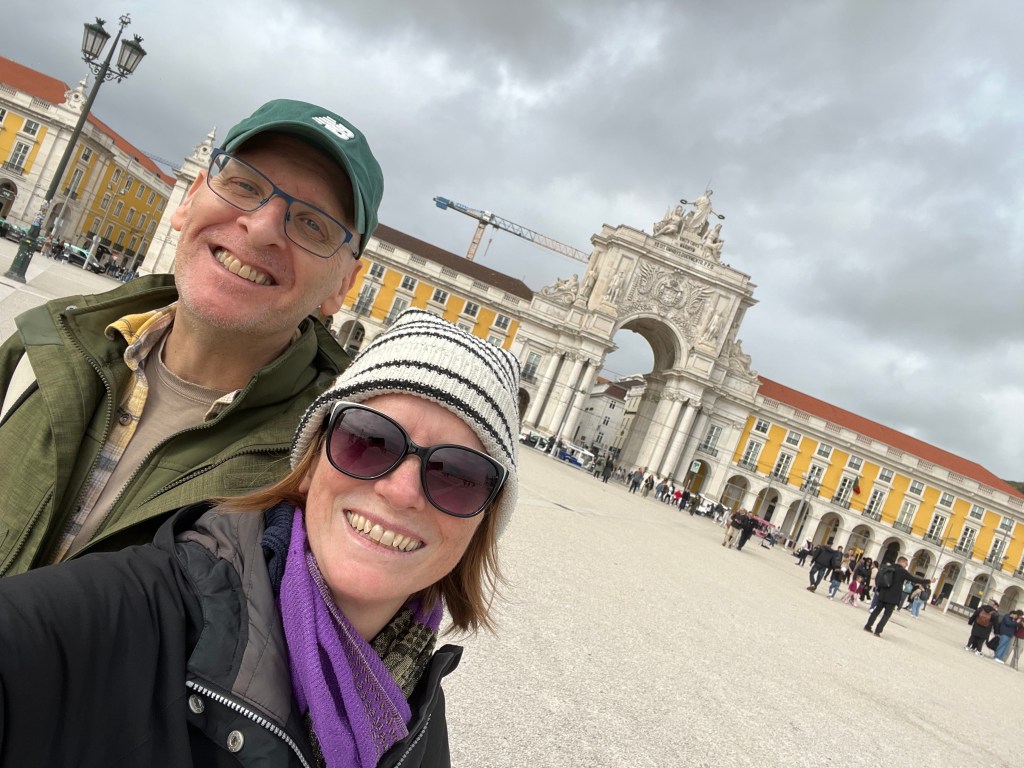
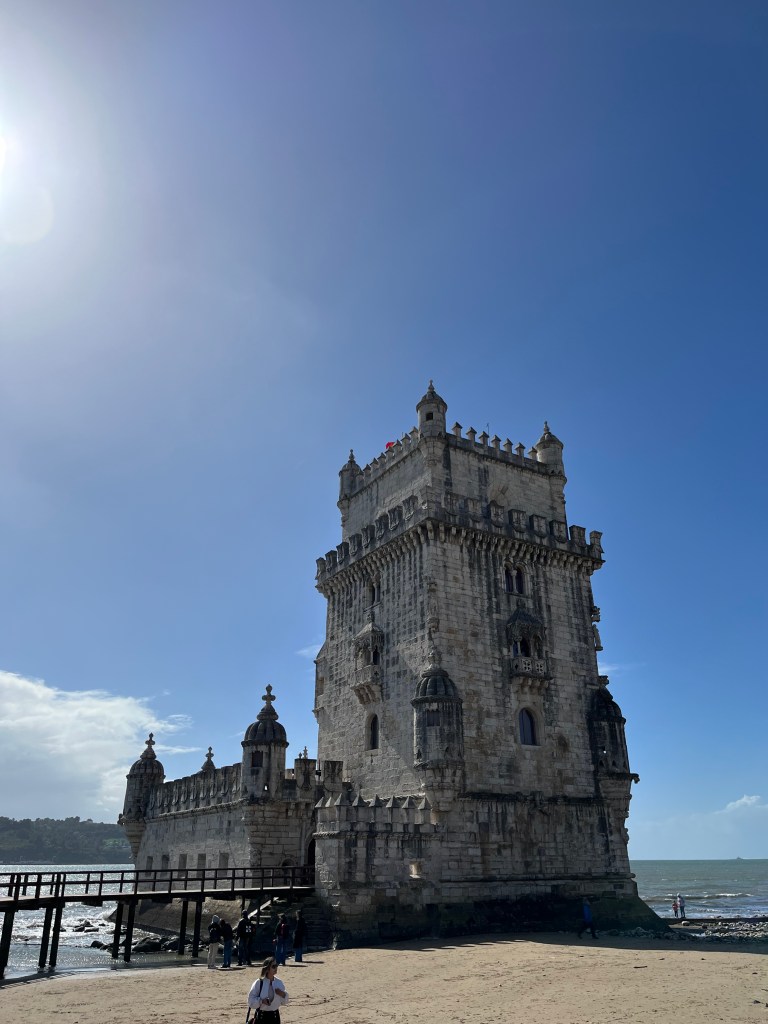
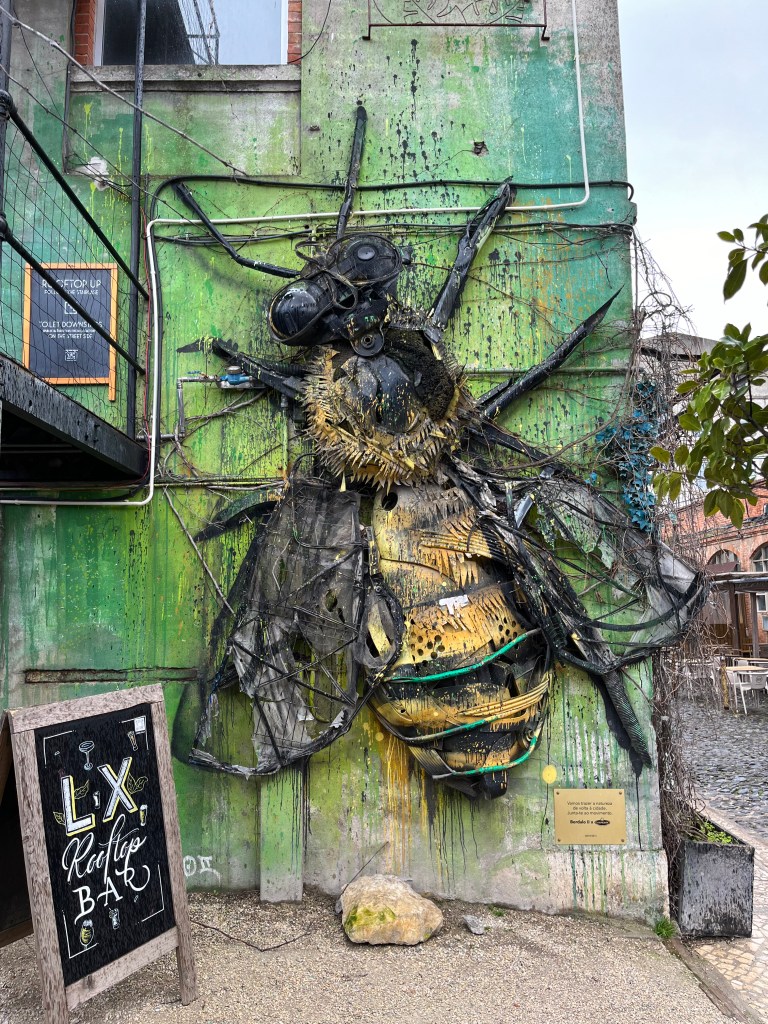
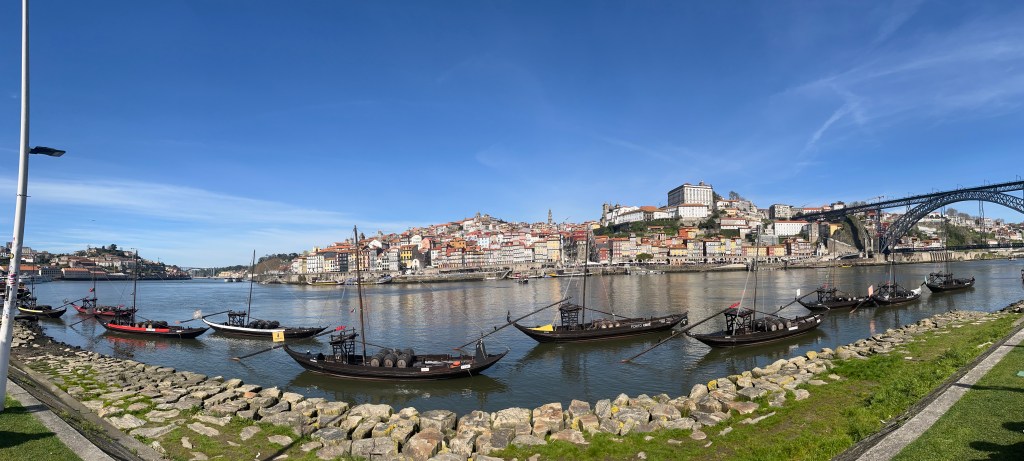
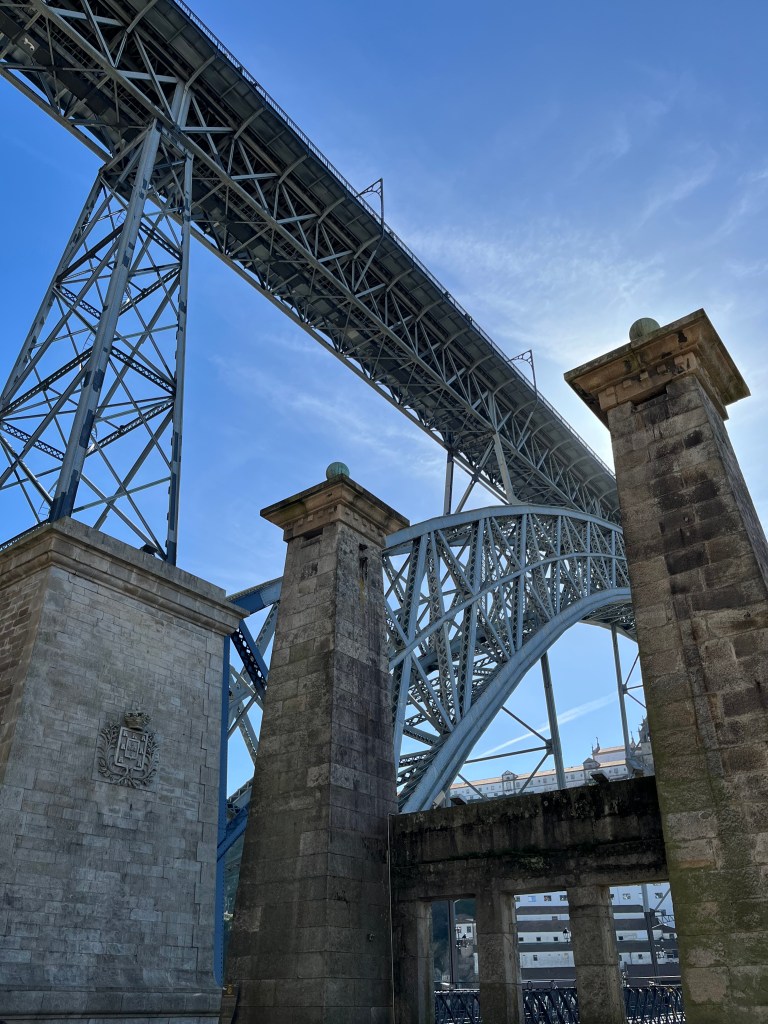
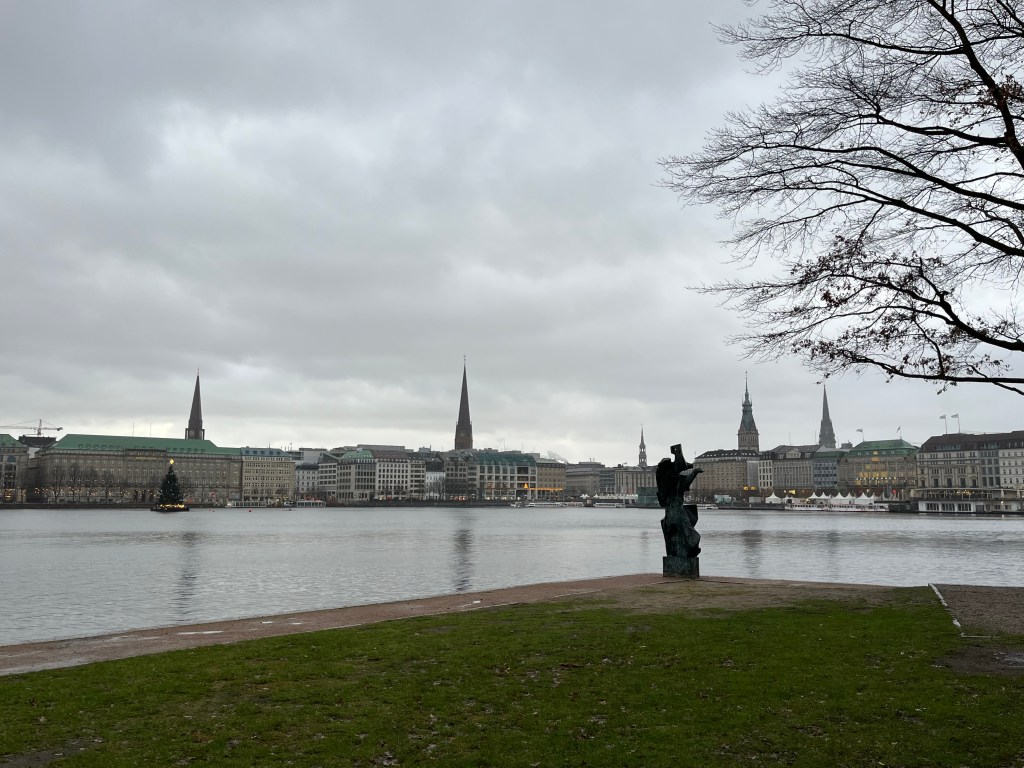
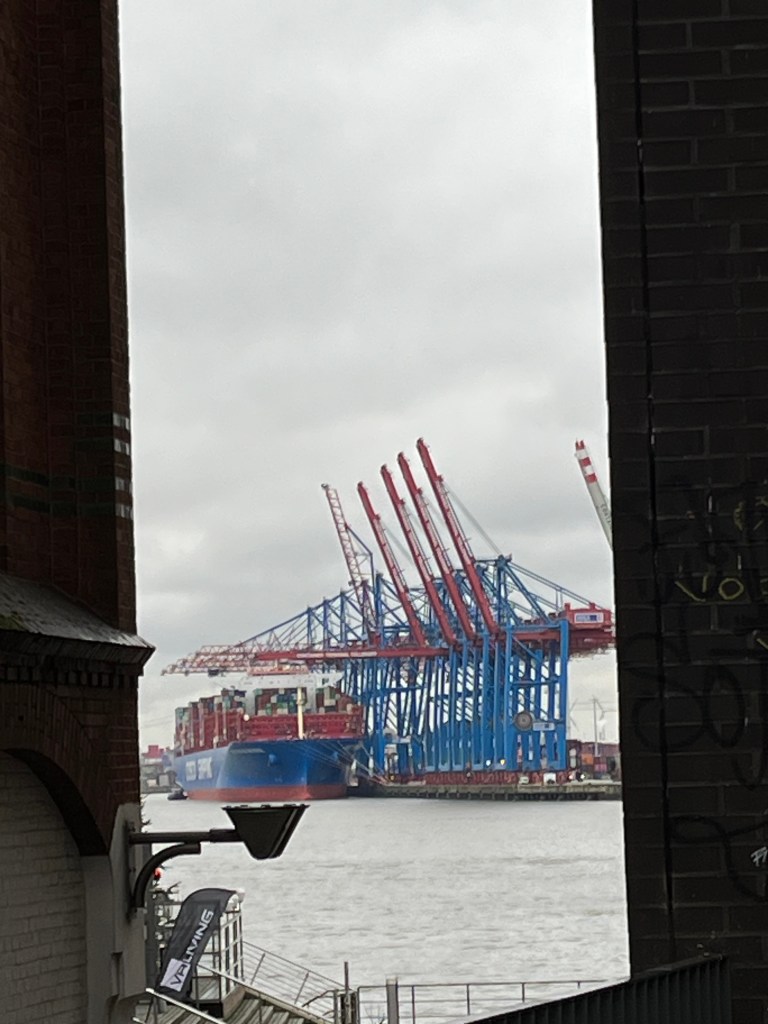
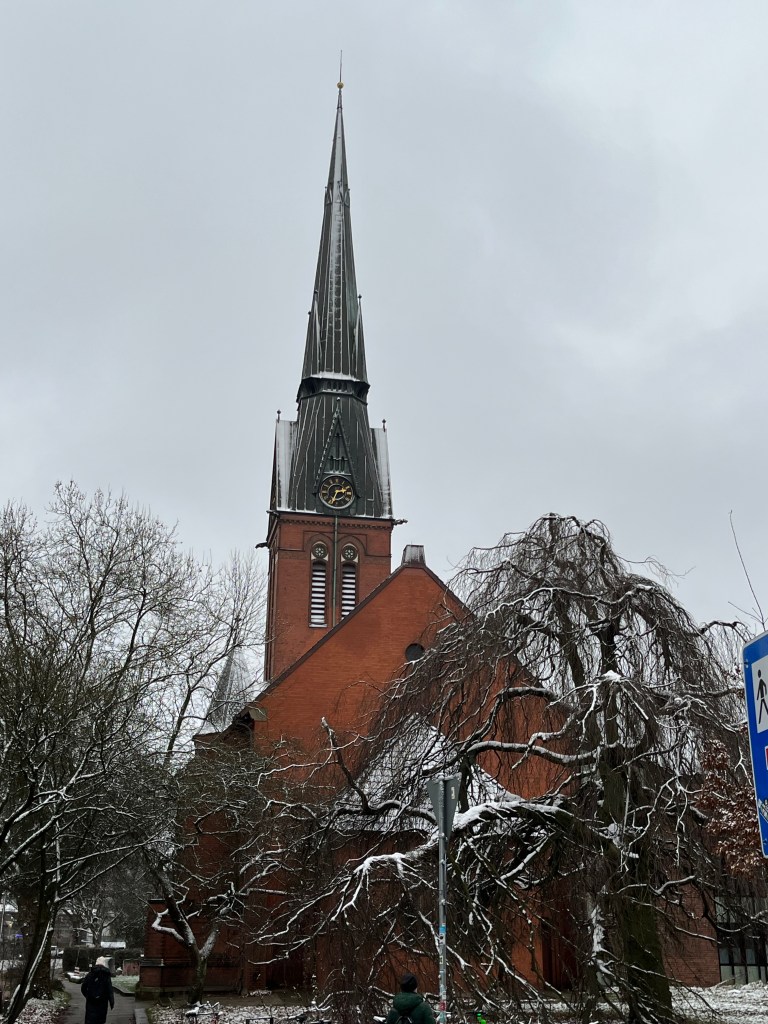
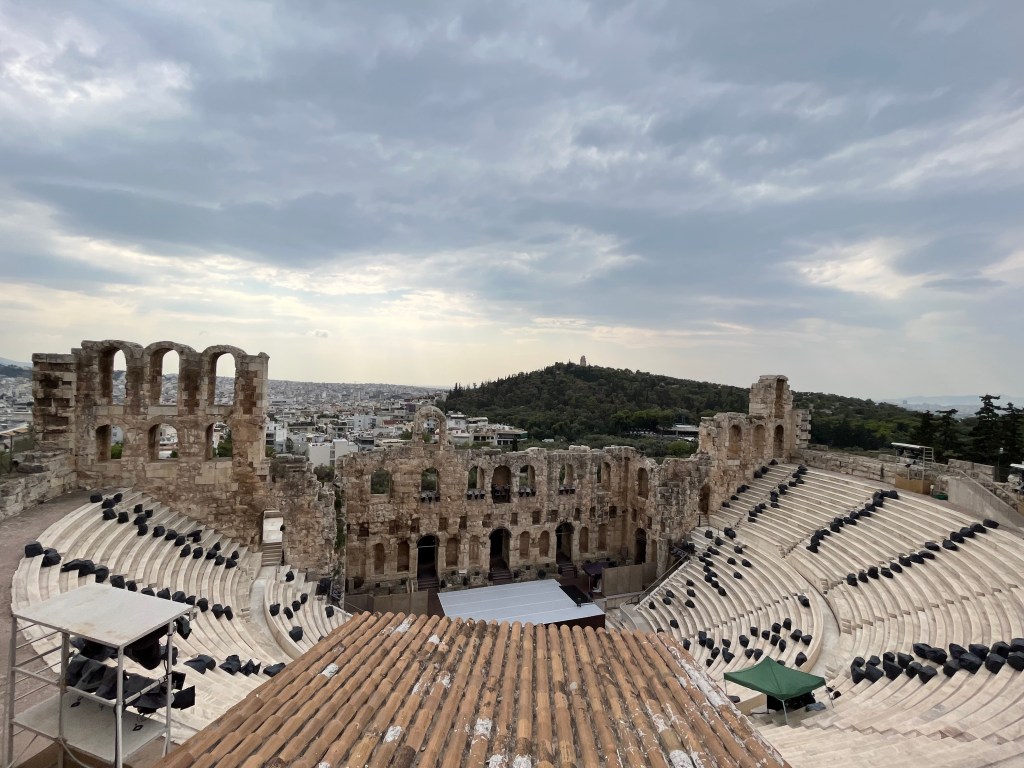


 Tony's Travel Blog